Why Your Stomach Growls: The Science of Borborygmi

Your stomach growls, technically called borborygmi, because your digestive tract contracts and pushes gas and fluid through your intestines, and this happens whether you are hungry or full. The rumbling you hear is a normal part of digestion that most people experience daily, and understanding it can ease the embarrassment you might feel in a quiet room. That familiar gurgle is not your stomach complaining about missing a meal, but rather your digestive system doing its essential housekeeping work.
Stomach growling is the sound of your intestines contracting and moving gas and liquid along the digestive tract. These sounds occur during digestion after meals and during cleanup waves between meals, and they are a completely normal sign that your digestive system is working as it should.
- Borborygmi is the medical term for the rumbling sounds your stomach and intestines make during digestion.
- Migrating motor complexes are powerful cleaning waves that sweep through your digestive tract during the fasting state between meals.
- Stomach growling occurs both when you are hungry and after you eat, as your intestines process food and gas.
- Loud stomach noises are more noticeable when your digestive tract is empty because there is less food to muffle the sound.
- Eating slowly, staying hydrated, and managing gas-producing foods can help reduce excessive stomach growling noises.
The Meeting That Almost Wasn't
You know the drill. The alarm didn't go off, or maybe you hit snooze one too many times. Either way, you're scrambling. There's a big meeting in forty minutes, your best suit is wrinkled in the laundry basket, and breakfast is a forgotten casualty of the morning rush. You walk into the conference room, coffee in hand, ready to impress. And then, right as the room goes quiet, your stomach announces its presence with a growl that echoes off the conference room walls.
That sound, the one that betrays you at the worst possible moment, has a name. Doctors call it borborygmi, a word the ancient Greeks came up with because it sounds exactly like what it describes. It's onomatopoeic, a verbal imitation of the rumbling and gurgling happening inside you. And here's the twist: it's not just about being hungry. Stomach growling can be triggered by slow digestion, by certain foods, or simply by the normal work of your digestive tract moving gas and fluid around.
The noise can come from your stomach, sure, but it often originates in your small intestine too. And it's louder when you're empty. When there's no food or liquid inside, there's nothing to muffle the sound. Your insides become an echo chamber, and every contraction sounds louder than it should. So while that growl might feel like a personal betrayal, it's really just your digestive system doing its job, and making sure everyone in the boardroom knows about it.
What's Actually Happening Inside?
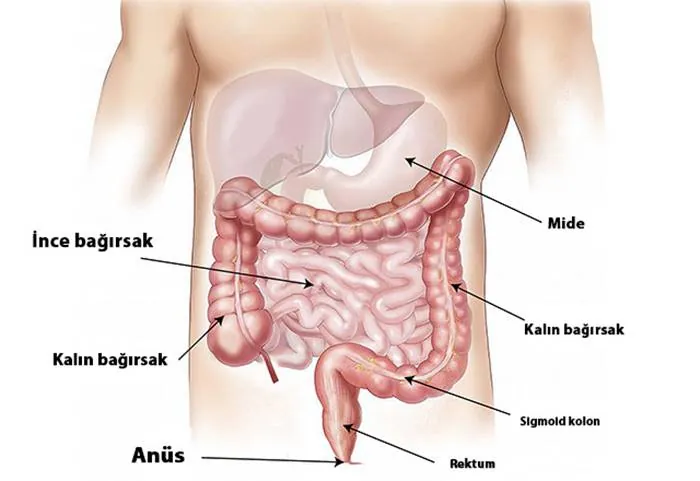
That rumbling you hear isn't random chaos. It's the sound of your digestive tract doing its job, a hollow muscular tube that runs from your mouth all the way to your anus. The walls of this tube are lined with smooth muscle layers, and when those muscles contract in coordinated waves, they push food, gas, and fluid forward. That movement, called peristalsis, is what creates the growling noise you know so well.
Think of it like squeezing a toothpaste tube from the bottom. A ring of contraction forms in the muscle wall and travels a few centimeters down the tract, pushing whatever is inside ahead of it. These rhythmic waves are the engine behind everything your gut does, and they never really stop. They just change their intensity depending on what's going on.
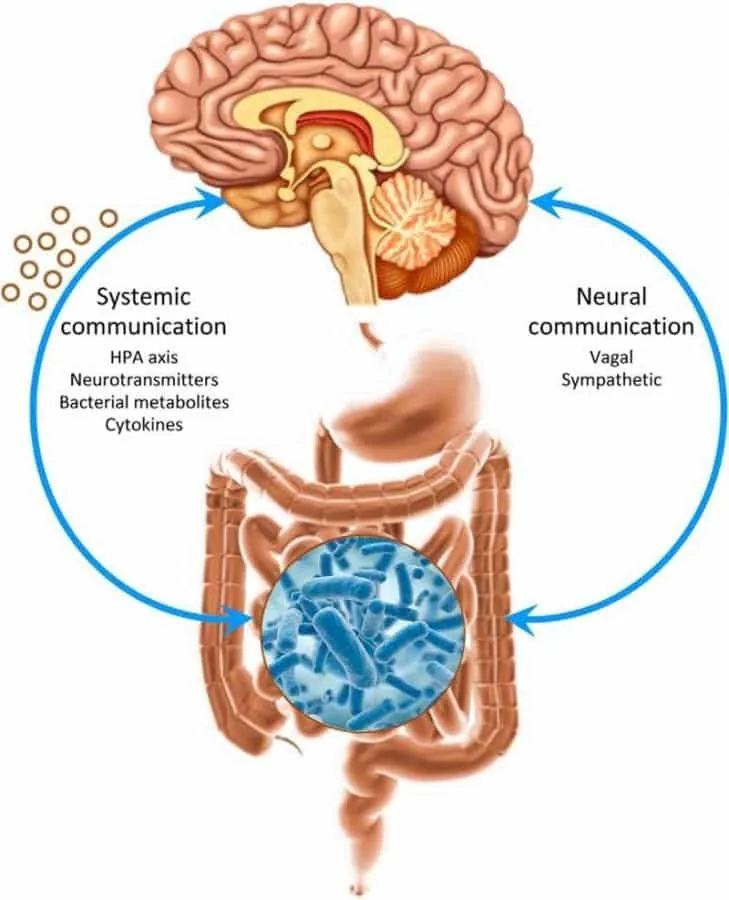
What drives these waves is electricity. The smooth muscle cells in your stomach and intestines generate a spontaneous electrical rhythm, a bit like a pacemaker. The enteric nervous system, sometimes called your "second brain," produces this activity on its own without needing instructions from your head. This basic electrical rhythm sets the tempo for your whole digestive system.
The tempo is remarkably consistent. Your stomach fires off about three electrical cycles per minute, while your small intestine is much quicker at roughly twelve cycles per minute. These aren't full contractions every time, but they create a baseline rhythm that determines when the muscle is ready to squeeze. It's slower than your heartbeat, but it follows the same principle of electrical signals triggering mechanical action.
When food is present, these contractions mix and churn the contents. But here's the twist: the sounds are more noticeable when your gut is empty because there is no food or liquid to muffle them. With nothing to absorb the noise, the peristaltic waves echo through hollow spaces, and that's when everyone in the meeting room can hear it.
Why Being Hungry Makes It Louder
Your stomach growls louder when it is empty because your digestive tract switches into a cleaning mode that creates more noise with less muffling. After your stomach and small intestine have been empty for about two hours, they launch a special wave of electrical activity called a migrating motor complex, or MMC. These waves sweep through your gut like a street-cleaning crew, clearing leftover food particles, mucus, and bacteria. Since there is no food or liquid to absorb the sound, those contractions echo openly, and that is the rumble you hear.
The whole operation starts in the antrum, the lower part of your stomach, and rolls all the way down to the terminal ileum, the final stretch of your small intestine. These hunger contractions do not just pass through once. They keep going for 10 to 20 minutes at a time, then take a break and return every one to two hours until you finally give your body something to work on.
Your blood sugar plays a role in how forceful these waves feel. When your glucose dips low, the contractions become more pronounced, which is why the growling often intensifies right before lunch. The hormone motilin can also kick things off; when given intravenously in research settings, it triggers these same movements on demand.
Now, do not confuse these growls with actual hunger pangs. The pangs, the sharper sensations that feel like cramping, are a separate response that research suggests begins within hours of your last meal rather than days later. The sound you hear at your desk by 11 a.m., though, is pure MMC activity, your body's way of tidying up while it waits for the next delivery.
How to Quiet a Noisy Stomach
If you want to silence the rumble, the single most effective change is swapping three big meals for five or six smaller ones spread across the day. When your stomach and small intestine stay empty for roughly two hours, the body switches into fasting mode and fires off those loud migrating motor complexes that produce the growl. Keep food arriving at regular intervals, and your digestive tract stays busy processing instead of broadcasting its emptiness to everyone in the room.
The physiology explains why this works so well. Those hunger contractions, the ones that last 10 to 20 minutes and return every hour or two until you eat, only kick in when the system has been empty for about two hours. That is the precise moment your stomach decides to announce itself during a quiet meeting or a library study session. Frequent small meals simply prevent that two-hour empty window from ever arriving.
Beyond meal timing, a few everyday habits make a real difference. Gas-producing foods put extra air into the digestive tube, and that air is exactly what amplifies the sound when muscles squeeze it along. Eating slowly and chewing with your mouth closed limits how much air you swallow in the first place. The same logic applies to gum: constant chewing pulls in extra air and also tricks the stomach into expecting food that never arrives.
One more thing worth knowing about the whole growling phenomenon, and it connects directly to the question everyone keeps asking: why does my stomach growl? The rumbling is not a sign that something is wrong. It is the digestive system doing its housekeeping, sweeping mucus, bacteria and leftover debris down the line so everything stays ready for the next meal. A little noise means the cleaning crew is on duty. If the sound bothers you, the fix is straightforward: eat smaller portions more often, keep the gas producers in check, slow down at the table and maybe skip the gum. Your stomach will still do its work. It just will not feel the need to announce it.
Frequently asked questions
Why does my stomach growl when I am hungry?
Your stomach growls when you are hungry because of a clean-up wave called the migrating motor complex. About two hours after your stomach and small intestine empty out, this wave sweeps through and pushes leftover mucus, bacteria, and debris onward. That sweeping motion creates vibrations, and with no food or liquid to muffle them, you hear the rumble.
What causes stomach growling sounds?
Stomach growling, also called borborygmi, comes from peristalsis, the wave-like muscle contractions that push gas, fluid, and food through your digestive tract. The sound happens when those contractions move air and liquid through your intestines. Hunger, slow digestion, and certain foods can all trigger these noises, though an empty stomach makes them louder because nothing absorbs the sound.
How can I stop my stomach from growling?
Eating frequent small meals instead of fewer large ones is the most effective way to quiet a growling stomach. When food enters your system regularly, your digestive tract never sits empty long enough for those loud hungry contractions to kick in. You can also reduce gas-producing foods, eat slowly, and avoid chewing gum to cut down on swallowed air.
Is stomach growling a sign of hunger?
Stomach growling can be a sign of hunger, but it also happens when your stomach is full. The sounds come from muscle contractions moving contents through your system, whether that content is a meal or just gas and fluid. Hunger makes the noise more noticeable because an empty stomach and intestines have nothing to muffle the vibrations.
What is borborygmi?
Borborygmi is the medical term for stomach growling, and it has Greek origins. The word is onomatopoeic, meaning it imitates the very sound it describes, derived from the Greek word for rumbling or growling. You will usually hear it used in the plural form, borborygmi, though the singular is borborygmus.
Why does my stomach growl after eating?
Your stomach growls after eating because digestion is a noisy process. Peristalsis continues working to mix and push food, gas, and liquid through your intestines, and those movements create rumbling sounds. Certain foods, especially ones that produce gas, can make the noises louder as your system processes them.
What are migrating motor complexes?
Migrating motor complexes, or MMCs, are sweeping waves of electrical activity that begin when your stomach and small intestine have been empty for about two hours. They start in the lower part of the stomach and travel all the way to the end of the small intestine. Their job is to clear out leftover mucus, food debris, and bacteria, keeping your digestive tract ready for your next meal.
Does low blood sugar make stomach growling worse?
Yes, low blood sugar makes those hunger contractions more pronounced. When your blood sugar drops, your body signals hunger centers that stimulate gastric activity, which can amplify the growling. The hormone motilin, which in research settings can be given intravenously to trigger these movements, also plays a role in initiating the contractions that produce the sound. Editorial note: Any facts within this article that remain unconfirmed are presented as such, with appropriate hedging language.
Got a take on this? Add your voice to the conversation below →
No comments yet. Be the first.