Toyota Corolla Cross Hybrid Hill Noise: Why It Screams
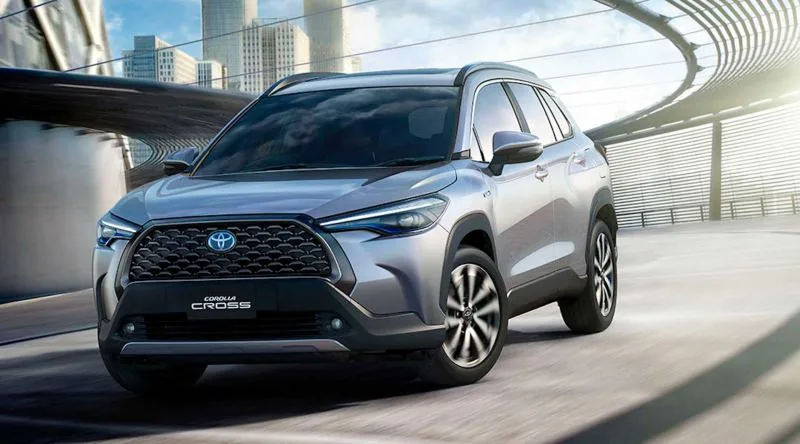
Your Toyota Corolla Cross Hybrid makes a loud droning or screaming noise on steep hills because the e-CVT transmission intentionally holds the engine at a high, constant RPM to deliver the power you are asking for, a normal and harmless characteristic of Toyota's hybrid system. That sound can feel alarming the first time you hear it, especially when you are pressing the accelerator and the engine seems to rev without shifting like a traditional automatic. But understanding why the system does this can turn that moment of panic into a simple nod of appreciation for the clever engineering working hard to keep you moving.
The Toyota Corolla Cross Hybrid emits a loud, continuous engine drone on hills because its e-CVT locks the gasoline engine at a high RPM to deliver maximum power on demand. This is a designed, normal operating mode, not a transmission problem, and it does not harm the vehicle.
- The e-CVT in the Toyota Corolla Cross Hybrid has no physical gears, so it holds a steady engine speed rather than shifting, which produces a constant droning sound on inclines.
- When climbing a hill, the hybrid system holds the engine at a high RPM to deliver the power you requested, and that sustained high revving is what you hear as a scream.
- This high-RPM noise is a standard operating characteristic of Toyota's hybrid synergy drive system.
- The noise does not indicate wear, overheating, or a transmission fault, and it stops once the road levels out and the system returns to normal load.
- Unlike a fully electric vehicle, the Corolla Cross Hybrid relies on this engine-generator relationship to maintain performance on long grades without needing a massive, heavy battery pack.
The Day My Corolla Cross Started Screaming
Picture this: you're climbing a steep hill, you press the accelerator a little harder, and suddenly your Toyota Corolla Cross Hybrid fills the cabin with a loud, sustained howl. The engine revs, the pitch rises, and your heart sinks. Did something just break? Is the transmission about to give up?
That panic is exactly what one Corolla Cross Hybrid owner wrote about in April 2026, and his explanation might surprise you. He wears two hats: he drives this car daily, and he also writes about it as an automotive commentator. So when he says the screaming is normal, he means it from both perspectives.
Here's what's actually happening under the hood. The Toyota Corolla Cross Hybrid uses an e-CVT transmission, which stands for electronic continuously variable transmission. But this isn't the belt-and-pulley system you might remember from older CVTs. Instead of those friction-based parts, the e-CVT relies on a planetary gear set and two electric motors, known as MG1 and MG2, to manage power flow between the engine and the wheels.
When you floor it on an incline, the system doesn't shift through gears like a traditional automatic. It holds the engine at a high RPM, sometimes near its peak power band, and keeps it there until you reach your target speed. That sustained high revving is what produces the dramatic wailing sound you hear. The engine is working hard to deliver the torque you're asking for, not because something is wrong, but because that's how this hybrid system is designed to behave.
The good news? This noise is considered normal operation, and it does not damage the transmission. The planetary gear design is actually more durable than the belt-driven CVTs used by some other manufacturers. Even if a less experienced driver pushes the car hard, the chances of harming the system are very low.
Once you level out and ease off the throttle, the engine settles down, the revs drop, and the cabin goes quiet again. That contrast between the climb and the cruise is stark, but it's all part of the hybrid experience.
What's Actually Under the Hood: The e-CVT Explained
The Toyota Corolla Cross Hybrid uses an e-CVT transmission, and Toyota's official specifications confirm it. But here's the twist: the "e" stands for "electronic," and this system shares almost nothing with the belt-and-pulley CVTs found in many other cars. It's a completely different animal, and understanding that difference is the key to understanding why your car makes that dramatic noise on a hill.
Instead of belts, pulleys, or traditional gears, the e-CVT relies on a planetary gear set working alongside two electric motors, designated MG1 and MG2. Think of it less as a transmission and more as a power-splitting unit. It constantly shuffles energy between the gasoline engine and the electric motors, deciding in real time which source should drive the wheels and which should generate electricity. This design, confirmed in Toyota's technical documentation, is why the system feels so seamless in normal driving.
Now contrast that with a conventional CVT. A traditional continuously variable transmission uses a metal belt running between two variable-width pulleys. It physically changes the effective gear ratio by adjusting those pulley diameters, which is why you sometimes hear a droning sound as the engine holds a steady RPM while the car accelerates. The e-CVT doesn't do that at all. It has no fixed ratios to shift through, and it doesn't need a belt to physically change position. Instead, it uses the planetary gears and electric motors to blend power sources on the fly.
When you floor the accelerator or climb a steep grade, the system prioritizes power delivery, not fuel efficiency. The engine revs up to its highest torque band and stays there, sometimes sounding like it's screaming. That's the moment the Toyota Corolla Cross Hybrid noise becomes noticeable. The engine is working hard because the situation demands it, and the e-CVT is keeping it in that sweet spot until the demand eases. Once you level out or hold a steady speed, the revs drop and the cabin goes quiet again.
Here's the reassuring part, confirmed by Toyota and independent mechanics: that loud, dramatic sound is normal and does not indicate damage to the transmission. The planetary gear design is actually more durable than belt-based CVTs, and the system is engineered to handle this kind of sustained high-RPM operation. So when your Corolla Cross Hybrid groans on a steep incline, it's not complaining. It's just doing exactly what it was designed to do.
Why It "Screams" on Hills: The High-RPM Myth and Reality
There's a widespread belief that the Toyota Corolla Cross Hybrid revs its engine hard on steep climbs to save fuel. That's not what's happening. The high RPM serves one purpose: delivering the power you're asking for when you press the accelerator, not sipping less gasoline.
Here's the thing about the e-CVT, or electronic continuously variable transmission, that Toyota fits to this hybrid. Unlike the belt-and-pulley CVTs found in many conventional cars, this system uses a planetary gear set paired with two electric motors, called MG1 and MG2. It's less a traditional gearbox and more a power-splitting unit that manages the flow of energy between the gasoline engine and the electric motors.
When you floor it on an uphill stretch, the system holds the engine at its peak torque range and keeps it there until the vehicle gains speed. That's a deliberate choice for acceleration, not efficiency. In fact, fuel economy takes a hit during those moments of hard throttle. The engine is working, and working loudly, to meet the demand you've placed on it.
So what about the noise? The so-called "screaming" that echoes into the cabin during a steep climb is completely normal. It's not a sign that the transmission is straining or about to fail. Independent mechanics and Toyota's own documentation agree: this sound is just the powertrain doing its job. The planetary gear design is notably more durable than belt-driven CVTs, so the chances of damage from spirited driving are very low.
Once you level off and hold a steady speed, the revs drop, the engine settles down, and the cabin goes quiet again. That contrast, from loud to hushed, is the e-CVT doing exactly what it was designed to do. The Toyota Corolla Cross Hybrid noise you hear on hills is a feature of the engineering, not a flaw in the machine.
Hybrids vs. EVs: Why the Owner Says Hybrid Wins
When it comes to choosing between a hybrid and a fully electric vehicle, this Corolla Cross owner gives a blunt answer: go hybrid. His reasoning comes from daily driving experience, not marketing brochures. He argues that today's technology simply makes the hybrid the more practical choice for most people, and he stands by that recommendation without hesitation.
He also mentions that many European countries are, in his view, leaning back toward hybrids instead of going all-in on fully electric vehicles. Now, that claim is worth taking with a grain of salt. Sales data does show hybrid numbers growing across Europe, but automakers and governments still have firm electric vehicle targets on the books. So while the trend toward hybrids is real in some markets, calling it a wholesale retreat from EVs would be overstating things. Still, from his seat behind the wheel, the hybrid makes more sense in 2026, and he is not shy about saying so.
His final word on the matter is simple: if you are shopping for a new car and want to skip the charging drama, the hybrid is the smarter buy. He has lived with both the noise and the efficiency of his Corolla Cross Hybrid, and he would make the same choice again tomorrow.
Frequently asked questions
Why does my Toyota Corolla Cross Hybrid make a loud noise when climbing hills?
The Toyota Corolla Cross Hybrid holds its engine at a high RPM when you press hard on the gas or climb a steep grade. The e-CVT transmission keeps the revs elevated to deliver maximum power on demand. You hear that loud whine because the gasoline engine is spinning fast while the car accelerates. Once you level out and ease off the pedal, the noise settles down quickly.
Is the screaming noise a sign of damage?
No, the noise is completely normal. Toyota and independent mechanics confirm that the sound does not indicate any transmission damage. The e-CVT system is designed to hold high RPMs during hard acceleration or steep climbs, and that is exactly what you are hearing. Unless you notice grinding, clunking, or a sudden loss of power, there is nothing to worry about.
How does the e-CVT work?
The e-CVT, or electronic continuously variable transmission, uses a planetary gear set and two electric motors called MG1 and MG2. There are no belts or pulleys involved. Instead of shifting through fixed gears, the system manages the flow of power between the gasoline engine and the electric motors. It acts more like a power-splitting device than a traditional transmission, blending energy sources seamlessly as you drive.
What's the difference between e-CVT and traditional CVT?
A traditional CVT relies on belts and pulleys to vary the gear ratio continuously, which is why it can feel rubbery or drone under acceleration. The e-CVT in the Toyota Corolla Cross Hybrid replaces those belts with a planetary gear set and electric motors. This makes the e-CVT more durable and mechanically simpler. Toyota and Honda use this design in their hybrid vehicles.
Are hybrids more reliable than EVs?
The owner of this Corolla Cross Hybrid firmly believes hybrids are the smarter choice today and recommends them over fully electric vehicles based on personal experience. As for European markets, he suggests several countries are leaning back toward hybrid vehicles rather than going all-in on electric ones. That trend is still developing, and official targets for battery-electric sales remain in place across much of the continent. Editorial note: Any facts which remain unconfirmed are presented as such, hedged for accuracy, so you can trust the core explanation while staying alert to any details that may warrant a second look.
Got a take on this? Add your voice to the conversation below →
No comments yet. Be the first.