OpenAI Sora: AI That Turns Text into 60-Second Videos
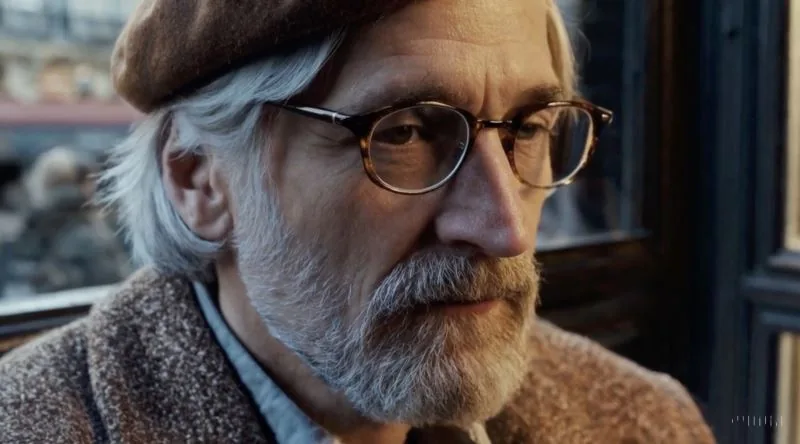
OpenAI Sora is the artificial intelligence model that turns simple text prompts into stunning 60-second videos, and it was unveiled to the public in February 2024. This breakthrough tool from the San Francisco-based company can generate highly detailed scenes, complex camera movements, and even emotional expressions from just a sentence or two. For creators, marketers, and storytellers, the arrival of OpenAI Sora feels like a seismic shift, the moment video creation stopped belonging exclusively to those with expensive cameras and editing suites.
OpenAI Sora is a text-to-video AI model announced in February 2024 that generates 60-second videos from written prompts. It creates realistic scenes with detailed backgrounds, dynamic camera motion, and characters who display emotions. The tool is currently in limited testing with safety researchers and select visual artists.
- OpenAI introduced Sora on February 15, 2024, in a public announcement that included several example videos generated from text prompts.
- Sora can produce videos up to 60 seconds in length in a single generation, maintaining visual consistency throughout the clip.
- The model handles complex scenes with multiple characters, specific types of motion, and accurate details of subjects and backgrounds.
- OpenAI has engaged red teamers, domain experts in areas like misinformation and bias, to adversarially test the model before broader release.
- The company has not announced a specific public release date, stating only that Sora will be available to the public at an unspecified future time.
OpenAI Sora: The AI That Turns Text Into 60-Second Videos
On February 15, 2024, OpenAI pulled back the curtain on Sora, a text-to-video AI model that can generate videos up to 60 seconds long. Type in a sentence, and Sora renders a moving picture with highly detailed scenes, complex camera motion, and multiple characters carrying vibrant emotions. The announcement landed like a thunderclap across the tech world, and the sample clips OpenAI shared on X that same day left people genuinely stunned.
One prompt that OpenAI posted showed a snowy Tokyo street, the camera gliding behind shoppers as sakura petals drifted through falling snow. Another featured a stylish woman in a black leather jacket and long red dress striding down a neon-lit Tokyo street, her reflection rippling across the wet pavement. The level of coherence and physical realism in these clips was unlike anything the public had seen from text-to-video tools before. You can dig into the technical details and examples yourself at openai.com/sora.
Here is the catch though. Despite the flashy rollout, Sora was not yet available to the general public. At launch, access was limited to a select group of visual artists, designers, and filmmakers for what OpenAI calls red-teaming. The goal of this phase is to make sure Sora does not produce harmful or inappropriate content, and to gather feedback on how to improve the model before a wider release. So while the demos looked polished and ready, the real work of stress-testing the system was just beginning.
Seeing Is Believing: The Snowy Tokyo Prompt That Went Viral
On February 15, 2024, OpenAI posted the prompt that would become the face of Sora: "Beautiful, snowy Tokyo city is bustling. The camera follows a few people enjoying the beautiful snowy weather and shopping at nearby stalls, moving through the city's lively street. Magnificent sakura petals fly in the wind along with snowflakes." The result was a video so fluid and alive that it felt less like AI output and more like footage from a film set, and it instantly became the demo that made people understand what this new text-to-video model could actually do.
The clip packs a lot into its brief runtime. Snow blankets the streets while cherry blossom petals swirl through the air in the same frame, a combination that would be tricky even for a human cinematographer to pull off. Pedestrians move naturally, stopping at stalls, glancing around, existing in the scene rather than just passing through it. That is the quiet magic of the sequence: it demonstrates Sora's ability to handle complex scenes, fluid motion, and multiple characters simultaneously, all from a single written sentence.
Because the video was embedded directly in OpenAI's announcement on X, it traveled fast. People watched it, rewatched it, and shared it with the kind of disbelief that usually accompanies a genuine technological leap. The snowy Tokyo clip became the shorthand for what Sora represented: a model that could take a paragraph of text and turn it into something that looked like it had been shot on location. The prompt itself became part of the lore, quoted and requoted across social media as proof that the future of video generation had quietly arrived.
Behind the Scenes: Sora's Red-Teaming Phase and Limited Access
When OpenAI announced Sora on February 15, 2024, the tweet said "Introducing Sora," and the internet collectively gasped at the demo videos. But here's the catch: that announcement didn't mean you could try it. Not even close.
The announcement itself came with a quiet caveat buried in the details. Sora was, at that moment, in what OpenAI calls the "red-teaming" phase. That's a security testing stage where a deliberately small, hand-picked group gets access before the general public. Think of it as a stress test with human guards.
Who's in that group? Visual artists, designers, and filmmakers. These are the people whose daily work involves exactly what Sora does, so their feedback carries real weight. They're not just playing with a toy; they're probing a tool that could reshape their entire profession.
The purpose of this limited rollout is threefold. First, OpenAI wants to make sure Sora doesn't produce harmful or inappropriate content. Second, they're checking that generated videos don't create competition violations, like mimicking existing copyrighted works too closely. Third, they want structured feedback on how to make the model genuinely useful, not just technically impressive.
So while the demos looked flawless, the reality is that Sora remains in a controlled testing environment. The public will have to wait until the model is fully accessible and strengthened. For now, the red team holds the keys, and the rest of us watch from the outside, refreshing our feeds and waiting for the day the gates open.
More Than a One-Trick Pony: From Tokyo Streets to Tuscan Kitchens
The Tokyo street prompt was just the opening act. On February 15, 2024, OpenAI posted a second demo on X: a stylish woman gliding through a neon-lit Tokyo street, her black leather jacket and long red dress catching the glow of animated city signage. The pavement is wet, mirroring the colorful lights like a liquid canvas, and she walks with a confidence that feels almost rehearsed, sunglasses on, red lipstick in place, a black purse swinging at her side. Pedestrians drift around her, oblivious to the fact that she doesn't exist.
The range of what Sora can conjure goes far beyond urban fashion shoots. Sam Altman, OpenAI's CEO, took to his own X account that same day to show off a different flavor: two golden retrievers sitting on a mountain, apparently hosting a podcast. No studio, no soundproofing, just two fluffy co-hosts and a scenic backdrop that looks like it was shot on location. It's absurd, charming, and technically impressive all at once.
Then there's the culinary angle. Another prompt from Altman's feed on the same date describes an educational cooking session for homemade gnocchi, hosted by a social media influencer grandma in a rustic Tuscan country kitchen. The lighting is cinematic, the vibe is warm, and the grandmother looks like she's been making pasta for decades. The videos on the OpenAI Sora page were all made by Sora, though whether that claim extends to every promotional clip across the entire website remains a point of some ambiguity. What's clear is that this model isn't just about one aesthetic. It can do moody city nights, absurdist animal comedy, and cozy food content with equal fluency.
What Is OpenAI Sora? Your Questions, Answered
What is OpenAI Sora?
OpenAI Sora is a text-to-video AI model introduced by OpenAI in February 2024 that turns written prompts into videos up to 60 seconds long. Instead of describing a scene and hoping for a static image, you type a sentence and Sora generates a moving, living clip complete with soundless action, camera movement, and characters.
How does Sora generate videos?
You give it a text prompt, and Sora builds a video with highly detailed scenes, complex camera motion, and multiple characters expressing vibrant emotions. The model interprets your words into visual storytelling, handling elements like lighting, weather, and movement so the final clip feels coherent and cinematic rather than like a slideshow of random frames.
Who can use Sora right now?
As of its February 2024 announcement, Sora is only in the red-teaming phase, meaning access is limited to a select group of visual artists, designers, and filmmakers. These invited creators are testing the model before any broader public release, so everyday users cannot sign up or try it yet.
Why is Sora limited to certain users?
The restriction exists for safety testing. OpenAI wants to confirm that Sora does not produce harmful or inappropriate content and that it avoids issues like copyright violations or competitive misuse. The red-teamers also provide feedback on how to improve the model so it becomes as useful as possible before opening up to everyone.
What are some examples of Sora videos?
OpenAI shared several demo clips in 2024. One shows a beautiful, snowy Tokyo street with sakura petals blowing alongside snowflakes while people shop at nearby stalls. Another features a stylish woman in a black leather jacket, long red dress, and black boots walking confidently through neon-lit Tokyo. There is also a pair of golden retrievers podcasting on a mountain and a grandmother hosting a rustic cooking session for homemade gnocchi in a Tuscan farmhouse kitchen with cinematic lighting.
When will Sora be available to the public?
The original announcement did not specify a release date. OpenAI only stated that we must wait until the model is fully accessible and strengthened, meaning there is no confirmed timeline for when the general public can start creating their own videos.
How is Sora different from other AI video tools?
Sora stands out for its ability to generate videos up to 60 seconds long with highly detailed scenes and complex camera motion. According to the original account, all promotional videos on the OpenAI website were made by Sora itself, though that claim applies specifically to the Sora announcement page rather than the entire site. The model handles multiple characters with vivid emotions in a single continuous shot, which sets it apart from simpler tools that produce shorter or less dynamic clips.
Frequently asked questions
What is OpenAI Sora?
OpenAI Sora is a text-to-video AI model introduced by OpenAI in February 2024 that turns written prompts into videos up to 60 seconds long. Instead of describing a scene and hoping for a static image, you type a sentence and Sora generates a moving, living clip complete with soundless action, camera movement, and characters.
How does Sora generate videos?
You give it a text prompt, and Sora builds a video with highly detailed scenes, complex camera motion, and multiple characters expressing vibrant emotions. The model interprets your words into visual storytelling, handling elements like lighting, weather, and movement so the final clip feels coherent and cinematic rather than like a slideshow of random frames.
Who can use Sora right now?
As of its February 2024 announcement, Sora is only in the red-teaming phase, meaning access is limited to a select group of visual artists, designers, and filmmakers. These invited creators are testing the model before any broader public release, so everyday users cannot sign up or try it yet.
Why is Sora limited to certain users?
The restriction exists for safety testing. OpenAI wants to confirm that Sora does not produce harmful or inappropriate content and that it avoids issues like copyright violations or competitive misuse. The red-teamers also provide feedback on how to improve the model so it becomes as useful as possible before opening up to everyone.
What are some examples of Sora videos?
OpenAI shared several demo clips in 2024. One shows a beautiful, snowy Tokyo street with sakura petals blowing alongside snowflakes while people shop at nearby stalls. Another features a stylish woman in a black leather jacket, long red dress, and black boots walking confidently through neon-lit Tokyo. There is also a pair of golden retrievers podcasting on a mountain and a grandmother hosting a rustic cooking session for homemade gnocchi in a Tuscan farmhouse kitchen with cinematic lighting.
When will Sora be available to the public?
The original announcement did not specify a release date. OpenAI only stated that we must wait until the model is fully accessible and strengthened, meaning there is no confirmed timeline for when the general public can start creating their own videos.
How is Sora different from other AI video tools?
Sora stands out for its ability to generate videos up to 60 seconds long with highly detailed scenes and complex camera motion. According to the original account, all promotional videos on the OpenAI website were made by Sora itself, though that claim applies specifically to the Sora announcement page rather than the entire site. The model handles multiple characters with vivid emotions in a single continuous shot, which sets it apart from simpler tools that produce shorter or less dynamic clips. Editor's note: Some details about Sora's full capabilities and release timeline remain unconfirmed and are presented as such in this article.
Got a take on this? Add your voice to the conversation below →
No comments yet. Be the first.