Homo erectus: The First Fire Users Who Lived in Istanbul

Homo erectus, often cited as the first human species to control fire, left traces of its presence in and around modern-day Istanbul, specifically at Yarımburgaz Cave in Başakşehir. The site has yielded stone tools and faunal remains that researchers connect to this ancient species, marking an early chapter in the region's human story. Their tale is not just a footnote in history; it is a deep ancestral prelude to one of the world's most storied cities, a story of resilience etched into the very stones of Thrace.
Homo erectus, an early human species that thrived for over 1.5 million years, left behind Lower Paleolithic stone tools and faunal remains at Yarımburgaz Cave near Istanbul. They are often recognized as the first hominins to control fire, though earlier hominins may have used it too. Their presence marks one of the earliest known human habitations in that part of Turkey.
- Homo erectus left behind Lower Paleolithic stone tools and faunal remains at Yarımburgaz Cave in the Başakşehir district of modern-day Istanbul, Turkey.
- This species is often considered the first human ancestor to have mastered the controlled use of fire for cooking and protection, though the "first" is not definitively established.
- The Homo erectus lineage persisted for more than 1.5 million years, making it one of the longest-surviving human species.
- Fossil and stone tool evidence from the cave indicates a significant occupation, though no definitive Homo erectus fossils have been confirmed.
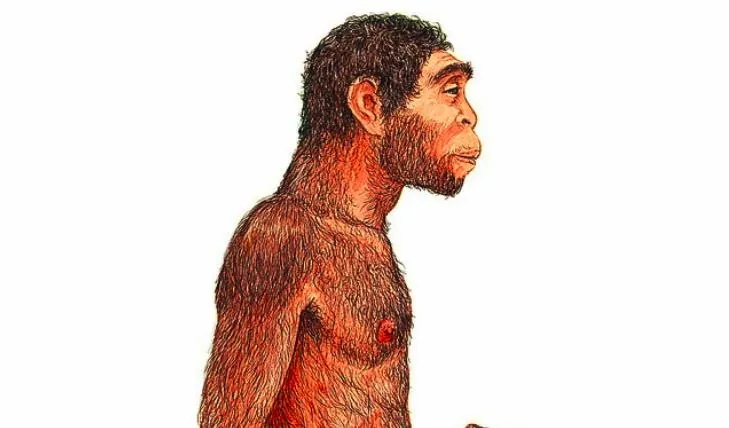
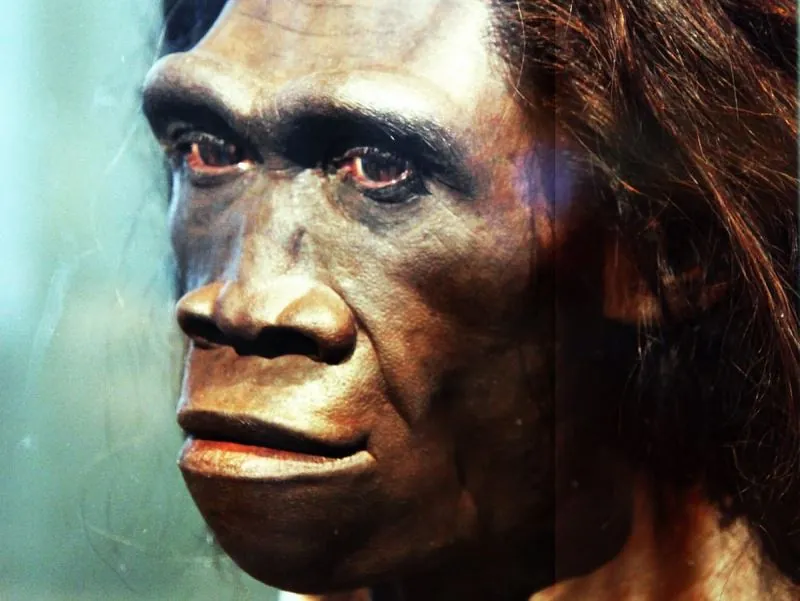
- Unlike later Homo sapiens, Homo erectus had a smaller brain and a more robust, heavily muscled build adapted for endurance walking.
The Longest-Lived Human Species
Homo erectus holds the record for the longest run of any human species, lasting more than 1.5 million years on this planet. That is an almost incomprehensible stretch of time, especially when you consider our own species has only been around for a few hundred thousand years. This ancient hominin emerged about 2 million years ago and finally disappeared between 117,000 and 108,000 years ago, according to fossil evidence from Ngandong, Java.
To put that tenure in perspective, Homo erectus evolved from its predecessor, Homo habilis, and survived through the entire Paleolithic era. The species weathered multiple glacial-interglacial cycles, enduring thousands of years of freezing conditions that would have crushed a less adaptable creature. While the exact lineage remains debated, most researchers agree that Homo erectus evolved into many geographic variants over its immense reign, and it is highly likely that this species is the ancestor of Homo sapiens, with numerous intermediate forms bridging the gap between us.
Mastering Fire and Tools
Homo erectus didn't just survive the Paleolithic era; they shaped it. Emerging roughly 2 million years ago, this species lasted over 1.5 million years, an almost incomprehensible stretch for any hominin, and they packed those millennia with breakthroughs in technology and physical adaptation.
In the Lower Paleolithic, the earliest phase of the Stone Age, their growing brains allowed them to craft simple stone tools. These weren't just rocks knocked together. They were weapons for hunting, instruments for butchering food, and shields for settling disputes within the group. It was a modest toolkit, but it changed everything about how they lived.
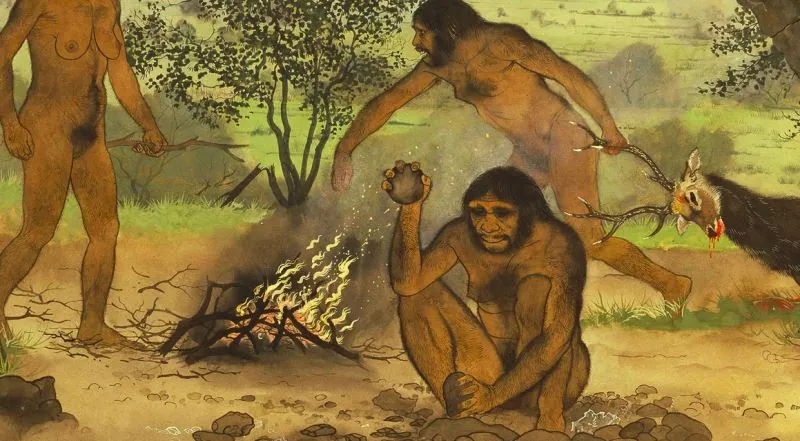
Then came fire. The earliest strong evidence of controlled fire use by Homo erectus dates to the Lower Paleolithic, not the Middle Paleolithic as some accounts claim. Homo erectus learned to tame flames, and that changed the game entirely. Fire meant warmth against the cold, light against the dark, and protection from predators that prowled at night. More importantly, it meant cooking. Roasting meat and plants made food easier to chew and digest, and that freed up energy for the brain to grow. As brain capacity expanded, so did their craftsmanship. They began shaping bone into tools and stone into hand axes, implements that required planning and skill to produce.
Their bodies evolved alongside their tools. Some researchers hypothesize that endurance running and group hunting may have contributed to longer legs and taller stature, but this remains speculative. The physical changes themselves are well documented. Longer limbs meant longer strides, and longer strides meant they could chase down animals across open ground.
This was a species built to endure. They weathered the Ice Age, adapted to changing landscapes, and refined their survival strategies over countless generations. By the time they finally disappeared from the fossil record around 117,000 to 108,000 years ago, they had laid the groundwork for everything that came after them.
Cultural Practices and the Istanbul Connection
Some accounts paint a romantic picture of Homo erectus as artists and mourners, claiming they buried their dead in organized ceremonies and decorated cave walls with paintings during the Upper Paleolithic. But the fossil record tells a different story. Homo erectus vanished from the scene roughly 117,000 to 108,000 years ago, well before the Upper Paleolithic period when those cultural behaviors actually emerged among later hominins. No credible evidence links systematic burial or cave art to this species, and the same goes for the reported ornaments supposedly crafted from bone, stone, fish and animal bones, and teeth. Those personal adornments belong to a much later chapter of human prehistory.
What Homo erectus did leave behind in Turkey is far more tangible. Yarımburgaz Cave, sitting in Başakşehir on the European side of Istanbul, has yielded Lower Paleolithic stone tools and faunal remains that researchers connect to this ancient species, though no definitive fossils have been confirmed. The cave occupies a special spot in the story of human migration. Many archaeologists consider it a key corridor for Homo erectus as they moved from Asia into Europe, a stepping stone on one of the great journeys of early prehistory.
The cave's scientific value, however, took a brutal hit in the 1980s. Turkish filmmakers, scouting locations for a movie shoot, decided the cavern would make a dramatic backdrop. They used dynamite to reshape the space, and in the process destroyed significant portions of the archaeological deposits. The irony stings. A species that managed to survive for nearly two million years, crossing continents and outlasting ice ages, had part of its Turkish legacy erased by a film crew with explosives.
The Ancestor Debate
If you trace your family tree back far enough, you will eventually bump into Homo erectus. Most scientists agree that this ancient species, which emerged around 2 million years ago, is highly likely the ancestor of modern humans, Homo sapiens. The line between them, however, is anything but straight.
Over its extraordinarily long run on Earth, Homo erectus did not stay in one form. It branched out into a remarkable array of geographic variants across different continents and climates. The list reads like a who's who of ancient human relatives: Neanderthals, Denisovans, Peking Man, Turkana Boy, Homo antecessor, H. heidelbergensis, Homo georgicus, Homo rhodesiensis, Homo bodoensis, Homo cepranensis, Homo naledi, and even the tiny Homo floresiensis.
Each of these groups adapted to its own corner of the world. Some developed larger brains, others shorter stature, and still others specialized hunting techniques. This diversity is exactly what makes the family tree so complicated to untangle.
The tricky part comes when researchers try to pinpoint which of these intermediate forms actually gave rise to us. Two candidates often come up in the debate: Homo heidelbergensis and Homo bodoensis. Both have strong claims, and both have passionate defenders in the scientific community. Yet neither has been crowned the definitive missing link.
Part of the challenge is that the fossil record remains incomplete. New discoveries have a habit of reshuffling the deck. A skull found in one region might force researchers to redraw the branches entirely. As the story goes, there may well be dozens of intermediate species still waiting to be unearthed, species that could settle the question once and for all.
What makes this debate so fascinating is that it touches on our own identity. Knowing exactly which branch led to us would answer a deeply human question: where do we come from? For now, the research continues, and each new fossil adds another piece to the puzzle. The journey from Homo erectus to Homo sapiens was long, winding, and full of surprising turns, and scientists are still mapping the route.
Frequently asked questions
Who was Homo erectus?
Homo erectus was an early human species that emerged around 2 million years ago and survived for more than 1.5 million years, making it the Homo species that survived the longest. It evolved from Homo habilis and is highly likely a direct ancestor of modern humans, Homo sapiens. Think about that for a second. Two million years is an almost impossible stretch of time for any species to keep going. Yet Homo erectus managed it, outlasting every other hominin that came before or after. This was the species that took the torch from Homo habilis and carried it through ice ages, shifting landscapes, and countless environmental challenges. When you look at the fossil record, you see a creature that was clearly doing something right.
How did Homo erectus use fire?
Homo erectus is often credited with being the first human species to consciously control and use fire, though evidence points to the Lower Paleolithic period rather than the Middle Paleolithic as some accounts claim. Fire gave them warmth, protection from predators, and the ability to cook food, which likely contributed to brain growth and helped them survive the Ice Age. The timing of when our ancestors first tamed fire has sparked plenty of debate among researchers. What seems clear is that Homo erectus figured out how to keep flames alive and put them to work. Cooked meat meant more calories, more calories meant bigger brains, and bigger brains meant smarter toolmaking. During the Lower Paleolithic, they crafted simple stone tools for hunting and defense. As their brain capacity grew, they moved on to bone implements and stone hand axes. Some researchers hypothesize that endurance running and group hunting may have contributed to longer legs and taller stature, but this remains speculative.
Why is Yarımburgaz Cave important for Homo erectus?
Yarımburgaz Cave, located in the Başakşehir district of Istanbul, Turkey, is a significant archaeological site where Lower Paleolithic stone tools and faunal remains linked to Homo erectus have been discovered. It is considered one of the key routes Homo erectus took when migrating from Asia to Europe. The cave sits in a spot that would have been prime real estate for early humans moving between continents. Artifacts found there have helped researchers understand how Homo erectus spread westward. Unfortunately, the site suffered damage in the 1980s when Turkish filmmakers used dynamite during movie shoots, destroying parts of the archaeological deposits. It remains a painful reminder of how fragile our shared heritage can be.
When did Homo erectus go extinct?
Homo erectus is believed to have gone extinct between 117,000 and 108,000 years ago, based on the most recent known fossils found at Ngandong on the island of Java. During their long existence, they evolved into many geographic variants, some of which may have been ancestral to later hominins, sparking ongoing scientific debate. The extinction date is not just a random number. It tells us that Homo erectus was still walking the Earth relatively recently in evolutionary terms. The exact details of how they faded out remain unclear, but the timeline continues to sharpen with each new fossil discovery.
What is the relationship between Homo erectus and Homo sapiens?
It is highly likely that Homo erectus is the ancestor of Homo sapiens, though the exact lineage is still being worked out. Between the two species, there were many intermediate forms, such as Homo heidelbergensis and Homo bodoensis, and exactly which one is our direct ancestor remains a topic of active research. The family tree gets messy the closer you look. Homo erectus branched into many geographic variants over their long reign, some of which may include forms ancestral to Neanderthals and Denisovans, though the exact relationships are debated. Somewhere in that tangle of branches lies the direct line to us, and researchers are still debating which path leads straight to modern humans. The question is far from settled, and that is exactly what makes paleoanthropology so exciting. Editorial note: Any facts which remain unconfirmed are presented as such, clearly hedged to reflect the current state of archaeological knowledge.
Got a take on this? Add your voice to the conversation below →
No comments yet. Be the first.