Fire-Resistant Trees: Real Wildfire Solution?
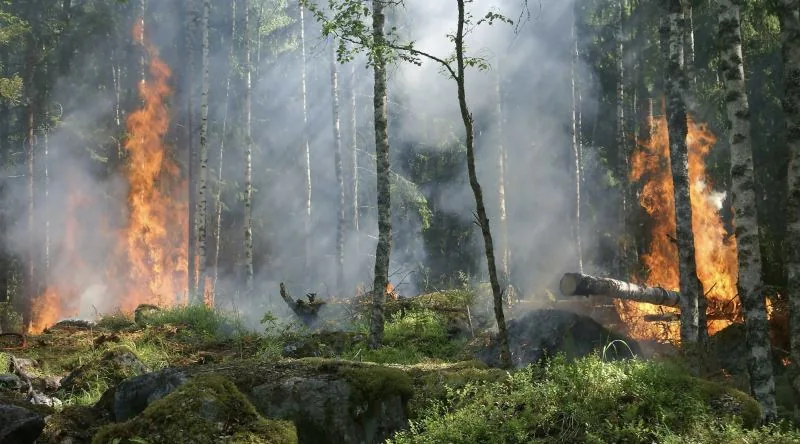
Planting fire-resistant trees alone will not stop wildfires, and in many cases it can harm the very forests it aims to protect. The real story is that a holistic approach, one that works with nature rather than against it, is the only path forward. It is a difficult truth for communities desperate for a simple fix after watching homes and livelihoods go up in smoke.
Fire-resistant trees are not a standalone solution to wildfires. Relying on them can disrupt natural fire cycles, reduce biodiversity, and give a false sense of security. Experts recommend a holistic strategy that includes forest thinning, controlled burns, and addressing human-caused ignitions to truly manage wildfire risk.
- Fire-resistant trees are species with high moisture content, thick bark, or deep roots that make them less likely to ignite.
- Natural fire cycles, which have occurred for millennia, are essential for many ecosystems to regenerate and thrive.
- Certain pine cones, such as those from the lodgepole pine, require intense heat to open and release their seeds.
- The vast majority of wildfires in the United States are caused by human activity, not natural lightning strikes.
- A holistic approach combines landscape management, community planning, and climate resilience strategies.
The Allure of Fire-Resistant Trees
Every summer, forest fires reduce thousands of hectares to ash. It is a familiar, almost seasonal dread, and in the face of it, the idea of planting fire-resistant trees feels like a breath of fresh air, a practical and simple solution to a recurring crisis. The logic is seductive: if some trees burn less easily, why not just fill our forests with them?
The appeal is easy to understand. You picture a hillside of sturdy, flame-resistant trunks standing firm while the world around them crackles. It sounds like a neat fix, the kind of thing you could put on a checklist and call the problem solved. But forests are not construction sites. These are living habitats, not buildings or roads, and the rules that apply to fireproofing a house simply do not translate to an ecosystem. A forest is a delicate web of biodiversity and natural balance, and swapping out its native species for tougher ones can set off ripples that are hard to predict.
Here is the thing though: the story is more complicated than it looks. Many creatures have adapted to live alongside the specific trees that already grow in a region. Introduce a new, fire-resistant species, and you risk throwing that balance off in ways that go far beyond the flames. It is a reminder that the most intuitive solutions are not always the most natural ones.
Forests Are Not Construction Sites
Forest fires burn thousands of hectares every summer, and the urge to fix things fast is understandable. But here is the catch: a forest is not a building, a road, or a plot of land waiting for development. It is a living habitat, and solutions that work for construction projects simply do not translate.
Think about what happens when you treat nature like infrastructure. You pick a material that resists fire, you plant it everywhere, and you call it a day. Except forests do not work that way. They are delicate ecosystems where every species, from the smallest insect to the tallest tree, depends on the others. Planting only fire-resistant trees can cause significant imbalances in the ecosystem, because countless creatures have adapted to live alongside the native species already growing there. Swap those out, and you disrupt the whole web of life.
Interestingly, some species have their own relationship with fire. Pine trees, for instance, are adapted to fire to a certain extent. Their cones often require high heat to open, which means the flames themselves help scatter seeds across the forest floor. In this sense, fire is part of the natural regeneration process for pine forests. The heat cracks the cones, the seeds fall on freshly cleared ground, and new growth begins. It is a cycle that has been running for thousands of years.
So when we talk about fire-resistant trees as a simple fix, we are missing the bigger picture. The real challenge is distinguishing between natural fire cycles and the fires caused by human carelessness, arson, or neglect. Those human-caused blazes break the cycle and destroy what nature would otherwise renew. A forest is not a construction site, and it never will be. It asks for a more thoughtful approach, one that respects the balance already in place.
Pines Are Born for Fire
Some trees didn't just survive fire. They evolved to need it. Pine trees, in particular, carry a secret that flips the whole "fire is the enemy" story on its head: their cones often refuse to open unless they feel intense heat.
Think about what that means for a moment. A jack pine or lodgepole pine cone can sit on a branch for years, sealed tight, waiting. Then a wildfire races through the forest, and the heat finally pries those scales apart. Seeds tumble onto freshly cleared ground, into ash that's rich with nutrients, with the competing underbrush gone. The fire didn't just kill the old stand. It cleared the nursery for the next one.
This is why ecologists talk about fire as part of the natural regeneration process for pine forests. Low to moderate burns reduce competition, expose mineral soil, and trigger that seed release. It's a cycle that has repeated itself across landscapes for millennia, and the trees built their entire reproductive strategy around it.
Now, a crucial caveat: not every pine cone behaves this way. Serotiny, the fancy term for heat-triggered cone opening, is a trait found in some species, not all of them. But across the pine family, you see a pattern of fire adaptation that's hard to ignore. Thick bark that shrugs off flames. Self-pruning branches that deny fire a ladder into the canopy. These are not accidents of evolution. They're survival blueprints.
So when we talk about fire-resistant trees, we're not talking about trees that somehow repel flames. We're talking about trees that have learned to dance with them, to turn a catastrophe into a beginning.
Natural Fire vs. Human-Caused Fire
Fire is not the enemy. That is the first thing to understand, and it might feel counterintuitive when you watch footage of hillsides going up in flames. But forests have burned for millions of years, and many ecosystems, particularly pine forests, have evolved alongside fire in ways that depend on it. The real problem is not fire itself. The real problem is the kind of fire we are dealing with, and more importantly, who or what started it.
Take pine trees, for example. Some species have adapted to fire in remarkable ways. Their cones require high heat to open, which means a blaze can actually trigger seed dispersal across a cleared forest floor. In this sense, fire is part of the natural regeneration process for pine forests. It clears out competition, exposes mineral soil, and lets new life take root. This is the natural fire cycle, and it has been running for millennia without any human intervention.
But then there is the other kind. Arson, negligence, careless behavior, a discarded cigarette, a forgotten campfire. These human-caused fires do not respect the natural rhythm. They burn too hot, too fast, and too often. They destroy forests before the ecosystem has a chance to recover, and they interrupt the renewal process that natural fires are supposed to trigger. When a forest burns because someone was careless, it is not regeneration. It is destruction, plain and simple.
This distinction matters more than you might think. When people talk about planting fire-resistant trees as a solution, they often forget that forests are not construction sites. They are living, breathing ecosystems where biodiversity and natural balance are fragile. Introducing fire-resistant species can cause significant imbalances, because countless creatures have adapted to live alongside the native trees of a region. A forest is not a building that can be retrofitted. It is a community, and every member of that community matters.
So before we talk about solutions, we need to separate the natural from the artificial. A lightning strike that sparks a controlled, low-severity fire is one thing. A wildfire that rages because someone was negligent is something else entirely. Understanding the difference is the first step toward actually solving the problem, rather than just reacting to it.
The Holistic Answer
Planting fire-resistant trees alone will not save our forests. A forest is not a construction site where you swap one material for another; it is a living community where every species depends on the others, and tinkering with just one part of that web can send shocks through the whole system.
Think about what happens when you introduce fire-resistant species into an area where they never naturally grew. The insects, birds, and fungi that evolved alongside the original trees suddenly lose their host. Nutrient cycles shift. Biodiversity takes a quiet hit that may not show up for years. This is why forest management has to look at the entire ecosystem, not just at which tree burns slowest.
Here is where things get interesting. Some trees, like pines, actually evolved alongside fire. Many pine species have thick bark and self-prune their lower branches, and certain pines produce serotinous cones that stay sealed until intense heat cracks them open, scattering seeds onto freshly cleared ground. In that sense, fire is part of the natural regeneration cycle for pine forests, a reset button that has been pressed for millennia.
The real problem is that we have blurred the line between natural fire and human-caused destruction. Arson, carelessness, and negligence produce fires that rage too hot and too often, overwhelming the very adaptations that make pines resilient. A natural fire cycle might clear underbrush and trigger seed release; a human-started blaze during a dry spell simply incinerates everything.
So the honest answer is that fire-resistant trees are one tool, not the whole toolbox. What we actually need is a holistic approach that respects the forest as a living system, understands the natural role of fire, and distinguishes that from the damage humans inflict. Only then can we begin to heal the landscape rather than just patch it.
Frequently asked questions
What are fire-resistant trees and how do they work?
Fire-resistant trees are species that have adapted to survive or slow down the spread of flames through features like thick bark, high moisture content in their leaves, and self-pruning lower branches. These traits help them withstand heat exposure better than other species. However, no tree is completely fireproof, and their resistance depends on fire intensity and duration.
Why isn't planting fire-resistant trees a complete solution?
Planting only fire-resistant species can disrupt the delicate balance of a forest ecosystem. Many animals and plants have evolved alongside the native tree species in a region, relying on them for food, shelter, and nutrients. Introducing different species, even ones that resist burning, can reduce biodiversity and alter the natural nutrient cycle in ways that harm the whole environment.
How do natural fire cycles help some forests regenerate?
Certain pine forests actually depend on fire for their renewal. When a natural fire moves through an area, it clears away competing undergrowth and exposes mineral soil, creating ideal conditions for new seedlings to take root. The heat from the blaze also triggers the release of seeds, making fire a built-in part of the forest's life cycle rather than an enemy to it.
What role do pine cones play in post-fire recovery?
Pine cones are the key to post-fire recovery for many pine species. The cones require high heat to open and release their seeds, which means a fire is the trigger that allows the next generation of trees to spread across the burned landscape. Without that intense warmth, the seeds stay locked inside, waiting for the natural signal that it is time to grow.
How do human-caused fires differ from natural wildfires?
Human-caused fires, whether from arson, negligence, or careless behavior, strike without the natural rhythm that forests have evolved to handle. These fires burn too intensely or at the wrong time of year, destroying the soil and preventing the natural regeneration process from happening. They interrupt the cycle that would otherwise allow the forest to heal itself and grow back stronger.
Got a take on this? Add your voice to the conversation below →
No comments yet. Be the first.