Vipeholm Experiments: Sweden's Secret Sugar Study
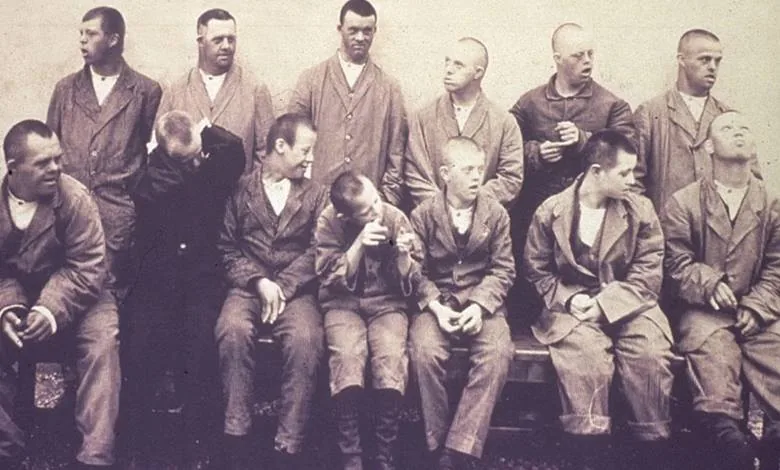
The Vipeholm experiments were a series of dental studies conducted at Vipeholm Hospital near Lund, Sweden, between 1945 and 1955, in which researchers fed large amounts of sugar to patients with intellectual disabilities to learn how diet causes tooth decay. The findings shaped modern dentistry and even helped create Sweden's Saturday candy tradition, yet the people who made that knowledge possible never agreed to take part. Many of them could not understand what was being done to them or why. Their teeth, and in some cases their health, paid the price for a discovery the rest of the world would benefit from.
Researchers wanted proof that sugar caused cavities, so they turned an institution into a laboratory. Patients were fed controlled sugar diets without ever being told they were in a study. The results confirmed the sugar link and shaped Sweden's Lördagsgodis custom, but the methods remain condemned.
- The Vipeholm dental caries study ran from 1945 to 1955 at Vipeholm Hospital, an institution near Lund, Sweden, for people with intellectual disabilities.
- Researchers fed patients controlled amounts of sugar, including sticky toffee and sweet bread, to measure how different forms and timing of sugar affected tooth decay.
- The study found that sticky, between-meal sugar caused the most cavities, while sugar eaten with meals was less harmful.
- The patients were institutionalized and unable to give informed consent, a fact that later drew heavy ethical criticism.
- The results helped shape dental health guidance and inspired Sweden's Saturday candy tradition, known as Lördagsgodis.
The Vipeholm Experiments: The Study That Fed Sugar to the Powerless
In 1945, at a hospital outside Lund in southern Sweden, dentists began handing out caramels to people who had no idea they were part of a scientific study. That study, known today as the Vipeholm experiments, ran until 1955 and became one of the most troubling chapters in the history of medical research.
Picture yourself as a dentist in the early 1940s. You are almost certain that sugar is wrecking teeth, but you cannot prove it. No one can. The cause of tooth decay was still genuinely unsettled in the early 20th century, and the role of diet, especially sugar, was murky at best. So how do you settle the question? You could wait for the answer to appear on its own in the general population. Or you could take a group of people, feed them a great deal of sugar, and watch what happens to their teeth.
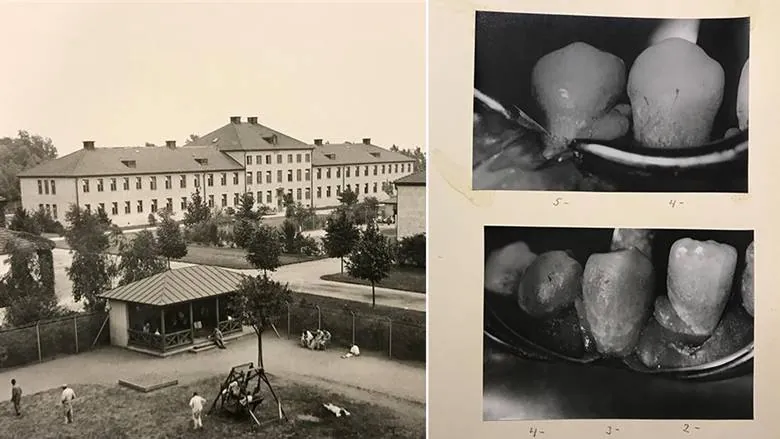
The researchers chose the second path. For a controlled study they needed subjects whose meals, snacks and daily routines could be dictated from above, and Vipeholm Hospital, a large institution just outside Lund, offered exactly that. Patients with intellectual disabilities were brought there from different parts of Sweden. None of them were told they were taking part in an experiment. They were told only that their teeth would be treated. Once they had settled into the wards, the feeding began.
The Swedish Medical Board directed the study, and the government paid for it. Chocolate and confectionery manufacturers also put money into the research. That combination of state authority and industry cash is part of why the Vipeholm experiments still draw attention decades later.
How Were the Vipeholm Experiments Designed?
The method behind the Vipeholm experiments had one central idea. Split the patients into groups, then change only when the sugar arrived. Some groups got caramel and sweets between meals, the sticky kind that clings to enamel long after the plate is cleared. Other groups received extra carbohydrates with their meals instead. Same sugar, different timing. Then the team sat back and compared how each eating pattern showed up in the mouth.
Between-meal sweets versus mealtime carbohydrates: the comparison was the whole point of the design.
One detail matters as much as the diet itself. The patients only began the experiment after they had settled into the environment. New arrivals were given time to adjust to hospital routine first, so that the sugar, and not the shock of a strange place, would be the thing being measured.
That setup is exactly why the study sits where it does in the history of dental research. It was controlled, deliberate, and it answered the question. It was also built on people who had no idea a question was being asked of them at all.
What Did the Vipeholm Study Prove About Sugar and Cavities?
The Vipeholm experiments settled a question dentists had argued over for decades: sugar really does cause tooth decay. The results were unambiguous, and they changed dental advice around the world.
The pattern mattered as much as the sugar itself. Patients who received caramel and sweets frequently between meals showed a rapid jump in cavities. Groups that got extra carbohydrates with their regular meals, or ate less sugar overall, showed no significant increase. Sticky forms of sugar that clung to the teeth did the most damage, because they kept feeding the bacteria on the enamel long after the meal ended. Frequency and texture, in other words, drove the decay more than sheer quantity.
Accounts of the study report a total of 2,125 cavities, many of them advanced by the time they were recorded, though this figure could not be independently verified. Treat it as reported rather than confirmed.
What the study proved, the sugar industry did not want to hear. Some accounts claim manufacturers were unhappy enough with the findings that the researchers had to hold back their report for a while, though that delay could not be confirmed. If it happened as described, it is itself part of the controversy that still surrounds the Vipeholm experiments.
None of that erases the science. The evidence linking frequent, sticky sugar to cavities was strong enough to reshape public health guidance, and it is why the study remains a landmark in dental research even as its methods remain condemned.
The Delayed Publication and the Ethics Storm
Word of the Vipeholm experiments reached the public in stages, and the timing itself became part of the scandal. Some accounts report a public announcement in 1953, though that date could not be confirmed. What is certain is that the main scientific report landed in Acta Odontologica Scandinavica in 1954. Between the announcement and the paper, questions started piling up.
Why had it taken so long? That was the first thing people wanted to know, and the answers never fully satisfied anyone.
The criticism that followed settled on two hard facts. Patients had been chosen because they were intellectually disabled, and many of them suffered serious dental damage during the study. Neither point could be waved away. The people in those wards had not been asked, had not been told, and had walked out of the experiment with mouths full of decay they never agreed to.
What made it worse was the paper trail. The Swedish Medical Board had directed the work, the government had funded it, and chocolate and confectionery manufacturers had put money behind it too. This was not a rogue operation run in a basement. It was sanctioned, financed, and documented from the top down.
The result is a study that sits in a strange place in the record. It produced real evidence about sugar and tooth decay, and it did so by feeding sugar to people who could not refuse. Both things are true at once, and the field has never quite reconciled them.
Vipeholm became one of the most ethically controversial studies in scientific history. Not because the data were wrong, but because of how the data were gathered. The reckoning that followed reshaped how researchers thought about consent, about vulnerable populations, and about who gets to decide what counts as acceptable risk.
How Did the Vipeholm Experiments Give Sweden 'Saturday Candy'?
Out of one of the darkest chapters in dental research came a phrase Swedish families still use today: lördagsgodis, or Saturday candy. The findings fed directly into Swedish public health guidance that urged families to limit sweets to one day a week. A study built on harm ended up shaping how a whole country eats.
The logic behind the guidance was simple, and it came straight from the wards. Researchers had watched what happened when sugar arrived in small amounts all day long versus in concentrated bursts, and the pattern was hard to miss. So the public health message flipped the daily habit on its head: instead of a steady drip of sweets through the week, save them for one designated day. Saturday became that day.
The custom took hold fast. Parents suddenly had a rule they could actually enforce, and children had something to look forward to at the end of the week. A bag of pick-and-mix on a Saturday afternoon became a small ritual, not a daily free-for-all. Families grew more conscious of how much sugar was moving through the house, and overall consumption dropped.
The irony is hard to ignore. A study that deliberately fed sugar to people who never consented is remembered in Sweden today for a piece of advice about eating less of it.

Frequently asked questions
What were the Vipeholm experiments?
The Vipeholm experiments were a series of dental studies carried out between 1945 and 1955 at Vipeholm Hospital in Lund, Sweden. Researchers fed sugar-rich diets to institutionalized patients to measure how sugar affected tooth decay, and the main findings were published in Acta Odontologica Scandinavica in 1954.
Why were they considered so unethical?
Patients were never told they were part of an experiment and were never asked for consent. They were only told their teeth would be treated. Because they were institutionalized people with intellectual disabilities, they could not refuse, and many ended up with serious dental damage.
What did the study prove about sugar and cavities?
It showed that sugar genuinely causes tooth decay, and that timing matters as much as quantity. Subjects given sugar frequently between meals, especially in sticky forms like caramel, saw cavities rise rapidly. Groups that consumed less sugar, or ate it mainly with meals, showed no significant increase.
Who were the patients?
They were people with intellectual disabilities brought to Vipeholm Hospital from across Sweden. The hospital, a large institution just outside Lund, was chosen because it housed a stable population that researchers could observe over years, which is exactly what made the study possible and what makes it so troubling.
How did it lead to Saturday candy?
The findings shaped Swedish public health guidance that limited sweets to one day a week, a custom known as lördagsgodis , or Saturday candy. The idea was to keep children from snacking on sugar throughout the week, and it spread widely enough that families became more conscious of overall sugar consumption.
Was the candy industry involved?
Yes. The Swedish Medical Board directed the study and the government funded it, but chocolate and confectionery manufacturers also gave financial support. Some accounts claim the industry was unhappy with the results and that researchers had to delay publishing their report, though that delay is not fully confirmed.
When were the results published?
The main report appeared in Acta Odontologica Scandinavica in 1954. Some accounts report a separate public announcement in 1953, but that date is not fully confirmed. The long gap before publication quickly drew questions, and the Vipeholm experiments stayed at the center of ethical debate for decades.
How many cavities were recorded?
Accounts of the study report a total of 2,125 cavities, many of them advanced. That figure is unverified, so it should be treated with caution. What is well documented is the pattern: frequent between-meal sugar drove decay sharply upward. Editorial note: Details that remain unconfirmed are presented here as such, and readers should treat any hedged point as open to further verification.
Got a take on this? Add your voice to the conversation below →
No comments yet. Be the first.