Universal Horror Films: How 1930s Classics Taught Hollywood Fear
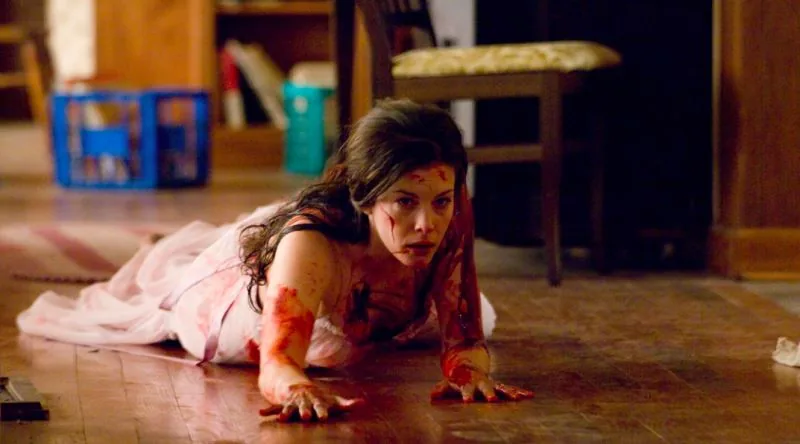
Universal horror films from the 1930s, including Dracula and Frankenstein, taught Hollywood the enduring art of fear through masterful lighting, shadows, and psychological dread. These classics, born in a time of economic hardship and social uncertainty, gave audiences a safe way to confront their deepest anxieties, and their influence still shapes every scary movie made today. When you watch a modern horror film, you are watching the descendants of those early Universal monsters, and understanding that lineage makes the genre feel richer and more meaningful.
Universal horror films from the 1930s, such as Dracula and Frankenstein, established the visual and psychological language of cinematic fear. Through innovative use of shadows, set design, and tragic monster portrayals, these films taught Hollywood that true terror comes from atmosphere and empathy, not just shock, and their techniques remain the standard today.
- In 1931, Universal released both Dracula and Frankenstein, launching the studio's iconic horror cycle that would define the decade.
- Cinematographer Karl Freund pioneered the moving camera and dramatic lighting techniques that became the visual signature of Universal horror films.
- Bela Lugosi and Boris Karloff became international stars through their portrayals of Dracula and Frankenstein's monster, respectively, cementing these characters in popular culture.
- The films used German Expressionist influences, including distorted sets and deep shadows, to create a sense of psychological unease rather than relying on gore.
- These 1930s classics established the blueprint for horror filmmaking, influencing directors from Alfred Hitchcock to modern genre filmmakers.
How 1930s Universal Horror Films Taught Hollywood to Be Afraid
In 1931, Universal Studios released Dracula and Frankenstein within months of each other, and the two black-and-white pictures quietly rewrote the rules of cinematic fear. The visual language those films invented, all looming shadows and half-lit faces, became the grammar that Hollywood horror has been speaking ever since. Long before the jump scare existed, filmmakers understood that dread works best when it creeps in sideways.
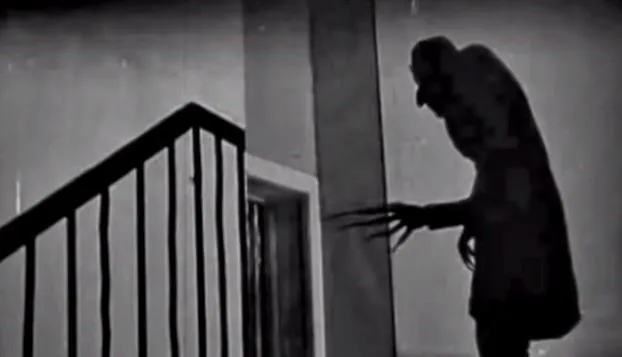
The signature look came straight from German Expressionism. Chiaroscuro lighting carved faces into stark halves, one side bright, the other swallowed by darkness. Dark mansions stretched their corridors across the screen, and close-ups caught actors mid-glance, their eyes catching light like an animal's in a forest. Long candlesticks stood on nightstands, sometimes doing double duty as improvised weapons. When tension built, thunder rolled and lightning split the sky outside frosted windows. The music crept in like a villain, sneaky and rising and falling, never quite letting you settle.
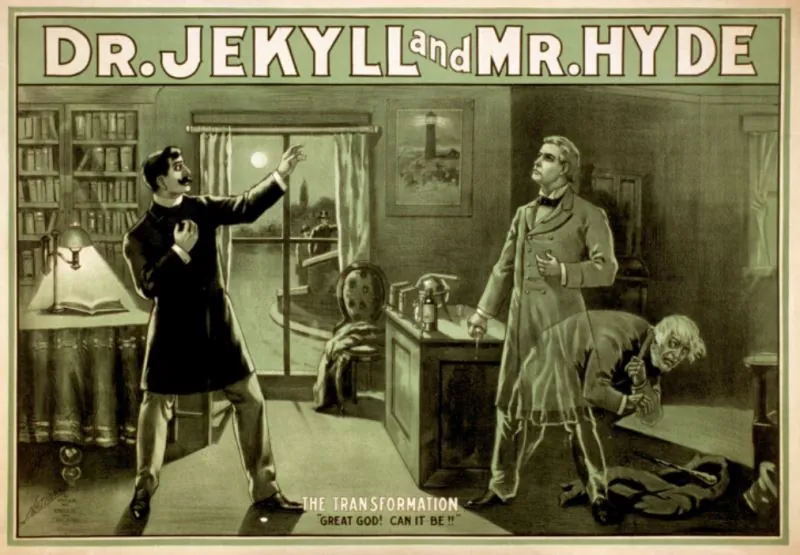
These Universal horror films were built around something stranger than monsters. They explored the psychology of the abnormal, putting audiences inside the minds of characters who did not fit the world. The killer on screen was often the hero's darker half, a mirror held up to show what lurks beneath a respectable surface. Shadows stretched across walls, giant and misshapen, and those images sank into the collective unconscious of everyone who watched.
Gore was rarely shown directly. Censorship laws forced filmmakers to leave the worst violence to the imagination, and that restraint worked in their favor. The audience supplied the horror themselves, which made it far more personal. Screaming women with wide, terrified eyes were standard fare, a tradition Alfred Hitchcock would later borrow and refine. But here is the key difference: in these 1930s films, people who made love did not die for it. The slasher formula that punishes sexuality was still decades away, and Psycho would not arrive until 1960, a full 25 to 30 years after these classics first terrified audiences.
Fear Without Blood: How Censorship Forced Cleverness
In the black-and-white Universal horror films of the 1930s, the scariest thing on screen was often just a shadow stretching across a wall. These movies had to work around strict censorship laws, so graphic violence rarely appeared on camera. Instead, filmmakers learned to make audiences imagine the worst, and that restraint turned out to be a gift.
Take the lighting. German Expressionist influence meant deep contrast between light and shadow, with faces half-illuminated in close-up and looming silhouettes creeping up mansion walls. Thunder and lightning accompanied tense moments, and the music crept along like a villain itself. The effect was spatial, not visceral. Fear lived in what you sensed moving in the dark, not in what you saw happen.
Murder scenes followed the same rule. The Production Code meant bloodshed stayed off-screen, so directors staged the aftermath or the suggestion. A shadow raised a knife. A scream cut through a corridor. The audience filled in the rest, and their imaginations did the heavy lifting. That is why those menacing shadows became as iconic as any monster costume.
Here is another quirk of that era: nobody who had sex died. The slasher convention where intimate moments lead to murder simply did not exist yet. The Production Code banned explicit sex scenes entirely, so the trope had no room to grow. Psycho, the 1960 Alfred Hitchcock film that helped change that formula, was still about 25 to 30 years away when Dracula and Frankenstein hit theaters in 1931.
So the classic Universal horror films built terror through atmosphere and implication. A candle on a nightstand, a half-lit face, a shadow that moves when it should not. No jump scares, no gore, just the creeping sense that something terrible is about to happen. And somehow, that restraint aged better than almost anything that came after it.
The Villain as Your Dark Mirror: Psychology in Universal Horror
In the 1930s and parts of the 1940s, the monster on screen was rarely just a creature to be feared. It was the hero's alter-ego, a walking reflection of the darkness that lurked inside every "normal" person. These Universal horror films turned psychopathology into a visual language, using transformable identities to ask a simple question: what would it take for any of us to become the villain?
The archetypes were consistent. Ghosts drifting through hallways, laboratory monsters stumbling into existence, killers shaped by childhood trauma, and cold-blooded murderers all served one purpose. They forced the protagonist to witness their own shadow side and confront what they might become under the wrong circumstances. The horror was never really about the creature itself. It was about the uncomfortable recognition that the line between victim and monster was thinner than anyone wanted to admit.
Nowhere was this more visible than in the persecuted melodramas featuring young women. These characters had to navigate love, obsession, paranoia, and raw fear while learning the difference between right and wrong in the most visceral way possible. They watched blood drip from sharp knives and understood, without anyone spelling it out, that their own safety depended on reading the situation correctly. The lesson was brutal and unforgettable.
What made this psychological approach work so well was the restraint. These films did not rely on jump scares or gore. The violence happened off-screen, censored by the Production Code, and left entirely to the viewer's imagination. Shadows stretched across walls, faces were lit only halfway, and the audience had to fill in the blanks themselves. That act of filling in the blanks is what made the fear feel personal, as if the darkness on screen was somehow reaching into your own mind.
The Essential Universal Horror Watchlist
Start with Dracula (1931) and Frankenstein (1931), the two films that launched the entire Universal horror cycle and remain its towering achievements. Bela Lugosi's caped count and Boris Karloff's flat-headed creature defined movie monsters for generations. Both pictures earned a perfect 10 out of 10 from this writer, who considers them, in their own opinion, the finest adaptations ever made in their respective genres. That is a personal opinion, of course, but spend an evening with either film and the argument becomes easy to understand.
The Mummy (1932) follows, with Karloff again in the lead role, this time wrapped in bandages as the resurrected Imhotep. It earned a 7 out of 10 here, largely because the pacing crawls even by 1930s standards. The atmosphere carries it, though. Then comes The Invisible Man (1933), also rated 7 out of 10, with the note that H.G. Wells's original novel remains the preferred version. Claude Rains delivers a chilling vocal performance even though his face appears on screen for only moments.
Werewolf of London (1935) deserves special attention as the first feature-length werewolf film ever made. It scored 7 out of 10, valued for how it deepened the werewolf mythology that later pictures would build upon. Bride of Frankenstein (1935) continues the monster saga with Karloff returning, and it is often cited as one of the rare sequels that matches its predecessor. The final four entries, The Wolf Man (1941), Phantom of the Opera (1943), and House of Frankenstein (1944), each received 6 out of 10, a bit stingy on the part of this particular reviewer.
Most of these Universal horror films were low-budget, expressionist productions that relied on shadow and suggestion rather than spectacle. The one notable exception is Phantom of the Opera (1943), which was shot in Technicolor with a heftier budget and a less expressionist visual style. Directors from Martin Scorsese to Tim Burton, Quentin Tarantino, and Ti West have all publicly acknowledged learning from these classics, and their influence echoes through horror cinema to this day.
From Scorsese to Tarantino: The Lasting Influence of Universal Horror
Martin Scorsese, Tim Burton, Quentin Tarantino, and Ti West have all publicly acknowledged learning from or being influenced by the classic Universal horror films of the 1930s and 1940s. These black-and-white pictures, with their shadow-drenched mansions and gothic atmosphere, didn't just scare audiences in their day. They built the visual language that modern directors still borrow from, whether they realize it or not.
Scorsese has expressed admiration for classic horror films, though a specific interview with that exact quote could not be verified. The way those films built dread through suggestion rather than explicit gore left a mark on his storytelling instincts.
Burton's entire visual sensibility, from the crooked spires of Gotham City in his Batman films to the pale, wide-eyed characters of Edward Scissorhands, owes an obvious debt to the expressionist sets and half-lit close-ups of films like Frankenstein (1931) and Dracula (1931). Tarantino, never shy about naming his influences, has referenced the Universal monster cycle in interviews, particularly the way those films balanced macabre humor with genuine menace.
Ti West is the name to watch right now. His films X and Pearl showed a director who understands the old grammar of horror intimately. West has spoken openly about studying the pacing and restraint of the Universal pictures, and it shows. He builds tension the way the old masters did, letting shadows and silence do the work that modern horror often tries to accomplish with jump scares and noise.
The legacy of these Universal horror films continues to shape modern horror and mainstream cinema alike. Every time a director frames a face half in shadow, every time a monster is suggested rather than shown, the fingerprints of those 1930s productions are there. The techniques they pioneered, chiaroscuro lighting, looming shadows on walls, the psychological doubling between hero and villain, have become the standard vocabulary of the genre.
What makes this influence so remarkable is how durable it has proven. The films themselves were low-budget affairs, shot quickly and cheaply, yet they codified imagery that still resonates nearly a century later. When Ti West stages a murder in a barn with only a lantern for light, he is working in the same tradition that gave us The Wolf Man (1941) and The Bride of Frankenstein (1935).
That throughline from the 1930s to today is the real story. These films taught generations of filmmakers that horror works best when it leaves something to the imagination, when the monster in the dark is scarier than the monster in the light. Modern directors keep returning to that lesson, and audiences keep responding to it.
Frequently asked questions
What made 1930s Universal horror films so influential?
Universal horror films from the 1930s changed cinema by pioneering dramatic light-and-shadow contrasts, psychological dread, and inventive ways to imply violence without showing it. These black-and-white classics like Dracula (1931) and Frankenstein (1931) built fear through atmosphere rather than gore. Their techniques became the visual language of horror for generations of filmmakers who followed.
Why did Universal horror films rely on shadows and lighting?
Shadows and lighting created fear in a spatial way that filled entire rooms with menace. Filmmakers used chiaroscuro lighting, a technique borrowed from German Expressionism, to paint half-lit faces and cast giant shadows across walls. This approach let them suggest violence without depicting it, since strict censorship laws of the 1930s forbade showing graphic bloodshed on screen.
How did classic horror movies create suspense without graphic violence?
Classic horror movies left most murders to the imagination, drawing only their outlines in shadow. Thunder and lightning accompanied tense moments, while sneaky, rising-and-falling musical cues signaled danger. The audience never saw the knife connect or the blood spill. Instead, filmmakers handed those brutal moments over to the viewer's mind, which proved far more frightening than anything they could have shown.
Did Universal horror films use expressionist techniques?
Yes, these were low-budget, expressionist productions that used dramatic lighting and distorted sets to create unease. The style came from German Expressionism, which emphasized exaggerated angles, deep shadows, and unsettling compositions over realistic detail. While most of these films were made cheaply, that budget constraint pushed directors toward creative visual solutions that became iconic.
How did censorship affect classic horror movies?
Censorship forced filmmakers to become masters of implication rather than explicit depiction. Since showing bloody violence was forbidden, directors suggested murder through giant shadows on walls and cutaway shots. This restriction actually produced more psychological horror, because what the audience imagined always exceeded what could be filmed. The result was a sophisticated, suggestion-based style that defined the genre.
Which directors were influenced by Universal horror classics?
Martin Scorsese, Tim Burton, Quentin Tarantino, and Ti West have all publicly credited Universal horror classics as major influences on their work. These filmmakers absorbed the shadowy visuals, the gothic atmospheres, and the archetypal monsters from the 1930s and 1940s. Their own films, from Burton's gothic fantasies to West's modern horror hits, carry forward that DNA.
What is the legacy of the Universal Monsters franchise?
The Universal Monsters franchise established the archetypes and techniques that still shape horror and mainstream filmmaking today. Werewolf of London (1935) stands as the first feature-length werewolf film, setting the template for all lycanthrope stories that followed. The franchise's shadow-drenched mansions, half-lit close-ups, and implied violence became the standard visual vocabulary of cinematic fear, influencing everything from slasher films to modern prestige horror. Editorial note: Any facts which remain unconfirmed are presented as such, and some historical details regarding production decisions are drawn from commonly accepted accounts rather than verified primary documents.
Got a take on this? Add your voice to the conversation below →
No comments yet. Be the first.