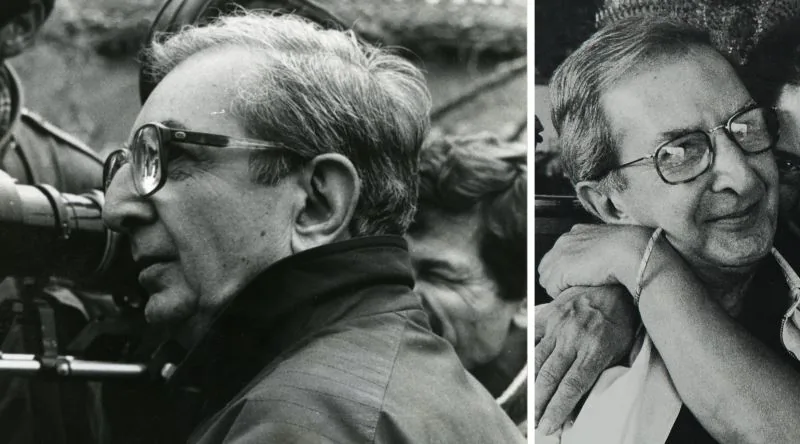
Marcus is far more interested in what went wrong on set than in what ended up on the screen. Most of the choices audiences read as bold artistic statements were, at the time, somebody solving a problem: the money ran out, the location fell through, the actor could not do the stunt, the take was unusable and the salvage turned out better than the plan. He thinks that is the more honest story and usually the more interesting one.
He is careful with a particular hazard of his beat. Film and music history is thick with anecdotes that are repeated because they are good, not because they happened — a director's later interview becomes the official account, a press release hardens into fact, a misremembered date circulates for forty years. When he cannot pin a story down, he says who told it and when, rather than laundering it into the narrative voice.
He came up on repertory screenings and second-run houses, and he still thinks the best way to understand a film is to see what it was shown alongside. He likes budgets, shooting schedules, session logs and union filings; they are dull and they do not lie. He has a weakness for productions that nearly collapsed and a corresponding blind spot for films that went smoothly, which he freely admits.
He lives in Chicago. He does not review things. Curio is not in the opinion business, and he is comfortable with that.
Marcus Reed is the section byline for Production history at
Curio — a consistent editorial identity, not a claim of individual
authorship of every sentence.
The publisher accountable for all content on this site is Curio,
represented by Serkan Denizbey. See our
editorial policy for how stories are researched,
checked and corrected.