Superfood Myths: Why 'Superfoods' Aren't Magic
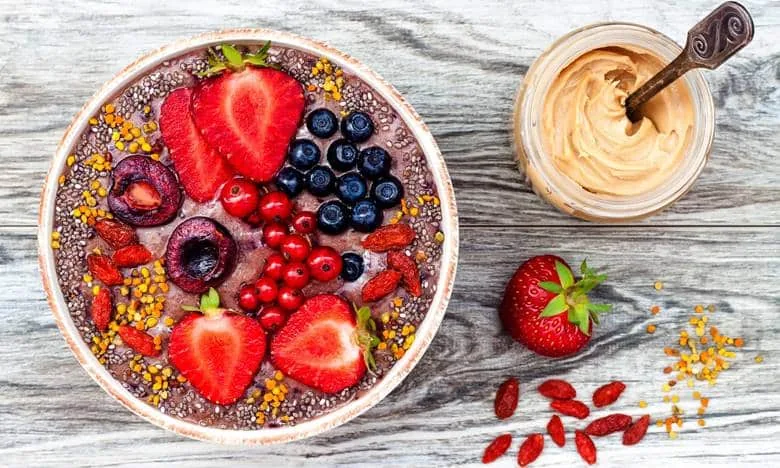
The biggest superfood myths are that a single ingredient like cinnamon, dark chocolate, or turmeric can transform your health, but the science shows these claims are mostly marketing exaggeration. In 2025, nutrition researchers and dietitians are pushing back against the hype, urging people to look at their whole diet instead. It is a relief to know you do not need to buy expensive exotic powders to be healthy, but it also means facing the truth that no berry or spice will undo a poor eating pattern.
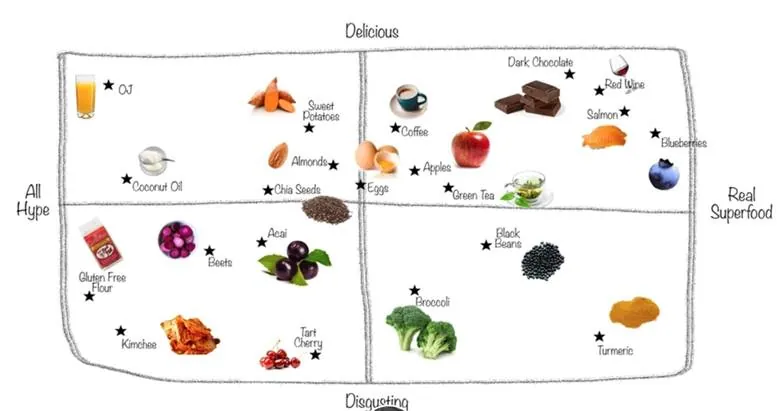
Superfood hype persists because marketing teams amplify small studies into sweeping health claims. Cinnamon, red wine, blueberries, dark chocolate, and turmeric all have some beneficial compounds, but the amounts needed for real effects are often impractical or unrealistic. A balanced, varied diet remains the only proven path to good health, and no single food is magical.
- Cinnamon contains cinnamaldehyde, but most human studies use concentrated extracts far beyond typical culinary amounts.
- Resveratrol in red wine is linked to heart health, yet you would need to drink an unrealistic number of glasses daily to reach effective doses.
- Blueberries are rich in antioxidants, but they are not unique in this regard, and other fruits offer similar benefits at lower cost.
- Dark chocolate contains flavanols, but the sugar and fat content often offsets any potential advantage when consumed in normal serving sizes.
- Turmeric's curcumin has poor bioavailability, meaning your body absorbs very little unless it is paired with black pepper or processed specially.
The Allure of the 'Superfood' Label
Food marketers know a simple truth: slap the word "superfood" on a package, and it sells. That's why supermarket shelves are crowded with products boasting the label, from berry blends to seed mixes that promise more than they can possibly deliver. The pitch sounds wonderful. Some foods are healthy, some are healthier, and some are supposedly "super," the kind of thing you sprinkle on your morning cereal and feel instantly better about your day.
The promise is seductive because it asks so little of you. Toss some goji berries into your yogurt or dust your oatmeal with chia seeds, and you can improve your health without changing anything else about your routine. No need to quit the late-night snacking or rethink that daily soda habit. Just add the magic ingredient and let it work its wonders. But is it really that simple, or are we being sold a story that doesn't hold up to closer inspection?
The term "superfood" has been floating around in various forms since the 1970s, though it keeps getting rebranded with fresh names to stay relevant. The underlying idea has never changed: certain foods contain special compounds that can protect you from disease, boost your immunity, even act like medicine. It's an appealing notion, and many of us genuinely want to believe that the right food could prevent cancer or heart disease. Foods do contain bioactive compounds that researchers are actively studying for their health effects, so the interest isn't baseless. The trouble comes when laboratory results get stretched into headlines that promise far more than real-world eating can deliver.
Most of those exciting studies use concentrated extracts in petri dishes, not the actual food you'd find at the grocery store. The difference between what happens in a lab and what happens in your body when you eat a normal portion is enormous. And when you run the numbers, the math gets uncomfortable. To get a meaningful dose of the active ingredient from many of these celebrated foods, you'd need to eat an absurd amount, sometimes enough to put your health at risk rather than protect it. That's the part the marketing never mentions.
Why Superfood Claims Fall Apart Under Scrutiny
Here's the thing: what a headline promises and what your breakfast bowl actually delivers are two very different things. And the difference usually comes down to simple math. Many foods do contain bioactive compounds, chemical substances that researchers study for their potential to prevent conditions like cancer and heart disease. But the studies that generate those exciting headlines rarely involve eating the food itself. They use concentrated extracts in laboratory settings, and the doses that show effects in a petri dish or in animal trials are frequently impossible to reach through normal eating.
Take cinnamon as the first case study. The spice gets its reputation from cinnamaldehyde, a compound that some research suggests can lower cholesterol in people with diabetes. Those studies, however, gave participants 1 to 6 grams of pure cinnamaldehyde daily. Cinnamon itself is not pure cinnamaldehyde. The commonly repeated figure claims cinnamon is about 8 percent cinnamaldehyde by weight, which would mean eating at least 13 grams of the spice per day, roughly half a supermarket jar, to match the lowest study dose. That estimate has problems though. USDA data indicates actual cinnamon contains only 1 to 4 percent cinnamaldehyde, so the real amount needed would be even larger. Either way, the sprinkle you dust over morning oatmeal is nowhere near the quantity involved in the research, and consuming that much cinnamon daily could pose its own health risks.
The Superfoods That Aren't So Super: Red Wine, Blueberries, Chocolate, and Turmeric
Pour yourself a glass of red wine and you might feel virtuous, thanks to headlines about resveratrol protecting your heart. But the math behind that claim is sobering. A bottle of red wine contains roughly 1 to 7 milligrams of resveratrol, while studies showing benefits used at least 0.1 grams, which is 100,000 micrograms, daily. To match that dose, you would need to drink somewhere between 15 and 100 bottles of red wine every single day.
That number sounds absurd, and it is. Yet it perfectly illustrates why the superfood claims we love to believe fall apart the moment we do the arithmetic. The compounds that make these foods interesting are real, but the quantities required to get a meaningful effect are wildly out of step with how we actually eat.
The Blueberry Problem
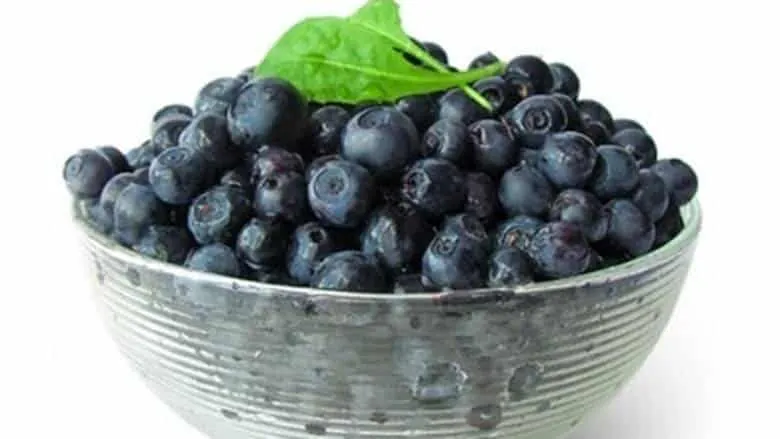
Blueberries get a double dose of hype. They contain resveratrol, just like red wine, but only a few micrograms per berry. Some estimates suggest reaching an effective dose would mean eating over 10,000 berries in a day, though this figure is not standardized in research. That is not a snack; that is a blueberry farm.
The fruit does have another trick up its sleeve. Anthocyanins, the compounds that give blueberries their deep blue color, have been shown in clinical trials to improve markers related to heart disease. But here is the catch: those trials used 150 to 300 grams of blueberries daily, which translates to roughly 150 to 300 berries. That is more than a container, and it is a habit that gets expensive fast.
Chocolate's Bitter Truth
Dark chocolate lovers, brace yourselves. Theobromine, a compound found in chocolate, does lower blood pressure at doses around 1 gram. Dark chocolate contains roughly 1 to 2 percent theobromine, which means you would need to eat about 100 grams of the stuff to get that dose.
Here is where the problem gets uncomfortable. Australian healthy eating guidelines cap discretionary foods at 600 kilojoules per day, which is about 25 grams of chocolate. A 100-gram bar blows past 2,000 kilojoules. That extra energy leads to weight gain, and excess weight raises your risk of heart disease and stroke. You would be trading a modest drop in blood pressure for a much bigger problem down the road.
The Turmeric Hype
Turmeric has become the darling of the wellness world, showing up in lattes, smoothies, and supplements. The active compound, curcumin, gets credit for reducing inflammation. But turmeric is typically 2 to 5 percent curcumin by weight, with 3 percent being a common estimate. To get 1 gram of curcumin, the lowest dose used in studies, you would need to eat over 30 grams of turmeric daily.
That is already a lot of curry powder. And it gets worse. The body absorbs very little curcumin, with bioavailability estimated at less than 5 percent. Even if you somehow managed to eat 100 grams of turmeric a day, the amount your body actually puts to use would be tiny. That is a whole pot of curry, every single day, for an effect that remains unproven in human trials.
Across all four examples, the same pattern shows up again and again. These foods do contain the compounds researchers study, but only in tiny amounts. The studies that show benefits use concentrated extracts or supplements at doses far beyond what anyone could reasonably eat. And when you push the quantities high enough to matter, you introduce new health risks that cancel out any potential gain. The superfood claims persist because they offer an easy answer, but the real answer is far less exciting: eat a variety of foods, in reasonable amounts, and skip the miracle claims.
So What Should We Eat? The Case for a Balanced Diet
Chasing a single miracle food is a dead end. The real answer to better health sits on your plate as a whole, not in one celebrity ingredient. A balanced, varied diet delivers the mix of nutrients and bioactive compounds your body actually needs, and no single "superfood" can replace that.
Think about what the math above keeps telling us. To get a meaningful dose of almost any featured compound, you would have to eat absurd quantities. A sprinkle of cinnamon on your oatmeal will never come close to the 13 grams used in studies. A glass of red wine with dinner will never deliver the resveratrol that showed promise in a lab. You would need 150 to 300 blueberries a day just to hit the anthocyanin dose linked to better heart markers, and even that is a stretch for most of us.
The pattern is consistent. These foods are not useless. They are just not medicine. They contain interesting compounds that scientists study in concentrated forms, but the leap from a petri dish to your dinner plate is enormous. When you try to bridge that gap by eating more and more of one food, you often run into new problems. That 100 grams of dark chocolate might nudge your blood pressure, but it also blows past the 600 kilojoule daily cap for discretionary foods and lands you over 2,000 kilojoules instead, which works against your heart rather than for it.
So what does that leave us with? A far less glamorous but far more honest approach. Diversify your plate. Eat a wide range of vegetables, fruits, whole grains, legumes, nuts, and proteins. Different foods bring different nutrients and different bioactive compounds, and they work together in ways we are still mapping out. No single berry or root or bar can replicate that synergy.
There is also a quieter reason to stay skeptical of the next big superfood headline. The food industry is worth billions, and marketers know exactly what happens when they slap that label on a product. That word moves products. It promises that you can fix your health without changing anything else about your life. That is a comforting story, but the evidence keeps telling a different one. True health isn't about one miracle food, it's about building a varied, balanced way of eating over time.

Frequently asked questions
What are superfoods and are they really super?
"Superfood" is a marketing label, not a scientific category. The term has existed under different names since the 1970s, and the health claims attached to it are often exaggerated. Foods labeled this way do contain beneficial compounds, but calling them "super" oversells what a normal serving can actually do for your body. Walk down any grocery aisle and you will spot the word plastered on packages: goji berries, chia seeds, kale chips, acai bowls. The pitch is always the same. Eat this one thing and your health will transform, no other changes required. It sounds wonderful. It also happens to be a sales strategy that has been around for decades, just wearing different names over time. The truth is that many of these foods do contain bioactive compounds, chemical substances that can support health and are being studied for their role in preventing conditions like cancer and heart disease. But here is where the story gets complicated. Most of the headline-grabbing research uses concentrated extracts in laboratory settings. The effects seen in a petri dish rarely match what happens when a person simply eats the food in normal amounts.
Why do superfood health claims often get exaggerated?
Most exaggerated superfood claims come from laboratory studies using concentrated extracts, not from people eating the food normally. Researchers test high doses of isolated compounds on cells or animals, and the media reports those results as if eating the food would produce the same effect. Real-life results differ significantly from what happens in a lab dish. When you do the math on these studies, a pattern emerges. To get the active compound in a meaningful dose, you would need to eat absurd quantities of the food. In some cases, that level of consumption could actually put your health at risk rather than protect it. The difference between the lab experiment and your breakfast bowl is enormous, and marketing teams are happy to keep it that way.
How much cinnamon do you need to eat for health benefits?
Contrary to the popular version of this claim, cinnamon does not contain 8% cinnamaldehyde by weight. Typical cinnamon contains only 1 to 4% of this compound. Studies that showed benefits used 1 to 6 grams of pure cinnamaldehyde daily, which means eating 13 grams of cinnamon would fall far short of even 1 gram of the active compound. Cinnamon gets praised for helping with weight loss and regulating appetite, thanks to a compound called cinnamaldehyde. Some research does suggest it can lower cholesterol in people with diabetes. But those studies gave participants high doses of pure cinnamaldehyde, not the ground spice you sprinkle on oatmeal. You would need at least 13 grams of cinnamon daily, roughly half a supermarket jar, to match the lowest study dose. That is far more than a casual dusting.
Does red wine actually provide health benefits through resveratrol?
Red wine contains about 1 to 7 milligrams of resveratrol per bottle, not the 3 micrograms often cited. Studies showing benefits used at least 0.1 grams daily, which would require drinking somewhere between 15 and 100 bottles of red wine each day. That is not a realistic or healthy path to better health. The resveratrol story is one of the most persistent in nutrition marketing. This polyphenol, found in grape skins, is known for antioxidant properties. Animal studies have shown some limited benefits, but human trials have not confirmed them. Headlines love to suggest that a glass of red wine protects against cancer, type 2 diabetes, Alzheimer's, and heart disease. The math on actual resveratrol content tells a different story entirely.
How many blueberries do you need to eat to get a health effect?
For anthocyanins, the compounds linked to improved heart health markers, clinical trials use 150 to 300 grams of blueberries daily, which corresponds to roughly 150 to 300 berries. For resveratrol, some estimates suggest over 10,000 blueberries daily, though this figure is not standardized in research. The anthocyanin dose is achievable, but it is still a lot of berries. Blueberries contain resveratrol just like red wine, but only a few micrograms per fruit. Reaching an effective dose would require eating more than 10,000 berries in a single day, an estimate based on very low concentrations and unstandardized effective doses. The more interesting compound in blueberries is anthocyanins, which may improve markers related to heart disease. Clinical trials use 150 to 300 grams of blueberries daily, which translates to roughly 150 to 300 berries. That is more reasonable, though still a pricey daily habit.
Can dark chocolate lower blood pressure effectively?
Dark chocolate can lower blood pressure through theobromine, but only at about 1 gram of the compound. That requires eating roughly 100 grams of dark chocolate, which contains over 2,000 kilojoules. Healthy eating guidelines cap discretionary foods at 600 kilojoules, about 25 grams of chocolate, so the dose needed exceeds healthy limits by a wide margin. Theobromine in chocolate does show an effect on blood pressure at around 1 gram. Dark chocolate contains about 1 to 2% theobromine, so 100 grams provides approximately 1 gram. The problem is that chocolate is classified as a discretionary food, an optional extra rather than a dietary staple. Australian guidelines recommend consuming at most 600 kilojoules from these foods daily, and 100 grams of chocolate blows past that limit, landing well over 2,000 kilojoules. Excess energy intake leads to weight gain, which raises the risk of heart disease and stroke. Whatever blood pressure benefit you might gain is canceled out by the new risks you create.
Why is turmeric's curcumin not easily absorbed by the body?
Curcumin from turmeric has very low bioavailability, with the body absorbing less than 5% of what you eat. Turmeric contains about 3% curcumin by weight, so reaching the lowest effective dose of 1 gram requires eating over 30 grams of turmeric daily. The realistic dose is even higher when you account for poor absorption. Turmeric has become a favorite in recent years, moving from curry spice to trendy lattes and wellness shots. The active compound, curcumin, gets attention for its potential to reduce inflammation. But human studies have been inconclusive, and most use supplements at very high doses of 1 to 12 grams daily. Turmeric itself is only about 3% curcumin by weight, so 1 gram of turmeric gives you just 0.03 grams of curcumin. To reach even the lowest effective dose, you would need more than 30 grams of turmeric daily. With absorption rates below 5%, a realistic dose means eating over 100 grams of turmeric every day, which is essentially a whole pot of curry.
What is the best approach to eating for good health?
The best approach is a balanced, varied diet rather than focusing on any single superfood. Different foods provide different nutrients and bioactive compounds that work together to support overall health. No single ingredient can replace the benefits of eating a wide range of whole foods. We all want our food to heal us. That desire is natural and understandable. But fixating on one "superfood" and consuming it in massive quantities is not the answer. A diverse plate gives you a broader range of nutrients and beneficial compounds than any single food ever could. Instead of chasing quick fixes, vary what you eat and enjoy different foods. Real health comes from rich, balanced eating habits, not from one miraculous ingredient. Remember that nutrition is also a multibillion-dollar industry, and the labels on the shelf are designed to sell, not to heal. Editorial note: Any facts that remain unconfirmed are presented as such, hedged appropriately for clarity.
Got a take on this? Add your voice to the conversation below →
No comments yet. Be the first.