Perfect Days Review: Wim Wenders' Tokyo Ode to Komorebi
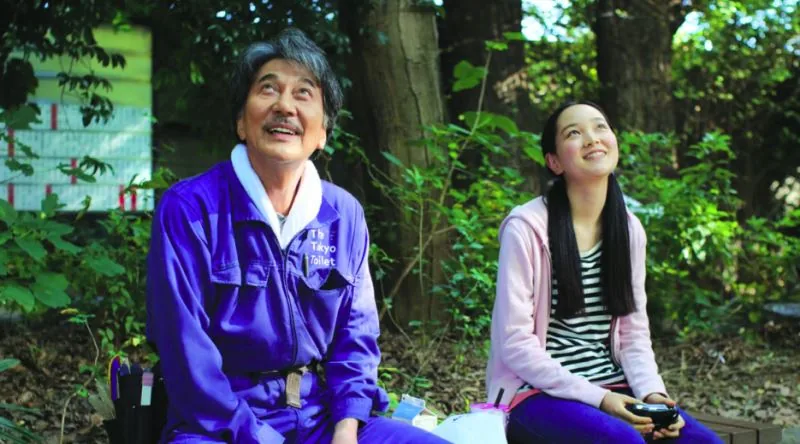
This Perfect Days movie review explores Wim Wenders' 2023 Tokyo-set masterpiece, following Hirayama, a public toilet cleaner whose quiet routine reveals the profound beauty of komorebi, the Japanese concept of sunlight filtering through leaves. It is a film that finds extraordinary depth in ordinary moments, and it will gently rearrange how you see your own daily life. Wenders, alongside co-writer Takuma Takasaki, crafts a character study that feels less like a story and more like a meditation, one that lingers in your mind long after the credits roll. The performance by Koji Yakusho, widely praised at Cannes, is a masterclass in restrained, soulful acting.
Wim Wenders' Perfect Days is a 2023 drama about Hirayama, a Tokyo toilet cleaner who finds contentment in his structured daily life. The film follows his simple routine, his love of music and photography, and his quiet interactions with others, ultimately celebrating the art of living in the present moment.
- The film is set in Tokyo, Japan, and was released in 2023 after premiering at the Cannes Film Festival.
- Koji Yakusho stars as Hirayama, a middle-aged man who cleans public toilets in the Shibuya district.
- The movie earned an Oscar nomination for Best International Feature Film at the 96th Academy Awards in 2024.
- Hirayama's daily routine includes listening to cassette tapes, reading books, and photographing trees to capture komorebi.
- The film's narrative unfolds through observational scenes rather than a traditional plot-driven structure.
Meet Hirayama, the Man Who Cleans Tokyo's Toilets
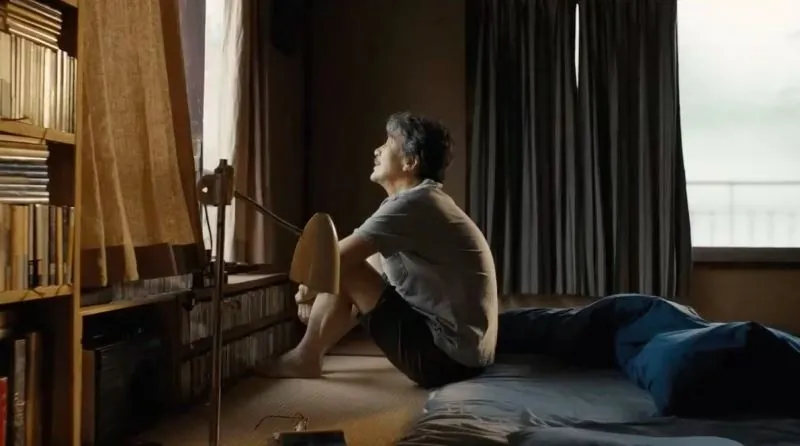
Perfect Days is a 2023 Japanese drama directed by Wim Wenders and co-written with Takuma Takasaki, and it earned a nomination for Best International Feature Film at the 96th Academy Awards. The story follows Hirayama, a public toilet cleaner in Tokyo's Shibuya district whose life runs on quiet, repeating rituals. He wakes, works, listens to music, reads before bed, and tends his plants with the same gentle care every single day.
There is something almost radical about how little Hirayama needs. He takes visible pride in scrubbing the same public restrooms and checking that every corner shines. He rarely speaks to anyone, and when he does, it is often a grunt or a single-word answer. His coworkers find him odd. The world around him buzzes with noise and distraction, and he simply moves through it at his own pace.
His off-hours belong to small pleasures. He slides cassette tapes into an old player and lets music fill his small apartment. He reads before switching off the light. He tends his plants and watches them grow. None of this is dramatic. That is precisely the point. The film trusts that watching a man live carefully, day after day, is enough to hold our attention.
Hirayama does not seem lonely, even though he is almost always alone. He looks up at the same tree, and watches sunlight filter through the leaves. He pulls out an old camera and photographs that light. It looks pointless from the outside. For him, it is everything.
When the Perfect Routine Starts to Crack
By the time the second half of Perfect Days rolls around, the quiet rhythm Hirayama has built for himself starts to wobble, and the cracks are small at first, almost easy to miss. The 2023 Japanese drama directed by Wim Wenders has spent its first hour showing us a man who cleans public toilets in Tokyo's Shibuya district with something close to reverence, who snaps photos of the same tree and reads paperback novels. He rarely speaks to anyone, and when he does, it is often a grunt or a single-word answer. Then, gently, the film begins to pull that rug.
The first disruption arrives in the form of a stranger. A man Hirayama has never met uses one of the toilets he maintains, and somehow, through a note left behind, they end up playing a game across the days. It's a tiny, wordless game, but it breaks the seal of his isolation. Then comes his coworker's flirt, a woman who starts asking Hirayama about the cassette tapes he plays, and suddenly he's talking about music, about things he usually keeps locked away. The third crack is the deepest one. His niece shows up out of nowhere, and with her arrival, the past he has never once mentioned comes flooding back into frame.
What makes these moments land so hard is that the film never explains Hirayama's history. We don't learn why he left his family or why he chose this life, and that ambiguity is the point. The movie wants us to sit with him in the present, not in the backstory. But it also refuses to pretend that simply being alive, just existing, is enough to dissolve every problem. The beauty of the film, and the thing that separates it from a simpler "everything will be fine" philosophy, is that it holds both truths at once. Existing is beautiful. Existing is also complicated. Hirayama's routines don't save him from the ache of his niece showing up, and they don't erase the questions her presence raises. They just give him a place to stand while he feels it all.
Komorebi and the Art of Not Running Away
There's a quiet moment in Wim Wenders' 2023 Japanese drama Perfect Days that reveals the whole philosophy of the film, and it has nothing to do with grand speeches or dramatic climaxes. It happens every single day, in the same park, with the same tree, and it's the exact opposite of the "hakuna matata" mindset that The Lion King introduced to so many of us as children. This is a film that asks something harder of us than simply letting go of our worries. It asks us to stay present with them.
Think about what hakuna matata actually teaches: no worries, no responsibilities, just drift through life and let the problems sort themselves out. It's a lovely fantasy, but Perfect Days gently, insistently argues that this approach leads nowhere. Running away from your problems, or convincing yourself that everything will magically work out, doesn't actually solve anything. The film's protagonist, Hirayama, played by Koji Yakusho, doesn't run from anything. He works as a toilet cleaner in Tokyo's Shibuya district, and he does his job with quiet pride. He doesn't escape his life. He inhabits it fully, moment by moment.
That's where komorebi comes in. Near the end of the film, the Japanese word appears on screen: komorebi, meaning sunlight filtering through tree leaves. It's a term for that dappled, shifting light you see when the sun breaks through a canopy, and it serves as the film's central metaphor. Hirayama looks up at the same tree, watches the light play through its leaves, and photographs it with his old camera. On the surface, this seems like a pointless ritual. But for Hirayama, it's everything. He's noticing what's right in front of him.
The film's message is subtle but firm: the present moment is now, and it will stay there. We can't escape into the past or fast-forward into the future. What we can do is account for the obstacles the present brings and overcome them, one small step at a time. That's not a passive philosophy. It's an active, daily discipline. And it's the reason this Perfect Days movie review keeps circling back to that single tree in that single park. Because that tree, and the light filtering through it, is the whole point.
A Documentary-Style Portrait and a Mysterious Past
What makes Perfect Days feel so different from most movies is that it never tries to manipulate you. The 2023 Japanese drama, directed by Wim Wenders and co-written by Takuma Takasaki, plays more like a documentary of one man's daily existence than a traditional narrative. You watch Hirayama wake up, water his plants, and head off to clean public toilets in Tokyo's Shibuya district. That's it. No dramatic plot twists, no forced conflicts, just the quiet rhythm of a life lived on purpose.
The film refuses to explain Hirayama's past, and that restraint is exactly what makes him so compelling. We eventually learn he comes from a wealthy family, but we never find out why he left them or why he built this modest new life for himself. The ambiguity isn't a flaw. It's the whole point. By withholding his backstory, the film forces you to focus on who he is right now, how he interacts with the world around him, and the small ways he finds meaning in an ordinary day.
Even the music in the film follows this philosophy. Every single song you hear is diegetic, meaning it's only what Hirayama is listening to at that exact moment. Co-writer Takuma Takasaki reportedly did extensive research into what kind of music a person like Hirayama would actually listen to, and that attention to detail shows. The soundtrack never feels imposed on the story. It feels like a window into his inner life.
Perhaps most importantly, Hirayama is never portrayed as a lonely or desperate man. He spends most of the film alone, sure, but you never get the sense that he's suffering because of it. He finds genuine beauty and joy in the smallest moments. The Japanese word komorebi, which means sunlight filtering through trees, appears at the end of the film as a powerful metaphor for this idea, the beauty that exists only in the present moment.
A Wish for More Films Like This
Somewhere around the midpoint of watching, I caught myself drifting away from Hirayama's Tokyo and thinking about home. I wanted to see Turkish films that simply witness ordinary people living their daily lives, without the heavy drama, without catastrophic plot twists, without everything collapsing into cause and effect. Just people. Just days. That longing grew stronger with every quiet scene, and I kept imagining what it would look like if our own cinema trusted its audience the way Wim Wenders trusted his.
The actor who kept coming to mind was Haluk Bilginer. Imagine him in a film like this, moving through his morning routine, finding small pleasures in repetition. He has the kind of face that carries decades of unspoken history, and this Perfect Days movie review kept circling back to how perfectly he would fit that contemplative space. It felt less like a fantasy and more like a quiet hope.
When the credits rolled, I sat with the feeling rather than rushing to judgment. The film had earned something rare: my full attention, held gently from beginning to end. I gave it 8 out of 10, not because it was flawless, but because it was true. It made me reconsider what a "perfect" day actually means. Every day is a perfect day, in its own way. Yesterday is gone, finished, never to be lived again. That thought should worry us, but somehow, after watching Hirayama, it felt like a release.

Frequently asked questions
What is the movie Perfect Days about?
Perfect Days follows Hirayama, a public toilet cleaner in Tokyo's Shibuya district. His life runs on a gentle, repeating rhythm: wake, drive to work, tend to the restrooms with quiet care, then spend evenings reading paperbacks and tending to his plants. The 2023 drama finds profound meaning in these small, ordinary moments.
Who directed Perfect Days and who wrote the screenplay?
German filmmaker Wim Wenders directed the film, and he co-wrote the screenplay with Takuma Takasaki. The two crafted the story around Koji Yakusho's performance, who brings Hirayama to life with a portrayal that earned him the Best Actor prize at the 2023 Cannes Film Festival, where the movie premiered.
What does komorebi mean in Perfect Days?
Komorebi is a Japanese word describing sunlight filtering through tree leaves, creating a dappled, shifting pattern of light and shadow. In the film, Hirayama photographs the same tree daily, capturing how the light changes. The word appears on screen near the end and serves as a metaphor for the film's core theme: finding beauty in the present moment.
How does Perfect Days differ from the hakuna matata philosophy?
Hakuna matata, popularized by The Lion King, suggests setting your worries aside and letting problems fade away. Perfect Days takes a different stance. The film argues that running from difficulties never truly works. Instead, it asks viewers to stay present with their obstacles, acknowledging that simply existing does not erase pain, but embracing the now while facing life's challenges does bring a deeper kind of peace.
Why is Hirayama's past kept mysterious?
The film deliberately withholds the details of Hirayama's background. We learn late in the story that he comes from a wealthy family, but the movie never explains why he left them or chose this simpler life. That ambiguity keeps the focus where Wenders wants it: on who Hirayama is right now, how he treats the people around him, and how he interacts with the world each day.
What music is featured in Perfect Days and why is it significant?
Every song in the film is diegetic, meaning we only hear what Hirayama actually plays on his cassette tapes. The soundtrack includes Lou Reed's "Perfect Day" and other tracks he listens to as he moves through Tokyo. This choice grounds the film in Hirayama's personal taste, making his inner world tangible and reinforcing the documentary-like realism of his daily life.
Was Perfect Days nominated for an Oscar?
Yes, Perfect Days was Japan's official submission for the 96th Academy Awards in 2024 and earned a nomination for Best International Feature Film. While it did not take home the trophy, the nomination brought international attention to this quiet, contemplative story about a toilet cleaner's carefully constructed life in Tokyo.
How does Perfect Days portray the life of a Tokyo toilet cleaner?
The film treats Hirayama's work with documentary-style realism. He takes visible pride in his job, cleaning each restroom with methodical attention and checking for missed spots. The movie never pities him or frames his work as tragic. Instead, it shows genuine contentment in doing something well, no matter how humble the task. Editorial note: Any facts which remain unconfirmed are presented as such, hedged appropriately within the text above.
Got a take on this? Add your voice to the conversation below →
No comments yet. Be the first.