Lego Movie Matrix Similarities: 5 Surprising Parallels
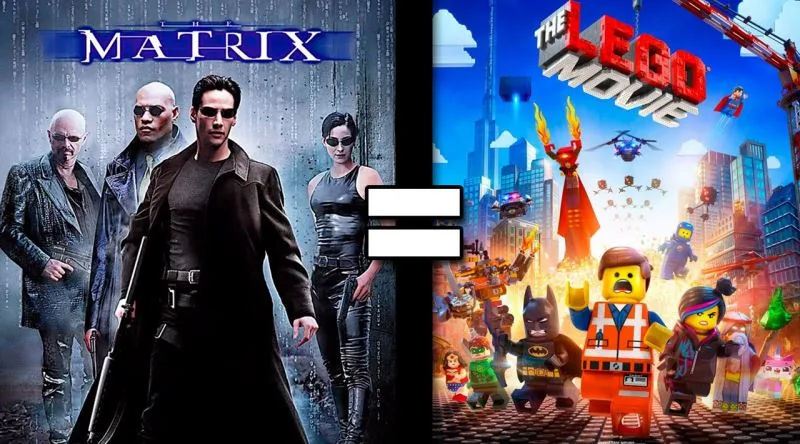
The Lego Movie and The Matrix share more than just a love for mind-bending realities, both films explore the tension between a controlled world and the liberating power of self-discovery, with Emmet and Neo each waking up to a truth hidden beneath the surface. Where Neo takes the red pill, Emmet follows the instructions, but both journeys end in the same place: a realization that the world they knew was a construct, and that their role in it was never what they thought. It's a comparison that turns a colorful comedy into a surprisingly deep meditation on free will, creativity, and the stories we tell ourselves about who we are.
The Lego Movie and The Matrix both center on an ordinary man discovering his world is a simulated construct. Emmet and Neo each confront a controlling system, guided by a mentor figure, and ultimately learn that their perceived limitations are the very thing the system uses to keep them compliant. Both films subvert the chosen one trope, revealing that collective action and self-belief matter more than destiny.
- Both films feature a protagonist who discovers their everyday reality is a carefully controlled simulation.
- A mentor figure, Morpheus in The Matrix, Vitruvius in The Lego Movie, guides the hero toward the truth.
- Each hero is initially told they are "the chosen one," only to learn the prophecy was less important than their own choices.
- The controlling system in each film enforces conformity, whether through agent programs or instruction manuals.
- Both stories culminate in the protagonist rejecting the system's rules and embracing collective creativity or unity to achieve freedom.
Two Movies, One Hidden Blueprint: The Lego Movie Matrix Similarities
The Lego Movie (2014) and The Matrix (1999) seem like polar opposites: one is a bright, plastic world of construction toys, the other a grim cyberpunk dystopia. Yet strip away the colors and the leather jackets, and both films run on the same engine: a constructed reality, a chosen one, and the terrifying freedom of waking up. At their core, both are stories about what happens when someone starts asking questions.
Take Bricksburg, the gleaming Lego city where everything is indeed awesome. The town operates with mechanical precision, but not because of some grand design. It works because nobody questions the rules. Every morning plays out identically: the same song, the same coffee, the same words exchanged with the same neighbors. The citizens follow their instruction manuals without a second thought, and that shared obedience is what makes the city feel "perfect." In The Matrix, the blue pill offers the same comfort: swallow it, and you stay inside the simulation, never having to confront the truth. The Lego instruction manuals function as the blue pill of Bricksburg, a step-by-step guide to conformity that keeps everyone happily asleep.
This is where the Lego Movie Matrix similarities really begin to surface. In The Matrix, Neo is flagged as an anomaly in the system, a glitch that the machines cannot fully account for. The Lego Movie flips that script entirely. Its hero, Emmet, is described as the most ordinary, average guy imaginable, a construction worker with zero distinguishing traits. He follows every rule, builds exactly what he is told, and never once questions the world around him. He is, quite literally, the last person anyone would expect to save anything.
Both films hang their plots on a prophecy. In The Matrix, Neo meets the Oracle and wrestles with the question of whether he truly is the One. The Lego Movie takes a darker, more playful turn: the wizard Vitruvius, in his dying moments, admits he completely fabricated the prophecy. He made it up to give people hope. That confession changes everything, because it means Emmet was never destined for greatness. He simply chose to believe he was, and that belief became the spark that ignited a rebellion.
Emmet vs. Neo: The Chosen One, Subverted
In The Matrix (1999), Neo is the anomaly, a glitch in the system's code that marks him as something special, a destined savior. In The Lego Movie (2014), Emmet is the exact opposite: the most ordinary, average guy you could imagine, someone who follows every rule in the instruction booklet without a single original thought. These two heroes could not be more different, and that contrast is precisely where The Lego Movie finds its cleverest twist on the messianic narrative.
Neo's journey is built on a prophecy. He meets the Oracle, faces the agonizing dilemma of whether he truly is the One, and ultimately embraces his destiny. The Lego Movie sets up a similar prophecy, but then pulls the rug out from under you. Vitruvius, the wizard-like figure, admits right before he dies that he completely fabricated the entire prophecy. There was no chosen one. He made it all up to give people hope.
That single confession flips the entire Lego Movie Matrix similarities on their head. Neo's power comes from being uniquely special, a singular individual. Emmet's power, it turns out, comes from the opposite. In his world, everyone is capable of creating something. The film deliberately subverts the messianic archetype by suggesting that collective creativity matters more than any one destined hero. Emmet isn't the One because he's extraordinary; he's the One because he believes, and in that world, belief is something anyone can hold.
The Red Pill vs. the Instruction Book: Two Kinds of Awakening
Morpheus offers Neo a red pill that will rebirth his body and mind into the real world; Emmet gets no such choice, only a moment where he finally stops following the instruction manual. These are two very different awakenings, and the difference tells you everything about what each film is really saying.
In The Matrix, Neo is the anomaly, the one glitch in the system that the Architect himself acknowledges. He is special, chosen, destined. In The Lego Movie, released in 2014, Emmet is the opposite: the most ordinary, average guy imaginable, a construction worker with zero distinguishing traits who follows every rule without question. Bricksburg is perfect precisely because nobody asks anything. The same song plays every morning, the same coffee gets poured, the same phrases get repeated. That routine is Emmet's blue pill, his comfortable conformity to a simulated reality he never thinks to question.
But here is where The Lego Movie twists the knife. In The Matrix, Neo meets the Oracle and faces a genuine dilemma about whether he is the One, and the prophecy turns out to be real. In The Lego Movie, the wizard Vitruvius admits before dying that he completely fabricated the prophecy. He made it up to give people hope. The chosen one narrative does not hold here, because in Emmet's world, anyone can create. Emmet is not a messiah; he is a representative of collective creativity, and the film deliberately inverts the entire messianic structure that The Matrix plays straight.
The awakening moments mirror each other but mean opposite things. Morpheus's red pill literally rebirths Neo's body and mind into the real world. Emmet's breaking point is simpler: he abandons the instruction book, rupturing from conformity. And then The Lego Movie goes one step further than The Matrix ever does. It shows you the real world, and that real world turns out to be another narrative product. The father who looms over the Lego city is like the Architect, a god-like figure behind the entire system, controlling, fearful, obsessed with order. But the film implies something more radical: if the real world is itself a story, then every story is a subset of another story. There is no final layer, no ultimate reality, just stories all the way down.
Neo saves the world through choice. Emmet shares his imagination with the world, inviting the audience not to be heroes but to be creators. That is the Lego Movie Matrix similarities that matter most: both films ask what it means to wake up, but only one of them suggests the waking never really ends.
The Architect and the Father: The God Behind the System
Deep inside the Machine City, the Architect sits in his endless white office, a god-like figure who created and oversees the entire Matrix simulation. In The Lego Movie, the father in the real world plays that exact same role, and the resemblance is uncanny. Both are controlling, rule-obsessed adults who fear nothing more than losing their grip on order.
The Architect, as Neo discovers in The Matrix, is not just a program. He is the system itself, the mind behind every choice and every consequence inside the simulated world. He speaks in calm, measured sentences and treats human freedom as a statistical problem to be solved. His entire existence revolves around maintaining the illusion, keeping things predictable, and making sure chaos never breaks through the surface.
Now look at the father in The Lego Movie. He is a grown man standing over a basement table full of meticulously organized Lego bricks. His city is perfect because he built it that way. Every piece has its place, every structure follows the instructions, and any deviation feels like a personal attack on his carefully curated world. When his son starts mixing sets and building something new, the father sees destruction. The Architect sees the same threat when Neo starts bending the rules of reality.
What makes this parallel so striking is the fear underneath both characters. The Architect has watched the Matrix fail multiple times. He has seen humans rebel, question, and break free, and he has built elaborate systems to contain that impulse. The father, on a much smaller scale, has the same anxiety. His Lego city represents control, and control, once threatened, reveals how fragile it really is.
Both men impose rigid order on a constructed world because they believe chaos equals collapse. The Architect designs a perfect prison that feels like freedom. The father builds a perfect city that allows no imagination. In both cases, the god behind the system is not malicious, just terrified of what happens when the rules disappear.
The Lego Movie Matrix similarities run deeper than surface-level plot points. They touch on the very human need to control, and the equally human need to break free from that control. The Architect and the father are two versions of the same archetype, one writ large across a dystopian future, the other hidden inside a colorful family film.
Freedom: Saving the World vs. Sharing Imagination
In The Matrix, freedom arrives when you make the right choice. In The Lego Movie (2014), freedom is something far messier: playing, imagining, breaking things apart, mixing pieces, and rebuilding them into something new. That playful definition is also a subtle self-promotion for Lego, a company whose entire business model depends on taking things apart and putting them back together again.
Neo ends his story by saving the world. Emmet ends his by sharing his imagination with everyone around him. That difference matters. The 2014 film deliberately flips the messiah narrative that The Matrix built its structure on. Neo is the anomaly, the special one who wakes up and fights. Emmet is so ordinary that he has no distinguishing traits at all, just a guy who follows the instructions and never asks questions. Yet in Emmet's world, anyone can create something. The film suggests the audience should be creators, not heroes.
The father character who appears in the real world of The Lego Movie mirrors the Architect in The Matrix, a god-like figure who controls the entire system. But the father is also just a grown-up like us, someone who fears losing control and worries about order being disrupted. When the movie closes, its final message lands with a quiet punch: if we want to change the world, we don't need to be chosen. We need to close the book and dare to dream.
Frequently asked questions
How does the simulation theme connect The Lego Movie and The Matrix?
In The Matrix (1999), humanity lives inside a simulated reality designed to keep people docile. The Lego Movie (2014) flips this: its world is physically real, but everyone has memorized instruction manuals telling them exactly how to live. Bricksburg appears perfect because no one questions the rules, much like the blue pill in The Matrix represents conformity to the simulated reality.
How do Emmet and Neo compare as chosen ones?
Neo in The Matrix is described as an anomaly in the system, a special figure destined to wake up. Emmet in The Lego Movie is the opposite: an ordinary, average guy with no distinguishing traits who follows every rule. Yet both characters are propelled by a prophecy, and both must believe they are special for the story to work.
Is the prophecy in The Lego Movie real or fake?
The prophecy in The Lego Movie is completely fabricated. Vitruvius, the wizard figure, admits before dying that he made the entire prophecy up to give people hope. This directly subverts The Matrix , where Neo meets the Oracle and faces a genuine dilemma about whether he is truly the One. In the Lego world, the prophecy exists only as a motivational tool.
How does the father figure in The Lego Movie resemble the Architect?
The Architect in The Matrix is the god-like creator who oversees the entire system with rigid logic. In The Lego Movie , the father figure in the real world serves a similar role: a controlling, rule-obsessed adult who imposes strict order on the Lego universe. Both characters fear losing control and demand that their constructed worlds follow their exact specifications.
What does freedom mean differently in each film?
In The Matrix , freedom comes through making the right choices, symbolized by Morpheus offering the red pill, which rebirths Neo's body and mind. In The Lego Movie , freedom is collective creativity: playing, breaking things apart, and rebuilding. Neo saves the world as an individual hero, while Emmet shares his imagination with everyone, suggesting that being a creator matters more than being a savior.
Got a take on this? Add your voice to the conversation below →
No comments yet. Be the first.