Kurtlar Vadisi: Polat's Rise Wasn't Talent—It Was the Templars
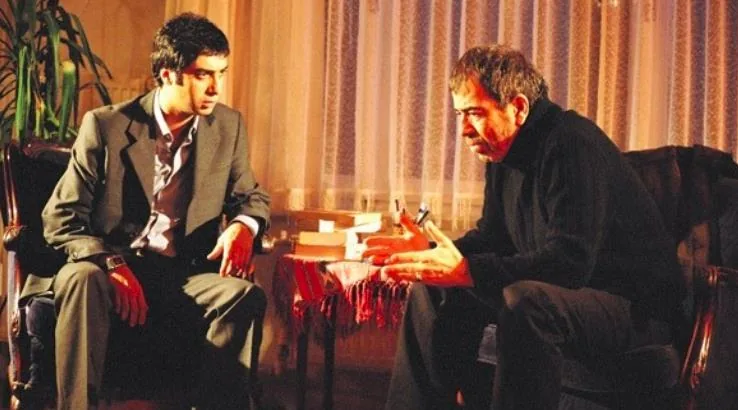
The story of Kurtlar Vadisi's Polat Alemdar isn't a tale of innate genius; it's a carefully engineered ascent orchestrated by hidden hands, led by the enigmatic Nizamettin Güvenç, beginning in the series' earliest episodes. The Kurtlar Vadisi Polat Templars connection reveals that his every success was a calculated move in a centuries-old war, stripping away the illusion of the lone hero and replacing it with the cold mechanics of a hidden order. Watching his journey with this knowledge transforms the entire saga from a crime thriller into a chilling puppet show, where the strings are pulled by a man who sees Polat not as a leader, but as a weapon.
In Kurtlar Vadisi, Polat Alemdar's rise is not a product of his own brilliance but a deliberate construction by the organization under Nizamettin Güvenç. From the moment he assumes the identity of Ali Candan, his path is cleared, his enemies are weakened, and his victories are pre-arranged to serve a hidden agenda. The series presents his success as an engineered outcome, not a personal triumph.
- Nizamettin Güvenç, as a powerful figure in the Turkish underworld, directly orchestrates Polat's induction into the criminal world after his identity change to Ali Candan.
- The organization actively eliminates or neutralizes Polat's most formidable rivals before they can pose a genuine threat to his operations.
- Polat's access to critical intelligence and financial resources is consistently provided by operatives embedded within the state and the criminal world.
- The series reveals that Polat's survival against overwhelming odds is frequently dependent on last-minute interventions ordered by Güvenç.
- Polat's ultimate goal, the destruction of the "Council," is itself a mission assigned to him to reshape the power structure in their favor.
The Real Power Behind Kurtlar Vadisi's Polat Alemdar
Everyone remembers Polat Alemdar as the sharp-witted undercover agent who could talk his way out of any corner. But rewatch the early seasons with fresh eyes, and a different picture emerges: Polat's success was never about innate genius. It was orchestrated, step by step, by hidden hands, chiefly the elderly power broker Nizamettin Güvenç. The celebrated first 97 episodes of the Turkish crime drama Kurtlar Vadisi, which aired starting in 2003, work precisely because they hide this scaffolding behind a mask of luck.
Consider the famous helicopter scene, where the operation's handler Aslan Akbey and his superiors openly admit the whole mission failed. Polat's cover was blown, and the contingency plan called for him to pick a country and simply go on vacation. Instead, he stayed, and that is where the invisible machinery kicked in. The Templars, an ancient secret order woven into the show's conspiracy lore, were watching every moment, quietly cleaning up the messes Polat and even his handlers could not manage.
Polat was never the flawless operator fans made him out to be. He could not save his friend Çakır, could not stop Laz Ziya's betrayal, and floundered after Aslan Akbey's death. He failed to protect the Chechen mafia from annihilation. What he had, instead, was a remarkable ability to adapt to whatever room he walked into. That, plus a guardian network that removed obstacles before he ever saw them.
Nizamettin Güvenç, the true old wolf of the story, reportedly had a hand in eliminating those who got too close to Polat's secret identity, though the claim that he removed everyone who sniffed around is an overstatement. What is certain is his deliberate abstention in the baron election, a move that created a deadlock and eventually pushed Polat into that powerful seat. The goal was simple: place someone with state connections in control, someone the council believed they could manage. Polat's mafia background and personal ties made him the chosen instrument, not any record of prior state service.
The show's writers played the audience like a ball, making Polat's narrow escapes look like quick thinking. In truth, the accidents that saved him, the car that hit the policeman chasing him, the bus that struck the photographer, were staged by the Turkish deep state, not the Templars. The first 97 episodes remain legendary because they balance this hidden-hand cynicism with pure thriller momentum. It is a delicate trick, and one that made Kurtlar Vadisi a cultural phenomenon in Turkey, even if its adaptation rights never sold abroad the way its fans believed they should have.
Nizamettin Güvenç: The Man Who Knew Too Much
No, Nizamettin Güvenç did not know from the start that Polat was Ali Candan. According to the series' actual storyline, the powerful baron only discovers Polat's true identity later in Kurtlar Vadisi, not in the opening episodes. The popular claim that he was omniscient from day one is a myth that fans have built up over time.
What the show does reveal is far more interesting. In the famous helicopter scene, the operation is explicitly declared a failure because Polat's cover was blown. Aslan Akbey's contingency plan had been simple: if the mission collapsed, Polat would pick a country and disappear on vacation. That never happened, of course. Instead, the story kept twisting.
As for Nizamettin's role, the record shows he did order eliminations of people who got close to the truth. But the claim that he killed everyone who even tried to uncover Polat's identity? That's an overgeneralization, according to the original account. Some characters slipped through, some survived, and the web of protection wasn't as airtight as the legend suggests.
What is verifiable is Nizamettin's strategic patience. He deliberately abstained from voting in the baron election, creating a deadlock that eventually allowed him to install Polat in that powerful seat. It wasn't luck or divine favor guiding Polat's rise. It was a calculated move by a man who understood the board better than anyone else playing it.
The deeper irony? Polat was never portrayed as an infallible genius in the show itself. He couldn't save his friend Çakır. He failed to prevent Laz Ziya's betrayal. After Aslan Akbey's death, he was directionless, scrambling for a plan that never came. He couldn't even defend the Chechen mafia from being wiped out. The audience's perception of him as a mastermind was always more generous than the script's actual evidence.
So when you rewatch those early episodes with this lens, the Kurtlar Vadisi Polat Templars dynamic becomes clearer. The mysterious accidents, the convenient saves, the obstacles that vanished just in time. Those weren't Polat's instincts kicking in. They were Nizamettin's invisible hand, sweeping the path clean for a man whose greatest talent was simply adapting to whatever room he walked into.
The Failed Operation and the Helicopter Scene
The helicopter scene in Kurtlar Vadisi doesn't leave much to interpretation. Aslan Akbey, the mastermind behind the entire operation, explicitly states that the mission failed because Polat's cover was blown. That's the truth of it, plain and simple. The elaborate plan to infiltrate the Turkish underworld had crumbled, and the contingency was clear: Polat was supposed to pick a country, any country, and disappear abroad for a while.
But here's where the story takes its sharpest turn. What looks like Polat's incredible luck, his knack for escaping impossible situations, wasn't luck at all. Take the moment a car suddenly swerves and hits a police officer who's chasing him, or the bus that conveniently slams into a photographer trying to snap Polat's picture during a sword fight. Fans have long whispered that the Templars, that shadowy global network, were pulling strings to protect their man. Kurtlar Vadisi Polat Templars connections seem obvious at first glance. But the original account points elsewhere entirely. These incidents were staged by the Turkish deep state, not the Templars. Someone was constantly cleaning up after Polat, fixing his mistakes, smoothing the path ahead of him.
That invisible hand belonged to Nizamettin Güvenç, the man who would eventually reveal himself as the true power behind the curtain. According to the story, he deliberately abstained from voting in the baron election, creating a deadlock, all so Polat could eventually be placed in that seat of power. The goal was to have someone with state connections sitting at the council table, someone the state believed it could control. Contrary to what some fans assume, Polat wasn't chosen because he'd served the state like Karahanlı had. His mafia background and personal connections made him the right fit.
The failures piled up though. Polat couldn't protect his friend Çakır. He couldn't prevent Laz Ziya's betrayal. After Aslan Akbey's death, he was directionless, unable to plan for what came next. He couldn't even defend the Chechens when they needed him. The series never pretended otherwise. The first 97 episodes, widely considered the legendary period of the show, show a man who was often out of his depth, surviving not because of his brilliance, but because powerful forces kept intervening on his behalf.
Polat's Real Weaknesses: Failures and the Missing Twin
The image of Polat as an untouchable mastermind collapses the moment you look at his actual record in Kurtlar Vadisi. He could not save his friend Çakır, he failed to stop Laz Ziya's betrayal, and after Aslan Akbey's death in the early 2000s, he was left completely directionless. These are not minor stumbles; they are the core failures that define his time in the series.
The Chechen mafia's destruction stands as another mark against him. Despite his position and connections, Polat could not defend them when the pressure came. For all the fan chatter about his brilliance, the show itself never sold him as a flawless strategist. Viewers projected that aura onto him, but the evidence on screen points elsewhere.
One persistent rumor deserves a hard correction: the claim that Polat had a twin named Tilki Andrei who exposed his failures. No such character exists in the series. There is no twin, no Tilki Andrei, and no scene where an equal counterpart humiliates him. That story is pure invention, likely born from the show's complex web of allies and enemies blurring together in memory.
What Polat actually possesses is a single, narrow gift: he adapts to whatever environment he lands in. He reads a room quickly, picks up its rhythms, and blends in. That is a real skill, but it is not the same as long-term planning or strategic foresight. He reacts well; he does not anticipate well. The distinction matters because it explains why so many of his setbacks were not bad luck but genuine gaps in his abilities.
The failures also reveal something about the world around him. When the operation officially collapsed, as confirmed in the helicopter scene, Polat was supposed to pick a country and go on vacation. Instead, he stayed, and the people propping him up kept clearing his path. That support system, not any innate genius, is what kept him moving forward through the chaos.
Why the Organization Backed Polat: The Baron's Seat
Nizamettin Güvenç, the elder statesman of the Turkish underworld in Kurtlar Vadisi, deliberately abstained from the baron election to create a deadlock, buying time until he could install Polat in that seat. His goal was simple: put someone with state connections in charge of Istanbul's criminal council so the government would ease its pressure, believing it had the organization under control.
The baron's chair was never meant for just anyone. The organization wanted a man who could sit comfortably between the state and the mafia, someone they could predict and, when necessary, steer. Nizamettin's refusal to cast his vote wasn't indecision. It was a calculated stall, a quiet rearrangement of pieces on a board where every move mattered.
But here's where the popular version of the story gets it wrong. Polat wasn't chosen because he had served the state the way Karahanlı had. That's a convenient myth. Polat's appeal came from something else entirely: his mafia background and his personal connection to the people already pulling strings. He was a known quantity in the underworld, a man whose loyalties could be shaped, not a decorated state servant who would follow orders without question.
The distinction matters because it explains everything that followed. The organization wasn't looking for a hero or a bureaucrat. They were looking for a pawn who could pass for a king. And in Polat, they found exactly that: a man whose rise was less about his own brilliance and more about the invisible hands clearing his path at every turn.
Frequently asked questions
What role did Nizamettin play?
Nizamettin Güvenç, the elderly shadow figure who ran the Turkish deep state, quietly steered Polat's rise from behind the curtain. According to the original account, he reportedly ordered the elimination of those who got too close to discovering Polat's true identity, though the claim that he removed every single person is an overgeneralization. What is certain is that Nizamettin deliberately abstained from voting in the baron election, creating a deadlock that eventually allowed Polat to take that seat.
How did the Templars protect Polat?
The Templars did not protect Polat. The car that struck the police officer chasing him and the bus that hit the photographer pursuing him were staged by the Turkish deep state, not by the Templar order. The Templars observed every move from the shadows, but the hands that physically cleared Polat's path belonged to the state's own operatives.
Why is Polat not truly talented?
Polat's real skill was adaptation, not strategic genius. He could read a room and settle into any environment quickly, but long-term planning was never his strength. He could not save his friend Çakır, failed to prevent Laz Ziya's betrayal, and had no plan after Aslan Akbey's death in 2004. His twin, Tilki Andrei, does not exist; that claim is a fabrication.
Who knew Polat's true identity?
Contrary to the popular version, Nizamettin Güvenç did not know from the beginning that Polat was Ali Candan. He discovered this truth later in the series. Aslan Akbey, the intelligence officer who recruited Polat, and the state officials who ran the operation were the ones who knew from the start that the man named Polat was actually the undercover agent Ali.
Did Polat ever succeed without help?
Polat succeeded only when the deep state cleared his path. The helicopter scene in the series explicitly declared the Kurtlar Vadisi operation a failure because Polat's cover had been blown. Aslan Akbey's contingency plan was for Polat to pick a country and go on vacation if the operation failed, which never happened because the state kept intervening.
What were his biggest failures?
Polat could not defend the Chechen mafia from being wiped out, could not save his friend Çakır, and could not prevent Laz Ziya's betrayal. After Aslan Akbey's death, he drifted without direction. Karahanlı tried to protect him while canceling plans, yet the man died anyway. These failures reveal a man carried by circumstance rather than one who controlled it.
Was the operation a failure?
Yes, the operation was officially a failure. The helicopter scene explicitly revealed that the Kurtlar Vadisi mission failed because Polat's cover had been blown. Fans and critics still consider the first 97 episodes the legendary era of the series, but the operation at its core did not achieve its objectives. The series was later adapted and broadcast in Georgia and Azerbaijan, contradicting claims that no country bought the adaptation rights.
Got a take on this? Add your voice to the conversation below →
No comments yet. Be the first.