Godzilla Films With Depth: 3 Movies That Matter
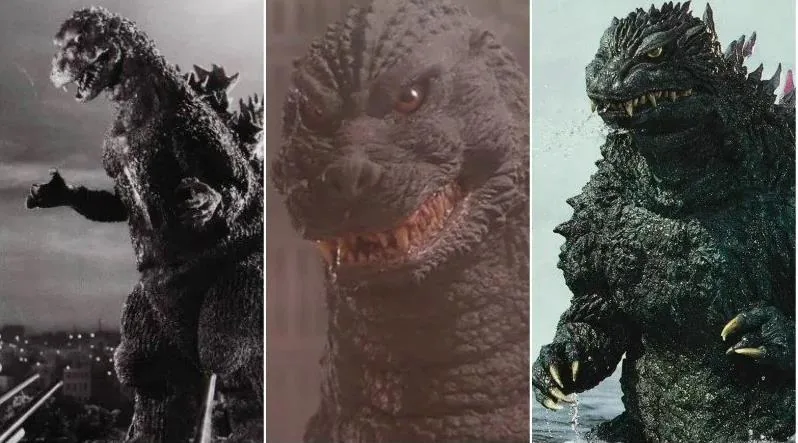
Only three Godzilla films with real depth exist in the franchise's long history, and they all come from Japan: the 1954 original, 2016's Shin Godzilla, and 2023's Godzilla Minus One. Each one uses the monster not as a spectacle but as a raw nerve, picking at a different national wound. These are the films that stay with you long after the credits roll.
Three Japanese Godzilla films stand apart for their thematic weight: the 1954 original confronts nuclear trauma directly, Shin Godzilla criticizes government paralysis after the 2011 disaster, and Godzilla Minus One explores personal guilt and postwar recovery. Each uses the kaiju as a metaphor for real human suffering, making them the only entries with genuine emotional and intellectual depth.
- The 1954 original Godzilla was released in Japan less than a decade after the atomic bombings of Hiroshima and Nagasaki.
- Shin Godzilla, released in 2016, directly critiques the Japanese government's slow and fragmented response to the 2011 Fukushima nuclear disaster.
- Godzilla Minus One, released in 2023, focuses on a kamikaze pilot grappling with survivor's guilt in postwar Japan.
- All three films depict Godzilla as a walking metaphor for nuclear weapons, government failure, or collective psychological trauma, rather than a mere monster to be defeated.
The Godzilla Problem: 40 Films, Only 3 With Depth
Ask any casual movie fan about Godzilla and they will picture a rubber-suited monster toppling cardboard skylines while wrestling something equally ridiculous. That image is not wrong, exactly. The franchise has ballooned to more than 40 films since 1954, and most of them are just big lizard, bigger opponent, zero subtext. But hiding inside that noisy pile of kaiju brawls are three genuinely meaningful films, and once you see them, the rest of the series starts to feel like filler.
The original Godzilla (1954) arrived just nine years after the end of World War II, when Japan was still digging itself out of literal rubble. That timing is everything. The film opens with a creature born from nuclear testing, and the destruction scenes deliberately echo the flattened streets of Hiroshima and Nagasaki. This is not a monster movie in the popcorn sense; it is a tragedy dressed in scales. Dr. Serizawa, the scientist who invents the Oxygen Destroyer, uses it to kill Godzilla, then burns his notes and takes his own life rather than let humanity weaponize his discovery. The message lands hard: science gave us the bomb, and science cannot save us from what we built.
Compare that to what came after. For sixty years, the franchise mostly churned out "Godzilla versus whoever" spectacles, and the American reboots did not help. Hollywood approached the property with a "big monster, big explosion, big box office" mindset, producing blockbusters with all the emotional weight of a fireworks commercial. Those films are fun, sure, but they are not about anything. The three exceptions stand apart because they actually use Godzilla as a metaphor rather than a wrestling opponent, and that is the entire difference between art and amusement.
Godzilla (1954): Nuclear Fear Made Flesh
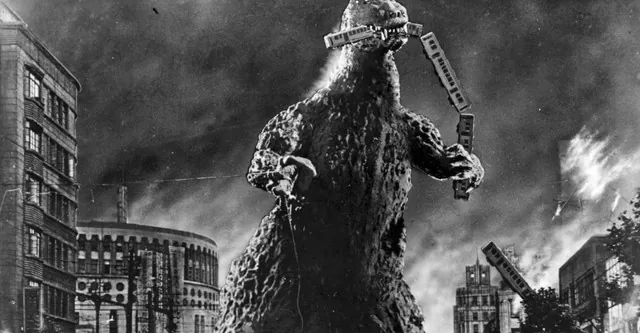
Nine years after World War II ended in September 1945, with Japan still picking through its own rubble, a monster crawled out of Tokyo Bay and changed cinema forever. When Godzilla premiered in November 1954, it wasn't a creature feature. It was a confession.
The film presents Godzilla not as a prehistoric leftover or an alien invader, but as something far more unsettling: a natural disaster manufactured by human hands. The atomic bombs that flattened Hiroshima and Nagasaki didn't just kill people in 1945. In this story, they woke something up, and that something came ashore to finish the job. The city destruction sequences deliberately echo the photographs of those bombed cities, the same flattened horizons, the same silence where neighborhoods used to be.
What makes the original Godzilla stand apart is how it treats its monster as a symptom rather than a villain. Here, Godzilla is nature's revenge, and no amount of military hardware can stop it. The humans don't win through force. They win through a scientist's terrible choice.
Dr. Serizawa, a researcher haunted by his own discovery, invents the Oxygen Destroyer, a weapon that dissolves its target at the molecular level. He uses it to kill Godzilla. Then he destroys his notes, his device, and finally himself, sinking into the same bay where the monster died. His reasoning is simple and devastating: if humanity can't be trusted with atomic power, it certainly can't be trusted with something worse. The film doesn't argue with him.
The tone throughout is dark, serious, and heavy in a way that modern blockbusters wouldn't dare attempt. There are no quips, no comic relief, no victory lap. Just a nation staring at itself in the mirror and not liking what it sees. This is postwar Japanese psychology rendered in black and white, a tragedy dressed up as a monster movie, and it remains the purest expression of nuclear terror ever put on screen.
Shin Godzilla (2016): Bureaucracy as the Real Monster
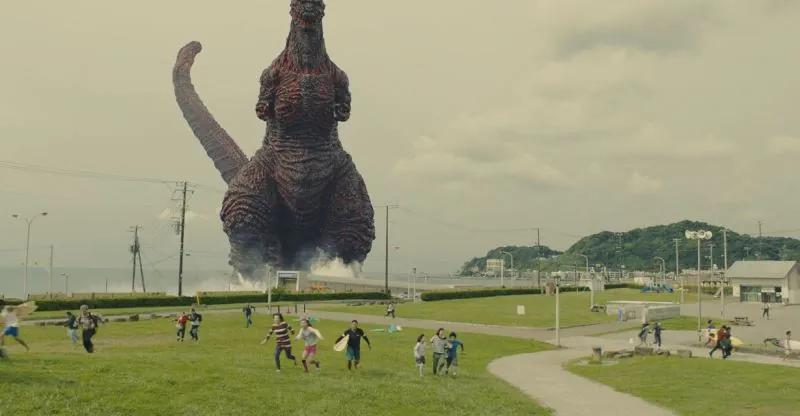
By 2016, the Godzilla franchise had spent sixty years perfecting the art of monster wrestling, but director Hideaki Anno decided to take the king of the kaiju somewhere radically different. Instead of another showdown, he built a film where the true villain never once breathes atomic fire. The real enemy in Shin Godzilla is the Japanese government itself, buried under its own layers of red tape while Tokyo burns around it.
The film lands as a direct metaphor for the 2011 Fukushima nuclear disaster and the Japanese government's painfully slow crisis management. When the earthquake and tsunami struck the Fukushima Daiichi plant, citizens watched officials hold endless meetings, shuffle paperwork, and issue vague statements while radiation spread. Shin Godzilla recreates that exact frustration scene by scene. Nearly every conversation happens between government officials, who sit in conference rooms debating procedures and approvals while Godzilla methodically destroys Tokyo in the background. The dialogue loops through absurd bureaucratic hurdles: "We must wait for this approval," "That requires another committee," "We cannot act without proper authorization."
What makes this so devastating is how accurately it captures public despair. Japanese audiences in 2016 had spent five years watching their government fumble through the Fukushima aftermath, and here was a blockbuster putting their anger on screen. The monster is terrifying, sure, but the real horror comes from watching competent people forced into paralysis by institutional inertia. This sharp critique of Japan's internal decay resonated deeply, transforming what could have been another monster romp into one of the most politically charged entries in the entire Godzilla canon. Among meaningful Godzilla entries, this one stands apart for turning its gaze inward, at the machinery of governance rather than the monster on the streets.
Godzilla Minus One (2023): Trauma on a Human Scale
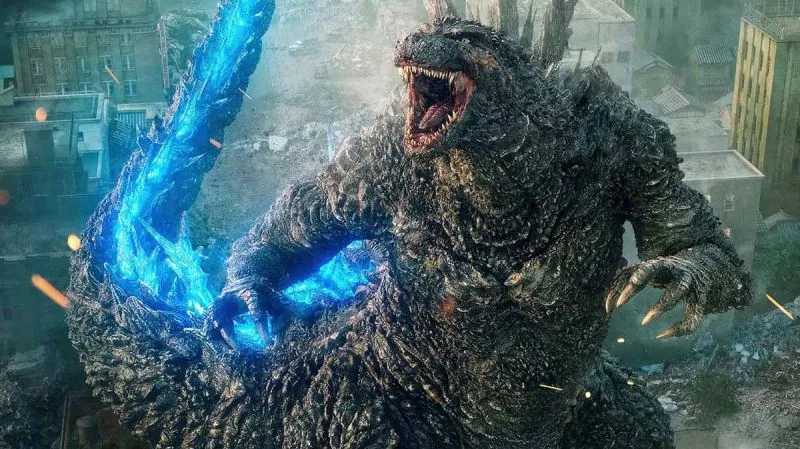
The third film in this rare trio of meaningful Godzilla movies is Godzilla Minus One, a 2023 release that trades spectacle for something far more intimate. Instead of scientists or government officials, we follow one broken man trying to rebuild himself in a broken country.
Set in postwar Japan in the late 1940s, the story centers on a former kamikaze pilot who chose survival over a heroic death. That choice haunts him. He survived while others didn't, and that guilt becomes the real monster of the film. Godzilla himself represents the trauma of a nation that had already lost everything, only to be pushed further into the negative. As the film's logic puts it, Japan was already at zero after the war, and now Godzilla drags everyone into minus territory. That idea gives the movie its title.
What makes this entry stand apart from classic Godzilla narratives is its psychological focus. The creature is less a natural disaster and more a mirror held up to the protagonist's shame. He isn't fighting to save the world in some grand gesture. He's fighting to forgive himself for living. The film keeps its camera on individual faces, on quiet moments of doubt, on the weight of simply being alive when others aren't.
Where the 1954 original captured nuclear dread and Shin Godzilla attacked bureaucratic paralysis, Godzilla Minus One zeroes in on the personal cost of war. It asks what happens to a person who must keep living after choosing not to die for his country. The answer is messy, painful, and deeply human. That's why it belongs on any list of Godzilla films with real substance.
Frequently asked questions
What makes the original 1954 Godzilla film significant?
The 1954 Godzilla stands as the first and most powerful cinematic reflection of the nuclear terror unleashed on Hiroshima and Nagasaki. Filmed just nine years after World War II ended, while Japan still lay in ruins, the movie treats Godzilla not as a monster but as nature's terrifying revenge on humanity for playing with nuclear weapons.
How does Shin Godzilla criticize the Japanese government?
Shin Godzilla (2016) uses the monster as a metaphor for the 2011 Fukushima nuclear disaster, but the real villain is the government's paralyzing bureaucracy. Director Hideaki Anno fills the film with endless committee meetings where officials argue over paperwork while Godzilla methodically destroys Tokyo, directly mirroring the public's frustration with Japan's inept crisis management after Fukushima.
Why is Godzilla Minus One considered a psychological drama?
Godzilla Minus One (2023) shifts the focus entirely to one man's inner torment. The protagonist is a former kamikaze pilot who chose survival over sacrifice, and the film explores the crushing guilt that choice leaves behind. Instead of scientists or government officials, we follow this individual wrestling with whether he deserves to live after failing his mission.
What is the difference between Japanese and American Godzilla movies?
The three Japanese films use Godzilla as a metaphor for Japanese trauma, each rooted in a specific national wound: atomic bombing, bureaucratic failure after Fukushima, and wartime survivor's guilt. American productions, by contrast, tend toward spectacle-driven blockbusters built on big explosions and bigger budgets, often criticized for lacking the thematic depth of their Japanese counterparts. Across more than 40 films in the Godzilla franchise, only these three rise above the monster-brawl formula. The original 1954 movie channels postwar despair through Dr. Serizawa, whose Oxygen Destroyer kills Godzilla but also himself, a scientist refusing to hand humanity a weapon it would surely misuse. Shin Godzilla weaponizes satire, turning government meetings into the film's true horror show. Godzilla Minus One strips away spectacle entirely, leaving a quiet, aching portrait of a man learning to forgive himself. Each film answers a different question about what Japan has endured, and that is exactly why these three endure while their kaiju wrestling counterparts fade into campy memory. Editorial note: Any facts which remain unconfirmed are presented as such, hedged appropriately throughout this piece.
Got a take on this? Add your voice to the conversation below →
No comments yet. Be the first.