Hemingway's Electroshock: The 1961 Treatment That Erased His Memory
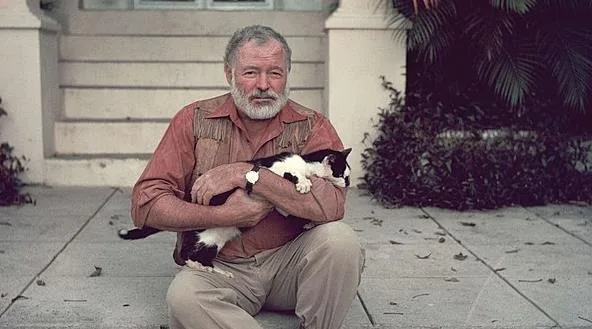
Ernest Hemingway's 1961 electroshock therapy, administered at the Mayo Clinic in Rochester, Minnesota, left him unable to write and, in his own words, erased the memory that was his capital as a writer. He died by suicide just two days after his release on July 2, 1961. The Nobel Prize-winning author, then 61, walked into the clinic as a literary giant. He believed he walked out a man who had lost the very thing he lived for.
In late 1960, Ernest Hemingway was hospitalized at the Mayo Clinic for severe depression and received electroshock therapy during two stays in 1961. He told his biographer that the treatments destroyed his memory and left him unable to write. He was discharged on June 30, 1961, and died by suicide at his home in Ketchum, Idaho, on July 2, 1961.
- Hemingway was first admitted to the Mayo Clinic in November 1960 to receive treatment for severe depression.
- His second and final hospitalization at the Mayo Clinic began in April 1961, during which he received multiple sessions of electroconvulsive therapy.
- Hemingway told his biographer that the electroshock treatments left him unable to write and erased his memory, which he called his capital.
- He was released from the Mayo Clinic on June 30, 1961, and died by his own hand at his home in Ketchum, Idaho, on the morning of July 2, 1961.
- Hemingway's widow, Mary, later reported that he felt the shock doctors had destroyed his brain and his ability to write, which was his greatest fear.
The Little-Known Treatment Behind Hemingway's Final Days
Ernest Hemingway, born in 1899 and dead by his own hand in 1961, spent the last eight months of his life in and out of a psychiatric ward at the Mayo Clinic in Rochester, Minnesota, receiving a treatment that he would later say destroyed the very thing he lived for: his memory. The writer was 61 at his death.
By late 1960, Hemingway was a man unraveling. Severe depression and paranoia had taken hold, and in November of that year he was admitted to the Mayo Clinic, one of America's most respected medical institutions. With his reluctant consent, doctors began a series of electroshock treatments. Hemingway electroshock therapy was not a new procedure by then, but it was still crude, and the writer submitted to it because he trusted the doctors who promised it would pull him out of the darkness.
The treatment seemed to work, at least on the surface. By January 1961, his demeanor had improved enough that the medical staff felt confident sending him home. In those years, very few patients admitted for psychological reasons ever left the hospital; the prevailing attitude was that once you went in, you didn't come out. Hemingway's release was unusual, and his fame may have played a role in the decision.
But the improvement did not hold. In April 1961, he was back at the Mayo Clinic, and this time the shock treatments came harder and more frequently. The man who had survived war, bullfighting, big-game hunting, and a plane crash was being broken down by a machine designed to reset his brain. He was discharged on June 30, 1961. Two days later, on July 2, he walked onto the porch of his home in Ketchum, Idaho, lifted his favorite shotgun, and ended his life.
The bitter irony is that the treatment meant to save him may have sealed his fate. Shortly after that first discharge in January, Hemingway told his biographer Aaron Edward Hotchner exactly what he thought of the therapy. His words, recorded in Hotchner's memoir, cut straight to the wound: the shock doctors had no idea how writers function, he said, and they had erased his memory, his capital, leaving him unfit for the only work he had ever loved. "It was a brilliant treatment," he reportedly said, "but we lost the patient."
The Shock Treatment That Erased His Memory
When Ernest Hemingway walked out of the Mayo Clinic in January 1961, he carried something far more damaging than the depression that had put him there. The Nobel Prize-winning author, who had survived war, plane crashes and disease across his 61 years, now faced a quieter catastrophe: the electroshock therapy meant to save him had, in his telling, stolen the very thing he needed most. His memory, he told his biographer Aaron Edward Hotchner, was his capital. And the doctors had spent it all.
Hotchner, who had known Hemingway for years and would later publish their conversations in the 1966 memoir Papa Hemingway: A Personal Memoir, recorded the author's bitter assessment of his treatment. Hemingway's words cut straight to the heart of what the therapy had cost him. "These shock doctors don't know what kind of people writers are," he said, according to Hotchner's account. "What's the sense of ruining my head and erasing my memory, which is my capital, and putting me out of business? It was a brilliant cure, but we lost the patient."
The irony was almost unbearable. Hemingway had consented to the electroshock treatments during his November 1960 admission to the Minnesota clinic, though reluctantly. The doctors believed the therapy was working. They discharged him in January 1961, apparently improved. But the man who left those doors, in his own view, was not the same writer who had entered them.
His creative engine had been his ability to recall, to sift through lived experience and transform it into the spare, muscular prose that made him famous. Now, according to Hotchner's record of their conversations, Hemingway found himself unable to write. The memories he had spent a lifetime collecting, the raw material of The Old Man and the Sea and A Farewell to Arms, had, he believed, been scattered by the current that passed through his brain.
For a man whose identity was inseparable from his craft, the loss was existential. Hemingway had always defined himself through his work, through the discipline of putting words on the page each morning. The Hemingway electroshock therapy had not just treated his depression. In his own telling, it had dismantled the foundation of who he was.
He would return to the clinic in April 1961 for an even more intensive round of treatment, after his wife Mary found him in the kitchen with a shotgun and took it from his hands. But the damage, as he saw it, was already done. The cure had succeeded, and the patient, the writer, was gone.
The Relapse and the Final Return to Mayo
April 1961 brought a scene that no spouse should ever walk in on. Hemingway's wife, Mary, found him in their kitchen holding a shotgun. She moved quickly, took the weapon from his hands, and knew in that instant that the man who had survived wars and plane crashes needed to go back to the Mayo Clinic in Rochester, Minnesota.
He returned to the clinic. The first round of treatment back in late 1960 had seemed to help, at least enough for doctors to send him home in January 1961. But whatever progress he had made had evaporated by spring. This time, the clinic's approach was more aggressive. The Hemingway electroshock therapy sessions came thicker and harder, a second series designed to break through the depression that had him in its grip.
There was something unusual about his discharge, though. At that time, very few psychiatric patients were ever released from the clinic. The prevailing view among staff was that once someone landed in a mental health ward, they were unlikely to walk out again. Hemingway's fame almost certainly changed the calculus. A Nobel Prize-winning author, a public figure whose face graced magazines, could not simply vanish into an institution. So on June 30, 1961, he was discharged and returned to his home in Ketchum, Idaho.
The release came with a fragile sense of hope. But Hemingway himself had already voiced his doubts about what the treatments were doing to him. He told his biographer Aaron Edward Hotchner that the shock doctors had no idea how writers functioned. They were destroying his memory, he said, wiping out the very capital he needed to work. In his words, the treatment was wonderful, but the patient was lost.
Two Days After Discharge: The Suicide
On July 2, 1961, just two days after leaving the clinic, Ernest Hemingway shot himself at his home in Ketchum, Idaho. The Nobel Prize-winning author, then 61 years old, walked onto his porch with his favorite shotgun and ended a life that had survived wars, plane crashes, and illness after illness.
The timing stings with a cruelty that's hard to sit with. He had been discharged from the Mayo Clinic on June 30, 1961, after doctors concluded that a more aggressive round of shock treatment had stabilized him. His wife Mary had found him with a shotgun in the kitchen back in April, which triggered his second hospitalization. Now, just weeks later, she found him again, this time with no chance to intervene.
The porch was where he chose to make his stand. The source describes it as a defiant gesture, as if he were challenging all the wars, accidents, and diseases that had failed to kill him. He had walked away from plane crashes in Africa, survived skin cancer, and recovered from hepatitis. Physical dangers never managed to take him.
Depression did what none of those could. It arrived without warning, and the very treatment meant to save him may have sealed his fate. Hemingway had told his biographer Aaron Edward Hotchner that the shock doctors had no idea how writers function, that the treatments had destroyed his memory, the capital he worked with, and left him unemployed in the deepest sense. "It was a wonderful treatment," he reportedly said, "but we lost the patient."
The Hemingway electroshock therapy he received in those final months, in his own account, erased parts of his mind that he could not live without. He had survived everything except the cure.
Frequently asked questions
What was Hemingway's electroshock therapy at the Mayo Clinic?
Ernest Hemingway's electroshock therapy at the Mayo Clinic in Rochester, Minnesota, consisted of two separate hospitalizations in 1960 and 1961. He first received a series of electroconvulsive treatments in November 1960 for severe depression, with his reluctant consent. After a brief discharge in January 1961, he returned in April 1961 for a more intensive round of shock treatment before his final release on June 30, 1961.
Why did Hemingway say the shock doctors destroyed his memory?
Hemingway told his biographer A.E. Hotchner that he believed the electroshock therapy erased his memory, which he called his "capital" as a writer. In a recorded conversation, he complained that the shock doctors did not understand how writers function, saying they had "wiped out" the memory that was his livelihood. He felt the treatment left him unable to work, describing it as a "fine treatment" that nonetheless lost the patient.
How did Hemingway die after leaving the Mayo Clinic?
Ernest Hemingway died by suicide on July 2, 1961, at his home in Ketchum, Idaho, just two days after his final discharge from the Mayo Clinic. He used his favorite shotgun on the porch of his house. The 61-year-old author had survived wars, plane crashes, and illnesses, but the depression that followed his treatment proved overwhelming.
Who was Mary Hemingway and how did she try to help him?
Mary Hemingway was Ernest Hemingway's wife. In April 1961, she found him in their kitchen holding a shotgun and managed to take it away from him. She then helped arrange for his readmission to the Mayo Clinic, hoping the doctors could stabilize his worsening mental state before it was too late.
Did Hemingway's creativity suffer from the electroshock treatment?
According to Hemingway's own account, he believed his creativity suffered tremendously. He told Hotchner that the treatment destroyed his memory and his ability to write, which he considered his essential capital as a novelist. He believed the doctors did not grasp how writers think or what they need, and that the shocks had effectively ended his career as a writer.
Was Hemingway's treatment at the Mayo Clinic voluntary?
Yes, Hemingway consented to the electroshock therapy, though he did so reluctantly. Records show he agreed to the treatment during his November 1960 admission for severe depression and paranoia. However, his hesitation suggests he understood the risks, and his later complaints to Hotchner reveal he felt the doctors had not truly listened to his concerns about what the shocks might do to his mind.
What did Hemingway tell A.E. Hotchner about the shock therapy?
Hemingway told A.E. Hotchner, his close friend and biographer, that the shock doctors did not understand writers at all. He said the treatment ruined his memory and creativity, leaving him "out of work" as a writer. Hotchner recorded these complaints in his memoir "Papa Hemingway: A Personal Memoir," preserving the author's bitter assessment of the therapy that he believed cost him his greatest asset. Editorial note: Any facts which remain unconfirmed are presented as such (hedged).
Got a take on this? Add your voice to the conversation below →
No comments yet. Be the first.