The Lord of the Rings: Why Power Corrupts Everyone
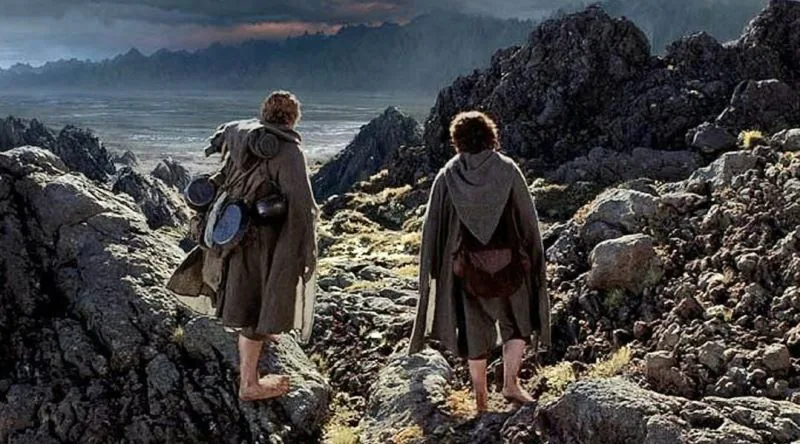
J.R.R. Tolkien's The Lord of the Rings is easy to file away as a fantasy adventure, but its central argument is not good against evil. It is power against everyone. The One Ring tempts the wise, the brave, and the humble alike, and the story's most unsettling truth is that even Frodo finally breaks under its weight. What makes the book endure is how honestly it treats the people we most want to protect.
In The Lord of the Rings, Tolkien makes the One Ring dangerous to good people, not just villains. It offers power through domination, so every character who might wield it well is exactly the character most at risk of being ruined by it.
- The One Ring offers its bearer power over others, which is why the strongest and wisest characters fear it most.
- Gandalf refuses the Ring when it is offered to him, knowing what it would make of him.
- Aragorn does not rush to the throne, holding back his claim until the war is over and the crown is his to accept.
- Frodo carries the Ring toward Mount Doom but is overcome at the final moment, and the Ring is destroyed only through Gollum's intervention.
- Samwise Gamgee carries Frodo when he can no longer walk, and he offers to take the Ring not to possess it but to share the burden.
The Ring Isn't Dangerous Because It's Evil. It's Dangerous Because It Works.
Here is the reading of The Lord of the Rings that refuses to stay in the fantasy aisle. The One Ring, in this view, is not a monster you can spot coming. It is dangerous for a subtler reason: it can corrupt anyone who touches it, and it does its best work on the people who mean well. That is the core of the Lord of the Rings philosophy of power this piece builds on, and it is a philosophical reading of the text, not a line quoted from J. R. R. Tolkien himself.
Think about how the Ring actually arrives. It never walks up and announces, "I am evil, put me down." It flatters. It whispers that the person holding it could finally get things done, that good intentions plus a little leverage would fix the world faster. The well-meaning are exactly the ones it finds easiest to tempt, because they already believe their cause is worth a shortcut.
The system always corrupts the person. The person does not corrupt the system.
That inversion is the whole argument, and it lands hardest on a very modern assumption: if I can control it, there's no problem. The reading turns that around and says the wish to control is the problem. Wanting the power in order to steer it wisely is already the first step of the fall. The Ring does not need a villain to carry it. It just needs someone confident enough to think they are the exception.
This is why the story keeps handing the Ring to people who refuse it. Gandalf is offered it and will not take it. Aragorn never sprints toward a throne, holding his claim back until the war is over and the crown is genuinely his to accept. Their virtue is not that they could not seize power. It is that they choose not to, and that choice costs them something. In this philosophy, real strength shows up as restraint, not reach.
And notice what the Ring's danger implies about its maker. Sauron, in Tolkien's world, cannot create anything genuinely new. Only true creation belongs to a higher power; Sauron can only twist, imitate and reorganize what already exists. The Ring follows the same logic. It does not invent a fresh evil out of nothing. It takes something good, a sincere wish to help, and slowly folds it into itself until the person holding it cannot tell where their own will ends and the Ring's begins.
That is the trap the story sets for every reader who thinks they would be the careful one. The Ring's whole pitch is that you are careful enough. It is not the obvious villain who loses to it. It is the decent, reasonable person who is sure they can manage the thing that is quietly managing them.
Gandalf and Aragorn: The Virtue of Not Taking What You Could Take
Frodo offers the Ring to Gandalf early in The Fellowship of the Ring, and Gandalf refuses it. Aragorn, meanwhile, holds back his claim to the throne of Gondor and only takes the crown after the war, with his people's consent, in The Return of the King. Two different men, two different temptations, one shared logic: the real test of character is not whether you can seize a thing, but whether you can choose to leave it alone.
Gandalf's refusal is not modesty. He knows exactly what the Ring would do to him. He fears what it would make of him, and he names that fear plainly rather than flinching from the picture of himself as a shadow. Here is a wizard who could take the most powerful object in Middle-earth out of a hobbit's hands in a heartbeat. He does not. That is the whole point.
Aragorn's restraint is quieter but the same in kind. He carries a name tied to the Ring's history, and he spends long years in the wild rather than pressing a claim. He waits. He serves. The crown comes to him only when the war is won and the people of Gondor accept him, not a moment before. The Lord of the Rings philosophy of power turns on this: authority that grabs for itself is already poisoned, while authority that waits to be given is something else entirely.
Set the two refusals side by side and they are not framed as weakness. They are framed as the same moral logic. The source is blunt about the thesis: true virtue lies not in being able to do something, but in being able to choose not to. Gandalf could. Aragorn could. Both of them, for a moment, look at the thing they could take and decide it is not theirs to hold.
Notice what the story never offers as an excuse. Neither man says he is too good for power. Neither says he would be the exception. That is exactly the trap the Ring sets, and both of them know it. The refusal is not a claim of purity. It is a recognition of how easily any hand, however well meaning, can be turned.
Frodo Fails, and That's the Point
Frodo Baggins is honored not because he is strong, but because he keeps walking the road while exhausted. That is the whole measure of him. And at the Cracks of Doom, in The Return of the King, he does something no one wants their hero to do: he claims the Ring for himself and cannot let it go. The Ring is destroyed only through Gollum's intervention, not through Frodo's will.
That scene is the hinge of the entire Lord of the Rings philosophy of power, and Tolkien wrote it that way on purpose. He never hides that people are flawed. Salvation does not arrive because someone stays flawless. It arrives through mercy, through a hand that catches what will not be caught, through a creature everyone else wanted dead.
So here is the strange arithmetic of the story. Frodo is the chosen one, and yet the tale is held up by Sam. Sam never asks for the Ring as a prize. He offers to carry it, and he does so to share Frodo's burden, not to possess it. When Frodo stumbles, Sam does not judge him, does not walk away, does not say "enough." He stays. When Frodo cannot walk, Sam carries him.
Tolkien's most radical claim sits right there: the ones who save the world are the ones history never puts at its center. Gardeners. Farmers. Names that never make it into the songs. Samwise Gamgee is the spine of this book, and he gets there without a single grand speech about destiny.
Samwise Gamgee: Loyalty, Not Power, Holds the Story Together
Samwise Gamgee never wanted the Ring, never made a grand speech, and never claimed he was the one saving the world. He wanted to keep his word to a friend, and that is the whole of his ambition. It is precisely why he becomes the backbone of the story. The Lord of the Rings philosophy of power turns on this quiet gardener from the Shire, a hobbit with no throne, no army and no epic written in his name.
Watch what Sam does when everything collapses. In The Return of the King, Frodo reaches the Cracks of Doom and fails. He claims the Ring for himself, and the quest is only finished through Gollum's intervention. Sam does not judge him for it. He does not walk away, does not say "enough," does not turn his back on the friend who broke. He stays. When Frodo cannot walk, Sam lifts him and carries him. No ring, no crown, no prophecy. Just a pair of aching shoulders and a promise kept.
Then comes the moment the source calls its most radical claim. Sam offers to take the Ring, not because he wants to possess it, but because he wants to share Frodo's burden. He wants it only to help, and there is no longing in him for the thing itself. A being with almost no power to speak of stands near the most dangerous object in Middle-earth and simply offers to share the weight. That is the hinge of the whole philosophy: the ones who save the world are not at the center of history. They are the farmers, the gardeners, the names that never make it into the epics.
Read Sam as a portrait of the virtue of the servant. He is not the savior. He is the one who makes salvation possible, and he moves not through force but through love and sacrifice. It is the same instinct that makes Gandalf refuse the Ring and Aragorn hesitate before any throne, only here it wears muddy feet and a cooking pot. Power is not the prize. Loyalty is.
The Catholic Backbone: Evil as a Corruption of Good
J. R. R. Tolkien was a devout Roman Catholic, and that faith is not a coat of paint on the story. It is the load-bearing wall, and it explains why the Ring behaves the way it does.
Start with the doctrine underneath. In mainstream Christian theology, evil is not a rival creative force. It has no independent substance. It is good that has been spoiled, a privation, a parasite on something healthy. Tolkien built Middle-earth on exactly that premise. In The Silmarillion, only Eru truly creates. Sauron, for all his terror, cannot make anything genuinely new. He can corrupt, imitate, and reorganize what already exists, and that is all.
Now watch the Ring work by the same logic. It never announces itself as evil. It arrives promising to help the well-intentioned reach their good ends faster. That is the trap. The Lord of the Rings philosophy of power turns on one uncomfortable claim: some power transforms whoever holds it, no matter how clean their intentions. "I can control it" is not the answer to the problem. It is the problem.
Which is why the refusals matter so much. Frodo offers the Ring to Gandalf, and Gandalf turns it down, afraid of what he would become. Aragorn holds back his claim to the throne, patient and reluctant, taking the crown only after the war and with his people's consent. The virtue here is not in what a character can do. It is in what they choose not to do while they still can.
The source draws a line straight to the Christian idea of sin: not a sudden plunge but a slow series of small concessions, each one reasonable at the time. Salvation arrives by a different road. It comes when someone stops trusting only their own strength, shows humility, and accepts help. Hold that thought, because it is the hinge the whole story swings on.
The Lord of the Rings Philosophy of Power, in One Sentence
Seizing power is not a virtue. The real virtue is the moral maturity to set limits on the power that corrupts, and to walk away from it when the moment demands it. That is the closing thesis of J. R. R. Tolkien's legendarium, and everything the story dramatizes folds back into it.
Notice what the argument is not. It is not that the Ring is dangerous because it is pure evil. The Ring is dangerous because it can bend anyone, and it never announces itself as a trap. It promises the well-meaning that they will reach their good ends faster. Tolkien is precise here: the problem is not the intention, it is the power itself. Some things transform whoever holds them, no matter how clean their hands are.
That single idea is why Gandalf refuses the Ring when Frodo offers it in The Fellowship of the Ring, and why Aragorn withholds his claim to the throne of Gondor rather than sprint for it. Both men could have taken what was offered. Neither did. The virtue lives in the choosing not to, not in the capacity to.
The modern illusion Tolkien is quietly skewering is the sentence "if I can control it, it won't be a problem." The story answers that the control is the problem.
So the landing point is almost uncomfortably simple. Power does not wait for a villain to pick it up. It works on the sincere, the capable, the ones who are sure they can handle it. The mature response is to know your own limit and to renounce what you could hold but should not. Everything else in Middle-earth, the Ring, the crown, the long walk to Mount Doom, is that one sentence wearing armor.
Frequently asked questions
Why is the One Ring dangerous even to good people?
Because it does not corrupt through open malice, it corrupts through promise. The Ring approaches the well-intentioned and whispers that it will get them to the right result faster. J. R. R. Tolkien's point is that the danger sits in the power itself, not in the intention of whoever holds it. Good motives do not make a corrupting object safe.
Did Frodo actually fail at Mount Doom?
Yes. In The Return of the King, at the Cracks of Doom, Frodo claims the Ring for himself and cannot bring himself to let it go. The Ring's destruction follows only through Gollum's intervention. Tolkien chose to show his hero breaking at the final step rather than hiding human frailty behind a flawless victory.
Why is Samwise Gamgee considered the real hero?
Because Sam wants nothing the Ring offers. He offers to take it not to possess it but to share Frodo's burden, and he shows no desire to keep it. He carries Frodo when Frodo cannot walk and stays when Frodo stumbles. Tolkien's quiet claim is that the world is saved by the people history forgets: gardeners, farmers, names never written into epics.
Why did Gandalf refuse to take the Ring?
In The Fellowship of the Ring, Frodo offers the Ring to Gandalf and Gandalf refuses it, fearing what it would make of him. He knows that the will to control is the very thing the Ring feeds on. Real virtue, in Tolkien's philosophy of power, lies not in being able to take something but in choosing not to.
How does Tolkien's Catholic faith shape the themes?
Tolkien was a devout Catholic, and his faith is the deep background to the story. In mainstream Christian thought, evil is not an independent creative force but a corrupted form of good. That is why Sauron in Tolkien's world can only corrupt, imitate and rearrange what already exists; only Eru truly creates.
Is The Lord of the Rings really about good versus evil?
Not in the simple sense. The deeper theme is the corrupting nature of power itself. Tolkien's argument is that some forces transform whoever holds them, regardless of how good that person is. The moral maturity his story prizes is the ability to set a limit on that power and, when necessary, to walk away from it. Editorial note: details that remain unconfirmed or open to interpretation are presented as such, and this piece treats Tolkien's broader themes as a matter of reading rather than settled fact.
Got a take on this? Add your voice to the conversation below →
No comments yet. Be the first.