Too Much Tea Side Effects: Turkey's Tea Habit
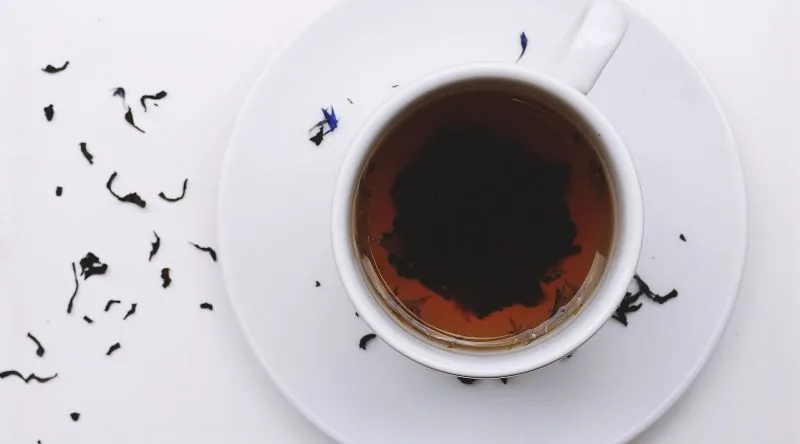
Drinking too much tea can cause real side effects, and Turkey's national tea habit puts that risk on the table every single day. The country runs on small, tulip-shaped glasses of strong black tea, poured from morning until late at night. That comfort ritual is mostly harmless, but the too much tea side effects people talk about are not imaginary. Tannins can interfere with iron, caffeine can steal sleep, and cutting back suddenly can bring on a headache.
In Turkey, where strong black tea is drunk all day, heavy consumption can reduce iron absorption because of tannins, disrupt sleep and raise anxiety from caffeine, and trigger headaches when intake drops. Most people tolerate moderate amounts well, but large daily volumes, especially around meals, carry real downsides.
- Turkey is one of the world's largest tea-drinking nations, and black tea is served in small glasses throughout the day.
- Tannins in black tea can bind iron in food and reduce how much the body absorbs, which matters most for people already low on iron.
- Tea contains caffeine, and drinking it late in the day can interfere with sleep and worsen anxiety in sensitive people.
- Cutting back suddenly on a heavy tea habit can produce headaches and irritability as part of caffeine withdrawal.
- Drinking tea between meals rather than with iron-rich foods is a simple way to limit the downsides.
Turkey's Tea Habit and the Question Nobody Asks
Turkey sits among the highest tea-consuming countries on earth per capita, a fact tracked year after year by the International Tea Committee in its annual statistics. Walk through any neighborhood in Istanbul or a village in Anatolia and you'll see the proof: slim tulip-shaped glasses, steam curling off the top, the little spoon resting on the saucer. Tea isn't a beverage here. It's the punctuation between conversations.
But a habit that big has a quiet cost, and that's where the too much tea side effects conversation gets interesting. On December 8, 2023, a writer posting as "lorlen" on the Turkish site Ekşi Şeyler filed a piece under the food and drink channel that asked a simple question: can drinking this much tea actually hurt you? The answer, it turns out, is a soft yes, with an asterisk.
Here's the asterisk. No two bodies process tea the same way. Metabolism differs. Genetic predisposition differs. Diet differs. So the same eight glasses a day that leave one person feeling fine might leave another person jittery, sleepless, or running low on iron. The effects are real, but they land at different rates in different people.
That's the part most of us never think about while we're pouring the second round. We know caffeine keeps us up. We may not know it can stir up stress, restlessness, and anxiety in ways that don't announce themselves. We know tea feels gentle. We may not know what its tannins are doing to the iron on our plate.
None of this means you should put down the glass. It means the national habit deserves a closer look, one that takes your own body into account. The sections ahead break down what the tea is actually doing, and why the answer depends so much on who's holding the glass.
Does Tea Really Block the Iron in Your Food?
Tea is rich in tannins, and those tannins do something you never notice while you sip: they bind to iron from your food inside the digestive system and can block its absorption. Back in 1999, researchers Hurrell, Reddy and Cook showed in the British Journal of Nutrition that tea polyphenols grab onto non-heme iron and stop it from being absorbed. The result has a plain name, reduced iron absorption. It sits near the top of the list of tea's downsides, and it's the one you feel last.
Here is the part that makes it sneaky. You do not taste a blocked mineral. There is no bitter note, no warning on the glass. Iron quietly fails to arrive, and over time the body can slide into iron deficiency, a shortfall that builds across months of ordinary breakfasts and afternoon refills rather than in a single cup.
Think about who carries the most risk. Anyone leaning on plant-based and iron-rich foods, lentils, beans, spinach, whole grains, is drinking from the same well where tannins do their work. The pairing matters more than the quantity. A strong brew poured right over an iron-heavy meal is the worst arrangement, and it is also the most common one at a Turkish table, where the glass tends to arrive just as the food does.
The fix is not to quit tea. It is to notice the invisible cost, and to give iron its own window, away from the cup.
Can Too Much Tea Cause Anxiety and Sleep Problems?
Every cup of tea carries caffeine, and heavy caffeine intake is well documented to cut into your sleep. A 2013 study by Drake and colleagues in the Journal of Clinical Sleep Medicine found that caffeine taken even six hours before bed measurably disrupted sleep. That part most tea drinkers already know. The piece they tend to miss is the anxiety.
Caffeine doesn't just keep you awake. The American Psychiatric Association's DSM-5, the standard diagnostic manual for mental health, lists caffeine among the substances that can trigger restlessness, nervousness and genuine anxiety, especially at higher doses. The source account of too much tea side effects makes this point directly: stress, restlessness and anxiety can follow heavy caffeine intake, and a lot of people have no idea the link exists. They blame their racing mind on work or the news, never on the sixth glass steeping on the counter.
Think about how quietly it works. You don't feel "wired" the way you might after strong coffee. The jitter is subtler, a low hum of unease that shows up around mid-afternoon and gets mistaken for mood.
There's no clean line where tea turns on you. The source offers no milligram count and no cup limit, because the honest answer is that it depends. Metabolism, genetics and diet all shift how hard the caffeine lands, so two people drinking the same amount can feel completely different things. What's worth noticing is the pattern: if your sleep is thinning and your nerves are fraying and the tea kettle is always warm, those might not be separate problems.
This is the surprise hiding in a comforting habit. The drink that relaxes you in the moment can, in volume, quietly work against the calm you were chasing.
Headaches: Helpful, Harmful, or Just Unclear?
Caffeine really can quiet some headaches. The International Headache Society's guidelines and Cochrane reviews both support caffeine as an adjuvant analgesic, meaning it sharpens the pain relief of acute migraine and tension-type headache treatment. So the idea that a strong cup can dull a throbbing head is not folklore. It has evidence behind it.
Then the source account makes a claim I can't repeat with full confidence. It suggests that in chronic headaches of unknown cause, caffeine intake should be considered. That is a suggestion, not established medical guidance. According to the International Classification of Headache Disorders (ICHD-3), the standard warning runs the other way: chronic overuse of caffeine can itself cause or worsen a rebound headache. The very substance offered as a remedy can be the thing keeping the pain circling back.
Intermittent caffeine can ease some acute headaches. This is the settled part.
"Consider caffeine" for chronic headaches of unknown cause is the source's suggestion, not established guidance. Standard advice flags rebound risk instead.
Why does the distinction matter for too much tea side effects? Because a person with a nagging daily headache might read "caffeine should be considered" and pour another glass, when the smarter move may be to count how many they have already had. The honest read: caffeine helps a headache that arrives now and then. A headache that never quite leaves deserves a closer look, and possibly less caffeine, not more.
Frequently asked questions
What are the side effects of drinking too much tea?
The main too much tea side effects are reduced iron absorption, stress and restlessness, poorer sleep, and effects tied to headaches. Tea tannins can block iron in the digestive system, while the caffeine in tea leaves keeps the body aroused and can delay sleep. How strongly any one person feels these effects depends on metabolism, genetics and diet.
How does tea reduce iron absorption?
Tannins, the polyphenol compounds naturally present in tea, bind to iron inside the digestive system. Once bound, that iron cannot be taken up properly by the body, and over time the shortfall can contribute to iron deficiency. A 1999 study by Hurrell, Reddy and Cook in the British Journal of Nutrition documented this inhibition of non-haem iron absorption by polyphenol-rich drinks.
How much tea is too much?
There is no single number that fits everyone. The source makes the point plainly: metabolism, inherited tendencies and overall diet differ from person to person, so the same amount of tea lands differently on different bodies. Some people feel the effects of heavy tea drinking sooner than others, and the threshold shifts with what else is on the plate.
Is tea linked to headaches?
Partly, and the picture cuts both ways. Caffeine is a recognized adjuvant in treating acute migraine and tension-type headache, so occasional caffeine intake can genuinely ease some headaches. The suggestion that caffeine should be considered for chronic headaches of unknown cause is contested, and standard headache guidance instead warns that chronic caffeine overuse can cause or worsen rebound headache.
Why can too much tea cause stress and sleep problems?
Because tea leaves contain caffeine, and caffeine is a stimulant. Heavy caffeine intake raises arousal, and at higher doses it produces restlessness and anxiety, a documented effect in the DSM-5. Sleep suffers too: a 2013 study by Drake and colleagues in the Journal of Clinical Sleep Medicine found that caffeine taken even six hours before bed delayed sleep onset and worsened sleep quality. Editorial note: Any details that remain unconfirmed are presented as such, and general health guidance here is not a substitute for personal medical advice.
Got a take on this? Add your voice to the conversation below →
No comments yet. Be the first.