Humpty Dumpty Origin: The Real Story Behind the Rhyme
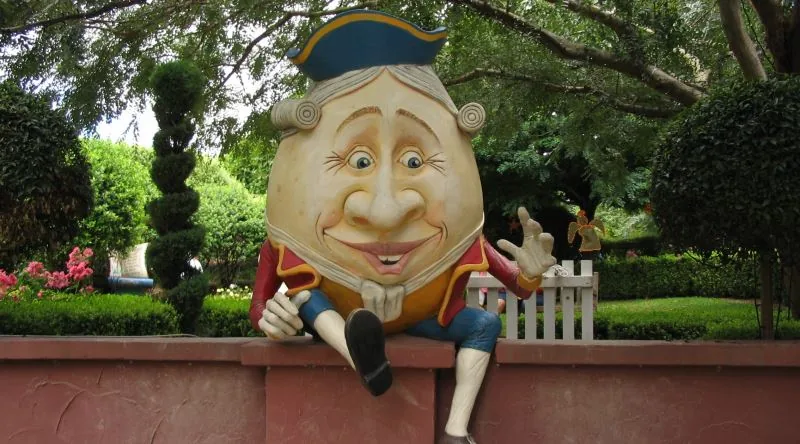
The Humpty Dumpty origin story begins with a riddle commonly dated to 1797, though the exact first publication is disputed. The character we picture as a fragile egg only became that way in 1871 through Lewis Carroll's "Through the Looking-Glass." Before that, Humpty Dumpty was likely a clumsy person, a cannon, or even a king, depending on which historical theory you trust. The rhyme's simple four lines have sparked centuries of speculation, making it one of the most enduring and debated nursery rhymes in English history.
The Humpty Dumpty nursery rhyme is commonly dated to a 1797 publication, though that date is disputed. While folk theories link the rhyme to King Richard III or a Civil War cannon, neither has reliable supporting evidence. The egg imagery became fixed in 1871 when Lewis Carroll depicted Humpty Dumpty as an egg in his novel, shaping the character we know today.
- The earliest known publication of the Humpty Dumpty rhyme is commonly cited as 1797, though the exact date is disputed.
- The 1797 version was presented as a riddle, though the rhyme itself never mentions an egg.
- Lewis Carroll's 1871 novel "Through the Looking-Glass" depicted Humpty Dumpty as an egg, cementing that image in popular culture.
- A popular folk theory suggests Humpty Dumpty was a cannon used during the English Civil War, though it lacks reliable contemporary evidence.
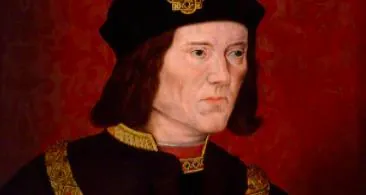
- Some historians suggest the rhyme refers to King Richard III, who was killed at the Battle of Bosworth Field in 1485.
The Humpty Dumpty Origin: A Rhyme That Refuses to Sit Still
Who was Humpty Dumpty, and why does his fall still puzzle us? The answer is that we genuinely do not know, and that uncertainty is exactly what keeps this four-line rhyme alive after centuries of telling. The Humpty Dumpty origin remains one of nursery rhyme history's most stubborn mysteries, debated by historians, folklorists, and casual readers alike.
Every English-speaking child knows the verse by heart. Humpty sits on a wall, takes a great fall, and all the king's horses and all the king's men cannot put him back together. It is a tiny story with a grim ending, wrapped in a sing-song rhythm that makes it unforgettable. The rhyme is famous worldwide, yet no one can say with certainty who first wrote those four lines or what they originally meant.
What we do know is that the words have shifted over time. The version most people recite today was shaped by James William Elliott, who in 1870 gathered numerous English songs and nursery rhymes, set them to music, and included "Humpty Dumpty" in the collection later published as Mother Goose's Nursery Rhymes and Nursery Songs Set to Music. Before Elliott's arrangement, the rhyme's traces reach back into the eighteenth century, with different wordings appearing in different printings. The earliest known printed lyrics, commonly cited as 1797, tell the same basic story but with a different ending: "four-score men and four-score more, could not make humpty dumpty where he was before."
So the rhyme itself is old, but its meaning is wide open. Some see it as a simple riddle about something fragile. Others have built elaborate theories around it, turning Humpty into kings, cannons, and even siege engines. The only thing everyone agrees on is that the rhyme refuses to sit still, changing shape with every retelling.
From 18th-Century Riddles to a 1797 Print: The Paper Trail
Before Humpty Dumpty ever wobbled onto a nursery page, the phrase itself was already bumping around English slang. In 1785, Francis Grose published his Classical Dictionary of the Vulgar Tongue, and there it was: "humpty dumpty" meant a short, clumsy person of either sex, or alternately, a drink of brandy boiled with ale. So the name had a life before the rhyme ever did, and that life was equal parts unflattering and boozy.
The rhyme's roots trace back to the 18th century, though pinning down the very first printed version gets slippery. The most commonly cited date is 1797, but that claim is contested, with some researchers pointing to earlier or later printings. What nobody disputes is that the author of those four famous lines remains unknown. Whoever wrote them left no name behind, just a riddle that refused to stay solved.
The tune we know today came together in 1870, when James William Elliott gathered dozens of English songs and nursery rhymes and set them to music. His collection, later published as Mother Goose's Nursery Rhymes and Nursery Songs Set to Music, included "Humpty Dumpty" and gave the old riddle its lasting melody. Before Elliott's arrangement, the words had shifted and drifted through oral tradition, with different versions swapping out lines and details as they passed from one teller to the next. The earliest known printed lyrics, commonly dated 1797, read quite differently from the modern version, counting "four-score men and four-score more" instead of the king's horses and men. The riddle was the same, but the telling kept changing, right up until Elliott's sheet music froze one version in place for generations of children to sing.
Was Humpty Dumpty a King, a Cannon, or Just a Clumsy Person?
The short answer is that nobody knows for certain, and that uncertainty is exactly what makes the Humpty Dumpty origin so fascinating. Over the centuries, people have argued that he was a king, a piece of artillery, a failed war machine, or simply a word for a clumsy person. Each theory has its supporters, and each one paints a completely different picture of the famous egg who took that great fall.
The most widely repeated theory points to English history. Some historians suggest that Humpty Dumpty represents King Richard III, who was defeated and killed at the Battle of Bosworth Field in 1485. In this reading, the wall symbolizes his struggle to hold onto the throne, the fall represents his defeat, and "all the king's horses and all the king's men" stands for the army that could not save him. It is a neat parallel, and it gives the rhyme a tragic political weight that a simple children's verse would otherwise lack.
Another popular theory claims that Humpty was actually a cannon. According to this account, during the English Civil War, a one-eyed gunner named Thompson managed to haul a large cannon up to the tower of St Mary at the Walls church. The weapon reportedly caused terrible destruction among the forces below until enemy fire knocked it down, giving the rhyme its "great fall." It is a colorful tale, but it lacks reliable contemporary evidence, so it remains more legend than fact.
Professor David Daube offered a third interpretation, suggesting that Humpty Dumpty referred to a failed armored siege engine used during the Siege of Gloucester. Academics, however, found the theory far-fetched and rejected it, so it never gained much traction.
What we do know with more certainty comes from Francis Grose's 1785 Classical Dictionary of the Vulgar Tongue. Grose defined "humpty dumpty" as a short, clumsy person of either sex, or alternatively as a drink made of brandy boiled with ale. That dictionary entry, published well before the rhyme became famous, suggests the name might have simply described a clumsy fellow who took a tumble, with no hidden royal or military meaning at all.
Why Is Humpty Dumpty Always Drawn as an Egg?
The egg image of Humpty Dumpty became fixed in popular imagination largely through two influential figures: stage performer George L. Fox and author Lewis Carroll. Fox played the character as an egg-like figure in theatrical productions, and Carroll explicitly described Humpty Dumpty as an egg in his 1871 book "Through the Looking-Glass." Yet the original rhyme never once mentions an egg.
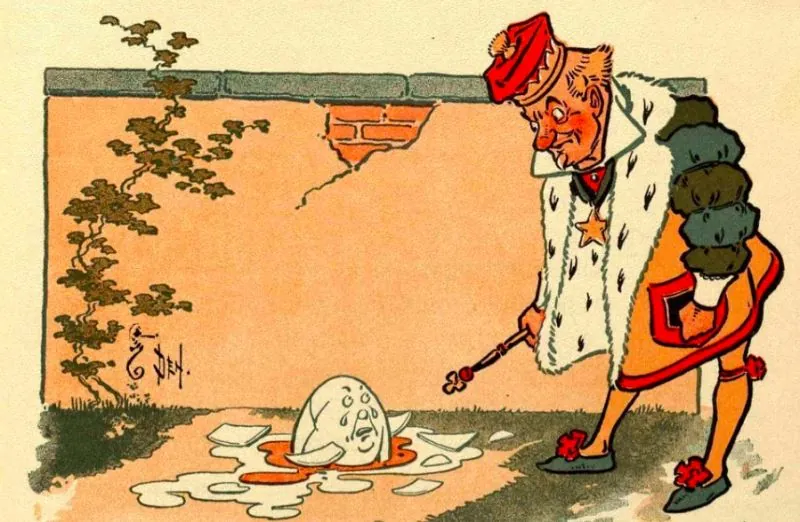
The visual stuck because it makes such intuitive sense. An egg is fragile, it cracks easily, and once it breaks, no amount of royal manpower can put it back together. That fragility mirrors the rhyme's core tragedy perfectly. The image became so iconic that generations have simply assumed the rhyme was always about an egg, even though the earliest known versions contain no such reference.
Carroll's contribution deserves special attention. In "Through the Looking-Glass," he presents Humpty Dumpty as a pompous, egg-shaped character who sits on a wall and has a conversation with Alice. That portrayal, published in 1871, cemented the egg association in Victorian England and beyond. Fox's theatrical work around the same period reinforced it visually for audiences who might not have read Carroll.
The irony is that the rhyme's power never depended on the egg at all. The words work perfectly well without a specific image attached. But once the egg took hold, it became inseparable from the character. Ask anyone today to picture Humpty Dumpty and they will describe an egg sitting on a wall, waiting for a fall. The rhyme never told us that, but the image has become the story itself.
The Oldest Known Lyrics and a Modern Translation
The version most of us can recite today goes like this: "Humpty Dumpty sat on a wall, / Humpty Dumpty had a great fall. / All the king's horses and all the king's men, / Couldn't put Humpty together again." It is the version that has been sung in classrooms and living rooms for generations, the one that makes toddlers giggle at the image of a clumsy character who simply cannot be fixed.
But the rhyme did not always sound that way. The oldest known lyrics, which are commonly dated to 1797, tell a slightly different story: "Humpty Dumpty sat on a wall, / Humpty Dumpty had a great fall. / Four-score men and four-score more, / Could not make Humpty Dumpty where he was before." Notice the difference. No kings, no horses, just eighty men and then eighty more, all failing to restore Humpty to his former spot. The exact first publication of the rhyme is disputed, with some sources pointing to earlier or later printings, but this 1797 version is the earliest we can trace with any confidence.
Since the original source presents the lyrics in both English and Turkish, here is the modern version in Turkish to preserve that bilingual flavor:
Humpty Dumpty bir duvarın üzerine oturmuş.
Humpty Dumpty büyük bir düşüş yaşadı.
Kralın tüm atları ve tüm adamları,
Humpty'yi tekrar bir araya getiremedi.
And for the 1797 version, the Turkish rendering reads: "Humpty Dumpty duvarın üzerine oturdu, / Humpty Dumpty büyük bir düşüş geçirdi. / Onlarca adam ve daha da onlarca adam / Humpty'yi önceden olduğu yere getiremedi."
What is striking about comparing the two is how the rhyme evolved. The older version feels more like a puzzle, a riddle about something that cannot be put back together no matter how many people try. The modern version adds the king's horses and men, giving it a more royal, almost military flavor. Somewhere along the way, the rhyme shifted from a simple counting verse to the story we know today, and that shift is part of what makes the Humpty Dumpty origin so fascinating to trace.
Frequently asked questions
What is the origin of the Humpty Dumpty nursery rhyme?
The rhyme's paper trail begins in 18th century England, with the first known publication commonly cited as 1797, though scholars disagree on that exact date. In 1870, composer James William Elliott gathered many English songs and nursery rhymes, set them to music, and included "Humpty Dumpty" in his collection later published as Mother Goose's Nursery Rhymes and Nursery Songs Set to Music . Who originally wrote the four-line verse remains unknown.
Who was Humpty Dumpty really?
Nobody can say with certainty. The theories range from King Richard III, who was defeated at the Battle of Bosworth Field in 1485, to a cannon used during the English Civil War. Some historians believe Humpty Dumpty was simply a riddle about anything breakable. What is clear is that the character's fragility made him a natural fit for the egg imagery that later became iconic.
Why is Humpty Dumpty depicted as an egg?
The egg image came from two key figures: George L. Fox, a 19th century American actor who played Humpty Dumpty as an egg-like character on stage, and Lewis Carroll, whose 1871 book Through the Looking-Glass explicitly describes Humpty Dumpty as an egg. The character's complete inability to be put back together made the egg a perfect visual metaphor for irreversible breakage.
Was Humpty Dumpty about King Richard III?
Some historians have suggested this theory, but it remains speculative. The idea goes that Humpty Dumpty represents King Richard III, who was killed at the Battle of Bosworth Field in 1485. In this reading, the wall stands for his struggle to hold onto power, his great fall is his defeat, and the king's horses and men are the army that could not save him. It is a compelling story, but there is no contemporary evidence linking the rhyme to Richard.
How did the Humpty Dumpty cannon theory start?
This is a folk theory without reliable evidence. As the story goes, during the English Civil War, a one-eyed gunner named Thompson placed a cannon nicknamed "Humpty Dumpty" on the tower of St Mary at the Walls church in Colchester. The cannon caused great damage to the forces below until enemy fire knocked both gunner and cannon down, giving Humpty his "great fall." Despite its popularity, no primary historical records confirm this account.
What did the 1785 dictionary say about Humpty Dumpty?
Francis Grose's Classical Dictionary of the Vulgar Tongue , published in 1785, offers a very different picture. Grose defined "humpty dumpty" as a short, clumsy person of either sex, or alternatively as a drink made of brandy boiled with ale. This suggests the term existed in everyday speech before it became a nursery rhyme, and the verse may have grown out of one or both of these meanings.
Did Lewis Carroll influence the Humpty Dumpty egg image?
Yes, decisively. Carroll's Through the Looking-Glass , published in 1871, features Humpty Dumpty as a talking egg who sits on a wall and has a conversation with Alice. This depiction cemented the egg image in the public imagination. George L. Fox had already played Humpty as an egg-like character in American theater, but Carroll's literary version gave the image lasting global reach.
What are the oldest known Humpty Dumpty lyrics?
The version commonly dated to 1797 reads: "Humpty Dumpty sat on a wall, / Humpty Dumpty had a great fall. / Four-score men and four-score more, / Could not make Humpty Dumpty where he was before." This earlier text differs from the familiar modern version, which mentions the king's horses and men. The 1797 lines emphasize the sheer number of people who failed to restore him, a detail that later versions dropped. Editorial note: Any facts which remain unconfirmed are presented as such, including the Civil War cannon and Richard III theories, which lack supporting historical documentation.
Got a take on this? Add your voice to the conversation below →
No comments yet. Be the first.