Did Yoko Ono Break Up The Beatles? The Real Reasons
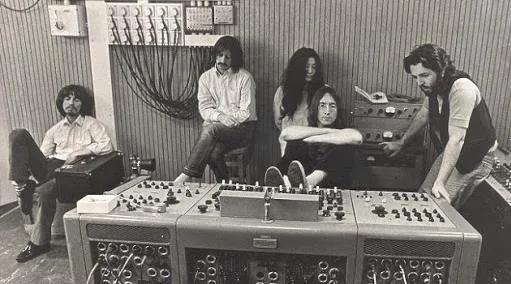
Did Yoko Ono break up The Beatles? The band dissolved in 1970, and the question has followed her ever since. The truth is messier and more human than the popular story. Four men who had spent a decade growing up in public were already pulling in different directions. Yoko Ono was a visible presence in the studio, but historians treat her as one aggravating factor among many rather than the engine of the collapse.
The Beatles broke up in 1970 for a mix of reasons: the death of manager Brian Epstein in 1967, business chaos at Apple Records, growing creative and personal distance between the members, and John Lennon's deepening partnership with Yoko Ono. Historians generally treat Yoko as a convenient target rather than the cause.
- The Beatles effectively stopped touring in 1966 and retreated into the studio, which magnified every personal tension.
- Brian Epstein, their manager, died in August 1967, leaving the group without the mediator who had held them together.
- John Lennon and Yoko Ono began their relationship in 1968, and she became a constant presence at Beatles sessions.
- The Get Back sessions in January 1969, later released as Let It Be, captured the band visibly fraying on camera.
- Paul McCartney announced his departure from the group in April 1970, and the split became public.
The Beatles Break Up: It Was Never Just Yoko Ono
Did Yoko Ono break up The Beatles? The honest answer, according to historians, is that she was not the cause on her own. Researchers who have combed the band's session tapes and business records treat John Lennon's wife as one aggravating factor among many. The collapse came from leadership fights, Apple's money troubles, and four men who simply wanted separate lives.
Still, the myth refuses to die, and you can see why. Yoko Ono was in the room. She sat beside Lennon through take after take, through meetings that had once belonged to four friends alone. Paul McCartney, George Harrison and Ringo Starr had spent years guarding that closed circle, and her constant presence broke the unwritten rule. According to the standard accounts, they resented it. Lennon's immersion in that relationship, and in the art projects he and Ono made together, pulled his attention away from the band with real force. That part is documented, not gossip.
But a marriage is not a business plan, and The Beatles had several of those going wrong at once. Apple Corps launched in 1968, and its poorly managed ventures bled money badly by 1969 and 1970. Brian Epstein, the manager who had held everything together since the early days, died on 27 August 1967, and nobody ever filled that space. When the group went looking for someone to rescue the finances, McCartney pushed for Lee Eastman, his own family's attorney, while Lennon, Harrison and Starr backed Allen Klein. Klein got the job. The rift got wider.
Then there was the simple fact of four people outgrowing one name. From 1968 onward they drifted into solo work. Harrison had a backlog of songs he could not get onto Beatles records while McCartney drove the studio with increasing control. Starr walked out during the White Album sessions in August 1968 and only came back after the others talked him round. The January 1969 Get Back sessions, later released as Let It Be, caught the friction on camera: McCartney and Harrison sniping, the atmosphere curdling take by take.
So when someone asks whether Yoko Ono broke up The Beatles, the fair verdict is that the claim is oversimplified and uncertain. She was a factor. She was never the whole story.
Paul McCartney's Control and the Leadership Clash
By 1969, Paul McCartney was no longer just the bass player who could sing. He was the one booking studio time, pushing arrangements, and quietly steering the band's sound. That drive, confirmed across Beatles historiography, is one of the clearest reasons the group's internal balance tipped. And it rubbed people the wrong way, John Lennon most of all.
Think about what a band actually is. Four people who once split everything down the middle. Then one of them starts acting like the one in charge, and the math stops working. Lennon felt it. So did the others.
The Manager Question Nobody Could Agree On
Money forced the issue. The Beatles launched Apple Records in 1968, and the venture bled cash almost immediately. Brian Epstein, the manager who had held the business side together, had died on 27 August 1967, and nobody stepped into that vacuum cleanly.
McCartney wanted Lee Eastman, a relative, handling the group's finances. Lennon, George Harrison and Ringo Starr went the other way. They backed Allen Klein. Klein got the job, and the rift between McCartney and the rest only widened from there.
Harrison Wanted Room. McCartney Wanted the Wheel.
Here's the quieter friction. Harrison had a backlog of songs piling up, and he wanted more of them on record. McCartney, meanwhile, kept tightening his grip on the studio. Two people pulling in opposite directions in the same room, and the room was getting smaller.
Ringo Starr even walked out for a stretch during the 1968 White Album sessions, around August, before the others talked him back. That should have been the warning shot.
Then Came the Cameras
The January 1969 Get Back sessions, later released as Let It Be, put the friction on film. Arguments between McCartney and Harrison played out in front of rolling tape. What had been private strain became a documented record of a band coming apart.
So when people ask whether Yoko Ono broke up The Beatles, the honest answer starts here: the band was already fracturing over control, money and creative space before anyone pointed a finger at her.
John Lennon, Yoko Ono, and the Studio Presence
John Lennon's immersion in his relationship with Yoko Ono genuinely pulled him away from the group. That part is not legend. He and Ono worked on joint projects, made art together, and treated their partnership as a single creative unit. The Beatles had always run on four distinct personalities colliding in one room. Now one of those four was arriving with a fifth person attached.
That is where the studio problem began. Ono attended the recording sessions. She sat in on group meetings. She was simply there, day after day, at a time when the band still operated on an unspoken rule that nobody's spouse or girlfriend belonged inside the working space. The other three did not welcome it. McCartney, Harrison, and Starr all resented the near-constant presence, and the resentment was not really about Ono as a person. It was about a closed circle that had just been pried open.
So the honest answer to did Yoko Ono break up The Beatles is that historians treat her as one aggravating factor among many rather than a primary cause. The marriage didn't end the band. It changed the temperature of the room the band was already struggling to share.
And the room was already hot. Lennon wasn't the only one drifting. As the story goes, the fractures ran in every direction at once, and the sessions captured on film would eventually show them plainly. Ono's chair in the corner was simply the most visible change in a band that was quietly changing everywhere else.
Apple Records, Brian Epstein's Death, and the Money Problem
Brian Epstein died on 27 August 1967, and with him went the one person who had kept The Beatles' business affairs in order since 1962. He was 32. The band had just released Sgt. Pepper's Lonely Hearts Club Band and were at the peak of their commercial power. They had no manager, no accountant they trusted, and no plan for what to do with the money that was pouring in.
So in 1968 they built their own solution: Apple Corps, with Apple Records as its flagship. The idea was utopian. Instead of paying taxes on their fortune, they would reinvest it in a creative empire. They opened a boutique on Baker Street. They signed artists. They funded film projects, electronic music, and a division called Zapple for spoken word and avant-garde recordings. The problem was that nobody was watching the till. Apple's offices became a revolving door of hangers-on, and by 1969 the company was bleeding cash at a rate that alarmed even the band.
The Beatles founded Apple Records in 1968, and the venture's poorly managed side projects contributed to significant financial losses by 1969 and 1970.
With Epstein gone, someone had to take the wheel. Paul McCartney suggested Lee Eastman, a New York entertainment lawyer who happened to be his father-in-law. The other three recoiled. John Lennon, George Harrison, and Ringo Starr wanted Allen Klein, a brash American accountant who had renegotiated contracts for The Rolling Stones and Sam Cooke. Klein flew to London, promised to recover millions in uncollected royalties, and got the job. McCartney was outvoted, and the decision cut a line through the band that never healed.
This is the part of the story that rarely gets told in the "Yoko Ono broke up The Beatles" version. By 1969 the group was already fracturing along business lines. Lennon, Harrison, and Starr were on one side of the conference table. McCartney was on the other. The money problem did not just distract them from the music. It gave them a reason to stop trusting each other.
Solo Ambitions, Ringo's Exit, and the Let It Be Sessions
By 1968 the four of them were no longer only Beatles. Solo work pulled them in separate directions, and the band's center of gravity started to slip. George Harrison had a growing stack of his own songs he wanted heard, while Paul McCartney wanted a firmer hand on the group's musical direction. That push and pull wore on everyone, and it showed up first in the studio.
During the White Album sessions, around August 1968, Ringo Starr walked out. He had simply had enough, and for a stretch the drummer's stool sat empty. The others talked him back, and he returned to finish the record. A band member leaving and coming back was not a small thing, and nobody in the room treated it as one.
Then came January 1969 and the Get Back project, the sessions that eventually became Let It Be. The cameras rolled while the four of them worked, and the footage caught what the smiles usually hid: open friction, clipped exchanges, a room running out of patience. Paul and George clashed repeatedly, and the tension in those recordings became the image people still picture when they talk about the band coming apart.
So did Yoko Ono break up The Beatles? Not on her own, according to historians who treat her as one aggravating factor among many rather than a primary cause. Her intense partnership with John Lennon did pull him away from the group, and her near-constant presence at sessions and meetings grated on the others. But that was one strand in a fraying rope, not the whole story. The Let It Be tapes simply let the world hear the rope tearing.
Frequently asked questions
Did Yoko Ono really break up The Beatles?
No single person broke up The Beatles. Historians treat Yoko Ono, John Lennon's wife, as one aggravating factor among many rather than the cause, so the popular claim that she alone destroyed the band is oversimplified and uncertain. Leadership battles, money troubles, and solo ambitions all played their part.
What were the main reasons The Beatles broke up?
Several pressures converged between 1968 and 1970: Paul McCartney's drive for musical and managerial control, John Lennon's intense relationship with Yoko Ono, financial losses at Apple Records, individual career ambitions, and the strained Let It Be sessions of January 1969. No single factor explains the split on its own.
How did Brian Epstein's death affect The Beatles?
Manager Brian Epstein died on 27 August 1967, and his absence removed the stabilizing business figure who had guided the band's affairs. Without him, poorly managed ventures at Apple Corps contributed to significant financial losses by 1969 and 1970, deepening the group's internal strain.
Why did Paul McCartney and John Lennon clash over leadership?
By 1969 and 1970, McCartney increasingly drove the group's musical direction and wanted the Eastman family to manage its finances. Lennon resented that push, and the rift widened when McCartney proposed Lee Eastman instead of Allen Klein, whom Lennon, George Harrison, and Ringo Starr favored.
What happened with Apple Records that hurt The Beatles?
Apple Corps and Apple Records launched in 1968 as the band's own business venture. Poorly managed projects drained money rather than generating it, and by 1969 and 1970 the company had produced significant financial losses that fed directly into the group's growing disagreements.
Was Yoko Ono's presence in the studio a problem for The Beatles?
Yes. Ono attended recording sessions and group meetings almost constantly, which broke the band's long-standing convention of keeping outsiders out of the studio. McCartney, Harrison, and Starr resented her near-constant presence, and it sharpened the tensions already building inside the group.
Did the Let It Be sessions cause the Beatles to split?
The January 1969 Get Back sessions, later released as Let It Be, intensified existing tensions and captured open friction on film, including disagreements between McCartney and Harrison. They were painful evidence of the breakdown rather than its sole cause, one part of a much larger unraveling.
Who was more responsible for the Beatles breakup: Paul or John?
Both contributed. McCartney's drive to control the group's music and management irritated the others, while Lennon's immersion in his relationship with Ono weakened his engagement with the band. Neither man acted alone, and the split grew from their combined pull in opposite directions. Editorial note: Details of the band's internal dynamics are drawn from well-documented accounts, and any points that remain disputed among those who were there are presented here as contested rather than settled.
Got a take on this? Add your voice to the conversation below →
No comments yet. Be the first.