Merinos Factory: Atatürk's 1921 Wool Gamble
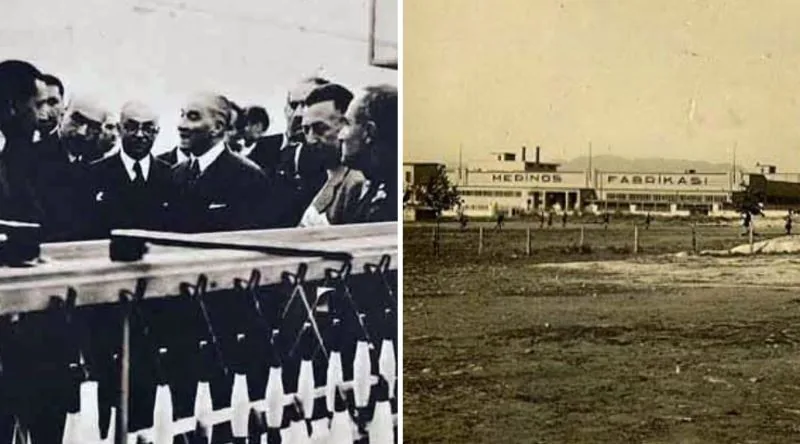
The Merinos Factory is a wool mill in Bursa, Turkey. The story goes that the idea behind it was born in 1921, when Mustafa Kemal Atatürk argued for a modern textile industry on the eve of the Battle of Sakarya, a bet on factories instead of imports. Years later it grew into one of the country's most important wool manufacturers, and its story still shapes how Turkey talks about self-reliance.
The Merinos Factory in Bursa is said to have grown out of a 1921 idea pushed by Mustafa Kemal Atatürk around the Battle of Sakarya. It became a major wool mill, produced fine Merino wool fabric at home, and is often seen as a symbol of early industrial ambition.
- The Merinos Factory is said to have been conceived in 1921, when Mustafa Kemal Atatürk called for a modern wool industry around the Battle of Sakarya.
- It was built in Bursa, a city tied to textile production in Turkey.
- The factory reportedly began operations in 1938 under Sümerbank, the state industrial holding created to drive Turkey's manufacturing push.
- It grew into a major wool mill, producing Merino wool fabric that had previously been imported.
- The site remains part of Bursa's industrial heritage and is tied to the broader story of Turkish textile manufacturing.
A Factory Born on the Eve of Battle
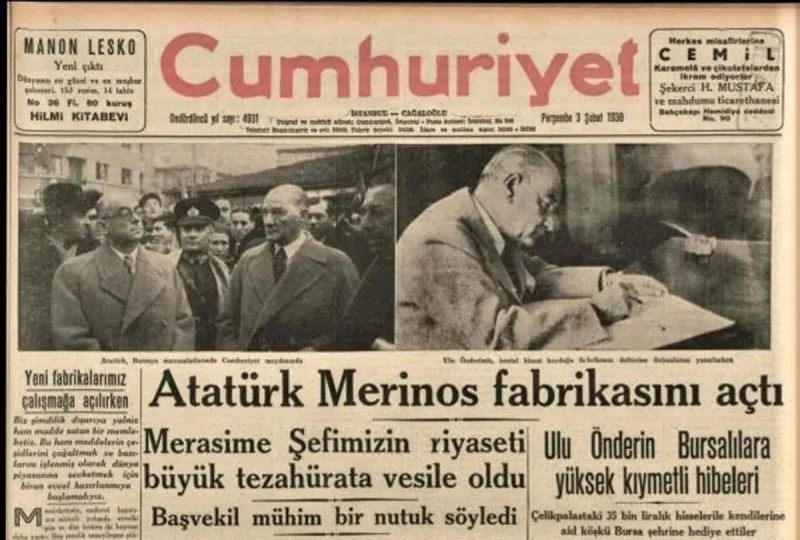
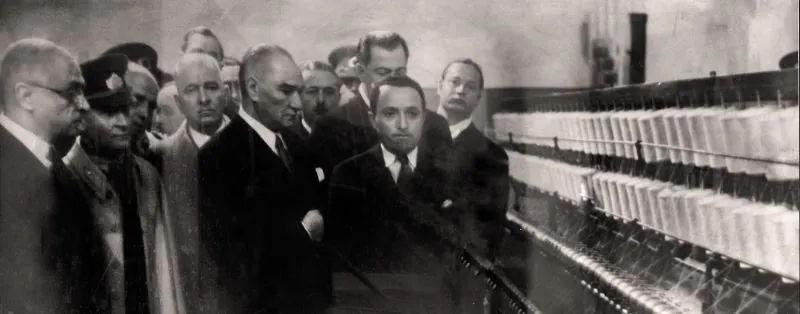
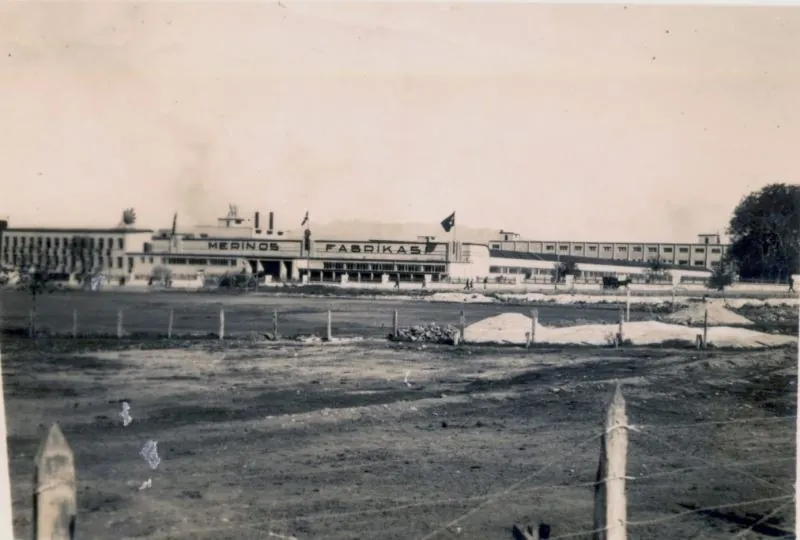
Some factories start with a business plan. This one started with a question about English cloth. The Merinos Factory, formally the Sümerbank Merinos Yünlü Sanayi Dokuma Fabrikası, stands in Bursa as one of the most valuable industrial legacies left by Mustafa Kemal Atatürk. Its foundation stone was laid in 1935, and it reportedly began production in 1938. The story goes that the opening fell during Atatürk's final visit to Bursa, though the records do not fully confirm that the two events lined up.
But the account's real claim digs much deeper than 1935. It says the idea for the Merinos Factory was born in 1921, on the eve of the Battle of Sakarya. That battle, fought from August 23 to September 13, 1921, was one of the turning points of the Turkish War of Independence. According to the story, the whole plan took shape in a single night at Atatürk's headquarters in Polatlı.
Picture the moment. The Turkish army had just lost the Kütahya-Eskişehir battles and pulled back east of the Sakarya River. The Greek army had taken Eskişehir and was marching on. Ankara was close. The next day, the great Greek offensive would begin.
That night, Atatürk gathered his staff officers. Everyone expected him to lay out the final defensive measures. Instead, he asked them a strange question: why is English cloth the finest in the world? The room went quiet. One officer answered that English cloth is as thin and soft as silk. Atatürk pressed on. What makes wool cloth thin and soft? The yarn. What makes yarn fine? The fiber inside it. And which sheep has fine fiber?
His answer was the merino, the sheep raised in Australia. Anatolian sheep, especially those of eastern Anatolia, carry thick fiber. Thick fiber means thick yarn, and thick yarn means coarse cloth, carpets and blankets. The English, he explained, import merino wool, spin it into yarn, and weave their famous cloth from it.
Then came the part that stunned the officers. After the victory, he said, they would focus on the textile industry. They would buy live merino sheep from Australia and crossbreed them with the sheep of the Marmara region, whose fiber was the finest in the country. As the story goes, the offspring would be bred back to merino sheep again and again until a hybrid close to the Australian merino emerged, to be called the merinos sheep. From its fleece they would spin yarn, then build a factory to weave cloth on par with English cloth, and that cloth would be called merinos cloth.
The enemy was at Ankara's doorstep, and the commander was talking about sheep and weaving. According to the account, that midnight conversation laid the foundations not only of the Bursa factory but also of a merino sheep breeding farm. The story places that farm in Bandırma, though the specific location is not firmly documented. He believed in victory before he had it, and he was already building the country that would come after.
The Night at Polatlı: Why British Cloth?
After the Kütahya and Eskişehir battles, the Turkish army had pulled back east of the Sakarya River. Greek forces had taken Eskişehir and were pushing toward Ankara. At his headquarters in Polatlı, on the eve of the Greek offensive, Mustafa Kemal gathered his staff officers. Everyone expected a briefing on final defensive measures. Instead, he opened with a question about cloth.
"You know that the finest fabric is British cloth," he began, as the story is told. "Have you ever wondered why? Why is British cloth the best?" The room went quiet. An enemy army was closing on Ankara, and the commander wanted to talk about wool. One officer recovered enough to answer: British cloth is thin and soft, like silk.
That was the opening Atatürk wanted. What makes a woolen fabric thin and soft like silk? No one answered, so he walked them through it himself. It comes down to the yarn. The finer the yarn, the finer and softer the cloth. And what makes yarn fine? The fiber inside it. For fine yarn, you need fine fiber. So which sheep gives fine fiber?
Not the sheep of Anatolia, he explained, and especially not the sheep of Eastern Anatolia. Their fiber is coarse, which means coarse yarn, which means thick, rough fabric, rugs and blankets. The finest-fibered sheep in the world grazes in Australia, and its name is the merino. The British import merino wool, spin it into yarn, and weave the famous cloth that started this whole conversation.
As the story goes, this was the night the idea behind the Merinos Factory took shape, one day before the Battle of Sakarya in 1921. The setting and the conversation are part of Merinos lore rather than verified record. What is certain is the date of the battle itself: Sakarya was fought from August 23 to September 13, 1921. According to the account, Atatürk did not stop at the diagnosis. He told his officers they would import live merino sheep from Australia, crossbreed them with the fine-fibered sheep of the Marmara region, and keep breeding the offspring back toward merino stock until they had a hybrid worth calling a merinos sheep. From that wool they would spin yarn, and from that yarn they would weave cloth to match the British standard. The factory, and the merino breeding farm that would supply it, were sketched out in that room.
The Plan: Australian Sheep, Marmara Crossbreeds, and a Name
Mustafa Kemal Atatürk did not want to buy wool. He wanted to own the means of making it. The idea that shaped the Merinos Factory was simple and stubborn: if Turkey kept importing fine wool from Britain, it would stay dependent forever, so the country should raise its own fine-fibered sheep and spin its own thread.
As the story goes, he laid out the plan in front of his officers at his headquarters in Polatlı, on the eve of the Battle of Sakarya in 1921. The Battle of Sakarya itself was fought from August 23 to September 13, 1921, and the conversation that reportedly took place that night is part of Merinos lore rather than a documented record. According to the account, he began with a question nobody expected: why is English cloth the finest in the world?
An officer offered the obvious answer, that English cloth is thin and soft like silk. Atatürk pushed further. What makes wool feel like silk? The thread, he said, and what makes the thread fine is the fiber it comes from. Anatolian sheep, especially those of eastern Anatolia, carry coarse fiber, good for rugs and blankets. The finest-fibered sheep in the world, he told them, is the merino of Australia, and the English were simply importing that wool, spinning it, and weaving their famous cloth from it.
Then came the part that mattered. Importing merino wool was expensive and kept the country tied to foreign suppliers. Instead, he proposed buying live merino sheep from Australia and breeding them with the sheep of the Marmara region, which he called the finest-fibered of Turkey's own flocks. Their offspring would be bred back to merino sheep, generation after generation, until the hybrid came close to the Australian animal. He already had a name for it: merinos koyunu, merino sheep. The wool from those animals would be spun into yarn, and the yarn woven into cloth equal to British cloth, to be called merinos kumaşı, merino fabric.
The precise crossbreeding detail is reported rather than settled in the available sources, and a merino breeding farm is also said to have been established at Bandırma, though that location cannot be confirmed. What the record does show is that the plan was carried forward. The Merinos Factory was founded under Atatürk's direction, and its foundation stone was laid in 1935. An army waiting on the edge of Ankara heard about sheep, thread and cloth. Years later, Bursa got the building.
From Battlefield Vision to Bursa Factory: 1935, 2004
The Merinos Factory was founded under Atatürk's direction, with its foundation laid in Bursa in 1935. The plant reportedly opened in 1938, during Atatürk's final visit to the city, though the exact timing of that coincidence is contested by some accounts. What began as a yarn-only operation expanded in phases: weaving facilities were added in 1944 and finishing (apre) units in 1946, according to the account. Over time it grew into what is often described as the largest integrated woolen fabric factory in the Middle East and Balkans, a characterization that remains part of its legend more than a verified record.
By the 1960s, the Merinos Factory had become the single most important contributor to Bursa's economy. For decades it anchored the city's industrial identity, its looms and spindles shaping not just fabric but the rhythm of working life in the region. The story also holds that a merino sheep breeding farm was established in Bandırma to supply the fine wool that fed the factory's production, though the precise location of that farm is reported rather than confirmed.
The end came quietly. The factory reportedly closed in 2004, and its land is said to have been transferred to Bursa Metropolitan Municipality free of charge. The exact year and the "free of charge" detail remain unconfirmed in the records, but the closure itself marks the final chapter of a venture that began with a conversation on a battlefield and ended with a deed transfer in a modern city office.
Frequently asked questions
What was the Merinos Factory in Bursa?
The Merinos Factory was the Sümerbank Merinos Yünlü Sanayi Dokuma Fabrikası, a woolen fabric plant in Bursa, Turkey. Its foundation was laid in 1935 under Atatürk's direction, and it reportedly opened in 1938 as a Sümerbank state enterprise built to spin and weave fine woolen cloth at home.
Who founded the Merinos Factory?
It was initiated under Atatürk's direction, with its foundation laid in 1935, and it operated as a Sümerbank enterprise. Sümerbank was the state industrial bank of the early Turkish Republic, and the Bursa plant stood as one of the flagship projects of that era's industrialization push.
Why did Atatürk plan the Merinos Factory during the Battle of Sakarya?
According to the account, Atatürk argued at his Polatlı headquarters, on the eve of the 1921 Battle of Sakarya, that Turkey should not depend on expensive imported British cloth. He reportedly proposed domestic fine-wool production instead. The anecdote is part of Merinos lore and remains contested by historians.
What is the connection between merino sheep and the Merinos Factory?
The plan, as the story goes, was to import Australian merino sheep and crossbreed them with Marmara sheep to create a "merinos koyunu," then spin that fine wool into fabric. The sheep import and breeding program is documented, though the precise crossbreeding detail is reportedly unconfirmed.
When was the Merinos Factory opened and closed?
It reportedly opened in 1938. The factory is said to have closed in 2004, and its land was said to have been transferred to Bursa Metropolitan Municipality free of charge, though the exact closure year and the "free of charge" detail are contested and could not be confirmed.
Did the Merinos Factory achieve its goal of producing fine wool?
The account describes it as becoming the largest integrated woolen fabric factory in the Middle East and Balkans. That characterization is commonly repeated but could not be independently verified. What is documented is that the plant grew into a major contributor to Bursa's economy.
What happened to the Merinos Factory after it closed?
According to the account, the land was transferred to Bursa Metropolitan Municipality free of charge. This detail is reported but contested. The closure and land transfer occurred in the 2000s, though the exact year and terms remain unconfirmed. Editorial note: Details that could not be fully confirmed, including some dates and figures, are presented here as hedged or approximate.
Got a take on this? Add your voice to the conversation below →
No comments yet. Be the first.