Charles Bonnet Syndrome: When Vision Loss Brings Hallucinations
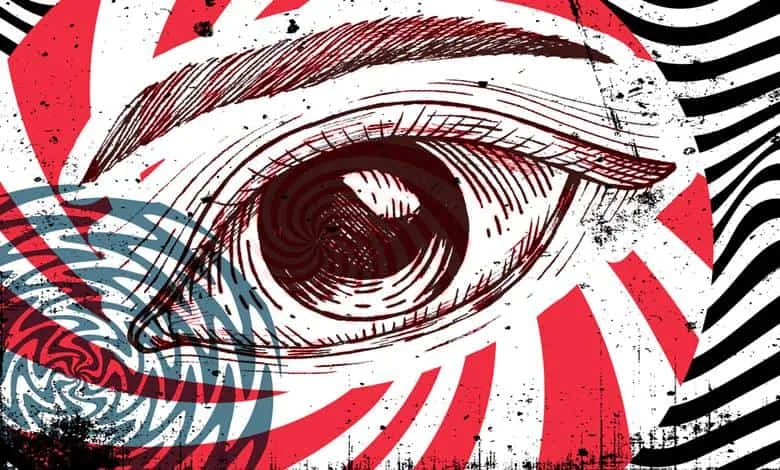
Charles Bonnet syndrome causes vivid, complex visual hallucinations in people with significant vision loss, typically affecting older adults with conditions like macular degeneration or glaucoma, and it was first formally described in the 1760s. For those who experience it, the condition can be unsettling and isolating, yet it carries a crucial silver lining: unlike hallucinations tied to psychiatric illness, people with Charles Bonnet syndrome usually know that what they are seeing is not real, which offers a clear path toward reassurance and practical management.
Charles Bonnet syndrome is a condition where people with vision loss see vivid, often detailed hallucinations, such as patterns, faces, or entire scenes. It occurs in individuals with eye disease or damage to the visual system, and most are aware the images are not real. The hallucinations are not a sign of mental illness and often fade over time.
- Charles Bonnet syndrome was named after the Swiss philosopher Charles Bonnet, who described it in the 1760s after his grandfather experienced hallucinations following vision loss.
- The condition is most common in older adults with age-related vision loss, including macular degeneration, glaucoma, and diabetic retinopathy.
- Hallucinations can range from simple patterns and shapes to complex, lifelike images of people, animals, or landscapes.
- A defining feature is that most individuals with Charles Bonnet syndrome retain insight, meaning they recognize the hallucinations are not real.
- The hallucinations are not a symptom of dementia or psychosis, and they often diminish or disappear on their own over months or years.
When Vision Loss Brings Hallucinations: The Strange World of Charles Bonnet Syndrome
Charles Bonnet syndrome, or CBS, causes vivid visual hallucinations in people who have lost significant vision due to eye, optic nerve, or brain disease. The most reassuring part? Those who experience these phantom images usually know full well that what they are seeing is not real, which sets this condition apart from psychiatric disorders. This strange phenomenon is far more common than most people realize, and it has a fascinating history rooted in an eighteenth-century naturalist's observations of his own grandfather.
Picture this: an elderly man's eyesight is fading, yet his world suddenly fills with colorful, detailed scenes. People in miniature, animals, horse-drawn carriages, buildings, all appearing with startling clarity despite his failing vision. That was the experience of Charles Bonnet's grandfather, and it was so remarkable that Bonnet, a Genevan lawyer and naturalist whose real passion was the natural world, felt compelled to document it. He had spent years corresponding with fellow naturalists and writing books about insects and botany, but this particular account would eventually lend his name to a medical condition recognized worldwide.
Bonnet published his observations of his grandfather's hallucinations in 1769, though the syndrome itself would not receive its official name until the 1930s, when French-Swiss neurologist Georges de Morsier coined the term. The condition typically appears in people who have lost part or all of their vision, often due to macular degeneration, glaucoma, diabetes, stroke, or injury. Interestingly, CBS never occurs in people who are born blind, because the brain needs prior visual experience to generate these intricate hallucinations.
What makes these visions so distinctive is their content. Many people report seeing small figures, often described as Lilliputian, reminiscent of the tiny inhabitants in Jonathan Swift's Gulliver's Travels. These miniature people might walk, run, or play, rendered in vivid colors with three-dimensional perspective that makes them feel startlingly real. The hallucinations can be simple, like lines, shapes, or flashes of light, or complex, such as fully formed images of animals like butterflies. They tend to appear only in the areas where vision has been lost, occur more frequently when the eyes are open, and often surface during quiet, low-light moments.
According to some estimates, Charles Bonnet syndrome may affect roughly ten percent of people with vision problems, though prevalence figures vary widely across studies. What remains constant is the experience itself: the brain, starved of visual input, begins to generate its own images. It is a bit like the phantom limb pain reported by amputees, except here, it is the visual cortex that creates the ghost.
A Lawyer's Grandfather and a 1760 Article: The Birth of a Syndrome
In the mid-1700s, the Republic of Geneva was home to a lawyer named Charles Bonnet, a man whose real passion had nothing to do with courtrooms. Bonnet, a Genevan naturalist and philosopher, earned his living practicing law, but his heart belonged to nature, insects, and botany. He corresponded with numerous naturalists and wrote books on these subjects. Yet among his publications sat one entry that seemed utterly out of place: a paper about his grandfather's strange experiences.
According to the original account, Bonnet wrote this article in 1760, though the work was actually published in 1769. His grandfather's eyesight had begun to fail, but as one door closed, another seemed to open. Once he could no longer see with his eyes, he gained a different kind of vision, experiencing vivid hallucinations in brilliant colors. Some featured people, animals, and horse-drawn carriages; others showed buildings. One of the most common themes was small human figures, tiny people appearing in these waking visions.
Nearly two centuries would pass before anyone gave this phenomenon a name. In the 1930s, French-Swiss neurologist Georges de Morsier coined the term Charles Bonnet syndrome, honoring the man who first documented it. The condition describes what happens when some people lose part or all of their sight and begin seeing things that are not really there, hallucinations that feel startlingly real to those who experience them.
What Do Charles Bonnet Hallucinations Look Like?
Charles Bonnet syndrome hallucinations come in two broad flavors: simple and complex. Simple ones are basic visual noise, like lines, geometric shapes, or flashes of light. Complex ones are fully formed images, such as a butterfly resting on a curtain or a group of people walking across the room.
The most famous and striking feature is the Lilliputian effect. Many people see tiny human figures, sometimes compared directly to the miniature world described in Jonathan Swift's Gulliver's Travels, published in 1726. These little men and women might stand on furniture, walk along a table edge, or interact with objects around them. The scenes are often three-dimensional, with proper perspective and movement, making them feel startlingly real.
Color is another hallmark. These visions typically appear in vivid, saturated hues rather than faded or ghostly tones. The figures move naturally, turning, running, or playing, which adds to the convincing quality of the experience.
Where and when they appear follows a consistent pattern. Hallucinations occur only in the areas of vision loss, not across the whole visual field. For instance, someone with blindness in the left eye perceives these images only through that eye. They are more frequent with eyes open, and closing the eyes or looking away can make them vanish. Low-light conditions, nighttime, or periods of stillness and sensory deprivation tend to trigger them more often.
Perhaps the most reassuring detail is the emotional detachment. These hallucinations usually carry little or no emotional weight. That lack of feeling is precisely what helps people recognize the images are not real, a key distinction from psychosis. In psychological conditions, the person cannot separate hallucination from reality. With Charles Bonnet syndrome, insight remains intact, even when the tiny figures feel vividly present.
Why Does the Brain Create Phantom Images?
Your brain is not a limitless computer. It is a prediction machine, constantly guessing what comes next based on what you have experienced before.
When vision loss cuts off the usual flood of sensory signals from the eyes, that prediction mechanism stops being a helpful shortcut and starts running the show. The visual cortex, the part of the brain responsible for processing what we see, begins firing inappropriately, producing vivid images when no real stimulus exists. This is how phantom images are born, and the process closely mirrors what happens with phantom limb pain in amputees, where the brain keeps sending signals for a body part that is no longer there.
Why do these hallucinations look so different from person to person? Because each brain's internal world model is shaped by a unique blend of genetics, upbringing, and life experiences. The brain fills in the blanks using whatever raw material it has stored over a lifetime, which is why one person might see tiny people while another sees patterns of light or animals. The hallucinations are not random noise; they are your brain's best guess at what should be there, built from the personal archive of everything you have ever seen.
Who Gets Charles Bonnet Syndrome?
If you are picturing a typical Charles Bonnet syndrome patient, you are probably imagining someone in their late seventies or eighties, and you would mostly be right. The majority of people who experience these visual hallucinations are older adults, usually over 70, simply because that is when vision loss most often arrives. But the honest answer is broader: anyone who loses their sight, at any age, can develop this condition.
The syndrome does not care how old you are or how healthy you have been. What matters is that your eyes, optic nerve, or brain has suffered damage that cuts off the visual signal. That loss can come from macular degeneration, the age-related breakdown of the central retina, or from glaucoma, where pressure damages the optic nerve. Diabetes can do it, so can a stroke, and so can a physical injury to the eye. Any disease that leads to blindness can potentially trigger the hallucinations, which means the list of possible causes is longer than most people realize.
There is one important exception, though. People who are born blind, a condition called congenital blindness, do not develop Charles Bonnet syndrome. The reason makes sense when you think about it: the brain needs to have seen the world at least once before it can invent images of it. The hallucinations are built from stored visual memories, so a mind that never received those images has nothing to draw from.
As for how common this is, the numbers are surprisingly fuzzy. According to the original account, roughly ten percent of people with vision problems experience these hallucinations, but estimates vary widely depending on who is asked and how the question is posed. Some researchers suspect the real figure is higher, because many patients never mention the visions to their doctors, afraid of being labeled mentally unwell. What is certain is that Charles Bonnet syndrome is not rare, and it is not a sign of dementia or psychiatric illness. It is simply what happens when a healthy brain, starved of visual input, starts filling in the blanks on its own.
Treatment Options Are Limited
There is no single test that confirms Charles Bonnet syndrome, and that can make the diagnosis feel frustratingly slow. Instead, a doctor will typically rely on a physical exam, a thorough eye exam, and a long conversation about the hallucinations themselves: what you see, when you see it, and how often.
Here is the honest truth about treatment: there is no cure. Every approach currently available focuses on easing symptoms and making the condition more manageable day to day. For many people, Charles Bonnet syndrome lasts for years, and some live with the hallucinations for the rest of their lives. That sounds daunting, but knowing what to expect changes the experience considerably.
If you or someone you love starts seeing vivid hallucinations after vision loss, start keeping notes. Write down the timing, the frequency, and the intensity of each episode. Note any other recent health changes as well. Then bring that record to a specialist. Those details are exactly what a doctor needs to separate Charles Bonnet syndrome from other conditions and to help you build a practical plan for living with it.
Frequently asked questions
What is Charles Bonnet syndrome?
Charles Bonnet syndrome is a condition where people with significant vision loss experience visual hallucinations. The brain creates vivid images that are not actually there, ranging from simple shapes to complex scenes. It is not a psychiatric illness, but rather a neurological response to the eyes no longer sending visual information to the brain.
Who discovered Charles Bonnet syndrome?
The condition takes its name from Charles Bonnet, a Genevan naturalist and philosopher who lived in the 1700s. Bonnet documented his grandfather's visual hallucinations in 1769, describing how the elderly man saw colorful figures despite failing eyesight. The term "Charles Bonnet syndrome" itself was coined nearly two centuries later, in the 1930s, by French-Swiss neurologist George de Morsier.
Why do people with vision loss see hallucinations?
The brain relies on predictions based on past experience when sensory input is missing. When vision fades due to conditions like macular degeneration or glaucoma, the visual cortex becomes overactive, generating images from memory instead of real visual data. This mechanism resembles phantom limb pain, where the brain creates sensations for a limb that is no longer there.
How is Charles Bonnet syndrome different from psychosis?
People with Charles Bonnet syndrome retain insight into their condition, knowing the hallucinations are not real. In psychosis, individuals cannot distinguish hallucinations from reality. This awareness makes a crucial difference in how the condition is experienced and managed, and it reassures patients that they are not losing their minds.
What do Charles Bonnet hallucinations look like?
Hallucinations can be simple, such as lines, shapes, or flashes of light, or complex, featuring animals, buildings, and people. Many patients report Lilliputian figures, small people and objects resembling scenes from Gulliver's Travels. These visions often appear in vivid colors, with movement and three-dimensional depth that makes them feel remarkably real.
Is there a treatment for Charles Bonnet syndrome?
There is currently no cure for Charles Bonnet syndrome, and no single test can diagnose it. Doctors typically perform physical and eye examinations while asking detailed questions about the hallucinations. Treatment focuses on managing symptoms and addressing underlying vision problems, helping patients cope when hallucinations occur.
Can young people develop Charles Bonnet syndrome?
Yes, anyone with acquired vision loss can develop the condition, regardless of age. Most affected individuals are over 70, simply because age-related vision loss is most common in that group. However, younger people who lose vision through injury, diabetes, or stroke can also experience these hallucinations. The condition does not occur in people born blind, since the brain needs prior visual experience to generate these images.
Got a take on this? Add your voice to the conversation below →
No comments yet. Be the first.