Best War Documentaries: 18 Essential Films on Conflict
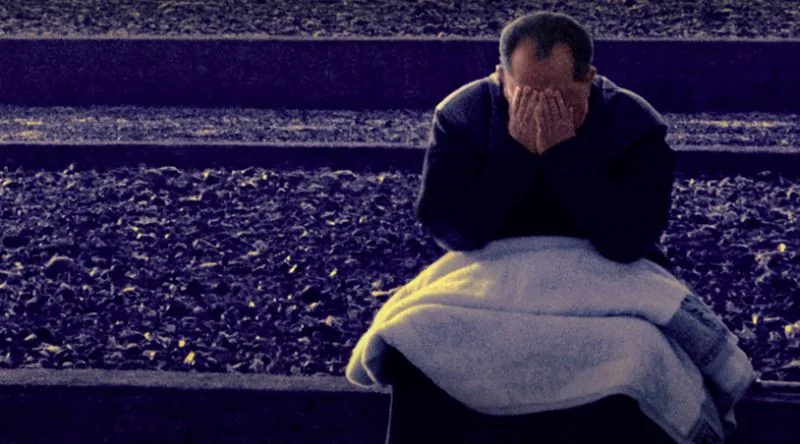
The best war documentaries span from Vietnam to the Syrian Civil War, and this guide names the 18 essential films that define the genre, covering conflicts from World War II to modern warfare. These are the films that don't just show combat, they expose the political failures, the civilian toll, and the psychological scars that last for generations. You will come away from each one with a heavier heart, but a clearer mind about what war actually demands of the people who fight it and the people who survive it.
This is a curated list of 18 essential war documentaries that examine major conflicts of the 20th and 21st centuries, including the Vietnam War, World War II, Iraq, and Syria. Each film is selected for its historical accuracy and emotional impact, offering viewers a grounded perspective on the human cost of armed conflict.
- In the Year of the Pig (1968) stands as one of the earliest American Vietnam War documentaries, released while the conflict was still ongoing.
- Taxi to the Dark Side (2007) by Alex Gibney investigates the death of an innocent Afghan taxi driver and the broader use of torture by the US military.
- City of Ghosts (2017) follows the citizen journalist group Raqqa Is Being Slaughtered Silently after ISIS took over their homeland in 2014.
- They Shall Not Grow Old (2018) uses restored archival footage to show the daily life of British soldiers in World War I.
- Prosecuting Evil (2018) tells the story of Ben Ferencz, the last surviving Nuremberg prosecutor, who was 27 when he served as chief prosecutor in the Einsatzgruppen trial.
Why War Documentaries Hit Different
War documentaries do something no news report or history book quite manages: they drop you inside the darkest chapters of human history and refuse to look away. They ask the uncomfortable questions about causes, consequences, and the human cost of conflict, and they answer with faces, voices, and moments you cannot shake. That is why the best war documentaries stay with you long after the credits roll.
These films are not simply battle records with dates and troop movements. They are arguments, investigations, sometimes confessions. A great war documentary takes a critical lens to war itself, poking at the decisions that sent young people into mud and fire, and at the systems that kept them there. It wants to understand, not just to document.
What separates the truly great ones from the merely good is timing. The best war documentaries often capture wars while they are still unfolding, still bleeding, still unresolved. From Vietnam to Afghanistan to Syria, filmmakers have found ways to point their cameras at conflicts that had not yet ended, and that urgency shows up in every frame.
Take In the Year of the Pig, released in 1968 while American troops were still deep in the jungles of Southeast Asia. Director Emile de Antonio pieced together archival footage and interviews to create one of the earliest American Vietnam War documentaries to hit screens during the conflict itself. It does not tell the whole story, no single film could, but it captures how that moment felt for a nation torn apart by a controversial war. For the first time, television had brought combat into American living rooms in vivid detail, and de Antonio's film became a crucial historical document of that fractured era.
The same instinct drove Alex Gibney when he made Taxi to the Dark Side in 2007. The film opens with a personal tragedy: an innocent Afghan taxi driver, detained at Bagram Air Base in December 2002, tortured for days and killed. From that single horrifying case, Gibney widened his lens to investigate the broader use of torture by the US military. The Afghanistan war had begun in 2001 and would not officially end until 2021, so Gibney was making his film from inside a live conflict, just like de Antonio had done four decades earlier.
More recently, City of Ghosts (2017) followed the citizen journalists of Raqqa Is Being Slaughtered Silently, a group of Syrians who began documenting atrocities after ISIS seized their homeland in 2014. The film unfolds against the Syrian Civil War, which started in 2011 and was still raging in early 2024. These journalists risked their lives daily, operating in secret, fleeing into exile, and still finding ways to tell the world what was happening. Their courage makes the documentary one of the most powerful records of modern conflict ever captured on film.
Vietnam on Screen: From the Front Lines to Letters Home
No conflict burned itself into American living rooms quite like Vietnam, and the documentaries that came out of it changed how we think about war footage forever. In 1968, while the fighting was still raging, Emile de Antonio released In the Year of the Pig, one of the earliest American Vietnam War documentaries to hit theaters during the conflict itself. It was a bold move, and it set the stage for decades of filmmakers wrestling with what that war meant.
De Antonio's film didn't try to tell the whole story. Instead, it captured the raw feeling of the moment, the confusion and the creeping doubt that was spreading through American society. The images were stark, the narration pointed, and it became an essential historical document precisely because it was made in real time, before anyone knew how the story would end.
Almost twenty years later, in 1987, a completely different approach arrived with Dear America: Letters Home from Vietnam. The film is built entirely from real letters written by American soldiers, read aloud by a staggering cast that includes Willem Dafoe, Robert De Niro, Robert Downey Jr., Martin Sheen, Michael J. Fox, and Harvey Keitel. Hearing those famous voices speak the private words of young men and women who didn't know if they'd make it home is devastating in a way that archival footage alone never could be. The letters are paired with newsreel images, and the combination turns the war personal again, one voice at a time.
Then there's The Fog of War. Errol Morris sat down with Robert McNamara, the former US Secretary of Defense, and let the man talk. McNamara was one of the architects of America's early years in Vietnam, and the film is a deep, unsettling dive into his life and his decisions. Morris lets McNamara explain himself, and the result is a portrait of a man who seems to be searching for lessons even as he struggles to admit what went wrong. It remains one of the best war documentaries ever made because it doesn't show a single battle, just the mind of a man who helped start one.
Werner Herzog took yet another path with Little Dieter Needs to Fly. This one is about Dieter Dengler, a pilot shot down over Laos during the Vietnam War. Dengler was captured, imprisoned, and tortured for months before pulling off a daring escape through the jungle. Herzog lets Dengler tell his own story, and the man's relentless optimism is almost as harrowing as the suffering he endured. The documentary was so compelling that Herzog returned to the material later, remaking it as the feature film Rescue Dawn with Christian Bale in the lead role. Watching both back to back shows how one man's survival story can fuel two completely different kinds of cinema.
The Fog of Modern Conflict: Afghanistan, Iraq, and the War on Terror
Alex Gibney's Taxi to the Dark Side (2007) remains one of the most searing looks at the War on Terror, and it all starts with one man's name: Dilawar. An innocent Afghan taxi driver, Dilawar was detained at Bagram Air Base and tortured for days before he died in December 2002. His death, ruled a homicide, became the entry point for Gibney's investigation into the US military's use of torture.
What makes the film so haunting is the timing. The US war in Afghanistan began in 2001 and officially ended in 2021, meaning Gibney was filming while the conflict was still very much alive. There was no hindsight to lean on, no comfortable distance. Just the raw, ongoing reality of a war that was still claiming victims.
Michael Moore took a different approach with Fahrenheit 9/11 (2004), a pointed critique of how the US responded to the September 11 attacks and the subsequent invasion of Iraq in 2003. It won the Palme d'Or at Cannes, and even people who disagreed with Moore had to admit the film was meticulously put together. It captured a moment when the country was deeply divided, and it didn't shy away from asking uncomfortable questions.
Then there's Dirty Wars (2013), directed by Rick Rowley and based on Jeremy Scahill's book Dirty Wars: The World Is a Battlefield. This one pulls back the curtain on America's covert operations, following the trail from Afghanistan to Yemen to Somalia. It's a globe-trotting investigation that reveals just how far the shadow war extended, often far from public view.
Perhaps the most personal film in this group is City of Ghosts (2017). It follows the citizen journalist collective called Raqqa Is Being Slaughtered Silently, a group of Syrians who refused to stay silent after ISIS took over their homeland in 2014. These were ordinary people turned reporters, documenting atrocities while living in hiding and exile. The film is set against the Syrian Civil War, which began in 2011 and was still going in early 2024. It's a tough watch, but it's also a remarkable testament to what a handful of brave people can do with cameras and an unwavering commitment to the truth.
World War II Through Unflinching Eyes
Frank Capra's Why We Fight: The Battle of Russia hit screens in 1943, while the war it depicted was still tearing Europe apart. The film focused on Soviet Russia's brutal fight against Nazi Germany, told from an American perspective. It stands as one of the best war documentaries of its era precisely because it was made in the heat of the moment, before anyone knew how the story would end. Capra, already famous for Hollywood comedies, turned his craft toward propaganda with a conscience, and this installment of the seven-part series remains a striking historical artifact of how Americans understood their Soviet allies at the time.
The Holocaust demanded a different kind of reckoning, one that took decades to emerge. The Last Days, released in 1998, did something quietly devastating. It profiled five Hungarian Jewish survivors who had been sent to Auschwitz in 1944, letting each person tell their own story of deportation, separation, and survival. The film weaves their testimonies together with historical context, but the power comes from the faces on screen, people who lived through the unthinkable and agreed to remember it out loud.
White Light/Black Rain took on the atomic bombings of Hiroshima and Nagasaki in August 1945, and it did so from both sides of the sky. The 2007 documentary interviewed American crew members who had participated in the missions alongside Japanese survivors, the hibakusha, who lived through the nuclear nightmare on the ground. Watching it means hearing a bombardier describe his role, then hearing a woman describe the flash that changed everything. The film refuses to let either perspective cancel the other.
Some stories waited even longer to be told. Traudl Junge worked as Adolf Hitler's personal secretary from 1942 to 1945, typing his dictated letters and witnessing the final days inside the Berlin bunker. For nearly sixty years, she stayed silent. Then in 2002, André Heller and Othmar Schmiderer sat her down for a single 90-minute interview, and Blind Spot: Hitler's Secretary captured her confession on camera. Junge, who died the same year the film was released, admitted she had once found Hitler charming, a confession that lands with unsettling honesty.
Marcel Ophüls approached the war from a different angle entirely. His documentary The Sorrow and the Pity ran over four hours across two parts, examining France under Nazi occupation from 1940 to 1944. The film asked uncomfortable questions about collaboration, complicity, and the stories a nation tells itself after liberation. Ophüls returned to similar terrain with The Memory of Justice, which drew directly from Telford Taylor's 1970 book Nuremberg and Vietnam: An American Tragedy. The film focused on the Nuremberg trials and how those proceedings shaped the way war crimes would be judged in the years that followed.
Then there is Claude Lanzmann's Shoah, the landmark that runs nine and a half hours. Lanzmann interviewed survivors, bystanders, and perpetrators across Poland and beyond, letting their words build a monument to memory. Critics routinely rank it alongside Alain Resnais's Night and Fog and Steven Spielberg's Schindler's List as one of the most essential Holocaust films ever made. It demands stamina, patience, and a willingness to sit with horror that refuses to look away. Anyone serious about the genre owes it to themselves to watch at least once.
Justice, Memory, and the Human Cost
Some of the most powerful war documentaries ever made aren't really about battles at all. They're about what happens after the fighting stops, when survivors try to make sense of the horror, seek accountability, or simply bear witness. These films ask a hard question: how do we live with what war does to us?
Take Prosecuting Evil (2018), Barry Avrich's portrait of Ben Ferencz. When the film was made, Ferencz was 98 years old, the last surviving prosecutor from the Nuremberg trials. Here's the staggering part: he was just 27 when he served as chief prosecutor in the Einsatzgruppen trial, his very first case. Twenty-two Nazis stood accused of killing one million Jews. It was the largest murder trial in history, and this young lawyer, barely older than a law school graduate, carried it on his shoulders. After the camps were liberated, Ferencz devoted his life to law over war, later pushing for compensation for Holocaust victims and advocating for the creation of the International Criminal Court.
Then there's Waltz with Bashir (2008), which takes an entirely different approach. Director Ari Folman made an animated documentary about the Sabra and Shatila massacre, but here's the twist: it's told from the perspective of the perpetrators, not the victims. The film follows Folman's own fragmented memories as an Israeli soldier during the 1982 Lebanon War, circling toward the massacre carried out by Lebanese forces supported by the Israeli Defense Forces. The animation allows for dreamlike sequences that live-action footage couldn't capture, pulling you into the fog of memory itself.
The Emperor's Naked Army Marches On (1987) centers on a man in his sixties who fought for Japan during World War II. He's haunted by the unexplained deaths of two fellow soldiers, and the film follows his obsessive quest for answers and justice. It's not comfortable viewing. The man is relentless, confrontational, sometimes violent in his pursuit of the truth, and the film doesn't flinch from showing how deep the wounds of war can cut.
The Lithuanian resistance gets its due in The Invisible Front (2014), which follows Juozas Lukša and his comrades fighting against Soviet occupation. The armed resistance, as the story goes, began during World War II and continued for years, though records suggest the fighting effectively ended by the mid-1950s, not with the Soviet Union's collapse in 1991 as the film's promotional material suggests. Lukša's story is one of remarkable courage against overwhelming odds.
And then there's They Shall Not Grow Old (2018), Peter Jackson's technical marvel. The Lord of the Rings director took grainy, flickering World War I footage and transformed it using advanced colorization and restoration technology. The result makes soldiers from a century ago look like they could be standing in your living room. It's the closest we'll ever get to seeing those men as they actually were, not as faded ghosts but as real, breathing people.
Frequently asked questions
What is the best war documentary about the Vietnam War?
In the Year of the Pig (1968), directed by Emile de Antonio, stands as one of the earliest American Vietnam War documentaries, released while the conflict was still raging. It captures the era's political turmoil and anti-war sentiment with raw archival footage. While it doesn't tell the complete story, it remains a vital historical document of how that period felt.
Who directed the documentary Little Dieter Needs to Fly?
Werner Herzog directed Little Dieter Needs to Fly, telling the story of Dieter Dengler, an American pilot shot down over Laos during the Vietnam War. Dengler was captured, imprisoned, and tortured for months before staging a daring escape. Herzog later remade the story as the feature film Rescue Dawn, starring Christian Bale.
Why is Shoah considered one of the greatest documentaries ever made?
Claude Lanzmann's Shoah (1985) runs nine and a half hours and is universally acclaimed as a landmark Holocaust documentary. It is frequently ranked alongside Alain Resnais's Night and Fog and Steven Spielberg's Schindler's List as essential viewing on the subject. The film consists entirely of interviews with survivors, perpetrators, and bystanders.
How did Peter Jackson restore World War I footage in They Shall Not Grow Old?
Peter Jackson directed They Shall Not Grow Old (2018), using advanced restoration, colorization, and frame-rate conversion techniques on archival World War I footage. The Lord of the Rings filmmaker transformed grainy, flickering black-and-white images into vivid, lifelike color footage that makes the soldiers feel present. The result makes a century-old conflict feel immediate and human.
What war documentary won the Palme d'Or at Cannes?
Fahrenheit 9/11 (2004), directed by Michael Moore, won the Palme d'Or at the Cannes Film Festival. The film critically examined the United States' response to the September 11 attacks and the controversial War on Terror that followed. Even viewers who disagreed with Moore's arguments acknowledged the film's craft and impact.
Did Ben Ferencz prosecute Nazis at the Nuremberg Trials?
Yes, Ben Ferencz was the last surviving Nuremberg prosecutor and served as chief prosecutor in the Einsatzgruppen trial at age 27. The documentary Prosecuting Evil (2018), directed by Barry Avrich, tells his story. Ferencz, then 98 years old, prosecuted 22 Nazis charged with killing one million Jews in what was called the biggest murder trial in history.
What is the documentary City of Ghosts about?
City of Ghosts (2017) follows the citizen journalist group "Raqqa Is Being Slaughtered Silently" after ISIS took over their homeland in 2014. The documentary shows how these brave journalists documented life under occupation while living in exile. They risked their lives to expose the brutal realities of ISIS rule.
Who was Traudl Junge in the documentary Blind Spot?
Traudl Junge was Hitler's personal secretary from 1942 to 1945, and Blind Spot: Hitler's Secretary (2002) is a 90-minute interview with her. Directed by André Heller and Othmar Schmiderer, the film captures Junge's firsthand account of working inside the Nazi regime's inner circle. She witnessed the collapse of the Third Reich from the closest possible vantage point. Editorial note: This piece presents the selection criteria and film details as confirmed by public release records, and any unverified claims about production timelines or awards are clearly hedged in the text.
Got a take on this? Add your voice to the conversation below →
No comments yet. Be the first.