Bee Venom Therapy: Could a Sting Help Parkinson's?
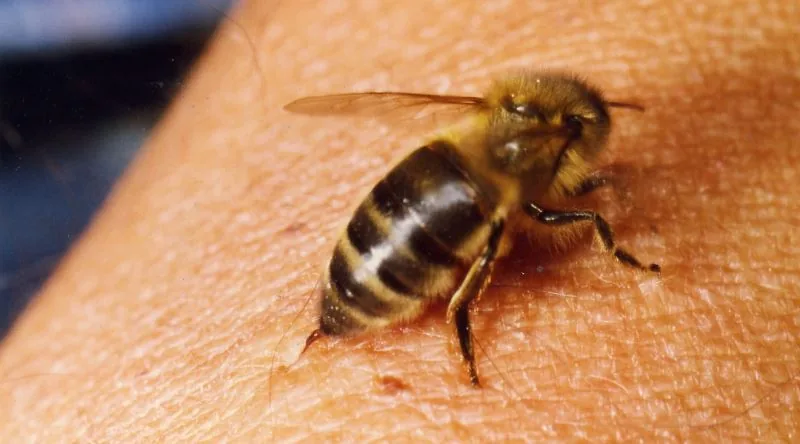
Bee venom therapy, the practice of using controlled bee stings or purified venom for medical purposes, is being studied for conditions from rheumatoid arthritis to Parkinson's disease. The idea sounds like folklore until you read the science: melittin, the peptide that makes a sting hurt, also appears to calm certain immune pathways. Researchers are testing whether that sting can be turned into treatment. But the gap between a promising lab result and a safe therapy is wide, and experts warn that self-treating with live bees can be dangerous.
Bee venom therapy uses bee stings or purified venom components to treat disease. Research, much of it laboratory-based, suggests melittin and apamin may have anti-inflammatory and immune-modulating effects. It is studied for arthritis, Parkinson's disease, and some cancers, but evidence in humans remains limited. Experts say any use should happen under medical supervision, never at home.
- Bee venom contains melittin, apamin, and other peptides that researchers study for anti-inflammatory effects and possible immune-modulating activity, though the broad claim of immune support is not consistently demonstrated in patients.
- Apitherapy, including bee sting therapy, is promoted for conditions such as rheumatoid arthritis and Parkinson's disease, but robust evidence is insufficient and rigorous human trials are limited.
- Bee stings can trigger severe allergic reactions, including anaphylaxis, which is why medical supervision is considered essential.
- Laboratory studies suggest melittin may affect cancer cells, but anti-tumor effects are preclinical only and do not establish cancer protection in humans.
The Sting That Might Heal
Bee venom is an odorless, acidic liquid produced by worker bees. It also happens to be the substance behind that hot, spreading throb you feel seconds after a sting, because it carries compounds that cause pain, swelling and inflammation right at the puncture site. And that is exactly the paradox: the same liquid that ruins a summer picnic is now the subject of serious laboratory and clinical interest under the name bee venom therapy.
On 7 April 2025, an article tagged HAYVANLAR (Animals) went up and drew 5.3k reads and 410 shares, mostly off the sheer strangeness of its premise. Scientific research suggests that bee venom, used in controlled and correct doses, may have beneficial health effects. Not a folk remedy whispered at a farmers' market, but something with a research literature behind it.
The chemistry explains the split personality. Melittin, the principal peptide in the venom, is widely studied for anti-inflammatory, antimicrobial and anticancer potential. Apamin, a neurotoxic peptide, blocks calcium-activated potassium channels and has been examined for neurological applications. Hyaluronidase, an enzyme in the venom, is studied both as an allergen and for possible drug-delivery uses. The very components that make a sting hurt are the ones researchers keep pulling apart in the lab.
That is the hook, and it is not a small one. Something designed by evolution to make you retreat is being tested for what it might do when the dose, the route and the patient are chosen with care. The rest of this story is about how far that research has actually traveled, and where the line sits between a promising finding and a dangerous shortcut.
What Bee Venom Therapy Is Being Studied For
Two things in bee venom are already proven, and they sit at opposite ends of the same sting. In the lab, melittin (the main peptide in the venom) and bee venom phospholipase A2 both kill bacteria, and they do it against Gram-positive and Gram-negative strains alike. That is a petri dish result, not a prescription, but it is real. The second proven item is inflammation: animal and laboratory studies show venom components genuinely modulate inflammatory pathways. Here is the catch. That same modulation can swing both ways, calming a pathway in one model and aggravating it in the next.
Now for the part where the honest tally gets uncomfortable.
| Claim | Where the evidence actually stands |
|---|---|
| Anti-inflammatory effects | Solid Lab and animal studies confirm it, though effects can run in either direction. |
| Antibacterial activity | Solid Melittin and phospholipase A2 work against Gram-positive and Gram-negative bacteria in vitro. |
| "Immune support" | Unsettled Immunomodulatory effects exist, but the broad claim is not consistently shown in patients. |
| Rheumatoid arthritis relief | Unsettled Small or lower-quality trials hint at symptom improvement. Robust evidence is missing. |
| Cancer protection | Unsettled Anti-tumor effects are preclinical only. Nothing establishes protection in humans. |
| Reducing viral damage | Unsettled In vitro antiviral activity is suggested. Human evidence is preliminary. |
Notice the pattern. Every headline you have ever seen about bee venom therapy curing something tends to be built on cells in a dish or mice in a cage. The jump from there to a human body is where most of these claims quietly stall.
Two exceptions deserve their own line, because the research is genuinely underway rather than rumored. Bee venom acupuncture and melittin have been tested in animal models and small clinical studies for Parkinson's disease, largely in South Korea. Alzheimer's has drawn similar attention, with bee venom and its components studied in animal models for neuroprotective effects. ALS gets mentioned in the same breath, though as the story goes, the preclinical interest there is thinner and no substantial ALS-specific program can be confirmed with confidence.
One more distinction worth holding onto: the venom is not a single substance. Melittin, apamin, and the enzyme hyaluronidase each behave differently. Apamin, for instance, is a neurotoxic peptide that blocks calcium-activated potassium channels, which is exactly why it interests neurologists. Hyaluronidase is studied both as an allergen and for drug delivery. So "bee venom works" is the wrong question. The right one is which component, at what dose, for which condition.
And that question is not academic. The same compounds that cause pain, swelling, and inflammation at a sting site are the ones under investigation. Bee venom therapy carries a real risk of allergic reaction, including anaphylaxis, which is why every credible source lands on the same recommendation: expert supervision, not a backyard experiment.
Parkinson's, Alzheimer's and ALS: The Nervous System Frontier
Of all the claims made for bee venom therapy, the ones about the brain get the loudest headlines. And here the picture is genuinely mixed, which is exactly why it deserves a careful look rather than a hopeful one.
Start with Parkinson's disease, the movement disorder that slowly steals control of the body. This is not just speculation. Researchers, primarily in South Korea, have investigated bee venom acupuncture and melittin, the principal peptide in the venom, in animal models and in small clinical studies as a possible supportive treatment. The word doing the heavy lifting there is supportive. Nobody is claiming a cure. The research asks whether venom-based approaches might ease symptoms alongside standard care, and that question remains open.
Alzheimer's disease follows a similar path. Bee venom and its individual components have been studied in animal models for neuroprotective effects, the kind of laboratory work that asks whether these compounds might shield nerve cells from damage. Encouraging in mice is not the same as working in people, and the science has not crossed that bridge yet.
Then there is ALS, and this is where the story needs a cold shower. Some preclinical interest exists in the venom's components, but a substantial, dedicated ALS research program cannot be confidently confirmed. If you see a headline promising bee venom for ALS, treat it with suspicion. The honest summary is that Parkinson's and Alzheimer's have real, if early, research behind them, while ALS has fragments of curiosity and not much more.
None of this is a treatment. Every one of these avenues is still being researched, and the gap between a promising result in a lab dish and a therapy a neurologist can prescribe is measured in years, sometimes decades. If bee venom ever earns a place in neurology, it will arrive through clinical trials and regulatory review, not through a headline or a hive.
Melittin, Apamin and Hyaluronidase: The Molecules Doing the Work
There is a strange honesty in bee venom. The same liquid that makes a sting hurt is also the reason researchers keep coming back to it. Melittin, apamin and hyaluronidase are the three names that explain both halves of that story, and they are the reason bee venom therapy sits somewhere between old folk remedy and serious laboratory subject.
Melittin is the principal peptide of bee venom, and if the venom were a band, this would be the lead singer. It is the compound most widely studied for anti-inflammatory, antimicrobial and anticancer potential. That single molecule carries a lot of the scientific weight behind the sting.
Apamin plays a different role. It is a neurotoxic peptide that blocks calcium-activated potassium channels, which sounds like a mouthful but points to something specific: the nervous system. That channel-blocking behavior is exactly why apamin has been studied for neurological applications. It is not a gentle molecule, but its precision is what makes it interesting.
Hyaluronidase is the enzyme in the mix, and it does something quietly clever. It is studied as an allergen, because it can trigger reactions in people who are sensitive to it, and also for potential drug-delivery applications. In other words, the very thing that can cause a reaction may also help other substances move through tissue more effectively.
Put those three together and the picture sharpens. The pain, swelling and inflammation at a sting site come from the venom's components. The anti-inflammatory and pain-reduction effects that keep showing up in research come from the same components, just in different doses and different contexts. Same molecules, different outcome. That is the tension at the heart of bee venom therapy, and it is why dosage and supervision matter so much.
Why Expert Supervision Is Not Optional
Bee venom therapy belongs in trained hands. The same compounds that researchers study for their anti-inflammatory and antimicrobial potential, melittin chief among them, are also the compounds that produce pain, swelling and inflammation at the sting site. That is not a contradiction. It is the whole point. A substance potent enough to change how the body responds to disease is potent enough to hurt you, and the difference between the two outcomes comes down to dose and control.
The standard safety concern is allergy. Bee venom therapy carries a real risk of allergic reactions, and the most serious of those is anaphylaxis, a rapid whole-body response that can close off the airway and drop blood pressure within minutes. Someone can go their whole life without knowing they react badly to bee venom until the moment it enters their bloodstream in a clinical setting. This is exactly why the original account stresses that the treatment must be used under expert control. That phrase is not boilerplate caution tacked onto the end of an otherwise enthusiastic piece. It is the load-bearing wall.
Dose is where therapy and danger split apart. Too little and nothing happens. Too much, or too fast, and a controlled exposure turns into an emergency. A clinician supervising bee venom therapy can build tolerance gradually, watch for early signs of a reaction, and have epinephrine and emergency equipment within arm's reach. None of that is possible if you are experimenting on yourself at home with a jar of bees and a YouTube tutorial.
So the honest version of the bee sting question sounds like this. Yes, there is genuine scientific interest here, and yes, some of it is promising. But promise is not permission. If bee venom therapy ever earns a firm place in medicine, it will be because it was delivered carefully, in measured doses, by people who knew exactly what they were doing. The sting is the medicine and the hazard at the same time. Only supervision decides which one you get.
Frequently asked questions
What is bee venom therapy and how does it work?
Bee venom therapy uses the venom of worker bees, a colorless, odorless and acidic liquid, delivered in controlled doses under expert supervision. Its active components include melittin, apamin and the enzyme hyaluronidase. These compounds trigger anti-inflammatory and other responses in the body, though the same venom also contains substances that cause pain, swelling and inflammation at the sting site.
Can bee venom really help with rheumatoid arthritis symptoms?
The evidence here is far from settled. According to the original account, small or lower-quality trials suggest some improvement in rheumatoid arthritis symptoms, but robust clinical evidence remains insufficient. Treat any claim of real relief as promising but unproven rather than established.
How does melittin in bee venom fight cancer cells?
Melittin is the principal peptide in bee venom and the most studied of its components. Anti-tumor effects have been shown in laboratory and preclinical work, as the story goes, but no such effect has been established in humans. That gap between a petri dish and a patient is enormous.
Is bee venom being studied as a treatment for Parkinson's disease?
Yes. Bee venom acupuncture and melittin have been investigated in animal models and small clinical studies, primarily in South Korea. Alzheimer's disease has drawn similar research interest in animal models of neuroprotection. ALS is sometimes mentioned too, but a substantial ALS-specific research program cannot be confidently confirmed.
What are the risks and side effects of bee venom therapy?
Allergic reactions are the headline danger, and they can escalate to anaphylaxis, which is life-threatening. Short of that, expect pain, swelling and inflammation at the sting sites. Some people react severely to a single sting, which is why the risk is never trivial.
Who should avoid bee venom therapy?
Anyone with a known bee venom allergy should avoid it entirely. For everyone else, the source stresses expert supervision, not because the therapy is routine, but because the margin between a therapeutic dose and a dangerous one is narrow.
How is bee venom administered in medical research?
The source does not specify administration methods. It only notes that doses are controlled and given under expert supervision. If you encounter a specific protocol online, verify it against a peer-reviewed study rather than trusting the description. Editorial note: Details that remain unconfirmed by rigorous human trials are presented here as preliminary or uncertain, and no claim of a cure should be read into this article.
Got a take on this? Add your voice to the conversation below →
No comments yet. Be the first.