Why Is a Turkey Called a Turkey? The Ottoman Mix-Up
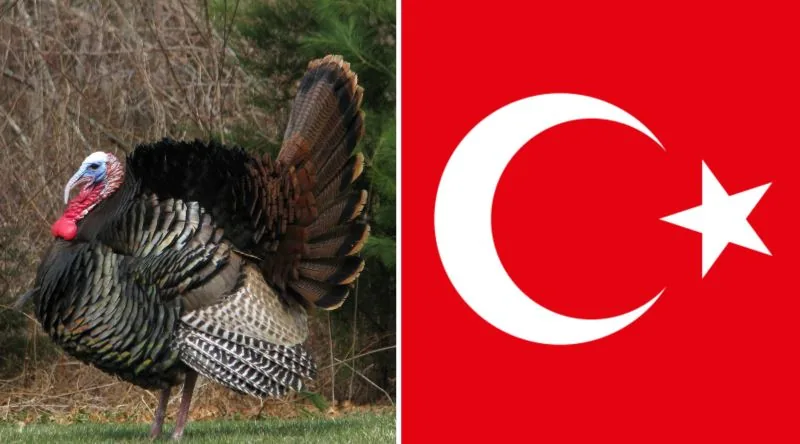
Why is a turkey called a turkey? The bird on your Thanksgiving table is not from Turkey at all. It is a North American species, and the name arrived in English through a chain of mistaken geography that began with an Ottoman trade bird sold in London centuries ago. The confusion stuck, and English speakers have been eating "turkey" ever since. Meanwhile, much of the world named the same bird after entirely different countries.
The English name "turkey" comes from the guinea fowl, a bird that reached England through Ottoman, or Turkish, trade routes and was commonly called a turkey-cock. When European settlers encountered the larger American bird, they applied the same familiar name to it, even though it is native to North America and has no connection to the country of Turkey.
- The turkey is native to North America, not to the country of Turkey.
- In England, guinea fowl imported through Ottoman trade routes were called turkey-cocks or turkey hens.
- English colonists transferred that existing name to the larger American bird they found in the New World.
- The Ottoman Empire, centered in Anatolia, was the source of the trade link that gave the guinea fowl its English nickname.
- Many other languages named the American bird after distant lands, including French coq d'Inde and Turkish hindi, and these labels are recorded in the languages that use them.
The Bird That Isn't From Turkey
Every November, American kitchens fill with the smell of roasting turkey, and every November someone at the table asks the obvious question: why is a turkey called a turkey if it never came from Turkey? Here is the short answer. The bird is native to North America. It has no wild roots in Anatolia at all, and the country's name had nothing to do with where it came from.
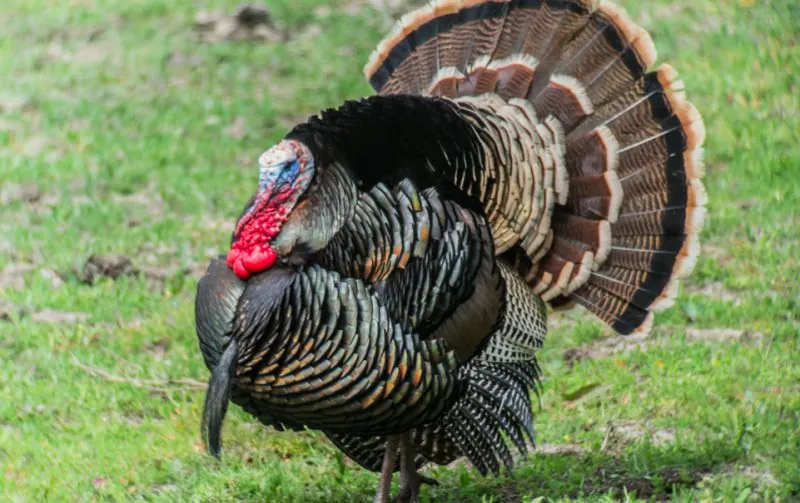
Start with the wild turkey itself. It belongs to North America, full stop. European settlers and everyone after them were carving up a bird that had been running around the continent long before any European ship arrived. So the name is a puzzle, not a family tree.
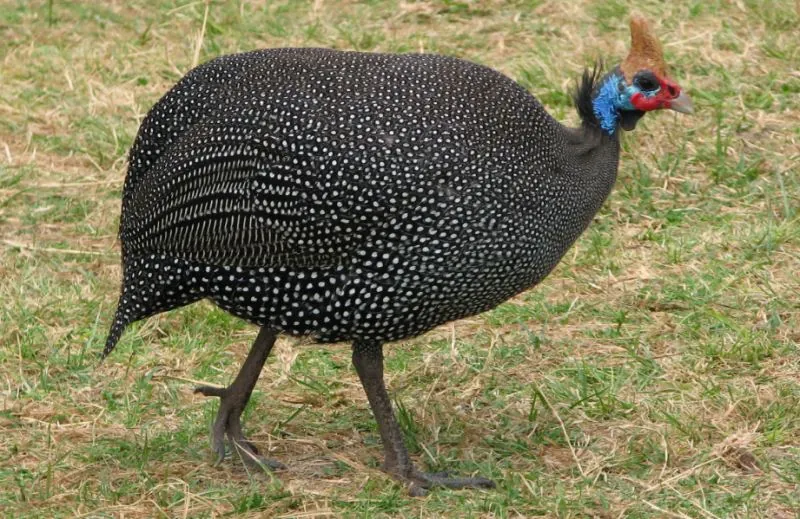
To untangle it, meet a different bird: the guinea fowl. It looks a lot like a turkey, and that resemblance is the whole story. The guinea fowl is native to Africa, with a range that extends across much of the continent, and the commonly cited East African origin is an oversimplification. The route it traveled to Europe ran through Mediterranean and Ottoman trade channels, a broad account rather than a single tidy line. Once it arrived, Europeans started calling it a turkey-cock or turkey-hen, simply because it came from the Turks. That is the first bird to carry the name, and it was never American.
Then the New World opened up. A similar-looking poultry started arriving from the Americas, and European buyers could not quite tell the two apart. Same size, same shape, same general impression on a dinner plate. So the name got transferred. The bird from across the Atlantic inherited a label that had been built for a bird from across the Mediterranean.
One name, two birds, and a case of mistaken identity that stuck for centuries.
None of this makes the turkey Turkish. Americans prepare it every Thanksgiving, and that tradition is entirely their own. The bird's homeland stayed North America the whole time. The name simply wandered in from somewhere else and never left.
Meet the Guinea Fowl: The Ottoman Connection
Before the turkey ever crossed the Atlantic, Europe already had a bird it called by that name. The guinea fowl is a speckled, round-bodied bird that looks strikingly like the American turkey. Same plump shape, same bare head, same wattle. If you saw the two side by side, you might assume they were cousins.
As the commonly told account goes, the guinea fowl is native to Africa, with a range that stretches across much of the continent, and the tidy East African label smooths over a much wider story. What matters here is the route it traveled. Reportedly, it reached Europe through the Ottoman Empire, carried along the trade roads that connected Ottoman lands to the markets of Italy, France and England.
And once it arrived, the Europeans needed a name for it. They called it turkey-cock or turkey-hen, because the bird came from Turkish lands. That part is documented, and etymological references trace the English word "turkey" straight back to this importation through Turkish and Ottoman territory.
So here is the turn. When a similar-looking poultry arrived from the New World, Europeans could not quite tell the two apart. It was close enough to the guinea fowl, but not the same bird, and the name simply transferred. The turkey we carve at Thanksgiving inherited a label that belonged to an African bird sold by Turkish merchants.
Which leaves us with a strange irony. The bird on the American table carries the name of a country it never lived in, borrowed from a bird that never lived there either. And that is only the first layer of the confusion.
How the Name Jumped to the American Bird
At some point in the early modern era, a bird that looked almost exactly like the guinea fowl sailed into European ports from the Americas, and the people unloading it reached for the only name they had. They called it a turkey. Not because it came from Turkey, and not because anyone thought it did. Because it looked like the bird they already knew by that name.
That is the short answer to why is a turkey called a turkey. Etymological references trace the whole tangle to a case of mistaken identity: the name was borrowed from an older bird, then simply never corrected.
Picture the scene on a European dock. The guinea fowl had been arriving for generations, funneled west through Ottoman lands, and English speakers had settled on turkey-cock and turkey-hen for it, a name that pointed straight at the Turks who moved it along the trade routes. Then a new bird showed up from across the Atlantic. Same plump body. Same bare, bluish head. Same wattle dangling like a scrap of red cloth. To a merchant or a cook who had never seen either one alive in a field, the two were nearly impossible to tell apart.
So the name followed the resemblance, not the geography. The American bird inherited the label that already belonged to the African one, and the confusion hardened into habit. English never went back and fixed it.
There is a small irony buried here. The guinea fowl is native to Africa and reached Europe by way of Ottoman trade, a route that historians describe in broad strokes rather than as a single tidy line. The bird we now roast at Thanksgiving is native to North America, thousands of miles from Anatolia. Two different species, two different continents, one shared name that neither of them earned.
Look at how other languages handled the same newcomer and the fog thickens. Turkish calls the bird hindi, which reaches back to Hind, the word for India, so the name literally means "Indian." French went the same way: coq d'Inde, "rooster of India," later worn down to dinde. Portuguese calls it peru, the same word it uses for the country Peru. In Malay, the bird is sometimes called ayam belanda, literally "Dutch chicken," though regional usage varies and it may not be the only standard name.
Every one of those names points somewhere the bird is not from. The likeliest root of the whole mess is the oldest mistake in the story: early European explorers believed the lands they reached across the Atlantic were the Indies, the same India they already traded with. If India and the New World were one place, then a bird from the Americas really was an Indian bird, and a bird from the Americas really was a Turkish bird, depending on which port it landed in first.
None of it was ever true. All of it stuck.
Everyone Got It Wrong: What Other Languages Call the Turkey
If you ask why is a turkey called a turkey in English, the answer gets stranger once you leave English behind. Almost every language that named this bird looked at it and saw somewhere else entirely. The Turkish word for turkey is hindi, and it literally means "Indian," from Hind, the Turkish name for India. In France, the original term was coq d'Inde, "rooster of India," which speakers eventually squeezed down to the single word dinde.
Portugal took a different wrong turn. There the bird is peru, a name that happens to be identical to the country Peru. And in Malay, the turkey is sometimes called ayam belanda, which translates to "Dutch chicken," though regional usage of that term varies and it may not be the only standard name.
Notice the pattern. India, Peru, the Netherlands. Nobody could agree on where this bird came from, because early European explorers genuinely believed they had reached the Indies when they landed in the Americas. That single geographic mistake, the idea that India and the New World were the same place, is very likely the root of the naming chaos. The bird traveled the globe, and every stop along the way stamped it with the wrong return address.
Frequently asked questions
Why is a turkey called a turkey?
The bird is not from Turkey at all. Its homeland is North America, where the wild turkey still ranges today. The name actually belongs to another bird: the guinea fowl, which reached Europe through Ottoman lands and was nicknamed "turkey-cock" or "turkey-hen" because it came from the Turks.
Is the turkey native to Turkey?
No. The wild turkey is indigenous to North America and has no native range in Anatolia. Contrary to the popular version, Turkey did not give the world the bird that Americans roast every Thanksgiving. The country and the poultry simply ended up sharing a name by accident of trade and confusion.
Where does the English name "turkey" come from?
It comes from the guinea fowl. Europeans called that African bird "turkey-cock" or "turkey-hen" because it was imported through Turkish, Ottoman-controlled lands. When a similar-looking poultry arrived from the New World, Europeans could not tell the two apart and transferred the same name to it.
What does the Turkish word "hindi" mean?
Turkish "hindi" literally means "Indian." The word derives from "Hind," the Turkish name for India, so the bird is called the Indian in Turkish. That is a strange twist: the country that shares its name with the English word uses a completely different geographic label for the same animal.
What do other languages call the turkey?
French calls it "coq d'Inde," meaning "rooster of India," later shortened to "dinde." Portuguese uses "peru," which is also the country name Peru. In Malay the bird is sometimes known as "ayam belanda," or "Dutch chicken," though that usage varies and is hard to pin down as the single standard term.
Why do so many languages name the turkey after the wrong place?
Early European explorers believed they had reached the Indies, the same region as India, when they landed in the Americas. That single misconception rippled through the vocabulary. Turkish "hindi," French "coq d'Inde" and "dinde," and Portuguese "peru" all point to geography that has nothing to do with where the bird actually evolved. Editorial note: Details about the exact trade routes and the precise timing of the name's transfer remain debated among historians, so any unconfirmed points here are presented as such.
Got a take on this? Add your voice to the conversation below →
No comments yet. Be the first.