Why Boring Meetings Make You Sleepy: The Brain Science

Ever sat in a meeting, fighting to keep your eyes open, and wondered what is wrong with you? Nothing, actually. Your brain is just doing what it is built to do. When a room is dark, still, and monotonous, your brain receives few novelty signals, and your sleep chemistry takes over. Understanding this reflex can help you fight back with simple tactics like light and movement.
When a room is dark, still, and monotonous, your brain receives few novelty signals. Your suprachiasmatic nucleus, which regulates the sleep-wake cycle, interprets this as a cue for rest. Simultaneously, adenosine, which accumulates as your energy reserves get used up, binds to receptors and increases sleep pressure. Together, these forces trigger sudden sleepiness.
Why We Get Sleepy During Boring Activities: The Surprising Science
You can be completely well-rested, full of energy, and still feel your eyelids growing heavy during a dull lecture. Yet put that same person on a dance floor or in a gripping conversation, and suddenly sleep is the last thing on their mind. It is a paradox nearly everyone has experienced, and it raises a curious question: why do we get sleepy during boring activities even when our bodies are not actually tired?
The short answer involves two separate forces working together. One is environmental: the dim lighting, the warm room, the comfortable chair. The other is chemical, happening deep inside the brain. Understanding both explains why that afternoon meeting or classroom presentation can feel like a losing battle against unconsciousness.
The Environment Sets the Stage
Think about where you usually fall asleep. For most people, it is a warm, dimly lit bedroom. Over time, the body learns to associate those conditions with sleep, and it starts responding automatically. A dark lecture hall or a cozy conference room triggers the same learned response, even if you have no intention of dozing off.
There is also a more direct biological mechanism at work. Sunlight contains blue light, a component that naturally stimulates the mind and signals the body to wake up. Research has shown that blue light keeps us alert by telling our internal clock that it is daytime. When the blue light disappears, as it does in a dim room, the brain receives the opposite message.
This signal travels to a specific region called the suprachiasmatic nucleus, or SCN, located in the brain's hypothalamus. The SCN manages the sleep-wake cycle using blue light signals it receives from the retina in the eyes. When blue light levels drop, the SCN begins shifting the body toward its sleep period. That is why sitting in a darkened room with a projector running makes staying awake nearly impossible, even if the topic being presented is genuinely interesting.
The Brain's Chemistry Kicks In
Light is only half of the story. The other half involves a molecule called adenosine, which accumulates as the body uses up its energy reserves. Adenosine binds to receptors in the brain, and those receptors signal that it is time to feel sleepy. It is the body's natural way of tracking how long you have been awake and how much fuel you have burned.
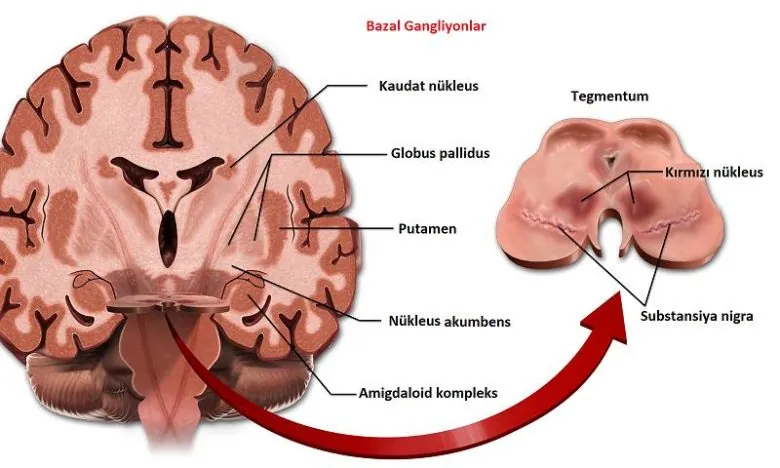
But here is where things get interesting. In 2017, researchers led by Oishi and colleagues published a study in Nature Communications showing that slow-wave sleep is controlled by a subset of nucleus accumbens core neurons in mice. The nucleus accumbens is a brain region best known for its role in pleasure, reward, and motivation. It sits near the border of the corpus striatum and appears in both hemispheres of the brain.
This region contains dopamine receptors tied to how we experience enjoyment and reward. The 2017 study revealed that a specific group of neurons in the nucleus accumbens core, neurons that express A2A adenosine receptors, can trigger slow-wave sleep when activated. In other words, the same brain area that helps you feel pleasure also has a direct line to your sleep center.
Caffeine works on this exact system. The caffeine molecules in coffee and tea block A2A receptors, preventing adenosine from binding and keeping the sleep signal from being delivered. That is why a cup of coffee can push back the drowsiness, at least for a while.
So when you sit through an activity that offers little stimulation, your brain receives a double message. The environment says it is time to rest, and the reward system finds nothing engaging enough to override that signal. The result is that sudden, overwhelming sleepiness that seems to come out of nowhere.
How Caffeine Fights Off the Drowsiness
That familiar fog lifting after your first sip of coffee isn't just psychological. Caffeine molecules from your cup physically block A2A receptors in your brain, the very receptors that signal sleepiness when adenosine binds to them. This is why a cup of coffee can genuinely revive you during a dull presentation, even when the room is warm and the slides keep droning on.
Here is where the chemistry gets interesting. Your brain produces adenosine as your energy reserves dip throughout the day. When those adenosine molecules find their way to A2A receptors, they trigger that unmistakable feeling of heaviness behind your eyes. Caffeine, it turns out, is a master impersonator. It slips into those same A2A receptors but does not activate them. Instead, it simply occupies the space, blocking adenosine from getting through.
So when you are sitting in a dimly lit conference room and the speaker's voice becomes a gentle monotone, your adenosine levels are climbing steadily. Each molecule that fails to find an open receptor means one less sleep signal reaching your brain. That is why coffee drinkers can power through afternoon meetings that would otherwise end in a chin-on-chest moment.
The effect is temporary, of course. Once the caffeine molecules eventually clear out, adenosine is still there waiting, and the drowsiness returns with interest. But for those crucial forty-five minutes of a tedious budget review, that blocked receptor is the difference between alert note-taking and an embarrassing nod-off.
Practical Tips: Can You Stop the Sleepiness?
Yes, you can fight it off, but the fix starts with understanding that the topic isn't always the culprit. The environment around you, from the lighting in the room to how still your body is, plays a massive role in whether your brain decides it is nap time. Small shifts in your surroundings and your focus can genuinely keep you alert.
Think about the last time you sat in a dimly lit room with a projector humming in the background. Even if the speaker was engaging, your eyes probably started to feel heavy. That is not a personal failure. Your body has learned to associate darkness and warmth with bedtime, so it begins winding down whether you want it to or not. The same goes for a soft, comfortable chair. Your brain sees these cues and starts the sleep process.
So what actually works? One practical approach is to deliberately hunt for the motivating parts of whatever you are doing. When you are actively involved in a heated discussion or moving your body in a gym class, sleepiness rarely shows up. The difference comes down to stimulation. In a passive setting, your brain gets a weak, one-way stream of input, and it responds by drifting toward rest.
Pay attention to the lighting around you as well. Blue light, which is a natural part of sunlight, signals your brain to wake up and stay alert. When that light disappears, your body starts preparing for sleep. If you are stuck in a dark room, see if you can angle yourself toward a window or any available light source. Even small changes in brightness can help keep your internal clock on your side.
Your behavior can also influence your brain chemistry in real ways. The molecules and receptors in your head respond to what you do, not just the other way around. By choosing to engage, move, or shift your attention, you give your brain a reason to stay awake instead of letting it default to sleep mode.
One more honest note: if you keep fighting sudden sleepiness no matter what you try, your body might be telling you something. Many of us start the day without enough rest and then rely on coffee to push through. Caffeine can give you a temporary boost by blocking certain receptors, but that lift fades, and it can backfire later. The real solution might be simpler than any trick. If this keeps happening, look at your overall sleep habits. Your body is likely asking for more rest, and no amount of willpower will replace what it actually needs.


Frequently asked questions
Why do I get sleepy during boring meetings?
Boring meetings combine three sleep triggers at once. First, the dim lighting typical of conference rooms removes blue light, which your brain needs to stay alert. Second, sitting still and listening passively gives your brain very little stimulation. Third, your body has learned to associate warm, quiet, dim spaces with bedtime. When your brain's reward system gets no engagement, it essentially decides there is nothing worth staying awake for.
How does blue light affect the brain?
Blue light is a natural component of sunlight that signals your brain to wake up and stay alert. Research has shown that specialized cells in your retina detect blue light and send signals directly to the suprachiasmatic nucleus, or SCN, which is your brain's master clock for sleep and wakefulness. When blue light levels drop in a dark room, your SCN starts shifting your body toward sleep mode.
What role does the nucleus accumbens play?
The nucleus accumbens is a small region deep inside your brain that handles pleasure, motivation, and reward. It sits near the boundary of the corpus striatum and exists in both brain hemispheres. This area receives dopamine signals and helps you feel enjoyment from activities. When you are doing something dull or unrewarding, the nucleus accumbens does not get activated, and your brain interprets the situation as not worth staying alert for.
How does adenosine trigger sleep?
Adenosine is a molecule that builds up in your brain throughout the day as your energy reserves get used up. When adenosine levels rise, it binds to specific receptors on your brain cells, and those receptors send out sleepiness signals. The longer you stay awake, the more adenosine accumulates. This is your brain's natural way of tracking how long you have been awake and telling you it is time to rest.
Why does caffeine help?
Caffeine molecules from coffee or tea are shaped similarly enough to adenosine that they can block the A2A adenosine receptors in your brain. When caffeine occupies these receptors, adenosine cannot bind to them, so your brain does not receive the sleepiness signal. This is why a cup of coffee can temporarily keep you alert. However, the effect wears off, and once the caffeine clears, the accumulated adenosine hits you all at once.
What can I do to stay awake?
To fight off sleepiness in a boring setting, you need to increase your sensory input and engagement. Sit in a brighter area of the room, take notes actively, ask questions, or participate in discussions. Physical movement also helps, which is why you rarely feel sleepy during gym class. If you regularly struggle to stay awake despite these strategies, your body may simply need more sleep at night, and no amount of caffeine can replace genuine rest. A 2017 study published in Nature Communications found that activating specific neurons in the nucleus accumbens core of mice induced slow-wave sleep. This research suggests that this pleasure-related brain region has a direct hand in controlling deep sleep, not just reward and motivation. Editorial note: Any facts which remain unconfirmed are presented as such, and this piece reflects the current scientific understanding of sleep regulation as of the time of writing.
Got a take on this? Add your voice to the conversation below →
No comments yet. Be the first.