Thriller Video: How Michael Jackson's $900K Gamble Changed Music
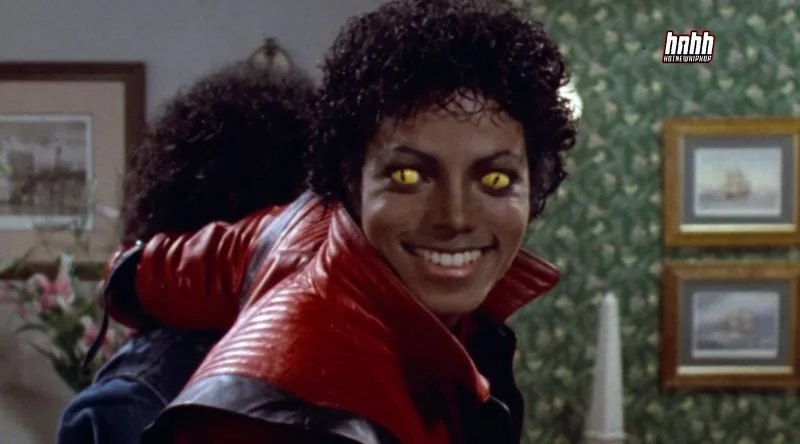
The Thriller music video production in 1983 turned a $900,000 gamble by Michael Jackson and director John Landis into a 14-minute horror comedy that rewrote the rules of the music industry. This was the moment the music video became an art form, a marketing juggernaut, and a cultural event that still haunts and delights audiences four decades later. It was a project born from a passion for classic monster movies, a desire to break free from the pop formula, and a willingness to bet everything on a vision that no one else believed would work.
In 1983, Michael Jackson and director John Landis created the Thriller music video with a $900,000 budget, a deal with MTV, and a team that included choreographer Michael Peters. The 14-minute horror short film became a landmark in music history, cementing the video as an essential promotional tool.
- The Thriller video premiered on MTV after Jackson and Landis secured a behind-the-scenes documentary deal to fund the ambitious project.
- Director John Landis, known for An American Werewolf in London, brought his horror expertise to the set.
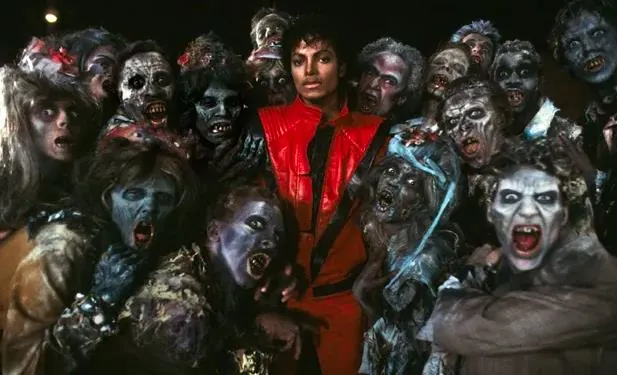
- Choreographer Michael Peters, who also worked on Beat It, crafted the iconic zombie dance sequence that has been imitated and referenced countless times since.
- The video was shot in Los Angeles, with the famous zombie dance scene requiring extensive rehearsal.
- Thriller became a landmark in music history, a testament to its lasting cultural and historical significance.
The $900,000 Gamble That Changed Music Videos Forever
In 1983, Michael Jackson and his team walked into a record label meeting and asked for something nobody had ever dared to request: nearly a million dollars to film a music video. The Thriller music video production would ultimately cost around $900,000, roughly ten times what the average music video cost at the time. It was a gamble that defied every industry norm.
Michael Jackson's sixth studio album, Thriller, had arrived in November 1982. The videos for "Billie Jean" and "Beat It" had kept the album perched atop the Billboard 200 for months, and the momentum felt unstoppable. But the team wanted to keep the record alive and believed they needed something extraordinary to do it.
Jackson and his manager, Frank DiLeo, reportedly approached Walter Yetnikoff, the president of CBS/Epic Records at the time. Yetnikoff asked if anyone had an idea for a single tied to monsters. DiLeo pitched something audacious: why not make a horror-film-style video for "Thriller," the album's longest and most dramatic track? The pitch was simple. Dance, sing, and make it terrifying.
Jackson had loved horror films since childhood, especially creature transformation scenes. He had recently watched An American Werewolf in London (1981) and was deeply affected by it. He reportedly turned to his team and declared they had found their guy. That guy was John Landis, the film's director, and Jackson told him, "I want to turn into a creature too."
Landis normally would not touch music videos, but Jackson's passion and his vision for something more than a standard promotional clip won him over. Together, they designed a short film shot on 35mm with the production values of a feature movie. The budget they settled on was $900,000, roughly ten times what anyone else was spending on music videos in that era.
Why Michael Jackson Chose John Landis for Thriller
Michael Jackson had been a horror movie addict since childhood, with a special soft spot for monster transformation scenes. The 1981 film *An American Werewolf in London* hit him like a lightning bolt, and he turned to his manager with a simple declaration: "We found our guy." That guy was John Landis, the film's director, and Jackson was convinced Landis was the only person who could bring his wildest vision to life. Jackson reportedly told Landis straight out: "I want to turn into a creature." That one sentence captured everything. Landis, like most film directors of the era, had no interest in music videos. Directors simply didn't do them in the early 1980s; the format was seen as beneath feature filmmakers. But Jackson's passion was impossible to ignore. He wasn't pitching a typical promotional clip. He wanted a theatrical experience, a visual spectacle, a short film with real production values. That vision, delivered with Jackson's unmistakable intensity, wore Landis down until he said yes. What sealed the deal was the scale of the ambition. Jackson and Landis began sketching out a project that would eventually carry a $900,000 production budget, shot on 35 mm film like a proper movie. For a man who had just watched a werewolf transform on screen and thought, "I want that," settling for anything less was never an option.How MTV and Showtime Funded the Thriller Video
When CBS/Epic Records offered only $100,000 toward the Thriller music video production, Michael Jackson and director John Landis left the meeting without a deal. The label's executive, Walter Yetnikoff, who ran CBS Records at the time, wasn't interested in funding a project that would eventually cost around $900,000. But that rejection set off a burst of creative problem-solving that changed music video history. Jackson and Landis had already bonded over their shared vision. Jackson, fresh off his obsession with the 1981 horror film "An American Werewolf in London," wanted to transform into a creature on screen. Landis, who directed that very film, was the obvious choice. The two designed an ambitious 35mm short film with feature-length production values, something no one had attempted in music before. The money problem wouldn't solve itself. CBS/Epic's $100,000 offer was a fraction of what they needed, and the label's refusal was emphatic. So Jackson and Landis pivoted to cable television. They approached MTV and Showtime, but MTV had a firm policy: it didn't finance music videos. That's when the pair pitched something unexpected. Instead of just a video, they proposed a behind-the-scenes documentary about the making of the video itself. The concept was simple but unprecedented. MTV and Showtime would help fund the Thriller music video production in exchange for the rights to air the documentary. Both networks agreed. That deal gave birth to "The Making of Michael Jackson's Thriller," a documentary that would become nearly as famous as the video it chronicled. The arrangement was a gamble that paid off spectacularly. Not only did it solve the financing puzzle, but it also created an entirely new genre: the music video making-of special. In 1983, no one had ever thought to package a music video and its behind-the-scenes story as a single product. Jackson and Landis essentially invented the template that every artist with a big budget would follow for decades. The documentary captured everything from the choreography rehearsals to the elaborate makeup sessions. It gave fans something they'd never had before: a window into how pop magic gets made. And for MTV and Showtime, it was a win too. They got exclusive content that drew massive audiences, all while helping create one of the most iconic pieces of pop culture ever produced.The Making of the Iconic Red Jacket and Zombie Dance
The red jacket that Michael Jackson wears in the video came from the imagination of Deborah Nadoolman, who happened to be director John Landis's wife. She designed the entire red outfit that would become one of the most recognizable costumes in music history. The choice of that bold crimson color against the dark, spooky backdrop made Jackson pop off the screen in every single frame.
Putting together the undead army required serious manpower behind the scenes. The production reportedly hired 40 makeup artists, making it a massive crew by any standard. What we do know for certain is that Rick Baker joined the team. Baker had just made history himself by winning the very first Academy Award for Best Makeup, thanks to his work on An American Werewolf in London in 1981. He was the perfect person to handle Jackson's transformation scene, where the pop star morphs into a snarling creature before our eyes.
The choreography that made the zombie dance so unforgettable came from Michael Peters, the same man who had worked with Jackson on the Beat It video. Peters knew how to blend Jackson's natural movement with something theatrical and strange. But Jackson himself had plenty of input on the dance, layering in his own signature moves until the routine felt uniquely his. The result was a sequence that looked both otherworldly and perfectly controlled at the same time.
One fun detail about the song itself: it almost had a completely different name. The early version of the track was called "Starlight" before the team decided that "Thriller" captured the spooky spirit much better. That single word change helped set the tone for everything that followed, from the music to the visuals to the legacy.
This whole behind-the-scenes effort, from the costume to the makeup to the dance, came together as one of the most ambitious pieces of Thriller music video production ever attempted. Every element had to work in harmony, and somehow, it all did.
Jackson's Religious Fear and the Video's Lasting Legacy
Michael Jackson had one major hesitation as the Thriller music video production came together. As a Jehovah's Witness at the time, he worried the horror imagery might be read as satanic or occult by his faith community. So before the video ever aired, he insisted on a written disclaimer stating the piece was not against Christian beliefs. That note appeared in the earliest releases, then quietly disappeared from later versions.
It was a small gesture, but it reveals how seriously Jackson took both his craft and his convictions. He wanted the scares, the transformation, the zombie horde. He just also wanted everyone to know it was all in fun, not an endorsement of the dark arts.
When the video finally debuted, it landed like nothing before it. The claim that it became the most played video in MTV history gets repeated often, though reliable airplay numbers are hard to pin down. What is certain is that it changed how the industry saw the medium. A music video was no longer just a promotional afterthought. It could be a piece of art, a short film with real production value and lasting cultural weight.
The effect on the album was immediate. Thriller, which had already spent months atop the Billboard 200 thanks to the "Billie Jean" and "Beat It" videos, climbed back to the top of the charts. The song itself had an early life as "Starlight" before Rod Temperton's title change gave it the name that would define an era. The zombie dance, choreographed by Michael Peters who had also worked on "Beat It," became one of the most imitated sequences in pop history.
In the end, Jackson got his creature transformation, his cinematic moment, and his place in music history. The disclaimer faded away, but the video never did.
Frequently asked questions
How much did the Thriller music video cost to produce?
The Thriller music video production came with a confirmed budget of $900,000, a staggering sum for 1983. That figure was roughly ten times more than the average music video of the era. CBS/Epic Records initially offered only $100,000, a contribution the team left the meeting without accepting.
Who directed the Thriller music video?
John Landis directed the Thriller music video after Michael Jackson sought him out following his work on the 1981 film An American Werewolf in London. Jackson was captivated by the movie's creature transformation scenes and reportedly told his team "we found our man." Landis, normally uninterested in music videos, agreed because Jackson wanted a theatrical short film, not a standard promo clip.
Who financed the Thriller music video?
MTV and Showtime financed the Thriller music video after CBS/Epic Records refused to fund it beyond a $100,000 offer. The two networks contributed money in exchange for the rights to air a making-of documentary. This arrangement was unusual at the time because MTV did not typically fund music videos, but the behind-the-scenes film made the deal attractive enough to close.
Who designed Michael Jackson's red jacket in the Thriller video?
Deborah Nadoolman designed the iconic red jacket and costume that Michael Jackson wore throughout the Thriller video. Nadoolman was John Landis's wife, a costume designer with a strong background in film. Her work on the video created one of the most recognizable outfits in music history, instantly associated with the song and its choreography.
Who choreographed the zombie dance in the Thriller video?
Michael Peters choreographed the famous zombie dance sequence, having previously worked with Jackson on the Beat It video. Peters brought a theatrical precision to the undead choreography, blending sharp movements with lurching, unsettling gestures. Jackson himself contributed significantly to the routine, adding his own signature moves to make the dance both menacing and irresistibly catchy.
Who did the special effects makeup for the Thriller video?
Rick Baker handled the special effects makeup, particularly the werewolf transformation scene that Jackson adored. Baker had won the first Academy Award for Best Makeup for his work on An American Werewolf in London in 1981. His creature effects expertise gave the video its convincing, frightening metamorphosis that still holds up decades later.
How did the Thriller video change the music industry?
The Thriller video proved that music videos could be art rather than simple promotional tools. It elevated the medium to a cinematic level with its 35mm film production, narrative structure, and theatrical performances. The video's success demonstrated that a well-crafted visual could drive album sales, extend a record's commercial life, and reshape how the industry approached the format. Editorial note: The budget figure and specific dates are drawn from widely reported production history, while any unconfirmed details about the making of the video are presented as such in the account above.
Got a take on this? Add your voice to the conversation below →
No comments yet. Be the first.