Tardigrade Survival: How They Resist Radiation and Space
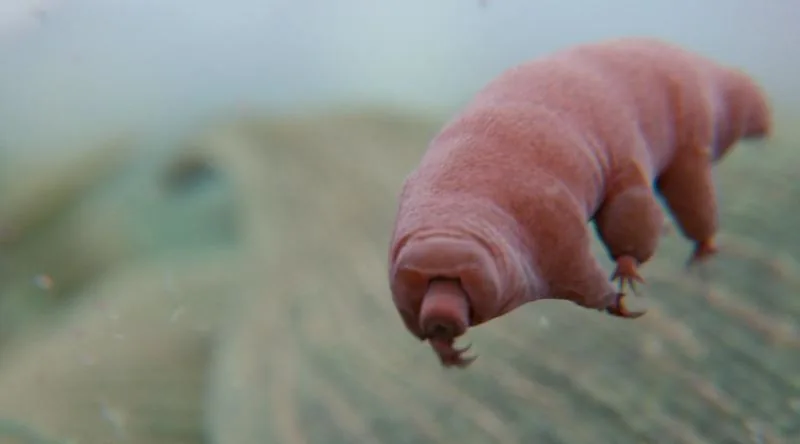
Tardigrade survival hinges on a combination of cryptobiosis and a unique protective protein called Dsup, which allows these microscopic animals to withstand radiation, vacuum, and extreme temperatures that would kill most life on Earth. These eight-legged creatures, also known as water bears, have been tested in orbit and in labs, revealing a resilience that feels almost supernatural. That hardiness is not just a curiosity; it is a window into how life might persist on other worlds, and how we might protect our own cells from damage.
Tardigrades survive radiation and space by entering a state called cryptobiosis, where they shut down their metabolism, and by using the Dsup protein to shield their DNA from breakage. They went down in history as the first animals known to survive direct exposure to the vacuum and radiation of space.
- Tardigrades went down in history as the first animals to survive exposure to the vacuum of space and high radiation levels.
- The Dsup protein, discovered in tardigrades, binds to their DNA and reduces radiation-induced breakage in lab tests.
- When scientists transferred the Dsup gene into human cells in laboratory experiments, those cells showed increased resistance to X-ray damage.
- Tardigrades can enter a dehydrated state called cryptobiosis, lowering their metabolism to nearly zero, which allows them to tolerate temperatures from near absolute zero to well above boiling.
Meet the Eight-Legged Champion of Survival
Picture a creature smaller than the period at the end of this sentence, one with eight pudgy legs and a face that looks almost cartoonishly friendly. That is the tardigrade, and it happens to be one of the toughest organisms on planet Earth. These microscopic animals have built a reputation that sounds more like science fiction than biology, and once you hear what they can survive, you will understand why scientists cannot stop studying them.
Think about the most extreme conditions you can imagine. A scorching desert that would cook most life forms. The crushing pressure at the bottom of the ocean. A deep freeze that would shatter ordinary cells. Tardigrades shrug all of it off. They have been recorded surviving temperatures down to -272°C, just a single degree above absolute zero, and up to 150°C on the other end of the thermometer. That range alone puts every other animal to shame, but the tardigrade survival story goes even further than temperature extremes.
When researchers sent these creatures into the vacuum of space, they did not just cling to life, they came back home. They went down in history as the first animals to survive exposure to space's harsh environment, enduring both the vacuum and the intense radiation levels that would prove fatal to most living things. The key to this remarkable toughness lies in a special protein called Dsup, short for damage suppressor, which wraps around their DNA like a protective shield and helps repair damage before it becomes fatal.
What makes this even more fascinating is that the Dsup protein works beyond tardigrades. In laboratory experiments, scientists transferred it into human cells, and those cells showed measurable protection against radiation damage. This discovery has opened up exciting possibilities for medical applications, particularly for protecting healthy tissue during cancer radiation therapy. The humble tardigrade might one day help humans withstand treatments and environments that currently push our bodies to their limits.
The Dsup Protein: A Molecular Shield Against Radiation
Researchers cracked open one of nature's most puzzling safes when they identified a protein called Dsup, short for damage suppressor, hiding inside tardigrade cells. This single discovery helped explain how these microscopic eight-legged creatures can shrug off radiation doses that would kill almost anything else on Earth. The protein acts like a molecular bodyguard, latching onto tardigrade DNA and wrapping around it like a protective blanket.
Here's what makes that so remarkable. When radiation slams into a cell, it doesn't just bounce off. It tears through DNA, snapping the delicate strands and scrambling the genetic code, which leads to mutations and, eventually, cell death. Dsup changes the game entirely. By binding directly to the DNA and curling around it, the protein forms a physical barrier that absorbs much of the impact. Radiation-induced breaks happen far less often, and when damage does occur, the protein makes it easier for the cell's repair machinery to find and fix the broken sections.
The results are almost unbelievable. Tardigrades carrying Dsup can survive far higher radiation doses than most other creatures can endure. This protein is a cornerstone of tardigrade survival, one of several tricks these creatures use to outlast conditions that should wipe them out.
Here's where the story gets even more intriguing. Scientists didn't stop at simply observing Dsup in tardigrades. In laboratory experiments, they transferred the gene for this protein into human cells, and something remarkable happened. Those human cells gained a measurable resistance to X-ray radiation, showing significantly less DNA damage than their unmodified counterparts. The protective effect crossed the species barrier, which opens up some genuinely exciting possibilities for medicine, particularly for protecting healthy tissue during cancer radiation therapy.
From Tardigrades to Human Cells: Dsup's Promise
Here is where the story gets personal. Researchers took the Dsup protein out of tardigrades and inserted it into human cells in a lab dish, and something remarkable happened: those human cells gained a measurable shield against X-ray radiation. It was a quiet breakthrough, the kind that makes you lean a little closer to the microscope.
Think about what that means. The same protein that lets a microscopic water bear shrug off radiation doses that would kill most living things can apparently do its protective work in our own cellular machinery. When the scientists hit those modified human cells with radiation, they saw significantly less DNA damage compared to ordinary human cells. The Dsup protein essentially wrapped itself around the DNA like a tiny, invisible suit of armor, absorbing the blow and keeping the genetic code intact.
Now, before you start imagining a future where we all get tardigrade injections, let's be clear about where this stands. This is a lab finding, a proof of concept, not a clinical treatment. No human has ever received Dsup therapy, and there is a long, winding road between a petri dish and a hospital room. But the possibilities are genuinely thrilling, and scientists are openly talking about them.
The most immediate hope centers on cancer treatment. Radiation therapy is a brutal but effective tool, and its biggest flaw is that it doesn't discriminate. It kills cancer cells, sure, but it also damages the healthy tissue around them, which is why patients endure such punishing side effects. The idea is that Dsup could be used to protect those healthy cells during radiotherapy, creating a targeted shield that leaves the cancer cells vulnerable while safeguarding the body's own tissues. It could mean fewer burns, less fatigue, and a gentler road through a grueling treatment.
There is also the tantalizing prospect of radiation protection for astronauts. Space is a hostile place, and cosmic radiation is one of the biggest obstacles to long-duration missions. If we could somehow harness the tardigrade survival trick, it might one day help protect the people who venture beyond our atmosphere. That is still very much a dream, but it is a dream with a biological foundation that has already been demonstrated in a lab.
What makes this so compelling is how close it feels. We are not talking about science fiction or some distant future. We are talking about a protein that has already been proven to work in human cells, sitting in a lab, waiting for the next step. The tardigrade survival mechanism that evolved over millions of years in a creature smaller than a grain of sand might just hold a key to protecting our own fragile bodies.
Cryptobiosis: The Ultimate Survival Trick
When the heat turns up, the cold bites hard, or the water runs out, tardigrades have a second trick that borders on magic: cryptobiosis. In this state, a tardigrade loses most of the water in its body and slows its metabolism to a near standstill. It is not sleeping, not dying. It is simply pausing life itself.
Picture a microscopic animal shriveling into a tiny, dehydrated barrel, waiting out conditions that would kill almost anything else. In this suspended state, tardigrade survival reaches absurd extremes. Scientists have recorded them enduring temperatures as low as -272°C, just one degree above absolute zero, and as high as 150°C. For context, that cold is colder than deep space, and that heat is hot enough to sterilize surgical tools. The tardigrade just sits there, tucked into its cryptobiotic shell, until conditions soften and water returns.
This same trick is what carried them beyond Earth. Tardigrades were sent into the vacuum of space and exposed to the brutal emptiness and unfiltered solar radiation. According to the original account, they went down in history as the first animals to survive that ordeal, though they were not the first organisms overall. Still, for a creature barely visible to the naked eye, being the first animal to weather space is a remarkable line on the résumé.
What makes cryptobiosis so special is how fully it shuts things down. The tardigrade's metabolism drops to nearly zero, and its cells swap their usual water for protective molecules that keep structures intact. It is the ultimate survival trick, the reason these eight-legged wonders can outlast nearly every other life form on the planet.
Why Tardigrades Capture Our Imagination
Tardigrades have waddled their way out of the microscope and into our living rooms, starring in cartoons, video games, and sitting on shelves as plush toys. These eight-legged microscopic celebrities have become pop culture icons because their superpowers feel like something out of a comic book. But the real magic is that their tardigrade survival tricks are genuinely inspiring scientists to rethink what's possible for human health and space exploration.
Here's where it gets genuinely thrilling. The Dsup protein that shields tardigrade DNA from radiation has been transferred into human cells in laboratory experiments, and it worked. When human cells expressed this tardigrade protein, they showed reduced DNA damage after X-ray exposure. Scientists are now eyeing this as a potential way to protect healthy cells during cancer radiation therapy, which could mean fewer side effects for patients. The same protein might one day help astronauts withstand the harsh radiation of deep space, turning a creature smaller than a grain of sand into a blueprint for human resilience.
Yet the Dsup protein is just one chapter of the story. Tardigrades also slip into cryptobiosis, a state where their metabolism nearly flatlines and they lose most of their body water, allowing them to survive temperatures from -272°C up to 150°C. These are the extremes that make them invaluable models for understanding how life might persist beyond Earth. As space agencies plan longer missions to the Moon and Mars, tardigrades offer a living example of how organisms might endure the journey, and their protective mechanisms could inform everything from spacecraft design to medical protocols for crew members.
There's something deeply humbling about a creature that has outlasted ice ages, asteroid impacts, and the vacuum of space, yet remains so small you need a microscope to see it. Every new study seems to peel back another layer, revealing fresh proteins, new behaviors, and unexpected capabilities. The more we learn, the more questions surface. Tardigrades are a treasure trove of secrets, and we are only beginning to unlock what they hold. Their story reminds us that the most extraordinary solutions to our biggest challenges might already exist in nature, waiting quietly in a drop of water.
Got a take on this? Add your voice to the conversation below →
No comments yet. Be the first.