Seinfeld's 90s Problems Still Exist in Turkey
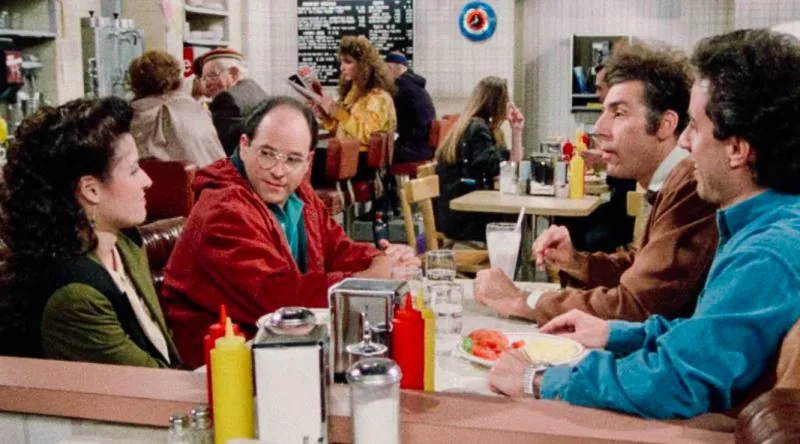
Rewatching Seinfeld on Netflix reveals how the show's 1990s American social issues, from vegetarianism to workplace sexism, still echo unresolved in Turkey today, creating a surprising cultural gap that feels both dated and painfully current. Turkish viewers in the 2020s are finding that the sitcom's sharp observations about modern life hit closer to home than they ever expected, sparking conversations about how much of the show's humor translates across the Atlantic.
Seinfeld, originally airing in the United States from 1989 to 1998, is now streaming on Netflix in Turkey, where audiences are noticing that the social tensions the show mocked three decades ago, such as vegetarianism debates, office gender dynamics, and the anxiety of being constantly connected, are still live issues in Turkish society today.
- Seinfeld premiered on NBC in 1989 and ran for nine seasons until 1998, depicting the lives of four single friends in New York City.
- The show became available on Netflix in Turkey in the 2020s, introducing a new generation to its specific brand of observational humor.
- Episodes dealing with vegetarianism and animal rights, like the one where Elaine dates an animal rights activist, resonate with Turkey's growing but still contentious vegan movement.
- Workplace sexism storylines, particularly those involving Elaine's struggles in a male-dominated office, mirror ongoing conversations about gender equality in Turkish professional settings.
- The show's early 1990s jokes about answering machines and pagers now feel quaint, yet the underlying anxiety about being reachable has only intensified with smartphones.
The 30-Year Gap No One Warned Us About
When Seinfeld landed on Netflix in Turkey, I started a marathon watch that turned into something closer to a cultural shock. The show aired on NBC from 1989 to 1998, and I expected a cozy nostalgia trip. Instead, I found myself muttering, "Wait, this is still us." The older generation used to tell us in the 1990s that Turkey lagged behind the US by about 20 years. Watching it again now, I'd say that gap was closer to 30, and in some ways, it hasn't closed at all.
People call Seinfeld a period piece, and I reject that label completely. A period piece belongs to a closed chapter, something you view from a safe distance like a museum exhibit. But the topics this show tackled in its third season alone, vegetarianism, animal rights, the harms of smoking, healthy living, cosmetic surgery obsession, feng shui, stock market fever, even hourly car rental, are conversations that have only started bubbling up in Turkey in the last few years. The only thing missing from that 1990s New York was smartphones and the internet. The fashion has even cycled back around, with oversized t-shirts and chunky sneakers suddenly looking current again, which makes the whole thing feel even less like history.
Third Season Topics That Are Still Taboo in Turkey
In 1989, when Seinfeld first aired on NBC, it spent a single season tackling topics that much of Turkey still treats as taboo conversation territory more than three decades later. The third season alone reportedly waded into vegetarianism, animal rights, the harms of smoking, healthy living, cosmetic surgery obsession, feng shui, stock market fixation, and hourly car rental. Some of these subjects are only now beginning to surface in Turkish public discourse within the last few years.
What makes this particularly striking is how the show's writers approached these themes with a casualness that still feels unfamiliar in Turkish living rooms. When the series landed on Netflix and Turkish viewers began their marathon, many found themselves pausing to rewind and think, "Wait, they talked about that on network television in the nineties?" The only technology conspicuously missing from the characters' lives is the cell phone and the internet. Everything else, from workplace sexism to salary inequality to mobbing, got its turn under the comedic microscope.
The fashion angle adds another layer of confusion for contemporary viewers. Oversized t-shirts, chunky sneakers, and cashmere jackets worn by the cast in the early nineties have cycled back into style. So when you watch Jerry in his boxy blazer or Elaine in her loose-fitting denim, the outfit looks like something from a current catalog rather than a period piece. That visual familiarity makes the taboo topics feel even more jarring, because the people discussing them look like they could be sitting in a 2020s Istanbul cafe.
When Seinfeld first premiered, there was reportedly only one shopping mall in all of Istanbul, indeed in all of Turkey. Whether that exact number is verifiable remains unclear, but the broader point holds: the America depicted in the show, with its rental services run through computers and its casual conversations about lifestyle choices, sat decades ahead of what most Turkish households experienced at the time. Some neighborhoods in central Istanbul were still grazing sheep, central heating and natural gas were absent, and coal smoke left your clothes smelling even in the wealthiest districts. Third-wave coffee shops were unimaginable, and even Nescafe had not yet become common.
That gap is why the Seinfeld Turkey cultural gap feels so wide even now. A show that ended in 1998 still manages to feel more current than many conversations happening today, not because the jokes are timeless, but because the subjects remain unresolved in a country that was, in many ways, still catching up to 1989.
Turkey in 1989 vs. the Seinfeld Universe
When Seinfeld premiered on July 5, 1989, the gap between New York and Istanbul was not a matter of a few years, but of decades. The show that would run until May 14, 1998, portrayed a world so far ahead that even today, some of its everyday comforts remain out of reach in Turkey.
When the series first aired, there was reportedly only one shopping mall in all of Turkey, though no reliable data confirms this exact figure. What is certain is that sheep grazed in what are now central Istanbul neighborhoods, and central heating and natural gas were unheard of. Coal smoke filled the air, leaving clothes reeking of soot even in the wealthiest districts. Nescafe was not yet widespread, let alone the third-wave coffee shops that line Turkish streets today.
The show's middle-income characters enjoyed social amenities that many Turks still lack. Even the rental services in the series used computers, with employees checking screens before handing over a car or a video cassette, a level of technology unseen in Turkey at the time. The contrast was stark: while Seinfeld characters debated vegetarianism, animal rights, and smoking harms, these topics remained taboo in Turkey for decades to come.
Workplace Issues and Tech That Were Ahead of Their Time
Long before terms like "mobbing" entered everyday office conversation, Seinfeld was already putting workplace dysfunction on screen. The show, which ran on NBC from 1989 to 1998, tackled sexual harassment in the office, gender pay gaps, and even touched on racism without flinching. For Turkish viewers, these storylines felt less like comedy and more like a preview of conversations that would only arrive decades later.
The workplace scenes hit especially hard because they showed something rare for the era: employees who could actually speak up. A secretary facing a leering boss, a woman discovering she earns less than her male counterpart, an employee enduring subtle racial digs, all of it played out in Jerry's cluttered apartment and the diner booth where the gang dissected every injustice. The show never preached, but it refused to look away either.
One subway episode went even further, weaving together social pressure, prejudice, and nudism into a single uncomfortable ride. The premise sounds absurd, but the point landed clearly: society's unwritten rules can suffocate you, whether you're on a packed train or standing naked in front of strangers. That kind of layered social commentary was rare in 1990s television, and virtually unheard of in Turkish programming at the time.
Then there was the technology. Every rental service in the show, whether for cars or VHS tapes, used a computer to check availability and process the transaction. The clerk would tap a few keys, glance at the screen, and give an instant answer. In Turkey during those same years, such a scene was pure science fiction. Even the most modern Turkish businesses operated with paper ledgers and phone calls, and the idea of a customer-facing computer terminal belonged to a world that simply did not exist yet.
George Costanza was not unemployed in those early seasons. He worked for his father Frank at the family business and later took a job at a parking garage, which gave him plenty of material for his endless complaints about his boss, his coworkers, and the general indignity of earning a paycheck. His struggles were never about being jobless, but about being trapped in jobs he despised, a distinction that made his rants all the more relatable.
Love, Breakups, and the Infamous Shrinkage Episode
Long before Turkish forum users were typing out their romantic dilemmas on Ekşi Sözlük, Jerry Seinfeld and his writers had already turned those exact situations into comedy gold. The show ran on NBC from 1989 to 1998, and in those nine years it somehow covered nearly every relationship quirk that still fills internet threads today.
Faking your own death to escape a relationship? Check. The awkward politics of morning sex? Check. That weird thing your partner does that you can't mention to anyone else? Also check. The show's writers had an uncanny knack for finding the most uncomfortable, unspoken corners of dating life and putting them on screen with a studio audience laughing along.
One episode in particular has become legendary among Turkish viewers, though the details often get muddled in retellings. The famous "ugly baby" episode is actually "The Hamptons" from Season 5. In it, George Costanza panics after a skinny-dipping mishap in cold ocean water. The popular version of the story says his testicles were the problem, but the episode itself is more delicately vague about exactly what shrank. What matters is the sheer horror on Jason Alexander's face as he tries to explain himself to his girlfriend Elaine, and the way the scene has become shorthand for male vulnerability wrapped in absurdist comedy.
Beyond that famous moment, the show built its legacy on episodes like the Soup Nazi, where a terrifying food vendor refuses to serve anyone who doesn't follow his exact ordering protocol. There is also Kramer's ill-fated Hollywood adventure, which sees the lanky neighbor convinced he is destined for movie stardom, and the saga of Costanza's car, a beat-up vehicle that becomes a running joke about pride and poor decisions. Each of these storylines feels like it could have been lifted straight from a relationship advice forum, except the characters actually say the things most people only think.
What strikes a Turkish viewer watching today is how familiar these problems feel. The specific details might be American, but the emotions, the awkward silences, the desperate attempts to save face, those translate perfectly. The Seinfeld Turkey cultural gap narrows considerably when you realize that heartbreak and embarrassment have no borders, even if the shopping malls and rental car services do.
Frequently asked questions
What social issues did Seinfeld address in the 1990s that are still taboo in Turkey?
Seinfeld, which aired on NBC from 1989 to 1998, tackled vegetarianism, animal rights, workplace sexism, and mobbing decades before these topics entered mainstream Turkish conversation. The show also explored smoking harms, healthy living, cosmetic surgery trends, and stock market obsession. For Turkish viewers discovering the series on Netflix, these were not nostalgic relics but fresh, unresolved conversations.
Why is Seinfeld considered ahead of its time for Turkish audiences?
The series addressed workplace sexism and mobbing in its early seasons, around 1990-1991, when corporate culture in Turkey was still developing. The show touched on salary inequality and even hints of racism before these issues became part of public discourse in Turkey. Many of these topics only started appearing in Turkish media conversations in the last few years.
How does the technology in Seinfeld compare to what was available in Turkey in the 90s?
Every rental service in Seinfeld, whether for cars or video cassettes, used computers for instant lookup. This was technology Turkish viewers had never seen in daily life during that period. The show's characters also had access to amenities like central heating and modern shopping experiences that simply did not exist in most of Turkey at the time.
What does the Seinfeld Netflix release reveal about cultural differences?
The Netflix release highlighted what the original Turkish account calls a 30-year cultural gap between the United States and Turkey. Topics treated as normal conversation in 1990s New York were only beginning to surface in Turkish public discourse around 2020-2022. The show's availability on streaming platforms made this lag visible to a new generation of Turkish viewers.
Did Seinfeld discuss workplace sexism and mobbing before it became mainstream in Turkey?
Yes, Seinfeld addressed workplace sexism, mobbing, and salary inequality in its early seasons during the early 1990s. The original Turkish account notes that the show touched on these issues when the number of corporate companies in Turkey could be counted on one hand. These workplace dynamics became mainstream discussion topics in Turkey only decades later.
How did Seinfeld portray vegetarianism and animal rights decades before Turkey's discourse?
In its third season, around 1991-1992, Seinfeld treated vegetarianism and animal rights as completely normal, everyday topics for its characters. The show presented these as unremarkable lifestyle choices, not radical positions. This casual treatment was decades ahead of when these conversations would begin in Turkish society.
What was the state of shopping malls in Turkey when Seinfeld premiered?
As the story goes, when Seinfeld premiered in 1989, there may have been only one shopping mall in all of Turkey, possibly in Istanbul. However, this specific count has not been reliably verified. What is certain from the original account is that sheep were still being grazed in neighborhoods now considered central Istanbul, and coal smoke made it hard to see.
Why do Turkish viewers feel a 30-year gap?
Turkish viewers feel this gap because Seinfeld's 1990s storylines about vegetarianism, workplace dynamics, and social pressures are still current issues in Turkey today. The original account describes how topics the show treated as ordinary conversation are only now entering Turkish public discourse. This means watching Seinfeld today does not feel like watching a period piece, but rather like watching tomorrow's headlines.
Got a take on this? Add your voice to the conversation below →
No comments yet. Be the first.