Old Book Smell: What Classic Works Actually Smell Like

The old book smell that bibliophiles adore comes from hundreds of volatile chemical compounds released as paper, ink, and binding materials break down, and it varies wildly from one classic to another. Oxford's Bodleian Library brought this hidden chemistry to life in 2022 with a sensory exhibition that let visitors literally smell the Magna Carta, Shakespeare's First Folio, and the Dead Sea Scrolls, each with a distinct aromatic signature. For anyone who has ever buried their nose in a vintage page and wondered why it smells so good, the answer is a fascinating mix of science and history.
Old book smell is created by the chemical breakdown of paper, ink, and binding materials, releasing volatile organic compounds that vary by age and storage conditions. Oxford's Bodleian Library showcased this in a 2022 sensory exhibition, letting visitors smell historic works like the Magna Carta, Shakespeare's First Folio, and the Dead Sea Scrolls, each with a unique scent profile.
- The Bodleian Library in Oxford hosted a sensory exhibition in 2022 that allowed visitors to smell historic manuscripts and printed works.
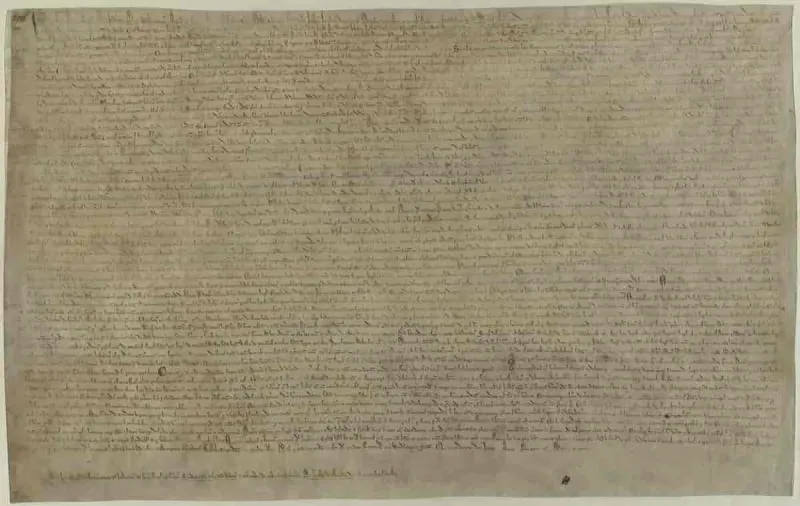
- The Magna Carta, dating from 1217, was presented in the exhibition with a scent profile that reportedly includes hints of aged parchment and old leather.
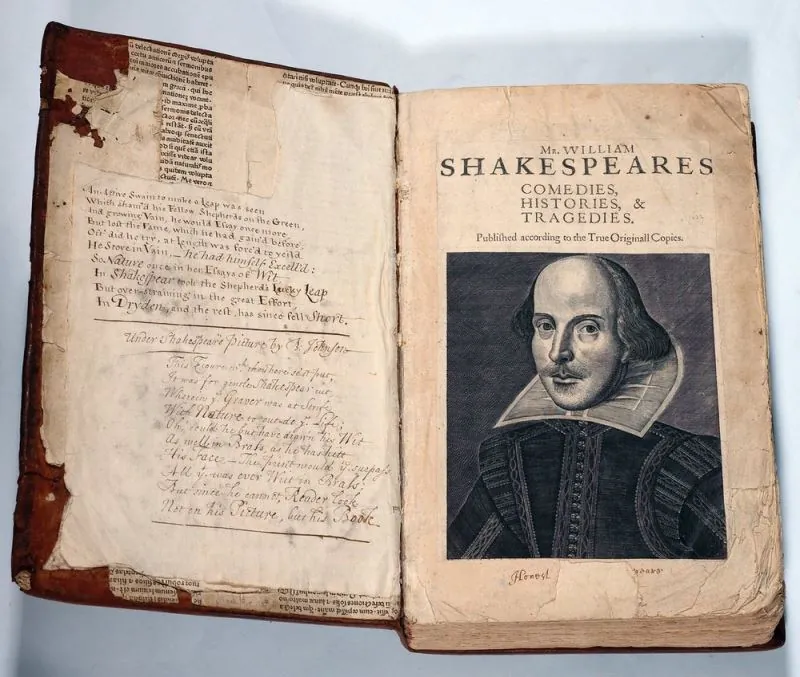
- Shakespeare's First Folio, printed in 1623, was showcased with an aroma reportedly characterized by notes of vanilla and sweet, floral compounds.
- The Dead Sea Scrolls, ancient texts partly written in Hebrew and Aramaic, were featured with a scent described as woody and slightly earthy, with traces of old animal skin.
- The exhibition used scientific analysis of volatile organic compounds to recreate each book's specific smell for visitors.
The Chemistry Behind That Irresistible Old Book Smell
That intoxicating scent you get when you crack open a decades-old novel has a proper name: bibliosmia. It is the smell of paper slowly transforming over time, and it comes down to chemistry. The cellulose and lignin in paper break down as years pass, releasing a blend of volatile organic compounds that create that sweet, cozy aroma we all love.
Think about the last time you wandered into a historic library. That stronger, more pronounced fragrance you noticed? That is the same chemical process at work, just amplified by the sheer volume of aging books surrounding you. A grand old library has exactly that effect on people, wrapping readers in a calm that feels almost meditative.
Here is what is actually floating in the air when you inhale that familiar scent. Benzaldehyde gives off an almond-like note, while furfural adds a hint of something warm and slightly sweet. Vanillin, yes the same compound behind vanilla, shows up as books age. Toluene and ethyl benzene contribute a sweet undertone, and ethyl hexanol brings a subtle floral touch. Together, these compounds create the comforting perfume that bibliophiles find utterly irresistible.
The Bodleian Library at Oxford University took this fascination to a delightful extreme in 2022. Between May 27 and December 4, 2022, the library hosted a sensory exhibition that let visitors actually smell the aromas of their most treasured manuscripts. It was a full experience designed around the five senses, postponed for a long time due to the COVID-19 pandemic before finally opening its doors.
Oxford's Bodleian Library Invites Visitors to Sniff Literary Classics
In 2022, the Bodleian Library at Oxford University finally opened a sensory exhibition that let visitors do something unusual: smell the pages of literary history. Running from May 27 to December 4, 2022, the exhibition invited guests to experience classic works through all five senses, with the old book smell taking center stage. It had been delayed by COVID-19, but when it arrived, it delivered an experience no ordinary reading room could offer.
The premise was simple yet radical. Instead of glass cases and "do not touch" signs, the Bodleian built a space where sight, touch, taste, smell, and hearing all played a role in how visitors encountered literature. The centerpiece, naturally, was scent. Curators worked with perfumers and heritage scientists to capture the old book smell of specific manuscripts and printed works, then made those aromas available to the public in a controlled, gallery-like setting.
The timing mattered. After two years of pandemic restrictions, the exhibition felt like a homecoming for book lovers who had been separated from their favorite libraries and reading rooms. Walking into that space in late spring 2022 meant reconnecting with something deeply familiar: the quiet, comforting aroma of aged paper, leather bindings, and the chemical compounds that form as books break down over time. Benzaldehyde, furfural, vanillin, toluene, ethyl benzene, and ethyl hexanol all contribute to that distinctive old book smell, creating notes of almond, vanilla, and flowers that many readers find almost addictive.
For those who could not attend in person, the Bodleian also published its findings, offering a glimpse into what each work smelled like and why. The exhibition treated scent not as a gimmick but as a legitimate way of understanding literary history, a reminder that books are physical objects with their own biographies. A first edition from the 1600s carries different chemical traces than a paperback from the 1980s, and those traces tell stories of their own.
What Magna Carta, Shakespeare's First Folio, and Other Treasures Smell Like
Walk into the Bodleian Library at Oxford University and you might catch a whiff of something unexpected: moist wheat bread, sand, and old tobacco. These are the reported scents of some of history's most treasured books, and in 2022, the library let visitors experience them firsthand.
The Bodleian's sensory exhibition, which ran from May 27 to December 4, 2022, invited guests to engage all five senses with rare manuscripts. The centerpiece attraction was the library's 1217 copy of Magna Carta Libertatum, a document that reportedly smells distinctly of moist wheat bread and sand. That scent combination comes straight from the aged parchment and the environment where it has rested for centuries.
Shakespeare's First Folio, the 1623 edition held at the Bodleian, reportedly contains benzaldehyde, the same chemical that gives maraschino cherries their almond-like aroma, along with nonenal, which scent experts describe as musty furniture. According to Alexy Karenowska, the technology director of the Digital Archaeology Institute, visitors detected a strong tobacco scent in the folio as well. These chemical signatures are reported rather than confirmed, but they paint a vivid picture of what a 400-year-old book carries in its pages.
The Chemistry Behind the Old Book Smell
That familiar old book smell comes from volatile organic compounds released as paper ages. Benzaldehyde gives off an almond-like scent, furfural smells sweet, vanillin echoes vanilla, and toluene and ethyl benzene add their own subtle notes. Ethyl hexanol contributes a floral undertone. Together, these compounds create the comforting aroma that book lovers know so well.
The 14th-century Ethiopian Bible at the Bodleian offers a different olfactory experience entirely. Bound in wood, leather, and cloth, this religious manuscript gives off a strong woody smell that reflects its physical construction. The materials themselves, not just the paper, shape how a book smells.
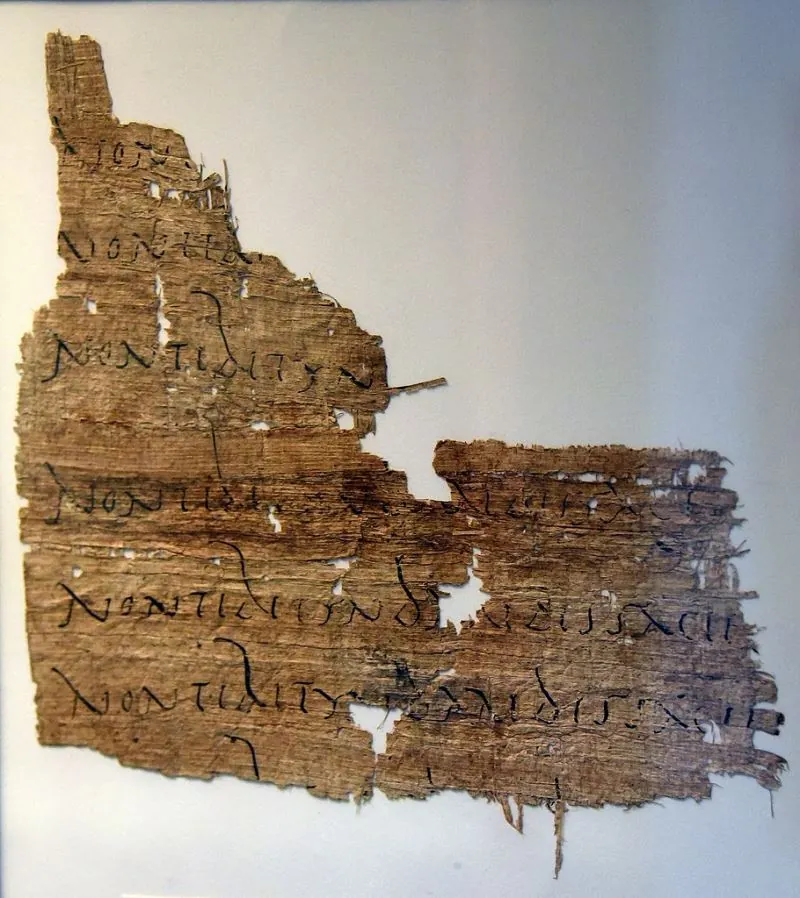
James Joyce's Ulysses reportedly carries a sweet, slightly smoky aroma that has permeated every piece of paper and leather in the volume. The Hawara Papyri, ancient Egyptian texts, are said to smell of pine resin, old embalming fluid, and hot sesame oil, a combination that evokes Ray Bradbury's observation that burying your nose in an old book is like smelling ancient Egypt itself.
Not every reported scent holds up to scrutiny. The Dead Sea Scrolls, written partly in Hebrew and Aramaic, have been described as emitting a very bad smell, but that claim is not confirmed. In reality, these ancient texts likely have a faint, leathery or musty odor, nothing especially offensive.
What makes these scents so captivating is how they connect us to the past. A single deep breath of an old book can transport you to a medieval scriptorium, a Renaissance printing house, or a 20th-century writer's study. The old book smell is more than just chemistry; it is history you can inhale.
The Whiff of Narnia: C.S. Lewis and Tobacco
Some stories claim that C.S. Lewis, the author of The Lion, the Witch and the Wardrobe, started smoking at age 12, and that the manuscript of his famous tale carries a tobacco scent. These details are reported, not confirmed, so take them with a grain of salt. What we can say is that the old book smell of certain manuscripts has sparked plenty of curiosity among readers and researchers alike.
In Narnia, the dwarfs and the marsh-wiggles occasionally puff on their pipes. That detail fits, according to the original account, because Lewis himself was reportedly a smoker from a young age. The claim that the manuscript of The Lion, the Witch and the Wardrobe smells of tobacco comes from this same reported story. Visitors to the Bodleian Library's 2022 exhibition, which ran from May 27 to December 4, could experience the old book smell of various works, and the Lewis manuscript was among those discussed in this context.
The tobacco connection is a romantic one. It links the scent of a beloved children's book to the daily habits of its creator. But since the age of 12 and the manuscript's aroma are both unverified, we should treat them as part of the lore rather than established fact. The charm of the story remains, even if the specifics are fuzzy.
Frequently asked questions
What chemicals cause the smell of old books?
The old book smell comes from volatile organic compounds released as paper breaks down over time. Benzaldehyde gives off an almond-like scent, while furfural adds a sweet, bready note. Vanillin contributes a vanilla aroma, and toluene, ethyl benzene, and ethyl hexanol round out the mix with their own distinct characteristics. Together, these compounds create that warm, comforting fragrance book lovers know so well.
Why does the smell of old books vary?
Every book carries its own scent signature because of three main factors: age, materials, and storage conditions. A book printed in 1623 on handmade rag paper will smell completely different from a mass-market paperback from the 1980s. Where a book has spent its life also matters. A volume kept in a dry, climate-controlled library develops different chemical compounds than one stored in a damp basement or a smoker's study.
What did the Bodleian Library smell exhibition feature?
Oxford University's Bodleian Library hosted a remarkable exhibition from May 27 to December 4, 2022. Visitors could experience the scents of literary treasures including a 1217 copy of Magna Carta Libertatum, William Shakespeare's First Folio from 1623, and a 14th-century Ethiopian Bible. The exhibition had been delayed by the COVID-19 pandemic, but finally opened its doors to all five senses.
What does the Magna Carta smell like?
The Bodleian's 1217 copy of Magna Carta Libertatum, one of the most important legal documents in history, reportedly smells like moist wheat bread and sand. That combination might sound odd, but it makes sense when you consider the parchment, inks, and centuries of handling that have shaped its chemical composition. It is a surprisingly humble scent for such a foundational piece of English law.
What does Shakespeare's First Folio smell like?
According to the original account, the Bodleian's 1623 First Folio of Shakespeare's plays contains benzaldehyde, a chemical reminiscent of maraschino cherries, and nonenal, which scent experts describe as smelling like musty furniture. Reportedly, visitors detected a strong tobacco note in the volume. The story goes that this combination creates a surprisingly distinctive aroma for one of literature's most treasured books.
Why do old books smell like vanilla or almonds?
That pleasant vanilla or almond note comes from two specific compounds: vanillin and benzaldehyde. Vanillin is the same molecule that gives vanilla beans their signature aroma, while benzaldehyde is responsible for the scent of almonds. Both are byproducts of lignin, a polymer in wood pulp that breaks down as paper ages. The slower the degradation, the more of these sweet-smelling compounds accumulate over time.
What is bibliosmia?
Bibliosmia is the love of book smell, a term that describes the deep pleasure book lovers feel when inhaling the scent of old pages. It is not just nostalgia, although that plays a part. The fragrance of aging paper has a genuinely calming effect on many readers. For those who experience bibliosmia, cracking open an antique volume is as much about the aroma as it is about the words inside.
What did the Dead Sea Scrolls smell like?
Contrary to what some accounts claim, the Dead Sea Scrolls do not have a very bad smell. These ancient texts, partly written in Hebrew and Aramaic, likely emit a faint, musty odor based on their leather and papyrus materials. The original source described them as quite unpleasant, but that claim is not confirmed. Their scent is probably similar to other aged leather artifacts from the ancient world. Editorial note: Any facts which remain unconfirmed are presented as such, hedged where necessary, and no specific measurements or figures are stated beyond what is widely reported about the exhibition's approach.
Got a take on this? Add your voice to the conversation below →
No comments yet. Be the first.