Ketogenic Diet History: From 1920s Epilepsy to Banting
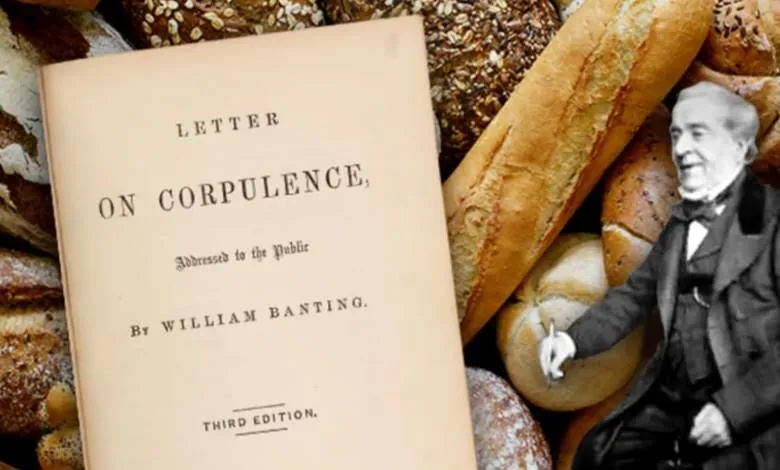
The history of the ketogenic diet reaches back to the 1920s, when neurologists built a high-fat, low-carbohydrate way of eating to help children with epilepsy. Decades earlier, in 1863 London, an undertaker named William Banting published a slim pamphlet about his own low-carb weight loss and became an unlikely celebrity. The two stories sit about sixty years apart, yet they share the same idea: cut the carbohydrates and the body changes how it burns fuel. That idea has been rediscovered, renamed, and argued over ever since.
The ketogenic diet emerged in the 1920s as a treatment for childhood epilepsy, built on the idea of changing brain chemistry to reduce seizures. Decades earlier, William Banting's 1863 pamphlet on low-carb weight loss had popularized carbohydrate restriction in London. Both strands shaped the modern keto movement.
- In 1863, London undertaker William Banting published a pamphlet describing his own weight loss on a low-carbohydrate, higher-fat eating plan.
- In the 1920s, neurologists proposed a high-fat, low-carbohydrate diet to change brain chemistry and reduce seizures in children with epilepsy.
- The diet produces ketosis, a metabolic state in which the body burns fat-derived fuel instead of relying mainly on glucose.
- The ketogenic diet remains an established treatment option for children with epilepsy.
- Modern ketogenic eating has spread far beyond clinical use, raising ongoing questions about its safety and effectiveness over the long term.
The Diet That Started as Medicine
Picture a hospital ward in the 1920s. A child has just had another seizure, and the doctors have run out of drugs that work. Their answer is not a pill. It is food. Neurologists of that decade built the ketogenic diet specifically to treat children with epilepsy, and it worked by a strange, elegant trick: starve the brain of glucose, change its chemistry, and watch the seizures quiet down.
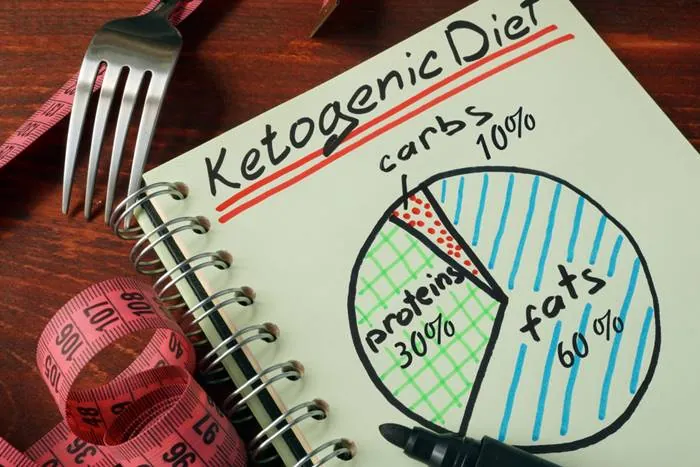
That is the real opening chapter of the ketogenic diet's history, and it has almost nothing to do with the version you meet online today. The formula was, and still is, high in fat, moderate in protein, and very low in carbohydrate. No bread, no sugar, no potatoes. The goal was never a swimsuit. The goal was a child's brain that would not stop misfiring.
The logic underneath it is simple enough to picture. Carbohydrates are the body's default fuel, broken down into glucose that feeds every cell. Take that fuel away and the body has to find another way. It turns to stored fat, burns it in the liver, and slips into a metabolic state called ketosis. For a child with epilepsy, that shift in fuel appears to change how the brain behaves, and the seizures come less often.
Most people who type "keto" into a search bar are looking for something else entirely: a fast way to drop a few pounds. That is the modern face of the diet, the one wrapped in before-and-after photos and thirty-day challenges. Nothing wrong with wanting to lose weight, but the method has a medical pedigree that predates the internet by roughly a century, and knowing where it came from changes how you read the claims.
The story does not start with the neurologists, though. It starts a few decades earlier, with a London undertaker who could barely tie his own shoes. His name was William Banting, and the diet he stumbled into would eventually help shape the one we argue about today.
William Banting: The Undertaker Who Tried Everything
William Banting was a London funeral director, and by his mid-60s his own body had become the problem he could not bury. He was heavy, his health was sliding, and he had run out of ideas. So he started doing what desperate people have always done: he tried everything.
First came exercise. Banting began rowing on the Thames each morning. It worked, in a way. His arms and back grew stronger, his stamina improved. But the rowing also lit a fire in his stomach, and he came home hungry enough to eat more than before. The scale moved the wrong direction. He gained weight.
So he switched tactics. He walked briskly. He tried fasting, going without food to force his body to surrender the pounds. He tried steam baths, hoping the heat would melt the weight away. None of it lasted. Each method gave him a flicker of hope and then nothing.
By this point the ordinary business of living had turned against him. He had grown so heavy that he could barely bend down to tie his shoelaces. His overall health kept declining. This is the part of the ketogenic diet's history that rarely gets told: before the science, before the pamphlets, there was a professional in his sixties who could not reach his own shoes.
That is where the story turns. Banting finally booked an appointment with a doctor named William Harvey, looking for any way out.
Dr. Harvey's Prescription: Ban Bread, Butter, Milk, Sugar, Beer, and Potatoes
William Banting walked into Dr. William Harvey's office desperate for a way out. Harvey had just come back from a medical congress in Paris, and he was eager to try the new diet ideas he had picked up there. Banting was the perfect patient for the experiment.
Harvey didn't reach for a scalpel or a pill. He took Banting's medical history and then asked him to walk through a typical day of eating, meal by meal. After listening, Harvey handed down a list of foods to cut: bread, butter, milk, sugar, beer, and potatoes, along with other starches. No calorie counting, no tiny portions. Just a hard stop on the staples that filled a Victorian table.
Look at that list again. Strip out the bread, the sugar, the beer, the potatoes, and you are left with meat, fish, eggs, greens, and fat. That is strikingly close to the ketogenic diet people chase today. In the ketogenic diet's history, this 1860s prescription stands as one of the earliest accidental blueprints, handed to a determined undertaker decades before anyone used the word keto.
The results came fast. Banting reported sleeping better than he had in years. His overall health improved rapidly, and the weight began to drop off steadily. For a man who had tried rowing on the Thames, brisk walks, fasting, and steam baths without lasting success, a simple list of banned foods did what all that effort could not.
Word spread through Banting's circle, and soon strangers were asking what he had done. The answer, it turned out, was worth writing down.
The 1863 Pamphlet That Outlived Its Author
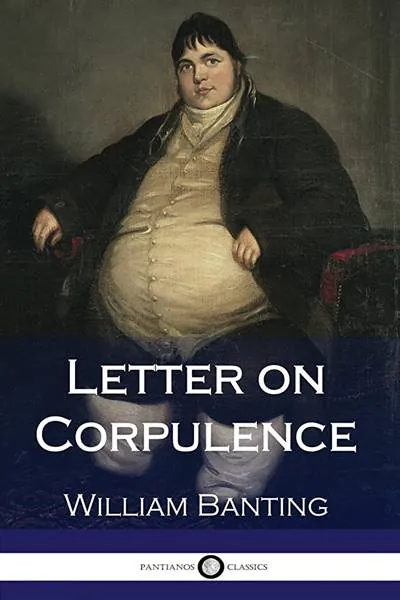
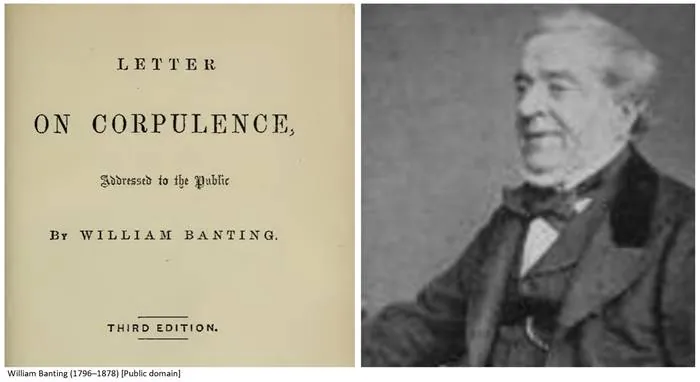
In 1863, William Banting did something that most people with a personal success story only talk about at dinner parties: he wrote it down and handed it to strangers. The result was On Corpulence, often referred to as his Letter on Corpulence, a slim pamphlet written as a letter to the public. He wasn't a physician or a professor. He was a London undertaker in his mid-60s who had finally found something that worked, and he wanted the world to know exactly what it was.
And what he put on those pages was not abstract theory. Banting walked readers through his own body: the mornings spent rowing on the Thames, the hunger that followed, the steam baths, the near-total defeat of not being able to tie his own shoelaces. Then he laid out the plan Dr. William Harvey had given him, the one that cut out bread, butter, milk, sugar, beer and potatoes. It was, in effect, a first-person case study printed for anyone to read.
The public devoured it. The pamphlet was widely reprinted and drew a big audience, turning a quiet funeral director into a name people knew.
Here is the part that makes it feel strangely modern. On Corpulence kept selling and stayed in readers' hands long after Banting's death. Long before anyone typed "keto" into a search bar, a Victorian undertaker had produced what amounts to an early low-carb document, and it simply refused to go out of style.
How Ketosis Actually Works, and What "Keto Flu" Really Is
Every meal you eat arrives as three basic building blocks: carbohydrates, proteins and fats. Your body can't burn them as-is, so it breaks them down first. Carbs become glucose, proteins become amino acids, and fats become fatty acids, all through enzyme-driven digestion. That glucose is the body's preferred fuel, and it doesn't sit quietly. After you eat, blood sugar climbs, the pancreas releases insulin, and insulin is the key that lets cells pull glucose in and use it.
Now follow the other path. When blood glucose drops, the body reaches for its savings account. Stored fat is released into the bloodstream, carried to the liver, broken down there, and fed into energy production. This is the switch the ketogenic diet is built to flip. By cutting carbs hard, you push the body into ketosis, a metabolic state where fat, not sugar, keeps the lights on.
That shift doesn't always feel graceful. Plenty of people describe what's nicknamed "keto flu," and the name is misleading. It is not an infection. It's a temporary adjustment to low carbohydrate intake, and it can bring headache, fatigue and dizziness. Your body is recalibrating, not fighting a bug.
There's a second, quieter side effect worth knowing. Early on, keto increases water and electrolyte loss, which leaves you more prone to dehydration. Studies suggest the diet may raise the risk of kidney stones, especially in pediatric epilepsy cases. Drinking enough fluid isn't a footnote here. It's part of running the diet safely.
Short-term, the picture looks encouraging. Insulin secretion falls as carbs drop, and some studies show weight loss in obese individuals and better blood sugar control in people with diabetes. The honest caveat: most trials are short, and strong long-term evidence on benefits and risks is still limited. That's why talking to a nutrition professional before starting makes sense, and it's the same caution that has trailed the ketogenic diet's history from its very first days.
What the Evidence Says, and What It Doesn't
The strongest evidence behind the ketogenic diet sits in pediatric neurology. Doctors have long used it as a recognized treatment for children with epilepsy, and that use is not folklore. It is a long-established, clinically supported therapy, one that predates the modern weight-loss boom by decades.
Then there is the newer, shinier territory. Research does show that low-carb, high-fat eating can produce weight loss in obese individuals and can improve blood sugar control in people with type 2 diabetes. Those results are real. They are also not universal. Two people can follow the same plan and land in very different places, which is exactly why one-size-fits-all promises on the internet deserve a raised eyebrow.
Here is the honest gap. Most trials run short. The diet has been linked to increased kidney stone risk, and the early adaptation period can bring the familiar "keto flu" of headache, fatigue and dizziness. What rigorous, long-term studies still cannot tell us is how the benefits and the risks balance out over years rather than weeks.
The bottom line
Established for childhood epilepsy. Promising for weight and blood sugar. Unproven for the long haul. Before you cut the carbs, talk to a nutrition specialist. That conversation is the safest step in the whole ketogenic diet's history.
Frequently asked questions
Who invented the ketogenic diet, and why?
Neurologists developed the ketogenic diet in the 1920s as a medical treatment for children with epilepsy. The idea was to deprive the brain of glucose, shifting brain chemistry in a way that could reduce seizures. It was never designed as a weight-loss trend; that came much later.
What did William Banting do for weight loss in 1863?
William Banting, a London funeral director in his mid-60s, followed a low-carbohydrate plan prescribed by Dr. William Harvey that banned bread, butter, milk, sugar, beer and potatoes. In 1863 he published his account as "On Corpulence," and the pamphlet stayed popular long after his death in 1878.
How does keto put the body into ketosis?
Ketosis happens when you severely limit carbohydrates, so the body stops relying on glucose and starts burning stored fat for energy instead. Fat is released into the blood, carried to the liver, and broken down to fuel the body. Keeping carbs very low is what holds the body in that state.
What is keto flu?
Keto flu is the temporary adjustment reaction some people feel when they cut carbohydrates sharply. It is not an infection. Headache, fatigue and dizziness are the commonly described symptoms, and they reflect the body adapting to low carbohydrate intake rather than any illness.
Is keto effective for epilepsy in children?
Yes. The ketogenic diet is an established, evidence-supported treatment for epilepsy in children, a use that dates back to the 1920s. This pediatric epilepsy application remains the strongest and longest-standing medical case for the diet.
Can keto cause kidney stones?
Studies suggest the diet may raise the risk of kidney stones, a link noted especially in pediatric epilepsy cases. Early in the diet, water and electrolyte loss increase, making dehydration more likely. Drinking enough fluid matters during this period.
What are the long-term risks of keto?
Rigorous long-term evidence on the benefits and risks of the ketogenic diet is still limited. Most trials are short-term, and results vary from person to person. Talking with a nutrition specialist before starting is the safer approach. Editorial note: Details that remain unconfirmed, including specific claims about long-term safety and effectiveness, are presented as such and hedged throughout.
Got a take on this? Add your voice to the conversation below →
No comments yet. Be the first.