iPhone 16e vs iPhone 16: The Real Differences
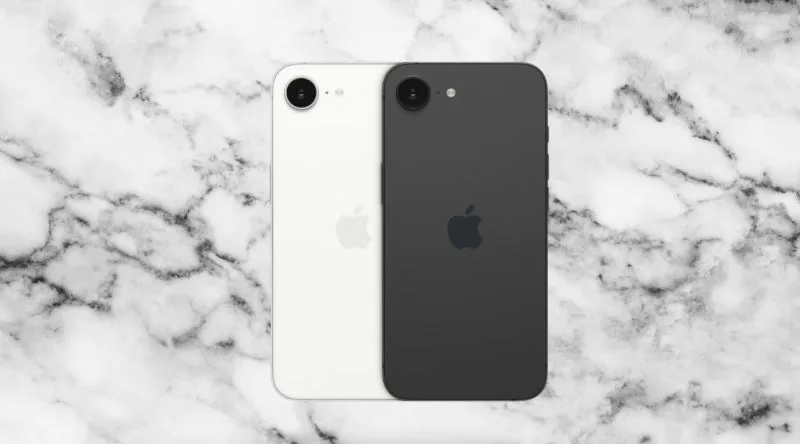
The iPhone 16e vs iPhone 16 comparison comes down to a price gap, a single camera lens, and a slightly older design. Apple positioned the 16e as the budget entry point, but it quietly packs the same A18 chip and a battery that outlasts its pricier sibling, making it a surprisingly compelling pick for everyday users who don't need a second camera or MagSafe.
The iPhone 16e costs less than the iPhone 16, sharing the same A18 processor and a longer battery life, but it drops the ultrawide camera, MagSafe charging, and the Dynamic Island. For most buyers who prioritize battery and price over camera versatility, the 16e is the smarter value in early 2025.
- The iPhone 16e launched in February 2025 as Apple's new budget model.
- Both the iPhone 16e and iPhone 16 run on the same A18 chip, though the 16e has one fewer GPU core.
- The iPhone 16e features a single 48MP main camera, while the iPhone 16 adds a second lens for wider shots.
- Apple rates the iPhone 16e for up to 26 hours of video playback, beating the iPhone 16's 22-hour rating.
- The iPhone 16e lacks MagSafe wireless charging, supporting only standard Qi charging up to 7.5W.
Two Phones, One Name: Meet the iPhone 16e
Apple quietly slipped a new member into its lineup on February 20, 2025, and it's called the iPhone 16e. This is the budget-friendly sibling of the flagship iPhone 16, designed for people who want the modern experience without emptying their wallets. The name might sound like a simple variation, but the differences between the two run deeper than you'd expect.
Walk into an Apple Store and the first thing you'll notice is the color palette. The iPhone 16e comes in just two finishes: black and white. That's it. Meanwhile, the standard iPhone 16 flaunts five different colors, including that striking ultramarine blue that turns heads. It's a small detail, but it tells you exactly where Apple positioned this phone in its hierarchy.
Under the hood, both phones share the same A18 chip, which is genuinely impressive for a budget model. Apple did trim one thing though. The 16e packs a 4-core GPU while the iPhone 16 runs a 5-core GPU. That extra core matters if you're into heavy gaming or video editing, but for everyday scrolling, messaging, and photos, you likely won't feel the difference.
When you're comparing the iPhone 16e vs iPhone 16, remember this: Apple built the 16e to hit a price point, and every cut they made was calculated. The chip stays, the colors shrink, and the graphics core gets trimmed. It's a trade-off that makes sense for a lot of buyers, especially those upgrading from older models.
What the 16e Gives Up (and Why It Might Not Matter)
The iPhone 16e, launched in February 2025, trims some features you might assume are essential, yet the cuts are more strategic than you'd think. The most obvious omission is the Camera Control button found on the iPhone 16, a physical switch on the lower right side for quick shutter access. Honestly, some people never touch that button anyway.
The camera itself is a single 48 MP shooter with no macro capability. Portrait mode still works, but you only get depth control; the pricier iPhone 16 adds focus control, letting you shift the subject's sharpness after the shot. The Dynamic Island is also missing, so the 16e keeps the older notch design up top.
Display brightness takes a slight step down, with 800 nits typical and 1200 nits peak on the 16e versus 1000 and 1600 nits on the iPhone 16. And there's no MagSafe here; wireless charging tops out at 7.5W via standard Qi. On the other hand, the 16e actually offers up to 26 hours of video playback, beating the iPhone 16's 22 hours, so battery life is one tradeoff that lands in your favor.
The Surprise: Battery Life That Beats the Flagship
Here's the twist that nobody saw coming: the budget-friendly iPhone 16e outlasts its more expensive sibling when it comes to battery life. Apple's official specs list the 16e at up to 26 hours of video playback, while the iPhone 16 tops out at 22 hours. That's a four-hour gap in favor of the cheaper phone.
When Apple introduced the iPhone 16e in February 2025, the company positioned it as the accessible entry point into the iPhone 16 lineup. The phone skips some of the flashier features, but battery endurance clearly wasn't sacrificed. In fact, the 16e appears to have been tuned for exactly the kind of all-day, no-worries use that most people actually need from their phone.
So how does the less expensive model pull this off? The 16e runs on the same A18 chip as the iPhone 16, but with a slightly trimmed 4-core GPU instead of the 5-core version found in the flagship. That modest cut in graphics processing likely translates to lower power draw during everyday tasks, letting the battery stretch further. It's a trade-off that most people will never notice in daily use, but they'll certainly appreciate the extra hours between charges.
For anyone weighing the iPhone 16e vs iPhone 16, the battery comparison is one of the strongest arguments for choosing the budget model. You're getting a phone that costs less yet keeps going longer, which is exactly the kind of surprise that makes this comparison so interesting.
Why the 16e Beats the iPhone 15 (and the 15 Is a Bad Buy)
The iPhone 15 has two cameras, but that second lens is an ultrawide, not the telephoto most people actually want. Telephoto zoom only exists on the Pro models, so the dual camera on the 15 is mostly a paper spec. For everyday shots, you are essentially working with a single camera anyway.
Here is where the gap really opens up. The iPhone 16e ships with 8 GB of RAM and the A18 chip, while the iPhone 15 makes do with 6 GB and the A16. That A16 is the exact same processor that powered the iPhone 14 Pro back in 2022. So when you buy a 15, you are paying for two-year-old silicon wrapped in a newer shell.
The GPU situation deserves a closer look. The 16e has a 4-core GPU, while the iPhone 15 uses a 5-core unit. But that 4-core GPU belongs to a newer generation, and generational improvements in architecture more than make up for the missing core. The 16e also has that extra 2 GB of RAM to feed the graphics unit, so real-world performance still lands in the 16e's favor.
One more thing worth noting: the claim that the 16e is cheaper than the 15 gets complicated. Apple discontinued the 15 when the 16e launched, so street prices for the older phone now float higher depending on the retailer. Comparing them cleanly is tricky when the 15 is no longer an official Apple product.
The Verdict: Is the 16e Worth It?
If you're deciding between these two phones and want a straight answer: yes, the iPhone 16e is worth it for the price, but the iPhone 16 remains the better pick if you can stretch your budget. The 16e delivers exceptional battery life, the same A18 chip family, and 8 GB of RAM at a lower cost. However, you'll give up Dynamic Island, MagSafe, and that handy Camera Control button. For many people, those trade-offs are completely acceptable.
The 16e launched in February 2025 at a price that puts it squarely in budget flagship territory. Apple trimmed costs in ways that mostly make sense. You get the same A18 chip found in the iPhone 16, though with one less GPU core (4 instead of 5), which means slightly less graphics muscle for gaming. The 8 GB of RAM matches the pricier model, so multitasking and Apple Intelligence features run smoothly.
What surprised me most was the battery. Apple rates the 16e for up to 26 hours of video playback, beating the iPhone 16's 22 hours. That's a meaningful difference for heavy users who hate carrying chargers. The display takes a small hit, dropping from 1000 nits to 800 nits typical brightness, and peak brightness falls from 1600 nits to 1200 nits. Outdoors in direct sunlight, you'll notice the difference.
The camera situation is worth understanding before you commit. The 16e has a single 48 MP lens, no macro mode, and portrait shots only offer depth control. The iPhone 16 adds focus control and a second lens for ultrawide shots. If photography is your priority, the extra money buys real capability. If you mostly snap everyday photos, the single lens handles that fine.
For the iPhone 16e vs iPhone 16 comparison, here's my honest take. The 16e nails the essentials: great chip, generous RAM, outstanding battery, and a solid main camera. What you sacrifice are the premium touches like Dynamic Island, MagSafe charging (the 16e only supports Qi wireless at 7.5W), and that Camera Control button. If those features matter to you, save up for the iPhone 16. If not, the 16e is genuinely one of the best value iPhones Apple has released in years.
Frequently asked questions
What are the main differences between iPhone 16e and iPhone 16?
The iPhone 16e and iPhone 16 differ in several key areas. The 16e comes only in black or white, while the 16 offers five color options. The 16e has a single 48 MP camera instead of the dual-camera setup on the 16, and it lacks the Camera Control button found on the side of the 16. The 16e also skips the Dynamic Island, keeping the older notch design.
Does the iPhone 16e have MagSafe wireless charging?
No, the iPhone 16e does not support MagSafe. Instead, it offers Qi wireless charging at up to 7.5W. The standard iPhone 16 includes MagSafe with its magnetic alignment and faster wireless charging speeds. If you already own MagSafe accessories, they will not magnetically attach to the 16e.
How long does the iPhone 16e battery last on video playback?
The iPhone 16e offers up to 26 hours of video playback on a single charge. That is actually longer than the iPhone 16, which provides up to 22 hours. Apple achieved this improvement despite the 16e having a slightly smaller feature set, thanks to the efficient A18 chip and the trimmed GPU core that draws less power.
Is the iPhone 16e better than the iPhone 15?
In most ways, yes. The iPhone 16e, released in February 2025, packs 8 GB of RAM and the A18 chip, while the iPhone 15 from 2023 has 6 GB of RAM and the A16 Bionic. The A16 is the same processor that powered the iPhone 14 Pro, making it two generations old by comparison. The 16e also offers better battery life.
Does the iPhone 16e have a Dynamic Island?
No, the iPhone 16e does not have a Dynamic Island. Apple kept the traditional notch design on this budget model. The Dynamic Island, which replaces the notch with a pill-shaped cutout that displays alerts and live activities, remains exclusive to the iPhone 15 Pro and all standard iPhone 16 models, including the 16, 16 Plus, 16 Pro, and 16 Pro Max.
Why does the iPhone 16e have fewer GPU cores than the iPhone 16?
Apple equipped the iPhone 16e with a 4-core GPU, while the iPhone 16 has a 5-core GPU. Both phones use the same A18 chip, but Apple disabled one graphics core on the 16e to create a performance gap between the models. This is a common strategy to differentiate budget and flagship tiers while keeping manufacturing costs down.
What is the maximum display brightness of the iPhone 16e?
The iPhone 16e has a maximum display brightness of 800 nits and a peak pixel brightness of 1200 nits. The iPhone 16, by comparison, reaches 1000 nits typical and 1600 nits peak. In everyday use, the 16e's screen looks fine indoors, but it may be harder to read in direct sunlight than the brighter iPhone 16 display.
Does the iPhone 16e have a telephoto camera?
No, the iPhone 16e does not have a telephoto camera. It features a single 48 MP wide camera with no optical zoom. The iPhone 16 also lacks a dedicated telephoto lens, as that remains exclusive to the Pro models. The 16e also skips macro photography and offers portrait mode with depth control only, without the focus control found on the iPhone 16. Editorial note: Any facts that remain unconfirmed are presented as such, with the understanding that Apple's official specifications and launch details are the basis for this comparison.
Got a take on this? Add your voice to the conversation below →
No comments yet. Be the first.