Graphic Novel vs Comic Book: The Real Difference
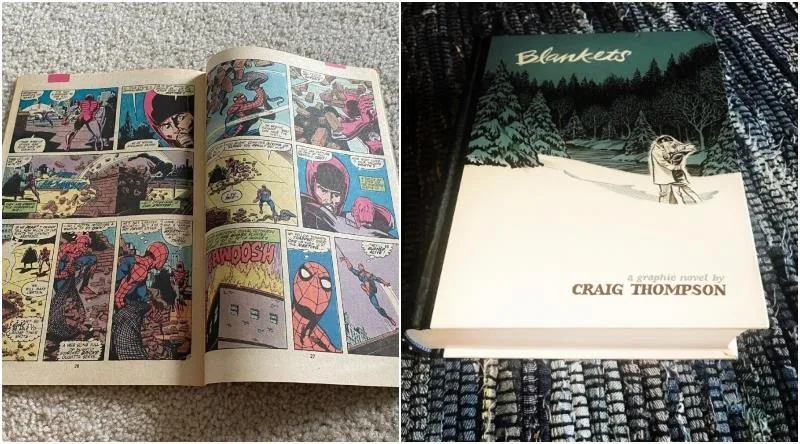
The real difference between a graphic novel vs comic book comes down to format and intent: a comic book is a serialized installment released periodically, while a graphic novel is a complete, standalone story published as a single book. This distinction, championed by critics and readers alike, has reshaped how we think about sequential art, moving it from spinner racks to bookstore shelves and even into serious literary conversations. For anyone who has ever wondered why Maus sits next to literary fiction while Spider-Man lives in a comic shop, the answer lies in how each format is created, consumed, and collected.
A comic book is a short, serialized publication released in installments, often featuring ongoing superhero adventures. A graphic novel is a longer, self-contained work published as a single volume, with a beginning, middle, and end. The difference is structural and creative, not a matter of quality or audience.
- Comic books are typically 20 to 40 pages and released monthly as part of an ongoing series.
- Graphic novels are complete narratives published as a single bound volume, often running 100 pages or more.
- The term "graphic novel" gained mainstream traction in the late 1970s and 1980s with works like Will Eisner's A Contract with God.
- Graphic novels can be original works or collected editions of previously serialized comic book storylines.
- While comics have traditionally targeted younger readers, graphic novels have expanded into adult literary territory with works like Art Spiegelman's Maus.
Graphic Novel vs Comic Book: What's the Real Difference?
Here's the thing: the Turkish language already cracked this debate wide open. Turks call the entire art form çizgi roman, which literally means "drawn novel" or "line novel." That single name covers everything, from superhero serials to experimental literary works. Meanwhile, "graphic novel" is just a format label, not the name of the art itself. Once you see that distinction, the whole confusion starts to melt away.
America created its own headache back in the early 1900s by calling this art form "comics," a word rooted in the idea of humorous things. As the medium matured and started tackling serious, adult themes, calling those works "comics" felt absurd. So a new term emerged: the graphic novel, a label widely credited to Will Eisner and his 1978 work A Contract with God, which deliberately set out to distinguish serious, adult-oriented storytelling from funny pages.
The practical difference usually comes down to structure and ambition. Graphic novels tend to be longer, more literary, and often aimed at grown-ups, though plenty of children's graphic novels exist. They typically tell a story with a defined beginning and end, unlike the endless, ever-continuing adventures of serialized superhero comics. But here's the honest truth: the line between the two is blurry. It's more about format and intent than any hard rule. Some works get released as single, self-contained 200-page volumes, while others start as monthly floppy issues and later get collected into a thicker book. Even then, people might still call that collection a comic series rather than a graphic novel.
According to the original account, Turkish readers solved this naming problem without even realizing it. Since çizgi roman already describes the art form itself, there's no need for a separate term to signal seriousness or literary ambition. The format does that work naturally.
What Makes a Graphic Novel Different?
The real difference between a graphic novel and a comic book comes down to story structure, not page count. A graphic novel tells a complete story with a clear beginning and end, while serialized comics keep going month after month with no finish line in sight. That single distinction shapes everything else about how these two formats feel to read.
Think about the stories that get called graphic novels. Works like The Walking Dead, Y: The Last Man, and Persepolis all share something in common: they follow a progressive storytelling style. The plot and the concepts matter more than any single hero's endless adventures. Characters in these stories face heavy themes, uncomfortable truths, and psychologically complex situations. The narratives are often dark, sometimes disturbing, and they dig deep into what makes people tick. That is a world away from the classic superhero model where an all-powerful protagonist sails from one crisis to the next without ever really changing.
The term "graphic novel" itself came out of a naming problem in America. In the early 1900s, publishers called this art form "comics," which literally meant funny things. As the medium matured and started producing serious, adult-oriented work, calling it "comic" felt absurd. So the label "graphic novel" emerged to describe these book-length, grown-up stories. Will Eisner is widely credited with popularizing the term in 1978 to distinguish his serious work from humorous newspaper strips.
Here is where it gets a little messy. Many series that fans call graphic novels actually started life as serialized comic books, released in floppy issues and later collected into book form. The Sandman is a famous example. The original run was collected into 10 main volumes, each holding a varying number of issues, not a uniform set. Even so, people still refer to it as a graphic novel because of how the complete story reads as one unified work.
Turkish comics scholar Levent Cantek has offered a sharper take on what disqualifies a book from being a graphic novel. He argues that Batman can never be a graphic novel because he is an all-powerful hero whose omnipotence drives the story. He also contends that a book does not become a graphic novel simply because it is self-published, comes from a small press, or ends in a single album. These views capture a useful idea: the graphic novel vs comic book distinction is really about narrative depth and artistic intent, not packaging.
Expert Insight: Levent Cantek on Why Batman Can't Be a Graphic Novel
Turkish comics scholar Levent Cantek draws a hard line in the sand: Batman, no matter how well written or beautifully drawn, can never be a graphic novel. His reasoning cuts straight to the bone of what separates the two forms, and it has everything to do with power, not page count.
According to Cantek, Batman fails the test because he is an all-powerful hero. We read his stories to watch his omnipotence in action, to see him outsmart and overpower whatever stands in his way. A graphic novel, by contrast, demands a flawed character, someone whose limitations drive the narrative forward. Batman can have an offbeat adventure, sure, but he remains the guy who always wins, and that fundamentally changes what kind of story he can inhabit.
Cantek also pushes back on a common misconception about what makes a graphic novel. Simply being self-published, coming from a small press, or wrapping up in a single album does not qualify a book for the label. He argues that graphic novels are not serials at all. They carry no industrial codes, no all-powerful heroes, and no clichéd dualism between good and evil. Instead, he describes them as a "reaction," a form that demands its creators carry a literary language into the medium itself.
This is where the graphic novel vs comic book distinction sharpens into something meaningful. The format is not about length or distribution method. It is about intent, about rejecting the machinery of superhero storytelling in favor of something more personal, more literary, and ultimately more human. A Batman story, no matter how ambitious, still operates within those industrial codes. A true graphic novel steps outside them entirely.
It is worth noting that these specific views come from Cantek as reported in the source, and they could not be independently verified. But the argument itself holds weight for anyone who has ever wondered why a thick, self-contained Batman book still feels different from works like Persepolis or Y: The Last Man. The difference is not in the binding. It is in the DNA of the story being told.
Frequently asked questions
What is the difference between a graphic novel and a comic book?
A graphic novel is a longer, self-contained story published as a single book, often with literary ambitions and adult themes. A comic book, by contrast, is serialized, released in periodic issues, and typically built around superhero adventures that continue endlessly. Think of the difference as a novel versus a magazine subscription.
Why are graphic novels considered more literary than comic books?
Graphic novels usually have a defined beginning and end, which allows for deeper psychological exploration of characters and more realistic, weighty themes. This structure brings them closer to prose literature. Comic books, on the other hand, keep characters in perpetual motion, rarely allowing for the kind of narrative closure that literary storytelling demands.
Can a superhero comic like Batman be considered a graphic novel?
According to Turkish comics scholar Levent Cantek, no. Batman cannot be a graphic novel because he is an all-powerful hero whose omnipotence drives the narrative. Cantek argues that graphic novels reject clichéd heroism and the industrial codes of mainstream comics, so a character like Batman fundamentally belongs to the comic book tradition.
What are some famous examples of graphic novels?
The Walking Dead, Y: The Last Man, and Persepolis are frequently cited as standout works in the format. Each tells a complete, ongoing narrative with complex characters and themes that go far beyond simple good-versus-evil battles. They demonstrate how the graphic novel format can tackle everything from zombie apocalypses to political revolutions in Iran.
Why did the term 'graphic novel' come into use?
The term emerged in America because the word "comic" carried humorous connotations that no longer fit the serious, adult-oriented work being created. Will Eisner is widely credited with popularizing the term in 1978 with his book A Contract with God. As the art form matured and began addressing adult concerns, creators needed a name that reflected that ambition.
Got a take on this? Add your voice to the conversation below →
No comments yet. Be the first.