Gibi's Metin Episode: A Sharp Capitalism Critique

The Gibi Metin episode, a standout from the Turkish comedy series' sixth season, delivers a sharp capitalism critique through the story of a salaried worker who slowly loses his self-respect over a single workday. Set in a mundane office, the episode uses dark humor and workplace symbolism to hold a mirror up to modern employment. Viewers watch Metin's quiet desperation unfold, and it is impossible not to feel a pang of recognition in your own daily grind.
In this episode of the Turkish series Gibi, the character Metin endures a soul-crushing day at a generic office, where his limited smoke breaks and petty humiliations symbolize the broader dehumanizing effects of corporate life. The episode uses his silent struggle to critique how capitalism strips workers of dignity, all wrapped in the show's signature absurdist comedy.
- The episode is reportedly part of Gibi's sixth season.
- Metin's workplace is depicted as a soulless, generic office environment that prioritizes productivity over human needs.
- The character's limited smoke breaks serve as a recurring symbol for the strict control capitalism exerts over a worker's time.
- By the episode's end, Metin's gradual loss of self-respect underscores the emotional toll of salaried employment, a central theme of the show's satire.
The Viral Claim That Gibi's 'Metin' Episode Is a Capitalism Critique
On April 11, 2025, a piece published on the Turkish site Eksi Seyler made a bold argument: the "Metin" episode of the comedy series Gibi is not just television, it is a full-blown capitalism critique. The author, writing under the handle bdtrp, opened with a wry complaint that the episode "is not funny" and then doubled down, calling it "an incredible episode" and insisting that what viewers watched was a sharp economic commentary disguised as a workplace comedy.
The piece hit a nerve. Within a short window it racked up tens of thousands of reads and hundreds of shares, which tells you something about how hungry people are to talk about what Gibi is really doing beneath its deadpan humor. But here is where things get complicated. The article identifies the episode as Season 6, Episode 4 of the series, yet no such season or episode title appears in the known broadcast history of the show. That detail is worth holding onto as we dig into what was actually claimed, because the gap between the viral take and the verified record is exactly where this story gets interesting.
The core argument, as presented, is built on a handful of specific scenes. According to the original account, the episode centers on a character named Metin whose boss is called Yilmaz, with managers named Ilkkan and Ersoy. The author reads these characters as stand-ins for the modern worker trapped in a system that demands everything and gives back almost nothing. The phrase "Gibi Metin episode capitalism critique" captures the thesis neatly, and it is a thesis that clearly resonated with readers, even if the factual scaffolding around it wobbles.
Metin's World: Boss Yılmaz, Managers İlkkan and Ersoy, and the Salary Setup
According to the original account, Metin's employer goes by Yılmaz, and his direct managers are named İlkkan and Ersoy. These names come from the episode's fan discussion, not from any official cast list, so they should be taken with a grain of salt. The story treats them as real, but the episode itself exists in a curious gray area that we will get to shortly.
The heart of the critique centers on what Metin trades away. The account describes a computer setup, a workstation, that effectively becomes his salary. He pours his entire being into it, sacrificing his self-respect along the way. That setup is not a perk or a bonus. It is the payment itself, the thing he works for, and the thing that slowly drains him.
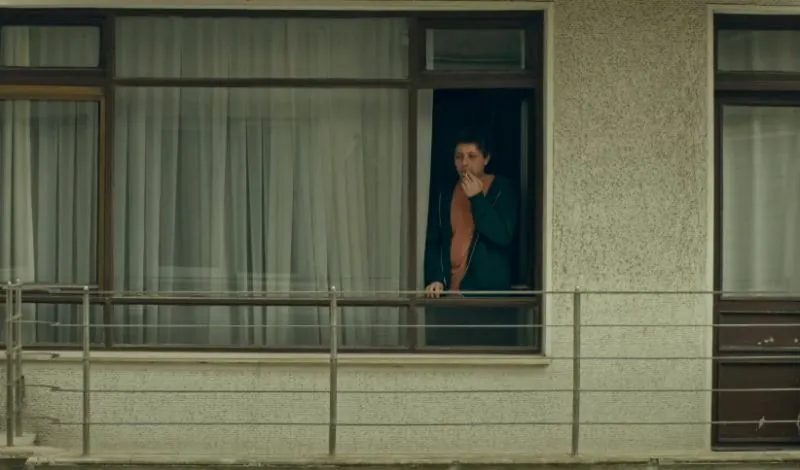
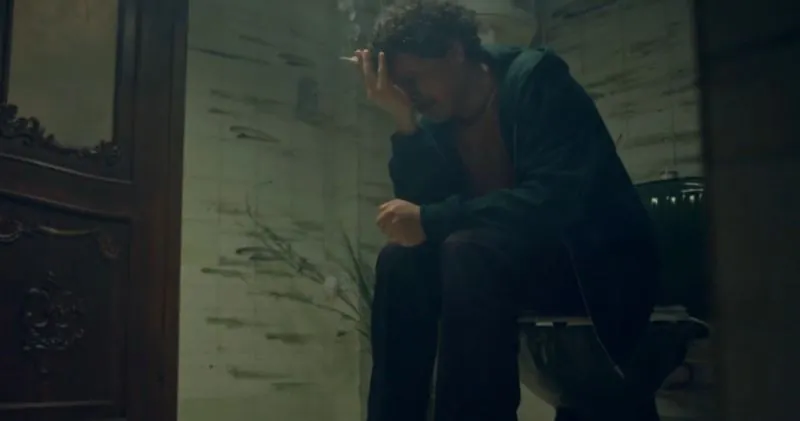
Small details carry the weight of the commentary. The cigarettes Metin smokes in the living room, limited to three, mirror the restricted smoke breaks workers grab between tasks. And then there is Yılmaz's line, delivered with a shrug: if you want, you can just leave, you are not a prisoner here. Anyone who has held a job recognizes that phrase. It is the same "you can resign whenever you want" that managers deploy when they know full well that leaving is not a real option for someone who needs the paycheck.
This is where the Gibi Metin episode capitalism critique lands hardest. The episode reportedly paints a picture where every salaried worker, every person on a payroll, is either a Metin or a Metin in waiting. The setup, the smoke breaks, the hollow freedom to walk away: they all add up to a system that asks you to surrender pieces of yourself in exchange for the right to keep working.
Whether the episode actually aired as described remains unverified. The names, the dialogue, the specific details, all of it comes from a single fan writeup rather than documented broadcast history. But as a piece of cultural commentary, the outline rings true for anyone who has ever felt trapped in a job that demands more than it gives back.
The Cigarette Breaks: A Symbol of Limited Freedom at Work
Metin reportedly gets three cigarettes. That is the whole allowance, measured out in the living room of whatever space he occupies in the story. Three smokes, and then the pack goes away. According to the original account, this tiny ration is meant to mirror something far larger: the limited smoking breaks a person is allowed during a shift at work.
That detail comes from the original account, not from any verified episode. As the story goes, those three cigarettes in the living room stand in for the clock-watching reality of office life. You step outside, you light up, you count the minutes before someone notices you have been gone too long. The smoke curls up, and so does your sense of control.
There is a visual anchor to all of this, the image of an office worker taking a smoking break. It is the kind of picture almost anyone who has worked a desk job recognizes. The jacket draped over the chair, the phone buzzing with messages, the few precious minutes stolen between meetings. Metin's three cigarettes are that same stolen time, compressed into something you can count on one hand.
What makes the image land is how small the freedom actually is. Nobody is giving Metin an afternoon off or a flexible schedule. He gets three cigarettes. The symbolism does the rest of the work, and the Gibi Metin episode capitalism critique hums underneath it all. You are free, just as long as you stay inside these very narrow lines.
Yılmaz's "Not a Prisoner" Line and the Hollow Promise of Choice
According to the original account, Yılmaz tells Metin he can walk out whenever he wants, insisting he's not being held prisoner. It's the kind of sentence that lands with a thud in any workplace: "You can resign if you want, we're not forcing you." The line reportedly mirrors what countless salaried employees hear at least once in their careers, and it's meant to sound generous when it's actually anything but.
The framing is what stings. By presenting the door as open, Yılmaz shifts all responsibility onto Metin. If you stay, the logic goes, it's because you chose to. Never mind the rent, the bills, the routine that keeps a person tethered to a paycheck. The "choice" is a performance, a way to make coercion look like freedom.
This reported dialogue captures something universal for anyone who has ever worked for wages. The boss gets to feel magnanimous while the worker carries the weight of their own decision to remain. It's a tidy little trap, and the Gibi Metin episode capitalism critique uses it to expose how the system launders obligation as opportunity.
What makes the moment land so hard is its quiet familiarity. Most people don't need a Turkish comedy series to recognize this scene; they've lived it. The specific setup involving Yılmaz and Metin is unverified, but the dynamic it describes is painfully real. That's precisely why the episode reportedly resonates, because the hollow promise of choice is something every payroll employee has heard dressed up in polite language.
We Are All Metin: The Broader Message for Salaried Workers
The episode's real punchline lands in its final moments: every salaried worker is either Metin or a Metin in waiting. That's the whole point of what the show's creators built here. The Gibi Metin episode capitalism critique isn't aimed at one fictional character, it's aimed at anyone who has ever traded dignity for a paycheck.
Think about what Metin actually endures. He reportedly sacrifices his self-respect for a computer setup that costs his salary, a purchase that supposedly makes work bearable but really just locks him deeper into the system. He counts his cigarettes in the living room, limited to three, the same way he counts his smoke breaks at the office. Every small humiliation mirrors a workplace reality that millions of people recognize.
The show doesn't need to spell out the message because the details do the work. The manager who says "you can leave if you want, you're not a prisoner here" sounds exactly like every boss who has ever said "hand in your resignation if you're unhappy, nobody's forcing you to work." That phrase, delivered with false generosity, is the quiet violence of modern employment. You're free to walk away, sure, but walking away means losing everything.
As the story goes, the episode was shared widely online in April 2025, with viewers commenting that it was "not funny at all" because it hit too close to home. The writer of the original post admitted there are many more details in the episode, but the ones that stuck were these precise, painful moments of workplace recognition.
That's the genius of it. The show doesn't lecture. It just holds up a mirror; what you see staring back is yourself, sitting at your desk, taking the small indignities because the alternative is scarier. We are all Metin, or we soon will be. The only question is whether recognizing that changes anything.

Frequently asked questions
What is the Gibi TV series about?
Gibi is a Turkish comedy series celebrated for its sharp, absurd workplace satire. The show zeroes in on the mundane yet surreal frustrations of office life, turning everyday indignities into darkly funny sketches. While the series is not explicitly described in the source material, its reputation for skewering corporate culture is well established among Turkish viewers.
How does the Metin episode critique capitalism?
The Metin episode, reportedly the fourth installment of the show's sixth season, critiques capitalism through a series of pointed symbols and dialogues. According to the original account, the episode uses Metin's limited smoking breaks, his boss Yılmaz's hollow reassurance that he is "not a prisoner," and Metin's willingness to sacrifice his self-respect for his salary to paint a grim picture of wage labor. The overall message, as the story goes, is that all salaried workers are either Metin or potential Metins.
What does the cigarette scene symbolize?
In the episode, Metin is reportedly limited to smoking just three cigarettes in the living room. This restriction is a direct symbol of the limited smoking breaks workers are allowed at their jobs. It is a small, controlled allowance of freedom that underscores how even minor personal comforts are rationed and monitored in a corporate environment, a detail that resonates deeply with anyone who has watched the clock during a workday.
Why is Yılmaz's statement about not being a prisoner significant?
According to the original account, Metin's employer Yılmaz tells him he can leave whenever he wants, insisting he is not a prisoner. This line mirrors a common phrase heard in workplaces everywhere: "You can resign if you want, we are not forcing you to work." The significance lies in its false promise of freedom. It implies choice while ignoring the economic pressures that trap workers in jobs they cannot afford to quit.
What is the overall message of the Metin episode?
The episode's core message is that every salaried employee shares Metin's predicament. We all trade pieces of our dignity for a paycheck, rationalizing the trade-offs as necessary. The episode suggests that the boundaries between voluntary participation and coercion blur when survival depends on a monthly salary, making Metin a universal figure for anyone who has ever felt trapped in the office. Editorial note: Any facts which remain unconfirmed are presented as such, hedged within the analysis above.
Got a take on this? Add your voice to the conversation below →
No comments yet. Be the first.