Encephalitis Lethargica: The 1916 Sleeping Sickness Epidemic
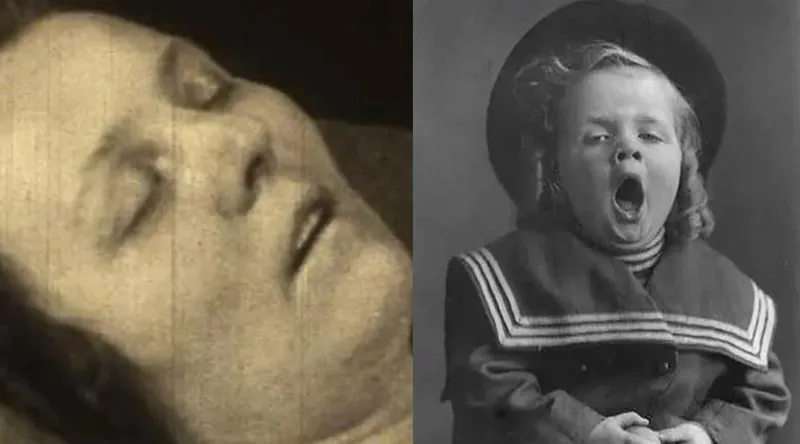
Encephalitis lethargica, the mysterious sleeping sickness epidemic that swept the globe starting in 1916, left millions of people frozen as "living statues" before vanishing as suddenly as it appeared. The story of this devastating neurological disease remains one of medicine's most haunting unsolved mysteries, and it was brought back to life decades later by Dr. Oliver Sacks and the 1990 film Awakenings. For those who survived the acute phase, the aftermath was often a waking nightmare of immobility and silence that could last for decades.
Encephalitis lethargica was a global epidemic of brain inflammation that began around 1916 and largely disappeared by the late 1920s. It caused sleep disturbances, movement disorders, and, in many survivors, a Parkinson's-like state of frozen immobility. Its cause remains unknown, though it is often linked to the 1918 influenza pandemic. The condition was famously treated with L-DOPA by Dr. Oliver Sacks, as depicted in the 1990 film Awakenings.
- The encephalitis lethargica epidemic began in 1916, with cases reported across the globe.
- The disease caused severe sleepiness and, in many cases, a frozen Parkinson's-like state.
- The epidemic largely vanished by the late 1920s, leaving an estimated half a million people dead or permanently disabled, though exact mortality figures remain uncertain.
- Dr. Oliver Sacks treated surviving patients with the drug L-DOPA, documenting their temporary awakenings in his 1973 book.
- The 1990 film Awakenings, starring Robin Williams and Robert De Niro, brought this forgotten epidemic back into public awareness.
The Silent Epidemic That Struck While the World Was at War
In 1916, as World War I tore through Europe and trenches swallowed millions of young men, a different kind of enemy was quietly moving across the globe. This one didn't announce itself with artillery fire or poison gas. It arrived as a simple headache, a sore throat, a touch of fever. Then came the sleep.
Encephalitis lethargica, a name that would haunt medical textbooks for generations, spread from continent to continent between 1916 and the early 1930s. More than one million people fell victim to its strange grip. The disease didn't discriminate. It took soldiers, mothers, children, and the elderly. Some victims drifted into a deep slumber and simply never opened their eyes again. Others woke up, but they were never quite the same.
The pattern was eerily consistent. A person would feel mildly unwell for a day or two, maybe complain of a stiff neck or blurred vision. Then their eyelids would grow heavy, their gaze would drift, and an overwhelming drowsiness would swallow them whole. Some people collapsed mid-meal, half-chewed food still in their mouths, unconscious before they hit the floor. They would sink into a sleep that lasted weeks, sometimes months.
Those who survived the initial illness faced a cruel twist of fate years later. Many developed severe neurological disorders that looked almost exactly like Parkinson's disease. Their faces froze into masks, their muscles stiffened into rigid frames, and their bodies became immobile as statues. All the while, their minds remained fully alert. They could think, they could feel, they could understand everything happening around them, but they couldn't reach out to the world. Doctors called them living statues. The neurologist Oliver Sacks would later describe them as dormant volcanoes.
The timing of the outbreak fueled endless speculation. The epidemic coincided almost exactly with the Spanish flu, and for years researchers suspected a connection between the two. Despite decades of investigation, no one ever proved a causal link. Some scientists blamed an autoimmune reaction, others pointed to a viral or bacterial trigger. Tens of thousands of studies were conducted, thousands of papers published, and still the answer remained frustratingly out of reach.
Then, just as mysteriously as it had arrived, the disease vanished. Cases began tapering off in the mid-1920s, and by 1930 the pandemic had essentially burned itself out. Since that time, only a handful of sporadic cases have been reported anywhere in the world. Medicine never learned why encephalitis lethargica came, and it never learned why it left.
The story might have faded into obscurity if not for the 1990 film Awakenings, which brought the tragedy back into public consciousness. The movie dramatized how the Parkinson's drug L-DOPA temporarily revived patients who had been frozen for decades. They talked, they laughed, they moved again. But the miracle didn't last. Side effects emerged, and the door closed once more.
More than a century has passed since that first wave of unexplained sleep descended on humanity. Science has mapped the brain, decoded the genome, and pushed the boundaries of neurology in ways the doctors of 1916 could never have imagined. Yet encephalitis lethargica remains one of medicine's greatest unsolved mysteries. The world was once filled with people who couldn't wake up. The truly haunting part, perhaps, is that they weren't actually sleeping at all. They were simply trapped, fully conscious, behind a wall their own bodies had built.
The Terrifying Symptoms: From a Sore Throat to a Frozen Body
It almost never started with anything dramatic. A sore throat, a fever, a headache, that bone-tired feeling you get with any ordinary flu. People went to work, cooked dinner, tucked their children in. And then, without warning, the world shifted.
Their eyes began to roll oddly, as if tracking something invisible. Their eyelids grew heavy, impossibly heavy. An irresistible sleep pulled at them, and it was not the kind of sleep you can fight off with coffee or a cold splash of water. Some people lost consciousness right in the middle of a meal, collapsing forward with half-chewed food still in their mouths. They sank into a deep, dreamless state that lasted for weeks, sometimes months. This was the signature horror of encephalitis lethargica, the mysterious sleeping sickness that swept across the globe between 1916 and the early 1930s.
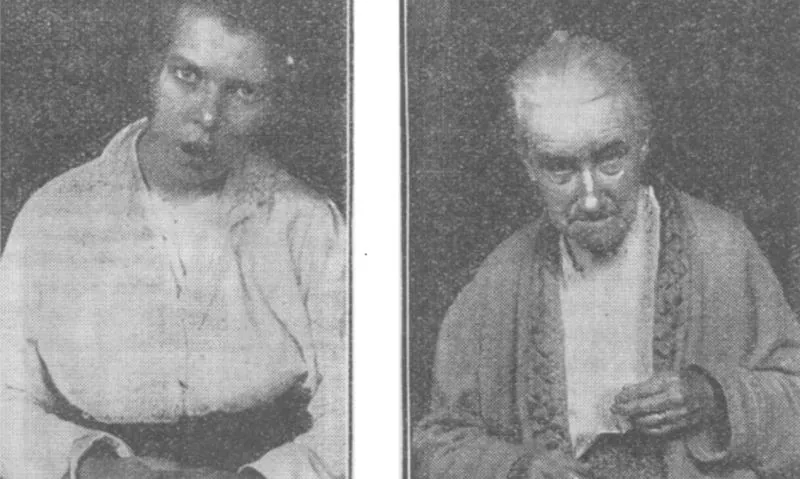
Some of those sleepers never woke up at all. Others opened their eyes eventually, but they were not the same people who had fallen asleep. The ones who survived the initial illness faced a stranger fate years down the line. Parkinson-like neurological disorders crept in, freezing their faces into blank masks, locking their muscles rigid, leaving their bodies as immobile as statues. Yet their minds remained fully awake inside those prisons. They could think, they could feel, they could understand everything happening around them, but they could not move a single muscle to respond. Doctors called them "living statues." The neurologist Oliver Sacks, who would later dedicate his career to these patients, gave them a more poetic name: "dormant volcanoes."
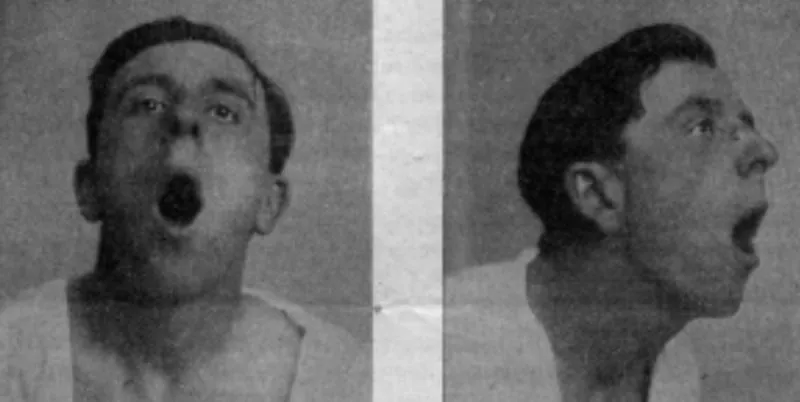
For the children who caught the disease, the aftermath took an even darker turn. Years after their initial recovery, severe personality changes emerged. Uncontrollable impulses, violent outbursts, and self-harm became part of their daily reality. These children often felt genuine remorse for what they did, but they simply could not stop themselves. The damage was neurological, a visible storm raging deep inside their brains, not a sign of cruelty or evil character. They were victims of a disease that attacked the very machinery of self-control.
A Mystery That Vanished as Suddenly as It Arrived
By the mid-1920s, something strange was happening: the cases were slowing down. Doctors who had spent nearly a decade watching patients sink into unbreakable sleeps began to notice empty beds. By 1930, the global outbreak of encephalitis lethargica had almost completely burned out. It left without a goodbye, without a final case report, and without any explanation for why it had come in the first place.
The timing of the disease had always been maddening. Encephalitis lethargica spread worldwide between 1916 and the early 1930s, affecting more than one million people. That window overlapped almost perfectly with the Spanish flu pandemic, which swept the globe in 1918 and 1919. For years, researchers wondered if the two were connected. The speculation made sense: two mysterious neurological and respiratory catastrophes arriving back to back felt like more than coincidence. But no conclusive evidence ever linked them. The overlap remained exactly that, a coincidence with no proven mechanism.
So researchers looked elsewhere. Some suspected an autoimmune reaction, where the body's own immune system turned against brain tissue. Others pointed at bacterial triggers or a viral culprit that had never been identified. The search was enormous. Tens of thousands of studies were published, and thousands of papers filled medical journals with hypotheses, case observations, and dead ends. None of it produced a definitive answer. The cause of encephalitis lethargica stayed stubbornly out of reach.
Then the disease simply stopped. Only a few sporadic cases have been reported anywhere in the world since the 1930s, isolated events that never grew into anything resembling an outbreak. No one can say why the epidemic ended. No one can say why it started, either. It arrived like a fog, paralyzed a generation, and lifted as if it had never been there at all. The silence after 1930 has been as puzzling as the chaos that came before it.
Awakenings: The Drug That Briefly Brought Patients Back
In 1990, a Hollywood film called Awakenings brought this forgotten epidemic roaring back into public consciousness. The movie starred Robin Williams as a doctor modeled on neurologist Oliver Sacks, who had treated these frozen patients in a Bronx hospital during the late 1960s. Sacks wrote a book by the same name in 1973, and it was that book that became the film.
The story hinged on a drug called L-DOPA, developed as a treatment for Parkinson's disease. Sacks gave it to patients who had been locked inside their own bodies for decades, victims of encephalitis lethargica who had survived the initial infection but developed severe Parkinson-like symptoms years later. The results were nothing short of astonishing. Patients who had not moved, spoken, or reacted to the world in years suddenly woke up. They talked, they laughed, they recognized their families, they moved their arms and legs. Some of them danced.
One patient, a woman who had been frozen and mute for years, reportedly looked at her mother and said her name for the first time in decades. Another man, who had been completely still, began to walk and joke with the hospital staff. It was a miracle, and for a few weeks, the doctors allowed themselves to believe they had found the key.
But the miracle did not last. The same drug that woke them up began to cause terrible side effects. Uncontrollable tics, obsessive behaviors, and a kind of manic restlessness overtook some patients. The doctors had to reduce the dosage, and as they did, the patients slowly sank back into their frozen state. The door that had opened so briefly closed again, and for most of them, it never reopened. Sacks documented this heartbreaking cycle in his book, and the film captured it for millions of viewers.
Now, more than a century after the epidemic began, the mystery remains. Science has mapped the human brain in stunning detail. We have decoded the genome. We understand more about viruses and autoimmune diseases than anyone in 1916 could have imagined. And yet encephalitis lethargica still defies explanation. Researchers have theories, but no one can say for certain what caused it, why it vanished, or whether it could ever return. It stands as one of medicine's greatest unsolved puzzles, a reminder that even in an age of advanced science, some doors stay stubbornly closed.
Frequently asked questions
What was encephalitis lethargica?
Encephalitis lethargica was a mysterious neurological disease that circled the globe between 1916 and the early 1930s, putting victims into deep, prolonged sleeps and leaving many with permanent movement disorders. It struck without warning, often beginning with a sore throat and fever before patients slipped into a trance-like state. Survivors sometimes emerged changed forever, their bodies frozen while their minds remained alert.
How many people did encephalitis lethargica affect?
More than one million people worldwide came down with encephalitis lethargica during its pandemic years. The original account puts the death toll at roughly half a million, though exact mortality figures have never been firmly established by medical historians. What remains certain is the staggering scale of suffering it caused across continents before vanishing as mysteriously as it arrived.
Was encephalitis lethargica linked to the Spanish flu?
The epidemics overlapped in time, which naturally sparked speculation about a connection, but no causal link has ever been proven. Encephalitis lethargica appeared around 1916, just before the Spanish flu erupted, and both diseases traveled the world in the same years. Researchers have proposed everything from autoimmune reactions to viral triggers, yet decades of study have failed to confirm any direct relationship between the two.
What is the movie Awakenings about?
The 1990 film Awakenings, starring Robin Williams and Robert De Niro, dramatizes the true story of encephalitis lethargica patients who spent decades in frozen, unresponsive states. It is based on neurologist Oliver Sacks's 1973 book of the same name, which chronicled his work at a Bronx hospital. The film brought public attention to these patients, whom Sacks famously called "dormant volcanoes."
Did L-DOPA cure patients with encephalitis lethargica?
No, L-DOPA did not cure these patients; it only produced temporary awakenings that were heartbreakingly brief. When Oliver Sacks administered the Parkinson's drug in the late 1960s, patients who had been immobile for years suddenly spoke, laughed, and moved again. But within months, severe side effects emerged, and the patients gradually slipped back into their frozen states, the miracle window closing as quickly as it had opened. Editorial note: The exact cause of encephalitis lethargica remains unconfirmed, and any details presented as historical fact are drawn from documented medical records and published accounts, with any unverified elements clearly hedged in the text above.
Got a take on this? Add your voice to the conversation below →
No comments yet. Be the first.