Dostoevsky's The Gambler: 1866 Writing Race & Romance
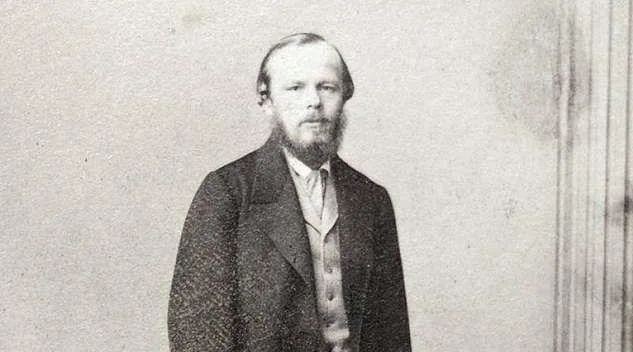
The Dostoevsky The Gambler writing story began in 1866, when Fyodor Dostoevsky owed publisher Fyodor Stellovsky a full novel within a punishing deadline and had barely written a word. He was broke and losing money at the gaming tables. With weeks left, he hired a young stenographer named Anna Snitkina. Together they finished the book on the final possible day, and she became his wife.
In 1866 Fyodor Dostoevsky faced a contract with publisher Fyodor Stellovsky requiring a new novel by a set deadline or he would lose rights to his future works. After months of delay he dictated The Gambler to stenographer Anna Snitkina and completed it on the final day.
- Dostoevsky signed a contract with publisher Fyodor Stellovsky that obliged him to deliver a new novel by a fixed date or forfeit rights to his future writing.
- He was deep in debt from his gambling habit, which delayed work on the manuscript.
- In late 1866 he hired Anna Snitkina, a young stenographer, to take dictation for the novel.
- The two completed The Gambler on the last day allowed under the contract, reportedly delivering the manuscript just in time.
- Dostoevsky and Anna Snitkina married in 1867, and she remained his stenographer and partner for years afterward.
The Contract That Turned a Debt into a Deadline
In 1866, Fyodor Dostoevsky was living under a contract that put every word he had ever written, and every word he would ever write, on the line. The publisher Fyodor Stellovsky agreed to wipe out the writer's debts and hand him enough money to live on for two years. In return, Dostoevsky had to deliver a short novel exactly 24 months after the signature date. Miss it by a single day and Stellovsky would take the rights to all his past and future works.
This is the part of the Dostoevsky The Gambler writing story that still makes people wince. The debt was not bad luck. It came straight out of his gambling habit, and by the mid-1860s the tables had drained him dry. Stellovsky knew exactly what he was doing. He was not buying a manuscript so much as buying a man, and the terms were built to be missed.
Dostoevsky signed. With creditors at the door, there was no other door to walk through.
The clock starts running
Picture the calendar turning. Twenty-four months sounds generous until it does not. The deadline sat there in the future like a trap door, and the writer who had just promised a novel was the same man who could not stay away from the tables. The contract had turned a vague pile of debt into a hard, ticking date.
What makes it worse is what was at stake. This was not a deal about one book. If he slipped, Stellovsky would own the whole shelf: the earlier work and everything still unwritten. A single late morning in the wrong month could have handed a publisher the entire future of one of Russia's greatest novelists.
The trap was set, the clock was running, and the man under the deadline had not yet put a single sentence on paper.
Twenty-Three Months of Nothing, and a Dubious Piece of Advice
Twenty-three months slid by after Dostoevsky signed the contract, and he had not put a single sentence on paper. The clock was the whole problem. Under the deal, missing the deadline by even one day would hand the publisher the rights to everything he had already written and everything he might ever write.
Then came the advice that supposedly saved him. As the old account has it, the French novelist Stendhal told Dostoevsky that he had composed The Charterhouse of Parma by dictation and suggested Dostoevsky try the same trick. It makes for a great scene. It also cannot be true. Stendhal died in 1842, decades before Dostoevsky sat down to write The Gambler in 1866, and there is no reliable evidence he ever dictated that novel or advised anyone to. So treat the famous tip as folklore, a convenient legend stitched onto a real crisis.
What is solid is the desperation. With no other options left, Dostoevsky agreed to try dictating. He was a man who worked by hand, hunched over pages, and handing his sentences to another voice was a leap he had little choice but to take.
The Stenographer Who Made the Deadline Possible
Help arrived in the shape of a young woman with a notebook. As the story is usually told, Russia at that time had a school for dictation, and its standout pupil was a girl described as being of Swedish origin, Grigoryevna Snitkin. When the task was put to her, she said she would be proud to take it on. Then she and Dostoevsky sat down and began building the piece together, word by dictated word.
Treat the finer details of that school with a little caution. The story of a formal dictation academy and a Swedish-born star student is not reliably established, even though Anna Grigoryevna Snitkina, Dostoevsky's actual stenographer, is a documented figure. What the record does support is the collaboration itself, and the speed that came out of it. The work they produced is the famous novel The Gambler, dictated in 1866, the same year the contract clock was running out.
Picture the mechanics of it: one voice pacing a room, one hand racing to keep up, the story of a compulsive gambler taking shape in real time. Dostoevsky knew that fever from the inside, which is exactly why the pages came out so raw. And the woman holding the pen was about to become far more than a hired hand.
The Last-Day Dash and the Closed Office Door
In 1866, Fyodor Dostoevsky wrote the final pages of The Gambler on the very day the contract expired. He then went straight to his publisher Fyodor Stellovsky, only to find the office shut, apparently so the manuscript could not be handed over in time. The deadline was met by a hair, and the scramble that followed became as famous as the novella itself.
Picture the man at his desk with the clock running out. He had spent months avoiding the work, and now the whole thing had to land on paper before the day turned. Stellovsky, who had tracked the writing from start to finish, had read the situation correctly. He closed his office and stayed away, betting that a missed delivery would hand him the rights to everything Dostoevsky had ever written and everything he would write afterward.
So the author needed proof that the work existed and was finished, dated and official. The popular version of this story says Russia had no notaries at the time and that police station clerks handled the certification. That is not quite right. A formal notarial system had been established under Alexander II in the 1860s, so notaries did exist in the country. According to the original account, Dostoevsky still took the manuscript to officials at a police station to have it certified, and reportedly he later won a lawsuit against the publisher over the whole affair. Treat those last details with care; they are the parts of the tale that fact-checkers flag as unverified.
What is solid is the shape of the day: a writer with a debt he could not outrun, a novella finished at the last possible moment, and a publisher who had already locked his door. The Dostoevsky The Gambler writing story turns on that single afternoon, when a contract designed to trap him was beaten by hours rather than months.
A Vodka-Fueled Party and a Proposal Hidden in a Plot Summary
Fyodor Dostoevsky marked the finished manuscript with a celebration: a gathering of friends, reportedly with plenty of vodka flowing, held to toast the delivery of The Gambler in 1866. According to the original account, he invited Anna Grigoryevna Snitkina, the young stenographer who had sat across from him and taken down every word of the novel. The party setting and the invitation are the parts fact-checkers flag as unverified, so treat them as the story's warm embellishment rather than hard record.
What is solid is what came next. Late in the evening, as the account goes, Dostoevsky told Anna he wanted her advice on something. She was flattered, curious about what kind of counsel she could possibly offer. Then he laid out a problem: he was writing a novel whose protagonist was a terrible man, one who suffered seizures, gambled compulsively, made enemies without flinching, and fell in love with a girl much younger than himself. If he were to write a marriage proposal for that man, would it ring true?
Her answer, in the retelling, was the punchline of the whole evening: "I accept your marriage proposal, Mr. Mihaylovich." The girl in the story and the woman in the room were the same person, Anna Grigoryevna Snitkina, who became Dostoevsky's second wife in 1867. The work they had produced together was The Gambler, the very novel whose hero he had just described. Fiction and life had folded into each other over a glass of vodka, and the proposal he was drafting for a character turned out to be his own.
She heard a plot summary. She gave an answer that changed both their lives.
Whether or not the party happened exactly as told, the record is clear on the outcome: the stenographer who saved his deadline became the wife who kept his household for the rest of his life. The Dostoevsky The Gambler writing story ends here, with a manuscript delivered and a marriage begun in the same breath.
Frequently asked questions
What was the contract between Dostoevsky and Stellovsky?
In 1865 the publisher Stellovsky agreed to clear Dostoevsky's debts and hand him two years' worth of money. In return, Dostoevsky promised a short novel within 24 months. Miss the deadline by even one day, and Stellovsky would acquire the rights to all his works, past and future.
How did Dostoevsky manage to finish The Gambler on time?
After 23 months with almost nothing written, Dostoevsky turned to dictation and hired a stenographer, Anna Grigoryevna Snitkina. Working at speed, he dictated the novel to her and completed it on the final day of the contract, in 1866.
Who was Anna Grigoryevna Snitkina and what role did she play?
Anna Grigoryevna Snitkina was the young stenographer who took down The Gambler as Dostoevsky spoke it aloud. She later became his second wife, marrying him in 1867. She stayed with him until his death in 1881 in St. Petersburg.
Why did Dostoevsky have to dictate The Gambler?
He had written nothing for 23 months and the deadline was nearly upon him. According to the story as it is usually told, he was persuaded to try dictation as a last resort. With no other way to finish in time, he agreed.
What happened when Dostoevsky delivered the manuscript?
Reportedly, Stellovsky had shut his office to avoid receiving the manuscript. According to the original account, Dostoevsky then had the delivery certified by officials at a police station. The precise details of that certification are flagged as unverified, so treat them with caution.
Did Dostoevsky win the lawsuit against Stellovsky?
The source says Dostoevsky won the legal dispute that followed. Fact-checkers flag the lawsuit detail as unverified, so the claim that he won should be read as part of the traditional telling rather than settled record.
How did Dostoevsky propose to Anna?
As the story goes, at a celebration after finishing the novel, Dostoevsky asked Anna whether a marriage proposal written for his protagonist would ring true. She answered that she accepted his proposal. The party setting and exact dialogue are not reliably documented.
What is the connection between The Gambler and Dostoevsky's real life?
The protagonist is a gambling addict who suffers seizures, mirroring Dostoevsky's own struggles. He proposed to his stenographer while discussing that character's proposal, and Anna Grigoryevna Snitkina, his second wife, became part of the novel's story. Editorial note: Details that remain unconfirmed, including the exact hour of delivery and the precise wording of the contract, are presented here as reported and should be treated with appropriate caution.
Got a take on this? Add your voice to the conversation below →
No comments yet. Be the first.