Children's Books for Ages 7-12: 50 Timeless Picks
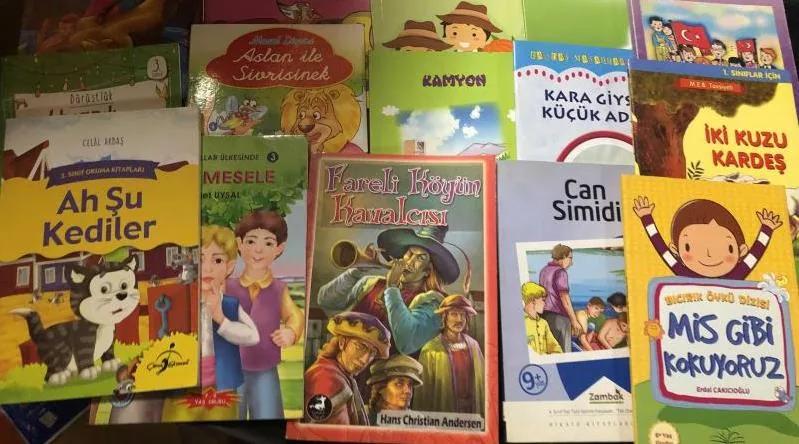
Choosing children's books for ages 7-12 comes down to a simple truth: the best titles are the ones a kid cannot put down. These are the years when reading stops being a chore and becomes a private door, a flashlight under the covers, a world that belongs only to them. The right book at the right moment can turn a reluctant reader into the kid who begs for one more chapter. This list gathers fifty favorites, old and new, that have earned their place on family shelves.
Ages 7 to 12 span a wide range of reading levels, from early chapter books to longer middle grade novels. The most enduring picks mix adventure, friendship, and humor with characters young readers recognize in themselves. Classics and modern favorites both belong on the shelf.
- Ages 7 to 12 cover the transition from early chapter books to full-length middle grade novels.
- Classic titles such as Charlotte's Web and The Lion, the Witch and the Wardrobe remain staples for this age group.
- Modern favorites like Wonder and Percy Jackson speak directly to contemporary young readers.
- Read-alouds work best when the story offers humor, suspense, and characters a child can root for.
- Matching a book to a child's interests matters more than matching it to a strict reading level.
50 Children's Books for Ages 7-12: A Reading List That Grows With Your Child
On December 7, 2022, the Turkish culture site Ekşi Şeyler published a list of exactly 50 children's books for ages 7-12, credited to Yasemin Zeynep Başaran. The piece drew roughly 25,000 reads and 787 shares, according to the site's counters. That is a lot of parents quietly copying titles into their phones in the school pickup line.
What makes the list worth your time is the picture it opens with. Children's books, the writer says, are a green garden where children can run and breathe freely without being choked by twigs and brush. Read that twice. It is a gentle argument against the idea that a child's reading has to be useful, leveled, or tied to a worksheet. A garden is for running through.
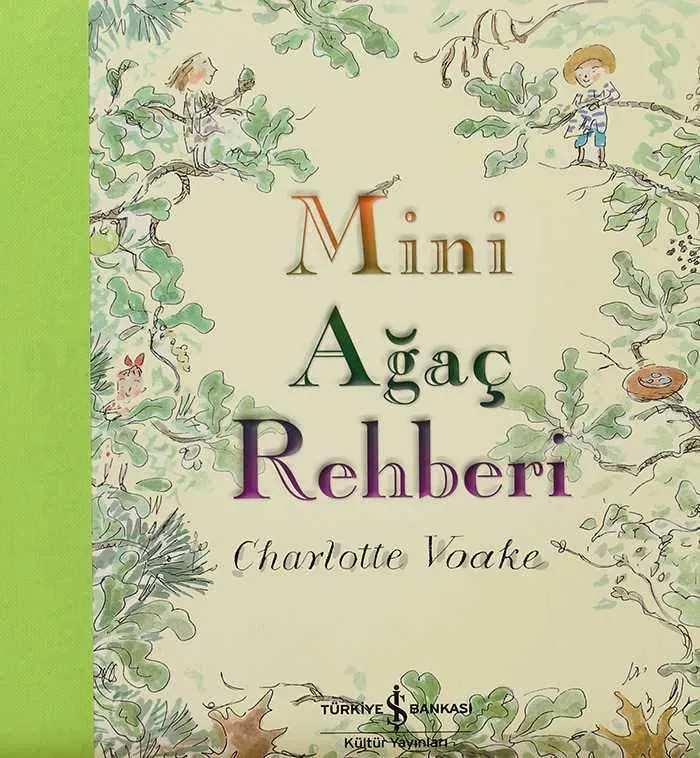
Then come the numbers, one through fifty, and the range is the point. Slot 1 is Lastik Pabuçlar by Zoşçenko from Can Yayınları. By slot 3 you are at Roald Dahl's James and the Giant Peach, and by slot 8 Samed Behrengi's The Little Black Fish. Charlotte Voake's mini guides to wildflowers and trees sit at 4 and 5, two slim volumes for a walk outdoors.
The middle stretch wanders further. Aziz Nesin's Şimdiki Çocuklar Harika at 6, Homer's stories of King Odysseus at 7, Dostoyevski and Tolstoy at 14 and 15. A ten-book series by Brigitte Labbé lands at 21, followed by four Alexander McCall Smith titles in a row. Nazım Hikmet's Sevdalı Bulut at 26, Pippi Longstocking at 32, Calvino at 34, Jules Verne at 35.
The last stretch is a world tour in paperback: Çehov's Kaştanka, Aisopos, Oscar Wilde, Dickens, Lewis Caroll, Baum, Mark Twain, Evliya Çelebi, and Maksim Gorki closing out at number 50. Picture books, adventure, translated classics, Turkish voices, all shuffled together on purpose rather than sorted by level.
That is the real gift here. You do not have to guess what comes next for a seven-year-old who just finished something and wants more. Someone already walked the whole garden and left fifty markers behind.
Turkish Voices on the List: Nazım Hikmet, Aziz Nesin, Cemal Süreya and More
Aziz Nesin is one of several writers who appears twice on this list of children's books for ages 7-12. His Şimdiki Çocuklar Harika sits at number 6, and Nasreddin Hoca Gülütler lands at number 45, both from Nesin Yayınları, the press that carries his name. Two spots out of fifty for one author tells you something about how deep his footprint runs in Turkish children's reading.
Poetry gets its own corner here. Nazım Hikmet's Sevdalı Bulut holds number 26, published by YKY. Cemal Süreya appears at number 43 with Aritmetik İyi Kuşlar Pekiyi, also from YKY. Two very different ways of showing a child that language can bend.
Then there are the names that reach further back. Ömer Seyfettin, a familiar name in Turkish literature, is at number 18 with Sivrisinek, from Günışığı Kitaplığı. Azra Erhat, known for her work on Greek myth, brings the Trojan War down to a child's scale in Troya Masalı at number 20, also from Günışığı Kitaplığı. And Evliya Çelebi, the Ottoman traveler, arrives at number 49 with Yedi İklim Dört Bucak from Can Yayınları.
The living writers on this stretch of the list are just as interesting. Pürnur Soğangöz's Narin is at number 11, published by Can Yayınları. Aslı Der's Küçük Cadı Şeroks comes in at number 46 from Günışığı Kitaplığı. A little witch and a girl named Narin, both holding their own against the classics.
Read the numbers in order and a pattern surfaces. Nesin Yayınları, YKY, Günışığı Kitaplığı, Can Yayınları: four presses keep turning up, and they are the ones keeping Turkish children's literature in print and in reach. A parent working down this list would find that a handful of publishers, not a scattered crowd, are doing most of the work.
World Classics That Still Belong on the Shelf: From The Little Prince to Pippi Longstocking
Exupéry's Küçük Prens (The Little Prince) lands at number 2 on the list, published by Mavibulut. That silver medal spot says a lot. When a story about a small boy on a tiny planet keeps outranking nearly everything else, it stops being a book and becomes a handshake passed between generations.
Right behind it at number 3 sits Roald Dahl's Dev Şeftali (James and the Giant Peach), from Can Yayınları. Dahl understood something most adults forget: kids love a little danger with their wonder. A boy, a peach the size of a house, a crew of oversized insects. That is the whole pitch, and it still works.
Astrid Lindgren's Pippi Uzunçorap (Pippi Longstocking), Book 1, comes in at number 32, published by İthaki. Pippi does exactly what she wants, lifts a horse over her head, and lives without a single adult telling her to comb her hair. For a child reading children's books for ages 7-12, that freedom is intoxicating.
Then the classics start lining up like old friends at a reunion. Lewis Caroll's Alice Harikalar Ülkesinde (Alice in Wonderland) is number 40, from Can Yayınları. Mark Twain's Tom Sawyer'ın Serüvenleri (The Adventures of Tom Sawyer) is number 48, also Can Yayınları. Jules Verne's İki Yıl Okul Tatili (Two Years' Vacation) sits at number 35, published by Bilgi.
Charles Dickens's Noel Şarkısı (A Christmas Carol) is number 39, and Oscar Wilde's Mutlu Prens (The Happy Prince) is number 38, both from Can Yayınları. Baum's Oz Büyücüsü (The Wizard of Oz) follows at number 41, same publisher. And Enid Blyton's Afacan Beşler Define Adasında (The Famous Five) rounds out the group at number 30, published by Artemis.
Notice the pattern. These are not books that chase trends. They are books that survived a century of them, and a child picking one up today gets the same shiver a child got in 1900. Some stories simply refuse to age.
Beyond the Usual Suspects: Philosophy, Nature Guides and a Sausage-Dog Adventure
Not every great children's book for ages 7-12 arrives with a dragon on the cover. Slot 21 on the list belongs to Brigitte Labbé's Çıtır Çıtır Felsefe series, a ten-book set from Günışığı Kitaplığı that hands big questions to small readers without flinching. Then come two quiet standouts at numbers 4 and 5: Charlotte Voake's Mini Yaban Çiçekleri Rehberi and Mini Ağaç Rehberi, both published by İş Kültür. A wildflower guide and a tree guide, sitting right near the top of a list otherwise crowded with pirates and talking animals. That placement says something about what kids actually reach for when nobody is watching.
Alexander McCall Smith claims four consecutive spots here, all from Günışığı Kitaplığı. Number 22 is Halka Çörek Zinciri, followed by Çubuk Makarna Düğümü at 23, Balonlu Sakız Ağacı at 24, and Patlamış Mısır Korsanları at 25. Four books in a row from one author is not an accident. Somebody building this list clearly fell for his voice and refused to stop.
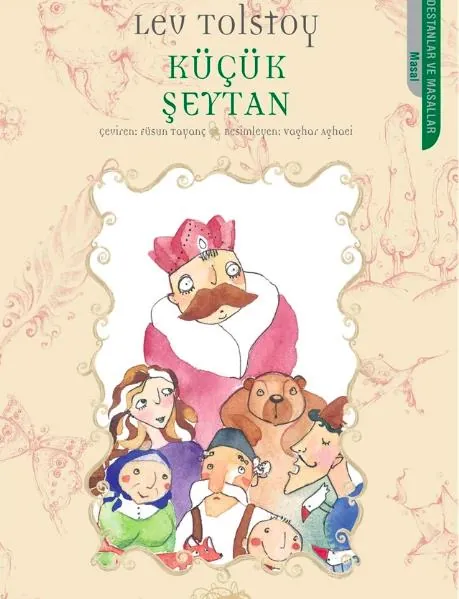
Repeat names keep surfacing. Samed Behrengi appears twice, with Küçük Kara Balık at number 8 and Bir Şeftali Bin Şeftali at 28, both from Can Yayınları. Goscinny's Pıtırcık books show up twice as well: Pıtırcık Futbolcu at 9 and Pıtırcık'ın Bisikleti at 44, again both Can Yayınları. Tolstoy does the same trick, landing Küçük Şeytan at 15 and Erik Çekirdeği at 31, Can Yayınları once more. And Dostoyevski slips onto the shelf with Çocuklar Arasında at number 14, also from Can Yayınları.
So the pattern underneath the list is worth noticing. Can Yayınları dominates the middle of the ranking, Günışığı Kitaplığı takes the philosophical and the whimsical, and İş Kültür quietly delivers the nature guides. A parent scanning these numbers could build an entire year of reading around three publishers alone.
Frequently asked questions
What are the best children's books for ages 7 to 12?
A reading list from 2022 that drew significant attention gathered 50 recommended titles for this age group, mixing picture books, chapter books and long-running series. The range runs from Küçük Prens (The Little Prince) at number 2 to Mark Twain's Tom Sawyer'ın Serüvenleri (The Adventures of Tom Sawyer) at number 48, with Astrid Lindgren's Pippi Uzunçorap sitting at number 32.
Why are classic children's books still recommended for kids today?
Look at who publishes them. In the 2022 list, classics keep turning up under Can Yayınları, YKY, İş Kültür, İthaki and Günışığı Kitaplığı, which means these titles stay in active print and keep reaching new shelves rather than fading into archive copies.
Who are the authors behind the most beloved children's books?
The names span more than a century and several languages. Roald Dahl, Astrid Lindgren, Exupéry, Mark Twain, Charles Dickens, Oscar Wilde, Jules Verne and Enid Blyton share the list with Aziz Nesin, Nazım Hikmet and Cemal Süreya, a mix that pulls world classics and Turkish voices onto the same shelf.
What Turkish children's books are popular for this age group?
Aziz Nesin appears twice, at number 6 with Şimdiki Çocuklar Harika and again at number 45 with his Nasreddin Hoca retellings. Nazım Hikmet's Sevdalı Bulut holds number 26, Cemal Süreya's Aritmetik İyi Kuşlar Pekiyi number 43, and Ömer Seyfettin's Sivrisinek number 18. Aslı Der's Küçük Cadı Şeroks lands at 46, Azra Erhat's Troya Masalı at 20, Pürnur Soğangöz's Narin at 11, and Evliya Çelebi's travel classic Yedi İklim Dört Bucak at 49. Editorial note: Any details that remain unconfirmed are presented as such, and readers should treat them accordingly.
Got a take on this? Add your voice to the conversation below →
No comments yet. Be the first.