Casper the Friendly Ghost Origin: The 1945 Debut Story
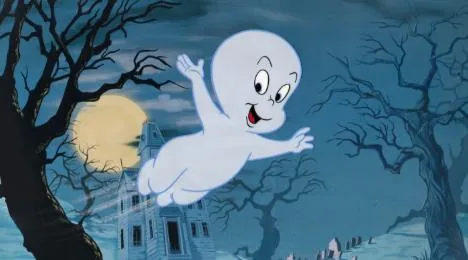
Casper the Friendly Ghost began with writer Seymour Reit and illustrator Joe Oriolo, who created the character in the late 1930s, but it was the 1945 theatrical short film "The Friendly Ghost" that turned him into a beloved star. The story of a lonely little ghost who just wants friends has resonated with audiences for generations, and its humble beginnings are as charming as the character himself.
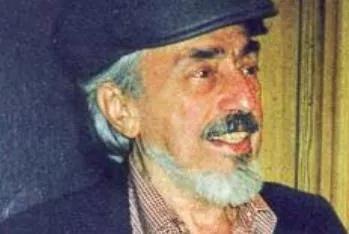
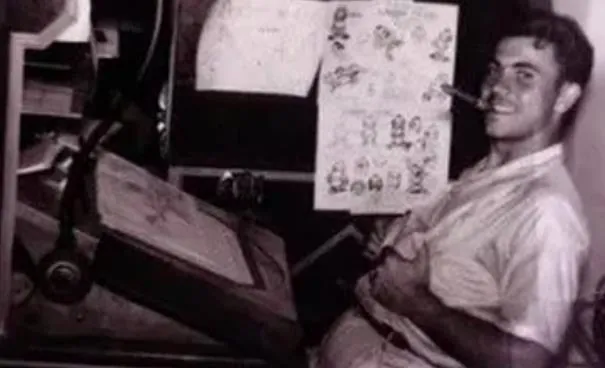
Writer Seymour Reit and illustrator Joe Oriolo created Casper in the 1930s, but their original story went unpublished. Paramount Pictures' Famous Studios acquired the rights in 1943 and adapted the concept into the 1945 animated short film "The Friendly Ghost," which introduced the character to the world and made him a pop culture icon.
- Writer Seymour Reit and illustrator Joe Oriolo conceived the character of Casper in the late 1930s, intending him for a children's book.
- The original story by Reit and Oriolo was not published at the time, leaving the character without an audience for several years.
- Famous Studios, a division of Paramount Pictures, acquired the rights in 1943 and adapted the concept into the animated short film "The Friendly Ghost," which was released in 1945.
- The 1945 short film marked Casper's official debut and established his defining trait as a friendly, lonely ghost who seeks companionship.
- Following the success of the 1945 film, Casper went on to star in numerous cartoons, comics, and eventually his own feature films and television series.
The Question That Started It All
The Casper the Friendly Ghost origin story doesn't begin in a gleaming animation studio with a team of executives. It starts in the late 1930s with writer Seymour Reit asking himself a single, almost childlike question: what if a ghost didn't want to scare anyone? That one thought, simple as it sounds, flipped an entire genre on its head and gave us one of the most beloved characters in cartoon history.
Back then, ghosts in stories had one job: to terrify. They rattled chains, haunted old mansions, and sent shivers down spines. That was the rule. Reit, along with illustrator Joe Oriolo, decided to break it completely. Together, they imagined a ghost who would rather make friends than frighten people, a spirit who approached the living with open arms instead of outstretched claws.
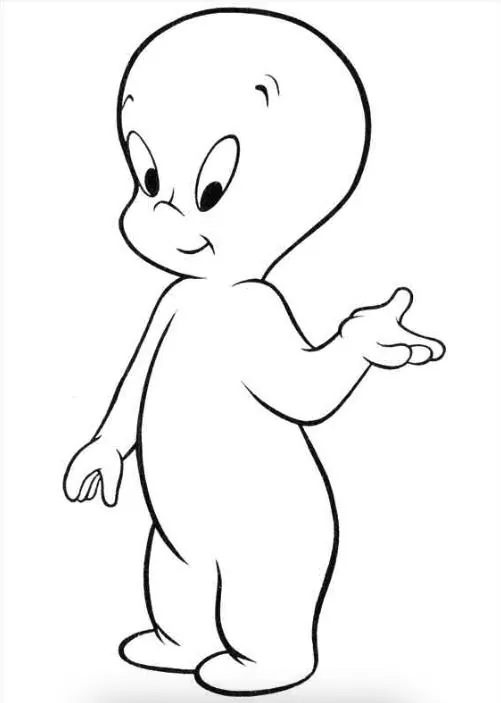
The two men didn't just change the personality; they changed the look. Casper was drawn with round, soft features, looking more like a small child in a bedsheet than a menacing specter. His wide eyes and gentle smile sent a clear message before he even said a word. This was a being meant to be understood, not feared. Every curve of his design whispered kindness, and that visual choice made all the difference in how audiences would come to see him.
What's remarkable is that this idea, so iconic today, wasn't an instant success. Reit and Oriolo initially pitched Casper as a children's book, and publishers simply weren't interested. The concept felt too strange, too unlike anything else on the market. But the character's fate would soon change, and the world of animation was about to welcome its friendliest ghost.
A Children's Book That Almost Never Happened
The idea that would become the Casper the Friendly Ghost origin story started out not in a film studio, but as a children's book manuscript. Writer Seymour Reit and illustrator Joe Oriolo teamed up in the late 1930s with a simple question that turned the ghost genre on its head: what if a ghost simply didn't want to scare anyone?
Reit and Oriolo crafted a character with soft, rounded features, looking more like a small, sweet child than anything out of a horror story. The visual design was itself a statement. This was a being to be understood, not feared. Yet the publishing world wasn't ready for a friendly phantom. The manuscript bounced around, met with shrugs and polite rejections. For a while, the project sat in limbo, a clever idea with nowhere to go.
The lack of interest stung, especially given how original the concept was. Every ghost story up to that point relied on the same formula: hauntings, curses, and things that go bump in the night. Casper broke that mold completely, and publishers didn't know what to do with him. It's a familiar tale in creative circles, the right idea at what seems like the wrong time. The character's future hung on whether anyone would take a chance on a specter who just wanted a friend.
The 1945 Short Film That Made Casper a Star
The moment that changed everything came in 1945, when Famous Studios released a seven-minute animated short called "The Friendly Ghost." That film, not the earlier children's book pitch, is what the world recognizes as Casper's true debut. It took a character who had been struggling to find an audience and turned him into a star overnight.
Here is where the timeline gets a little tangled, so let's sort it out. Verified records show that Famous Studios acquired the rights in 1943. The film itself premiered in 1945, which is likely where the confusion comes from. Either way, the short landed with an impact that nobody at the studio could have predicted.
The genius of "The Friendly Ghost" was how clearly it established Casper's central dilemma. Here was a ghost who did not want to scare anyone. He wanted friends, companionship, someone to share his haunted house with. But every time he floated toward a human, they screamed and ran. The harder he tried to connect, the more alone he became. It was a heartbreaking loop, and audiences felt every second of it.
That simple premise, a lonely spirit who just wants to be understood, gave the character a depth that other cartoon figures of the era simply did not have. Mickey Mouse was plucky, Bugs Bunny was clever, but Casper was vulnerable. He carried an emotional weight that made children lean forward and adults feel a pang of recognition. You were not watching a gag machine. You were watching a little soul who happened to be translucent.
Famous Studios knew they had something special. The short performed well enough that they followed it up with more Casper cartoons, each one refining the formula. The character's round, soft design, like a small child in a ghost costume, made him approachable rather than frightening. His big eyes and gentle movements signaled kindness before he even said a word.
By the time the 1940s gave way to the 1950s, Casper had become a fixture of American animation. He was no longer just a failed book idea or a single experiment. He was a franchise in the making, with comic books, merchandise, and a growing legion of fans. The 1945 short had done its job. It had given the friendly ghost a home.
What's in a Name? The Meaning of 'Casper'
Dig into the name "Casper" and you will find a theory that it springs from Persian words like "gizbar," "gasbar," or "caspar," all pointing to a treasurer or a guardian of treasure. That etymology, though, is not something linguists universally embrace, and it stands as a contested theory rather than settled fact. The idea that this meaning mirrors Casper's inner goodness and his longing to be understood is even more speculative, a poetic reading of a name that may or may not carry that weight.
What makes the theory so appealing is how neatly it fits the character. A ghost who guards nothing but a desire for friendship, who carries an invisible treasure of kindness that nobody stops to unwrap. The source material leans into this interpretation, suggesting the name might have been chosen deliberately to signal his nature. Whether that is true or simply a lovely coincidence, nobody can say with certainty.
For a character whose entire existence revolves around being misread, it is fitting that even his name comes with ambiguity attached. The Persian connection appears in various retellings of his story, but the academic backing is thin. Some trace "Casper" to other roots entirely, including the Germanic name for "treasurer" in a different linguistic line, which muddies the Persian claim further. What remains consistent across all versions is the association with treasure and guardianship, even if the exact origin point shifts depending on who is telling the tale.
So when you hear that Casper's name means "keeper of treasure," take it as part of the folklore that has grown around him, not as a verified linguistic fact. The character himself, created by writer Seymour Reit and illustrator Joe Oriolo in the late 1930s, carries more certainty than his name's backstory does. The treasure he guards, if the name theory holds any truth, is the simple wish to connect with others, a wish that defines his every appearance across decades of animation and film.
From Cartoon to Legend: The 1995 Film and Fan Theories
Casper's leap to the big screen in 1995 changed everything. The live-action film, featuring a mix of CGI ghost and real actors, introduced the friendly specter to an entirely new generation, turning a beloved cartoon character into a bona fide pop culture legend.
The movie was a commercial success, proving that a ghost who would rather make friends than frighten them could still pack theaters. It was a far cry from the character's humble beginnings in the late 1930s, when writer Seymour Reit and illustrator Joe Oriolo first dreamed him up with a simple, revolutionary question: what if a ghost didn't want to scare anyone?
With that wider fame came curiosity, and with curiosity came theories. Some fans, along with an episode of The Simpsons, reportedly noticed a striking resemblance between Casper and Richie Rich, the cartoon millionaire who debuted in 1953. The speculation ran that Casper was reincarnated as the wealthy boy, both being exceptionally kind characters despite their circumstances. It is a fun idea, but it remains a fan theory, not a verified fact.
The enduring appeal of the Casper the Friendly Ghost origin story lies not in jump scares or haunted house antics. His tale is one of loneliness and the deep, universal desire to be understood. Whether in a 1945 theatrical short, a Saturday morning cartoon, or a 1995 feature film, the core remains the same: a gentle soul, different from everyone else, just wants someone to see past his appearance and accept him for who he is. That is a story that never gets old.
Frequently asked questions
Who created Casper the Friendly Ghost?
Writer Seymour Reit and illustrator Joe Oriolo created Casper in 1939. The two collaborators developed the character during the late 1930s with a simple but powerful idea: what if a ghost didn't want to scare anyone? Their creation would go on to become one of animation's most beloved figures.
What was the first Casper cartoon?
The first Casper cartoon was "The Friendly Ghost," released in 1945 by Famous Studios. The studio had acquired the rights to the character in 1943, and the short film introduced audiences to a ghost who wanted friendship rather than fright. The cartoon established the core premise that would define Casper for decades.
Why was Casper created?
Reit and Oriolo created Casper to challenge the typical scary ghost trope that dominated stories at the time. They wanted to explore what a friendly, lonely ghost might be like, one who desired connection but was constantly shunned. The character's round, childlike appearance deliberately signaled warmth rather than menace.
What does the name Casper mean?
The name Casper possibly derives from Persian words like "gizbar," "gasbar," or "caspar," which translate to "treasurer" or "guardian of treasure." However, linguists continue to debate this etymology, and the exact origin remains contested. The connection to treasure has led some fans to see deeper meaning in the character's inherent goodness.
Was Casper originally a book?
Yes, Casper was originally conceived as a children's book, but the project initially struggled to find a publisher. The manuscript faced rejection in the publishing world before the character found his true home in animation. It was only after Famous Studios brought Casper to the screen that his popularity truly blossomed.
How is Casper connected to Richie Rich?
According to unconfirmed fan theories, Casper was reincarnated as Richie Rich, the wealthy comic book character who debuted in 1953. Some fans have pointed to similarities between the two characters, including their inherent kindness despite their circumstances. However, no official source has ever confirmed this connection, and the theory remains purely speculative.
Why does Casper want to be friends with humans?
Casper is inherently good and desires genuine connection with people, but humans consistently run from him in fear. His loneliness stems from this paradox: he approaches with friendship in mind, yet his ghostly appearance triggers terror. This fundamental tension drives his story, making him a symbol of those who are misunderstood despite their good intentions. Editorial note: Any facts which remain unconfirmed are presented as such, and the timeline of the character's creation relies on the accounts of the original creators.
Got a take on this? Add your voice to the conversation below →
No comments yet. Be the first.