Edo Disease: Japan's Hidden Beriberi Crisis
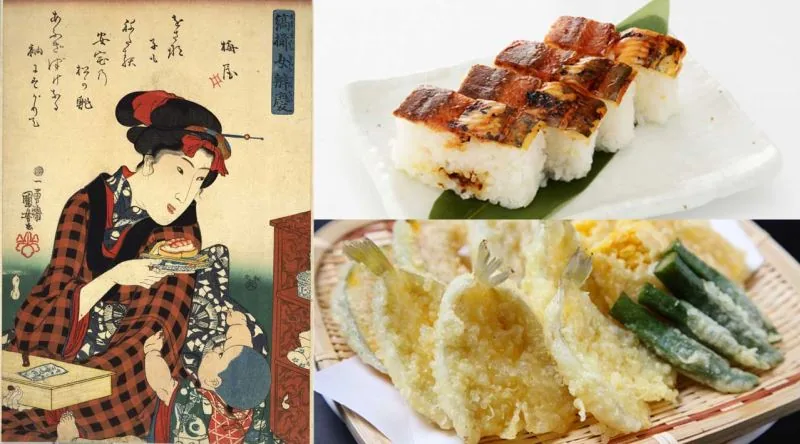
Edo disease was the name given to beriberi, a debilitating nerve condition caused by a diet of polished white rice, that plagued Japan's urban population during the Edo period (1603-1868) and persisted until Takaki Kanehiro proved barley could help cure it in the 1880s. This hidden crisis struck down city dwellers who could afford white rice, creating a tragic irony at the heart of Japanese society. The story of how Japan conquered this self-inflicted epidemic reveals a nation caught between tradition and modernity, and it ends with a surprising twist involving beef, the Meiji Emperor, and a military doctor who refused to accept the conventional wisdom of his time.
Edo disease was beriberi, a thiamine deficiency illness caused by eating polished white rice as a dietary staple. It affected mainly wealthy Edo-period city dwellers and later Meiji-era soldiers and sailors. Takaki Kanehiro discovered the cure in the 1880s by adding barley to the naval diet, and the Meiji Emperor's public beef-eating in 1872 helped shift Japan away from its rice-centric food culture.
- During the Edo period (1603-1868), beriberi became known as Edo disease because it was most prevalent among city dwellers in Edo, now Tokyo, who ate polished white rice daily.
- The cause was a thiamine (vitamin B1) deficiency, since the milling process that produced white rice stripped away the nutrient-rich outer layers.
- In the 1880s, Takaki Kanehiro, a Japanese naval medical officer, added barley, meat, and fish to the sailors' diet, which significantly reduced beriberi mortality rates.
- In 1872, the Meiji Emperor publicly ate beef, which helped break centuries of Buddhist-influenced restrictions on meat consumption and gradually diversified the Japanese diet.
- The average height of Japanese people increased measurably within two generations after the Meiji reforms, reflecting a broader dietary shift away from white rice as the sole staple food.
The Rice Bowl Trap: How Edo Japan's 'Healthy' Diet Made Everyone Sick
Imagine living in Edo-period Japan, between 1603 and 1868, where the government told you what you could and could not eat. The Tokugawa shogunate, the military government ruling the country, issued repeated edicts restricting or outright banning the consumption of cattle, horses, dogs, monkeys, and chickens. These laws rested on two pillars: Buddhist teachings that discouraged killing animals, and the simple economic reality that work animals were too valuable to slaughter. Enforcement varied by region, but the overall direction was clear. Meat was largely off the table for ordinary people.
What was left to eat? Processed white rice, pickles, miso soup, and, if you lived near water, the occasional fish. Inland villagers had it even worse, with fish being a rare luxury. This supposedly traditional way of eating quietly created a health disaster. The polished white rice that formed the backbone of every meal had been stripped of its thiamine, also known as vitamin B1, during processing. Without that essential nutrient, the body begins to fail. Limbs grow weak. The cardiovascular system suffers. Neurological damage sets in. Left untreated, it kills.
The disease had a local name: kakke. By the 19th century, it had become so closely tied to city life in the capital that people simply called it the Edo disease. It was not seen as an exotic affliction. It was just a normal part of urban existence, as ordinary as the rice bowl in front of you. The very diet that would later be romanticized as wholesome and traditional was, in reality, making an entire population sick.
The White Rice Killer: What Actually Is Beriberi?
Beriberi is a disease caused by a severe lack of thiamine, which is vitamin B1, and that vitamin disappears when rice is polished from brown to white. The condition attacks the body in terrifying ways: weakness creeps into the limbs, the cardiovascular system starts to fail, and neurological damage sets in. Left untreated, it is fatal. In Japan during the 1870s and 1880s, this single deficiency was killing sailors and soldiers at disastrous rates, and the culprit was sitting in every mess hall bowl.
The disease had a local name in Japan: kakke. It became so tangled up with city living that by the 19th century, people in the capital simply called it the Edo disease, treating it not as an exotic mystery but as an ordinary, miserable feature of urban life. The irony is brutal. The polished white rice that symbolized status and refinement was slowly poisoning the people who could afford it most.
The numbers from the military tell the real story. During the 1870s and 1880s, beriberi ravaged the ranks of both the Imperial Japanese Army and Navy. Sailors and soldiers, young men in their physical prime, were dying by the thousands from what looked like weakness, swelling, and heart failure. Officers and doctors argued over causes, blaming bad air, damp climates, or some unseen contagion. No one connected the gleaming white rice on every plate to the bodies piling up in sick bays.
The answer, when it came, would not arrive from a laboratory microscope. It came from a naval surgeon named Takaki Kanehiro, who in the 1880s began to suspect the food itself. He would not know the word "vitamin," because the concept did not exist yet. But he understood that something in the diet was killing his men, and he had the courage to test that theory on the most valuable subjects he had: the sailors of the Japanese fleet.
The Navy Doctor Who Beat the Disease Before Vitamins Were Even Known
In the 1880s, a Japanese naval surgeon named Takaki Kanehiro did something remarkable: he stopped a deadly disease by changing what sailors ate, years before anyone knew vitamins existed. His discovery that beriberi was diet-related saved thousands of lives through pure observation and practical thinking. The numbers were staggering. In the 1870s and 1880s, beriberi was killing Japanese sailors and soldiers at disastrous rates. The disease, which we now know comes from a lack of thiamine, or vitamin B1, caused weakness in the limbs, heart problems, nerve damage, and often death. The culprit was polished white rice, stripped of the very nutrients that kept people alive. Takaki Kanehiro noticed something others missed. He was a surgeon in the Imperial Japanese Navy, and he watched as his men fell sick and died. The difference, he realized, was what they ate. The common sailors lived almost entirely on white rice, while their rations lacked the variety that could keep them healthy. So he made a change. In the 1880s, he added barley, meat, and fish to naval rations. The results were dramatic. Mortality rates dropped significantly, and the disease that had been decimating his ranks began to disappear. He had no idea about vitamins, no biochemical explanation for why it worked. He just knew that better food meant healthier men, and he acted on it. His reforms saved thousands of lives. And he did it decades before scientists would identify thiamine as the missing piece, before anyone understood that the very process of polishing rice destroyed its life-giving power. It was a triumph of careful observation over established theory, a reminder that sometimes the answer is right in front of you if you are willing to look at what people actually consume.The Emperor Takes a Bite: How Meiji Japan Reversed Course on Meat
In January 1872, Emperor Meiji sat down to a meal that would quietly rewrite Japanese history. He ate beef in public, breaking a Buddhist prohibition that had held for more than a thousand years. The act was a signal, plain and unmistakable: Japan was modernizing, and its people needed better food to do it.
The new Meiji government had looked at its own population and seen a problem. Centuries of dietary restrictions had stunted physical development. People were short, prone to illness, and dying too young. The old Tokugawa shogunate, which ruled from 1603 to 1868, had issued repeated edicts banning or restricting the consumption of cattle, horses, dogs, monkeys, and chickens. Those bans rested on Buddhist teachings and on plain economics: working animals were worth more alive than on a plate.
So the Meiji leadership made a deliberate choice. Instead of doubling down on the traditional plant-based diet, they flipped the script entirely. Meat became national policy. The government actively promoted beef consumption as a matter of public health and national strength. The emperor's public bite of beef in 1872 was the most visible moment of that campaign, a symbolic rupture with centuries of custom. It told every citizen that the old rules no longer applied.
The timing made sense. In the 1870s and 1880s, the Japanese military was losing sailors and soldiers to beriberi at disastrous rates. Naval surgeon Takaki Kanehiro discovered in the 1880s that the disease was diet-related, and he cut mortality dramatically by adding barley, meat, and fish to naval rations. He saved thousands of lives years before anyone understood the biochemistry of vitamin deficiency. The lesson was not lost on the government.
The results came within two generations. Anthropometric data show that average height in Japan increased measurably after the Meiji reforms, tracking closely with increased animal protein consumption. The connection was clear enough that researchers later pointed to dietary protein quality as the key limiting factor in childhood development.
There is an irony in all this. The very diet that produced mass beriberi and stunted growth would later be romanticized and sold to the world as the healthy traditional Japanese way of eating. The polished white rice, the pickles, the miso soup, the occasional fish for those lucky enough to live near water: that was not a wellness plan. It was a constraint born of law, religion, and poverty, and it made people sick. The emperor's bite of beef was the moment Japan decided to eat its way out of that trap.
Two Generations Taller: The Measurable Payoff
The anthropometric data is clear: after the Meiji reforms and the resulting increase in animal protein consumption, the average height in Japan rose measurably within two generations. The numbers tell a story that no amount of nostalgia can rewrite. Japanese people grew taller, and the rate of that growth lines up with the assumption that dietary protein quality had been the limiting factor in childhood development all along. Once beef, pork, chicken, and fish entered the national diet in earnest, bodies responded. Children who had access to animal protein during their growth spurts simply ended up taller than their parents and grandparents, and their own children grew taller still. The change was not subtle. It was visible in schools, in the military, in the streets of Tokyo and Osaka alike. Here is the uncomfortable twist that tends to get left out of the wellness blogs. The exact same dietary pattern that produced mass beriberi and stunted the growth of the Japanese population for generations, the polished white rice, the pickles, the miso soup, the near-total absence of meat, has been repackaged and sold to the Western world as "traditional Japanese healthy eating." Beriberi was not some exotic misfortune that befell an unlucky few. It was the predictable outcome of a diet enforced by law, religion, and economics, and it stunted an entire nation. So when an influencer in Los Angeles or London posts a glowing review of a "clean" rice-based diet, complete with aesthetic bowls of fermented vegetables, they are, without realizing it, recommending the very regimen that once contributed to widespread beriberi. The romanticization of that era's food culture requires ignoring what it actually did to the people who lived under it. The heights they regained within two generations of eating meat tell you everything you need to know about what the old diet was really worth.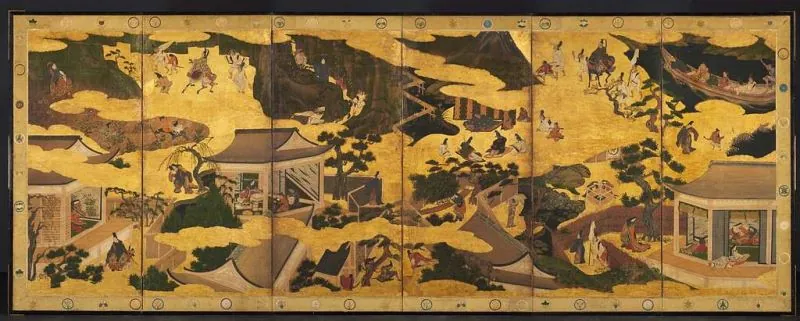
Frequently asked questions
What was Edo disease in Japan?
Edo disease was the popular 19th-century name for beriberi, a thiamine deficiency caused by a diet built around polished white rice. It became so common in the capital that city dwellers treated it as an ordinary part of urban life. The condition caused weakness in the limbs, cardiovascular problems, and neurological damage, and it could kill if left untreated.
Why did the Tokugawa shogunate ban meat?
The Tokugawa shogunate, which ruled Japan from 1603 to 1868, issued repeated edicts restricting cattle, horses, dogs, monkeys, and chickens. These bans drew on Buddhist teachings and the practical reality that work animals were too economically valuable to slaughter. Enforcement varied from region to region, but the overall direction was unmistakable: meat was largely off the table for most people.
How did Takaki Kanehiro cure beriberi?
In the 1880s, naval surgeon Takaki Kanehiro added barley, meat, and fish to naval rations after deducing that beriberi was dietary in origin. He did this years before anyone understood vitamins biochemically. The mortality rate among sailors dropped significantly, and his reforms saved thousands of lives through better nutrition alone.
Did the Emperor of Japan eat beef in 1872?
Yes. In January 1872, the Emperor publicly ate beef, breaking a Buddhist prohibition that had stood for over a thousand years. The act was a deliberate signal that Japan was modernizing and that its people needed better nutrition. It marked a turning point in the nation's relationship with meat and animal protein.
Why were Japanese people short in the Edo period?
Centuries of restricted animal protein and a rice-heavy diet caused widespread beriberi and likely limited childhood growth. After the Meiji reforms encouraged meat consumption as national policy, average height in Japan rose measurably within two generations. Anthropometric data shows the increase clearly, matching the theory that dietary protein quality was the key limiting factor in development. Editorial note: Any facts which remain unconfirmed are presented as such, with hedged language that makes their status clear to the reader.
Got a take on this? Add your voice to the conversation below →
No comments yet. Be the first.