Walter White: The Breaking Bad Trait He Steals From Each Kill
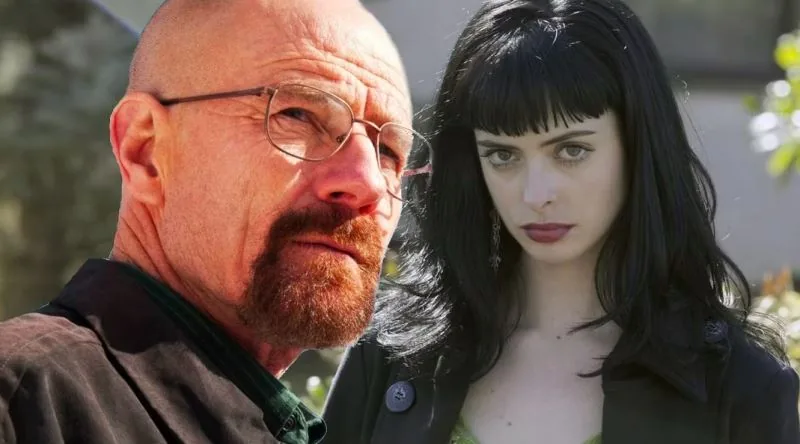
Ever notice how Walter White seems to pick up a little something from the people he kills? Over five seasons of Breaking Bad he quietly absorbs habits from nearly every person he takes down. It starts with a plate of crustless sandwiches and ends with a man who dresses, drinks, and speaks like the people he buried. That pattern is one of the show's sharpest pieces of character writing, and it turns Walt's body count into a kind of inventory.
Across Breaking Bad, Walter White picks up small habits from the men and women he kills, including Krazy-8's crustless sandwiches, Gus Fring's restrained dress sense, and Mike Ehrmantraut's whiskey with ice. The show presents these as quiet markers of how much of himself Walt trades away with each death.
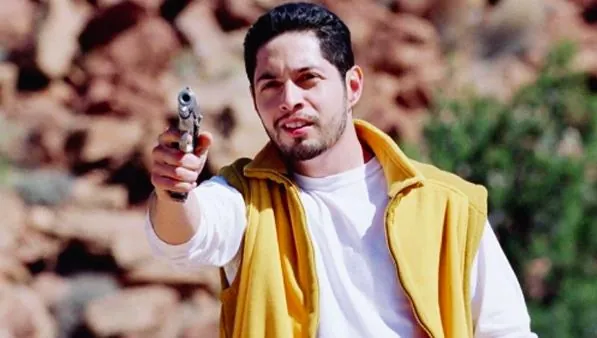
- Walt strangles Krazy-8 in Jesse Pinkman's basement, one of his earliest kills in the first season.
- Krazy-8 asked for his sandwich without crusts while chained in the basement, and Walt is later shown doing the same.
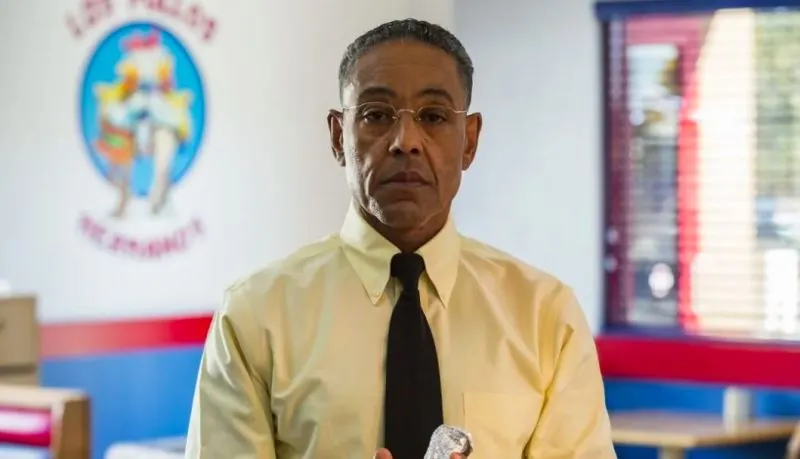
- Gus Fring, the chicken-restaurant owner and drug distributor, is killed in the "Face Off" episode when a wheelchair bomb goes off.
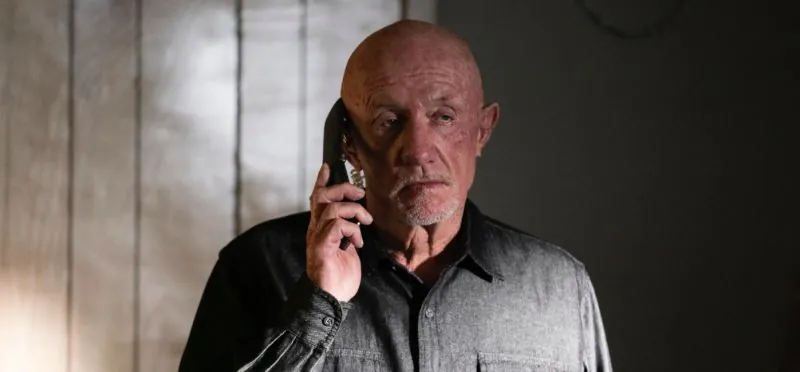
- Mike Ehrmantraut, Gus's fixer, is shot by Walt later in the series.
- Hector Salamanca, the cartel figure, is used by Walt as the trigger for the bomb that kills Gus.
The Theory: Walter White Collects Pieces of the Dead
Here is a reading of Breaking Bad that fans keep returning to: every time Walter White takes a life, he quietly takes something else too. A habit. A gesture. A way of holding a glass. The theory holds that the man who walks out of each killing is never quite the same man who walked in, because a piece of the victim walks out with him.
To be clear, this is interpretation, not a confirmed production fact. Fans argue the pattern is too consistent to be accident, and the show's writers have never laid it out in so many words. What makes it stick is what it means underneath: the theory works as a symbol of Walt's psychological transformation, and of his victims living on inside him long after they stop breathing.
The observation itself comes from a fan analysis published on 16 May 2025. The author framed it as "one of Breaking Bad's most carefully thought-out details," and that phrasing matters. This is one viewer's close reading, offered as a pattern worth noticing, not a claim about what the writers intended.
And the pattern does have a shape. Walt's victims do not simply disappear from the story. They resurface in him, in small physical ways at first, then in bigger ones. Whether you read that as guilt, as mimicry, or as a man assembling a personality out of everyone he has removed, the show leaves enough breadcrumbs for the argument to feel earned.
The rest of this piece walks through the cases fans point to most often, starting with the one that arguably started everything.
Krazy-8 and the Crustless Sandwich
The source account opens its case with Domingo Gallardo Cantú, better known as Krazy-8, the soft-spoken dealer Walt strangles in Jesse's basement. It calls him the first person Walter kills. That part is wrong. Emilio Koyama, Krazy-8's cousin and business partner, dies in the pilot episode, locked inside the RV while Walter and Jesse choke on phosphine gas. Krazy-8 comes second. The correction matters because the sandwich detail belongs to that basement, not to Emilio.
Here is the moment. Krazy-8 is chained to a pipe, waiting on a decision about whether he lives. He asks for a sandwich, and he asks for it without crusts. Walter brings it down. Then, episodes later, Walter is at his own kitchen counter cutting the crusts off his own bread. Nobody comments on it. No music swells. The show simply lets you notice.
That is the cleanest piece of evidence in the whole pattern, because it is small and it is checkable. Walter does not adopt Krazy-8's speech, his posture, or his trade. He adopts the way the man took his lunch. A habit that specific cannot be accidental writing, and it cannot be chalked up to coincidence in a show this deliberate about props and hands.
Read it the way the source reads it: the first murder leaves a mark deep enough to reach Walter's plate. He killed the man, then kept a piece of him in his own daily routine, and the routine outlasted the guilt.
Gus Fring: The Man Walt Becomes
Gus Fring dies in "Face Off," and something strange happens to Walter White afterward. The calm doesn't leave the show. It just changes bodies. In Season 5, Walt's wardrobe narrows to solid-colored shirts, his shave gets cleaner, and he handles car-wash customers with a composed, almost pleasant manner. The shift is real and visible on screen. Whether it amounts to Walt literally becoming Gus is a fan reading, not a settled fact, and the original account treats it as interpretation rather than confirmed detail.
What the source argues is that Walter White absorbs Gus's calmness, his strategic thinking, and his business discipline across the season, folding them into his own identity. That reading has real texture behind it. Gus ran a chicken franchise as a front and treated murder like logistics. Walt, by the "Say My Name" era, sits across from a rival and speaks in the same flat, unhurried register. The source calls that version of Walt "a complete reflection of Gus." Fair warning: that line is the writer's characterization, not something the show states outright. The episode does show Walt asserting dominance the way Gus once did. "Reflection" is the poetic leap on top of it.
The Gus-era evidence, laid out
- ConfirmedMike Ehrmantraut's "no half-measures" ethos becomes part of Walt's philosophy. Mike's speech is a defining line, and Walt's later ruthlessness is widely read as adopting it.
- InterpretiveWalt's Season 5 look shifts toward solid shirts and a cleaner appearance. The precise mirroring of Gus is the interpretive part.
- InterpretiveWalt as "a reflection of Gus" in the "Say My Name" era. He asserts dominance in a Gus-like manner, but the phrase is characterization, not established fact.
Here is the uncomfortable part. Gus spent years building an empire on patience, and Walt inherits the patience without the discipline that made it survivable. He wears the solid shirt. He keeps the steady voice. He does not keep the restraint. By the time he tells a room full of men to say his name, he has taken the surface of Gus Fring and left the caution behind, which is exactly why the last season goes the way it does.
Mike Ehrmantraut: Whiskey on the Rocks and "No Half-Measures"
Mike Ehrmantraut, the former Philadelphia cop turned fixer for Gus Fring's operation, leaves behind two things that stay with Walter White. The first is a philosophy. The second, at least as the original account tells it, is a drink order.
Mike's "no more half-measures" speech is the line that defines him. He tells Walt a story about a man who let an abusive husband walk away with a warning, and the man came home and killed his wife. The lesson lands hard: half measures are what get people hurt. That ethos does not just sit with Walt. It becomes part of his philosophy, and the ruthlessness he shows in the later seasons is widely read as him finally taking Mike's advice to its logical end. Walt stops hedging. He stops giving people a second chance. He starts behaving like a man who has decided that half measures are beneath him.
The drinking detail is where the story gets less certain. According to the original account, Walt is shown in several scenes after killing Mike drinking whiskey alone, and he takes it with ice the way Mike did rather than neat. Those scenes, the source claims, mirror Mike's own solitary drinking one-to-one. That is a striking parallel if it holds, but the specific post-Mike-killing scene cannot be reliably confirmed. Treat it as reported rather than established. What is solid is the philosophy. What is suggestive is the glass.
Either way, the two details belong to the same beat. Walt does not just inherit Mike's code. He inherits the image of a man drinking alone with his choices. Mike spent his last years doing exactly that, and the story's point is that Walt ends up in the same chair, holding the same glass, with no one left to pour for.
Jane Margolis: Death by Inaction and the Cold That Follows
In the Breaking Bad episode "Phoenix," Walter White stands over Jane Margolis as she chokes on her own vomit during a heroin overdose, and he does nothing. He does not roll her onto her side. He does not call for help. He simply watches, and her death follows from that stillness. This is the moment the story stops letting us look away.
Jane is Jesse Pinkman's girlfriend, and she had become a problem for Walt: she knew too much, she was pushing Jesse toward a life Walt could not control, and she had threatened to expose him. So when the overdose came, Walt had a choice. He made it by not making it. The show frames this as a death caused by inaction, and it is the hinge on which the rest of Walt's arc turns.
What happens after Jane dies is where the storytelling gets its teeth. The source argues that Walt's emotional distance from Jesse grows sharper in the episodes that follow. He becomes, the source suggests, a crueler man. That reading is interpretive rather than a single documented fact, but it is hard to watch the aftermath and not feel the temperature drop. Jesse grieves a girl he loved. Walt moves through the same rooms with a flatness that reads less like shock and more like a door closing.
Viewers often describe this as the point where Walter White stops being a man we can root for and becomes something else. The sandwich crusts, the borrowed mannerisms, the slow accumulation of other people's habits: all of it is unsettling, but none of it lands as hard as this. Jane's death is not a killing in the physical sense. It is a decision made in silence, and the silence is the weapon.
The source calls this the emotional turning point, and the case is easy to make. Before Jane, Walt's cruelties could still be explained away as survival. After Jane, they start to look like preference. The cold that follows her death is not a side effect. It is the new baseline.
Hector Salamanca: Turning Hatred Into a Weapon
Hector Salamanca could not walk, could not speak, and could barely move a finger. Yet in the Season 4 finale of Breaking Bad, "Face Off," he became the deadliest weapon in the room. Walter White persuaded the old cartel boss to detonate a bomb strapped to his own wheelchair, taking Gus Fring with him. Walt did not build the device for Hector's revenge. He built it for his own survival, and he aimed it with Hector's rage.
That is the coldest lesson of the whole series. Walt walked into Casa Tranquila knowing exactly what Hector wanted. The man had spent years watching Gus humiliate him, strip his family's power, and leave him trapped in a chair with a bell for a voice. Walt offered him the one thing nobody else could: a way to die on his own terms and take his enemy down with him. Hector rang that bell with everything he had left.
What makes the scene so unsettling is how little Walt risks. He does not pull a trigger. He does not even stay in the room. He hands an old man a trigger and lets hatred do the work, then walks out and watches the explosion from a distance. According to the original account, this moment foreshadows the manipulation strategies Walt leans on later, the habit of weaponizing an enemy's hatred instead of confronting it head-on. That reading is interpretive rather than something the show states outright, but it lines up with the Walter White who emerges in the seasons that follow.
The source frames this as the capstone of the "absorbing the dead" motif running through the series. Walt does not simply eliminate the people in his way. He takes something from each of them and carries it forward, which means every kill leaves him a little less like the chemistry teacher and a little more like the men he buried. Hector is the strangest inheritance of all. Walt does not absorb Hector's habits or his wardrobe. He absorbs the pure, patient hatred that kept a broken man alive for years, and he points it at whoever stands in front of him.
Few shows handle a character transformation with this much subtlety. The bomb is loud, the wheelchair is unforgettable, and the aftermath is quiet. Walt does not celebrate. He just adds another piece to himself and keeps walking.
Frequently asked questions
What traits does Walter White take from Krazy-8?
The clearest example is a sandwich. While Krazy-8 (Domingo) is chained up in Jesse's basement, he asks for his sandwich with the crusts cut off. Later in the series, Walter White is shown slicing the crusts off his own sandwiches the same way. Small detail, heavy weight.
Did Walter White absorb habits from the people he killed?
Careful here. This is a fan reading, not a rule the show ever states out loud. Breaking Bad is full of suggestive parallels, and viewers built the trait-stealing thesis from those echoes. Treat it as an interpretation, not a confirmed fact. It is a compelling lens, not a stated mechanic.
Why does Walter White start drinking whiskey with ice like Mike?
According to the original account, after Mike Ehrmantraut's death Walt appears in several scenes drinking alone, and he takes his whiskey over ice rather than neat, echoing Mike's solitary drinking. The specific parallel scene cannot be reliably confirmed, so this stays in the realm of suggestion rather than fact.
How does Gus Fring influence Walter White?
The source argues Walt folds Gus's calm, his strategic thinking and his business discipline into himself, and that his look shifts after Gus dies: solid-colored shirts, a cleaner shave, an unbothered manner with customers at the car wash. The "Say My Name" era Walt reads as a reflection of Gus. That framing is interpretive.
Was Jane Margolis's death a turning point?
Walt causes Jane's death by inaction in "Phoenix," watching her choke during an overdose and doing nothing. What follows is where the reading gets soft: the source says he grows colder and crueler toward Jesse afterward, but that is a character-arc judgment, not a discrete on-screen fact.
What did Walter White learn from Hector Salamanca?
In "Face Off," Walt persuades Hector Salamanca to detonate a wheelchair bomb and kill Gus Fring, weaponizing the old man's hatred. That much is on screen. The idea that this taught Walt a reusable technique for turning an enemy's rage into a weapon is the source's foreshadowing claim, and it is interpretive.
Does Mike Ehrmantraut's "no half-measures" rule become Walt's philosophy?
Mike's "no more half measures" speech is one of the show's defining lines, and Walt's later ruthlessness is widely read as adopting that ethos. The phrase itself is verified. The claim that it hardened into Walt's personal philosophy is the interpretive layer fans add on top. Editorial note: This is an interpretive fan analysis of a fictional television series, and any reading of character motivation that the show does not state outright is presented here as interpretation rather than confirmed fact.
Got a take on this? Add your voice to the conversation below →
No comments yet. Be the first.