Tuco's Social Class: The Good, the Bad and the Ugly
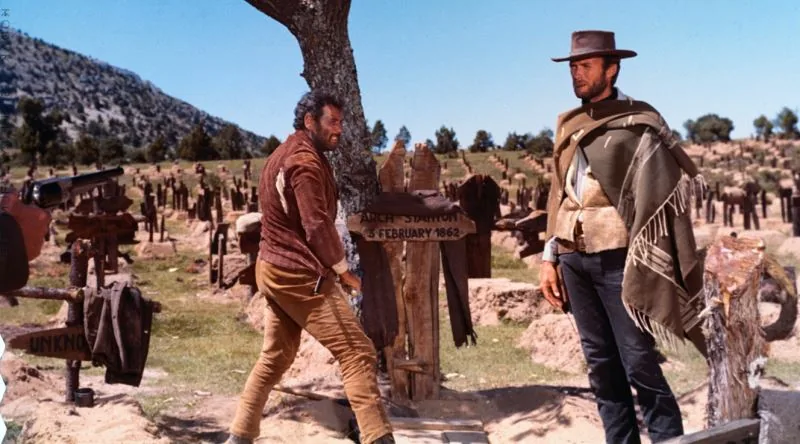
Tuco social class analysis reveals that the character in Sergio Leone's 1966 classic "The Good, the Bad and the Ugly" embodies the working class, and his resilience against exploitation makes him the true protagonist of the film. His desperate scramble for survival against two men who treat him as disposable pulls at something universal, making his journey feel less like a Western and more like a mirror held up to every person who has ever had to fight for scraps at someone else's table.
Tuco represents the working class in Sergio Leone's 1966 film, constantly exploited by Blondie and Angel Eyes, who see him as a tool rather than a person. His survival instincts, resourcefulness, and refusal to stay down argue that he, not the titled heroes, carries the film's true emotional weight.
- Tuco is introduced as a wanted criminal who is repeatedly betrayed by Blondie, who turns him in for bounty money before freeing him, a cycle that mirrors labor exploitation.
- Angel Eyes dismisses Tuco as a mere informant, using him for information about the buried gold with no intention of sharing the reward.
- Tuco's relentless pursuit of the buried treasure, despite being beaten, humiliated, and abandoned, showcases his resilience as a survivalist figure.
- The film's final standoff at the cemetery positions Tuco as the emotional core, as his desperate race against time to dig for the grave contrasts with Blondie's calculated calm.
- Leone's framing of Tuco's suffering, particularly the desert march scene, visually reinforces his status as a man exploited by forces more powerful than himself.
The Outlaw We Root For: Why Tuco Is the Real Lead
Sergio Leone's 1966 spaghetti western The Good, the Bad and the Ugly (originally Il buono, il brutto, il cattivo) has a title that promises three men in equal measure. But watch it again with fresh eyes, and a different truth emerges. Tuco Ramirez, the grimy, loud-mouthed outlaw with a price on his head, is not just one third of the story. He is the story's beating heart, the character whose perspective we actually follow from the opening scene to the final frame. A proper Tuco social class analysis reveals why this fugitive, who would never sacrifice himself and would grab every last gold coin for himself if given the chance, is the one we secretly cheer for.
Let's be clear about what Tuco is not. He is no hero in the classical sense. The source material is blunt on this point: if a situation called for self-sacrifice, Tuco would not make that choice, and if gold were up for grabs, he would slip away with all of it at the first opportunity. That alone disqualifies him from traditional hero status. And yet, the film's entire emotional engine runs through him. The movie opens with Tuco smashing through a window to escape three bounty hunters. It ends with him standing in a dusty cemetery, rope around his neck, having just survived a hanging. In between, we see every major event through his sweat-soaked, desperate experience of it.
The real distinction between the other two men, Blondie and Angel Eyes, comes down to how each one treats Tuco. Angel Eyes kills for pleasure, not merely for profit, and he views Tuco as pure merchandise, something to be sold. He enjoys watching Tuco get beaten within an inch of his life before handing him over for a reward. Blondie, by contrast, runs a bounty hunting scam with Tuco: Blondie turns him in, collects the money, then rescues him and splits the take. Tuco is still a commodity in that arrangement, but Blondie at least shares the proceeds. When the partnership sours and Blondie abandons Tuco in the desert, he still offers advice on how to survive the walk back to town. That is the sum total of Blondie's mercy, and it is enough to make him the "good" one in comparison.
Here is the uncomfortable irony at the center of the film. Tuco judges the two men by who treats him less cruelly when selling him out. Yet his judgment is flawed. He chases after Blondie, the man who betrayed him, while never going after Angel Eyes, who did the same. The working-class figure in this story, used like a hunting dog to dig through hundreds of graves searching for stolen gold, gets kicked by whoever holds power at any given moment. Still, the film insists he is not done. There are more graves to dig and more choices to make. The cruelty of this world may bind his hands, but as the famous line goes, there are two kinds of people in this world: those who dig graves and those with loaded guns. Tuco, for all his suffering, always seems to find himself holding the shovel and the gun at the same time.
Two Cowboys, Two Ways of Using Tuco: Blondie vs. Angel Eyes
The real difference between the film's two so-called "good" and "bad" men isn't their aim, it's their style. Angel Eyes kills for pleasure, not just profit, and he treats Tuco as a piece of merchandise to be used and discarded. Blondie runs the same kind of scam, but he draws a line, and that line changes everything about how we read him.
Angel Eyes, the sadistic gunman played by Lee Van Cleef, doesn't just want the money. He savors the violence itself. The film shows him enjoying the spectacle of Tuco being beaten within an inch of his life, and only then does he hand Tuco over for a bounty. He sends his man along to collect the payment, treating Tuco like livestock being driven to market. There's no pretense of partnership, no shared stake. Just a commodity and its price.
Blondie, Clint Eastwood's Man with No Name, runs a different kind of operation. He and Tuco work a classic bounty scam: Blondie turns Tuco in, collects the reward, then rescues him from the hangman and splits the take. Tuco is still the product in this transaction, but he's a partner too, at least until the scheme collapses. When things go wrong and Blondie abandons Tuco in the desert, he still offers a piece of advice: a man of your strength can make it to town. That's the extent of his mercy.
What's striking about this contrast is how little it changes for Tuco himself. Whether the power sits with Angel Eyes or with Blondie, he remains a tool, a means to an end, someone to be used for maintaining control and reaching a goal. The cruelty has limits with one of them, but the fundamental equation stays the same. In this Tuco social class analysis, the outlaw remains at the bottom of the ladder no matter which cowboy holds the reins.
Blondie's small gesture of humanity, a few words of advice in the desert, is enough to mark him as the "good" one in Tuco's eyes. It's a low bar, and the film knows it. Both men sell Tuco, both men profit from him, and neither ever treats him as an equal. The difference is only in how much blood they're willing to spill along the way.
Tuco's Blind Spot: Why He Chases Blondie but Not Angel Eyes
Tuco Benedicto Pacífico Juan María Ramírez, the grimy, loud-mouthed bandit at the center of Sergio Leone's 1966 spaghetti western The Good, the Bad and the Ugly, carries a grudge that makes no sense. Both Blondie and Angel Eyes sold him out for money, yet Tuco spends the entire film hunting Blondie while never once going after Angel Eyes. That contradiction is the film's slyest joke, and it reveals everything about how the oppressed judge their oppressors.
Here is the thing about Tuco's world. He does not judge people by what they do. He judges them by how they treat him. Angel Eyes, the sadistic gunman who kills for pleasure as much as for payment, beats Tuco within an inch of his life just for the enjoyment of it, then hands him over to his men to collect the bounty. Blondie, on the other hand, runs the same scam with Tuco as a willing partner. Blondie turns him in, collects the reward, then breaks him out and splits the money down the middle. When things go wrong and Blondie abandons Tuco in the desert, he still offers a piece of advice about making the walk back to town. That is the entire difference. One man sells you gently, so he becomes the "good" one. The other sells you brutally, so he becomes the enemy.
The categorization is entirely from Tuco's point of view, and the film never lets us forget it. From Tuco's seat in the dirt, Blondie's casual decency reads as genuine virtue, while Angel Eyes' open cruelty reads as the only true evil. The audience sees the same scam twice, but Tuco only chases one of the men who ran it on him. His resentment lands on the man who shared the profits, not the man who enjoyed the beating.
This is where the Tuco social class analysis cuts deepest. Tuco is the eternal underdog, the man used as a tool by whoever holds power, the one who digs graves with his bare hands while others hold the guns. He has been stepped on so many times that he measures goodness by the softness of the boot that kicks him. Blondie's boot is softer, so Blondie must be good. Angel Eyes' boot is harder, so Angel Eyes must be bad. The relativity of it all is the joke, and the tragedy. Tuco never sees that both men used him exactly the same way. He only sees which one made it hurt less.
Dug Graves and Loaded Guns: Tuco's Survival and the Gold
Sergio Leone's 1966 spaghetti western The Good, the Bad and the Ugly frames Tuco Ramirez as the eternal underdog from the very first frame to the last. The film opens with Tuco smashing through windows to escape three bounty hunters, and it closes with him dangling from a rope, gasping for air. Between those two moments, he is used, traded, beaten, and sent to dig through hundreds of graves like a hunting dog. Yet the source's reading insists on something remarkable: despite the world's cruelty binding his hands, the gold is partly his.
Tuco's role in this Tuco social class analysis is that of the eternally oppressed worker, the laborer, the "cunning easterner" who never gets to hold the reins of power. Angel Eyes, the sadistic killer who murders for pleasure as much as for payment, treats Tuco as pure commodity, selling him for a bounty after enjoying watching him get beaten half to death. Blondie runs the same bounty scam but splits the reward with Tuco afterward, and even when he abandons Tuco in the desert, he offers advice on how to walk back to town. Either way, Tuco remains the tool, the means to an end, regardless of who holds authority.
Here is where the source's hopeful reading parts ways with what actually appears on screen. The original account claims that Tuco ends up with half the gold, that the world's cruelty cannot take that from him. The film itself tells a different story. In the final cemetery scene, Blondie takes the bulk of the treasure and leaves Tuco only a small portion, a fraction of what he dug for with his bare hands. The half-share is the source's wish, not the film's reality, and it is worth noting that the film's outcome is the one that aligns with its own logic.
The source also speculates, without evidence, that after loading his small share of gold, Tuco fires a few celebratory shots into the air. That moment never appears on screen, but it fits the character's stubborn refusal to stay down. Blondie's famous line cuts to the heart of it: "In this world, there are two kinds of people, Tuco: those who dig graves and those who hold the guns." Tuco has spent the whole film digging, and he will keep digging long after the credits roll.
Frequently asked questions
What social class does Tuco represent?
Tuco embodies the laboring underclass, specifically the worker who digs and is systematically exploited by power. Throughout the film, he is used as a commodity, a tool for others to achieve their goals, whether that means collecting a bounty or finding buried gold. He is the one sent to search hundreds of graves and dig with his bare hands, the eternal worker whose labor benefits everyone but himself.
Why is Tuco considered the true protagonist?
Despite his outlaw behavior, Tuco is the de facto hero of the film because his story of survival drives the entire narrative. He is not a hero in any traditional sense, he would never sacrifice himself for anyone and would grab all the gold for himself if given the chance. But the film begins with his escape and ends with his fate, making his resilience the emotional core of the story.
How do Blondie and Angel Eyes treat Tuco differently?
Angel Eyes treats Tuco purely as a commodity, selling him for a reward after enjoying watching him get beaten nearly to death. Blondie also uses Tuco in their bounty hunting scam, but he shares the reward money and even offers advice when things go wrong, telling Tuco a man of his strength can make it back to town. One treats him as property, the other shows a sliver of humanity, and that difference is what separates "good" from "bad" in the film's moral framework.
What does the ending reveal about Tuco's resilience?
Contrary to the popular version that Tuco gets half the gold, the film actually shows Blondie taking the bulk of the treasure and leaving Tuco with only a small portion. Yet the source imagines that after loading up his share, Tuco fires a few shots into the air, a defiant gesture of survival. The world may bind his hands with its cruelty, but it is too early for him to die, there are still graves to dig and choices to make.
What is the significance of the graves/guns quote?
The famous line, "In this world, there are two kinds of people, Tuco: those who dig graves and those with loaded guns," perfectly encapsulates the class divide at the heart of the film. It draws a stark line between laborers who do the physical work and the powerful who hold the means of violence. Tuco, of course, is always the one digging, never the one holding the loaded gun. Editorial note: Any facts which remain unconfirmed are presented as such, hedged to reflect that they are interpretations of the film's themes rather than statements of record.
Got a take on this? Add your voice to the conversation below →
No comments yet. Be the first.