Toy Story 5 Review: Jessie's Spotlight in a Tech-Savvy Sequel
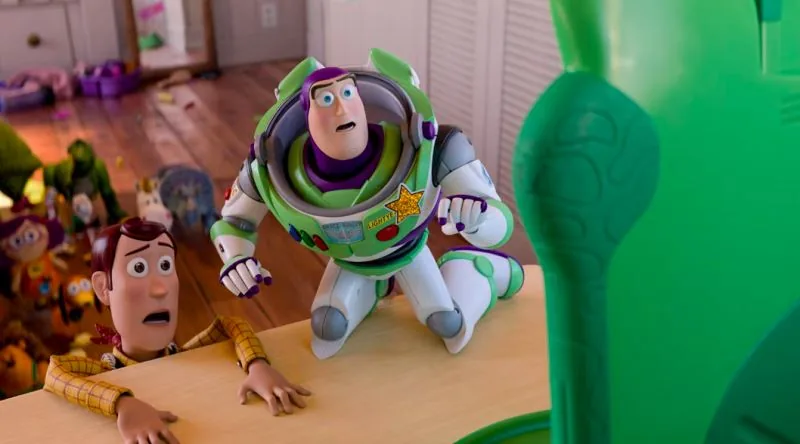
Toy Story 5 brings the beloved gang back to theaters, and this time Jessie steps into the spotlight with a story about childhood, screens, and growing up that hits adults far harder than kids. Pixar's latest sequel trades the thrill of adventure for the quiet ache of watching a child you love change, and it lingers long after the credits roll.
Toy Story 5, announced for a 2026 release, reportedly focuses on Jessie as the toys face a new challenge when a child in Bonnie's life becomes obsessed with tablets and streaming. The gang must adapt to a world where screens compete for a child's attention. The film balances heartfelt moments with a nuanced take on technology.
- Toy Story 5 is announced for a 2026 release, marking the franchise's first theatrical release since 2019.
- According to the reviewer, Jessie takes the lead narrative role, with her fears of abandonment explored in greater depth than any prior installment.
- The plot reportedly centers on a child who prefers a tablet over physical toys, creating a gentle conflict about screen time and imaginative play.
- Buzz and Woody maintain supporting roles, a choice that reportedly divided some longtime fans.
- The film's emotional core involves the toys quietly accepting their changing place in a child's life.
Toy Story 5 Brings the Gang Back, But This Time It's Jessie's Turn
As an animation enthusiast, Toy Story 5 was at the very top of my most-anticipated list this year. The film, announced for a 2026 release, marks the latest chapter in Pixar's beloved franchise. I had been itching to write about it for a while, and now that I've finally found the time, let's dig in.
Warning: This review contains spoilers.
Let me be upfront: this isn't the best film in the series. But it's well-structured, doesn't ruin the franchise, and honestly, it earns its existence. What truly stood out to me was the shift in focus. For once, the filmmakers didn't shove Woody and Buzz into the spotlight at every turn. Instead, Jessie gets her moment to shine, and it breathes fresh air into a series that's been circling the same characters for decades. That said, the other toys barely got any screen time. They felt like extras, which was a bit of a letdown. I wish they'd been given more room to play.
Of course, the first three films carry a certain magic that's hard to replicate. But expecting the same level of performance from a franchise that's been around for 30 years would be unfair. The film's greatest achievement is answering the question, "Why does this movie exist?" It doesn't just parade old characters to tug at your heartstrings. It genuinely has something new to say, and it doesn't feel like it was made just for the sake of making it.
The film tackles themes of changing childhood, technology's impact on play, and how these shifts ripple into human relationships. What I appreciated most is that it doesn't demonize technology outright. The tablet character isn't written as purely evil; it actually believes it's doing something good. It just tries to plan everything for the child and control every aspect of their life. The film makes a compelling point: even good intentions can become harmful when they turn overly controlling.
Honestly, this movie speaks more to adults than to kids. Children will enjoy the fun adventure, but those of us who grew up with the original films will see our own changing childhoods reflected on screen. During the movie, I found myself trying to remember when I stopped playing house. I think it was around the time I started playing The Sims on the computer. I abandoned my toys for virtual play, and my mom eventually packed them away because I wasn't using them anymore. Seeing that story from the toys' perspective made my heart ache a little.
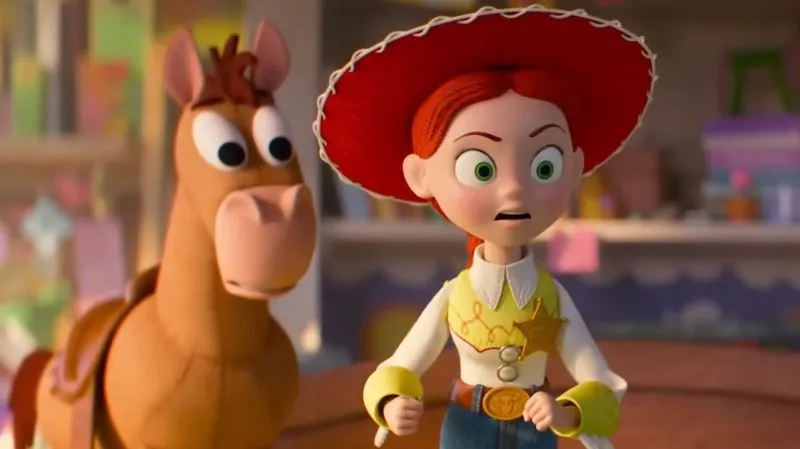
Jessie's arc hit particularly close to home. When the kids abandon her for technological devices, she feels inadequate, like she wasn't good enough. That feeling is painfully familiar. We all do this sometimes. Even when the problem isn't ours, we interpret people drifting away as our own failure. The scenes where Buzz and Woody come to save her, where she realizes she was never worthless, that she was loved, that she touched a child's life and her existence truly matters, were my favorite parts of the film. Sometimes we measure our worth by the people who no longer need us, but having made a difference in someone's life doesn't become worthless just because their needs changed.
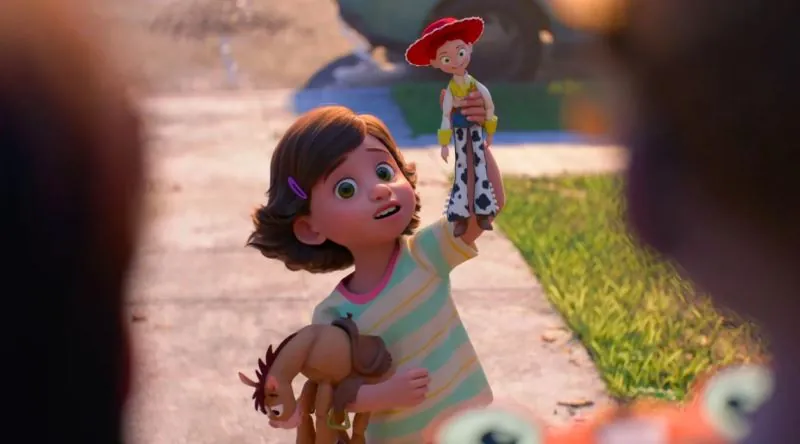
Bonnie, the film's hopeful center, proves that even a child raised on technology can still dream and give meaning to her toys. The movie isn't saying "technology arrived, so childhood is over." It suggests that when given the right space, kids can still create and play. I loved that approach.
In the end, Toy Story 5 isn't the peak of the series, but it's a sequel that deserves to exist. Instead of leaning on nostalgia and selling old memories, it tries to say something real about childhood today. And for the most part, it succeeds. I hope more sequels follow.
A Fresh Focus: Jessie Shines While the Others Fade
The reviewer's favorite creative choice in Toy Story 5 is how the story finally hands the spotlight to Jessie, letting the cowgirl lead the emotional journey. Instead of shoving Woody and Buzz into every scene, the film gives them room to breathe. That decision alone made the whole series feel lighter.
For years, the franchise has orbited the same two stars. Woody's anxious loyalty and Buzz's cosmic swagger have carried the weight of four films. So when the 2026 sequel quietly steps back and lets Jessie carry the story, it lands like fresh air in a stuffy room. The reviewer loved watching her step forward, and the shift gave the series something it hasn't had in a long time: space.
The flip side is that the rest of the toy box barely registers. Rex, Hamm, Slinky, and the gang show up mostly as background players, more like extras than personalities. They pop in, say a line or two, then vanish again. The reviewer genuinely wished they'd been given more to do, because when a movie features a whole shelf of beloved characters, leaving them as scenery feels like a missed chance.
Technology Without Demonizing: A Nuanced Take on Screens
The film's most refreshing choice is that it refuses to paint technology as the villain. Where many family movies would have settled for a simple "screens are bad, toys are good" message, this one reaches for something far more interesting, and it mostly lands.
Changing times are the real subject here. The movie watches how technology has crept into every corner of daily life and how children's play has shifted because of it. Kids don't build pillow forts the way they used to, and the film doesn't pretend otherwise. It sits with that uncomfortable truth instead of running from it.
What makes the message work is the tablet character. According to the reviewer, the tablet was never designed to be a purely evil presence, and that intention carries through to the finished film. The tablet genuinely believes it is helping. It plans everything for the child, organizes every moment, and thinks it is doing something wonderful. The danger is not malice but excess. When good intentions tip into total control, even kindness can become a cage. The movie communicates this without ever hitting you over the head with it.
There is a quiet wisdom in that approach. The film does not shout that technology has ruined childhood. It suggests instead that the problem is not the device itself but the way it can swallow everything else if no boundaries exist. The child still dreams, still invents games, still finds meaning in toys. The tablet just needs to learn when to step back.
This nuance is what elevates the whole picture. It respects the audience enough to trust that they can hold two ideas at once: that screens are here to stay, and that something precious is lost when they crowd out everything else. That is a harder message to deliver than simple demonization, and the film pulls it off with surprising grace.
For the Adults in the Room: A Mirror to Our Own Childhood
Here is the thing about Toy Story 5 that caught me off guard: kids in the theater are watching a fun adventure, but the grown-ups are watching their own childhoods change in real time. The film quietly holds up a mirror, and what I saw in it was the exact moment I stopped being a kid who played with toys.
Somewhere around the time I started playing The Sims on the computer, I just stopped playing house. No big ceremony, no conscious decision. One day my toys were out, and the next they were being boxed up by my mother because I simply was not reaching for them anymore. Watching that same story unfold from the toys' point of view, with their silent confusion and patient waiting, made my chest ache in a way I did not expect.
I remember being a more outgoing, imaginative child before screens took over my free time. The shift was gradual, but looking back, I can trace a line from my toys being put away to me becoming quieter, more introverted, more comfortable alone. Technology did not ruin my childhood, but it did change its texture. And Toy Story 5 understands that nuance completely.
Jessie's arc hit especially hard. When the child in the film turns to a tablet instead of playing with her, Jessie reads it as her own failure, as proof that she is not good enough. That feeling is painfully familiar. We all do this: we interpret someone drifting away as our own inadequacy, even when the reason has nothing to do with us. The scenes where Buzz and Woody come to rescue her, where she finally understands that her worth was never tied to being needed every single day, became my favorite part of the entire film. Because sometimes we measure our value by the people who no longer need us, when the truth is that having touched someone's life at all is what actually matters.
Bonnie Brings Hope: Childhood Isn't Dead
Bonnie is the film's quiet heartbeat of optimism. She grew up with a tablet in her hands and screens glowing around her, yet she still knows how to make a toy feel like a treasure. That detail matters, because it quietly answers the fear that haunts every parent who has watched a child swipe instead of imagine.
The movie never once says "technology came, childhood ended." Instead, it suggests something far more reassuring: children can still play when they are given the right space. Bonnie proves it on screen. She invents stories, gives her toys personalities, and builds whole worlds out of nothing but her own mind. The tablet exists in her life, but it does not own her imagination.
That choice feels deliberate. The film could have easily turned the tablet into a pure villain, a glowing monster stealing childhoods one swipe at a time. It does not. According to the reviewer, the tablet is written as a character who genuinely believes it is helping. It plans everything for the child, controls everything for the child, and never once questions whether that control might be the problem. The message lands softly but clearly: even good intentions become harmful when they refuse to let go.
This optimistic approach is what won me over. Toy Story 5 could have leaned into despair, showing a generation of kids who will never know the joy of a well-loved cowboy doll. Instead, it trusts children more than that. It believes Bonnie and kids like her can hold both worlds, the digital and the physical, without losing the magic of either.
As someone who grew up in the analog era and watched my own toys gather dust once a computer entered the house, I found that hope genuinely moving. The film does not pretend technology never happened. It simply refuses to believe that is the end of the story.
Final Verdict: A Sequel That Earns Its Existence
Toy Story 5 is not the peak of the series, but it is a sequel that deserves to exist. It doesn't lean on nostalgia or old characters to tug at heartstrings; it has something new to say about today's childhood. The reviewer believes it largely succeeds and hopes for more sequels.
Walking out of the theater, I kept turning one question over in my head: why does this movie exist? It's a fair thing to ask of any sequel, especially one attached to a franchise that has been running for three decades. The answer, thankfully, is a good one. This film doesn't just parade familiar faces in front of the camera hoping we'll tear up out of habit. It earns its place by tackling something real, the way childhood itself has shifted under our feet.
What impressed me most was the restraint. The movie doesn't demonize technology, which would have been the easy route. The tablet character, as the reviewer describes it, isn't written as a simple villain. It genuinely believes it's helping, planning everything for the child's benefit. The film's message lands softer and smarter: even good intentions can turn harmful when they become too controlling. That nuance felt like a breath of fresh air.
The film speaks more to adults than to kids, honestly. Children will enjoy the adventure, but those of us who grew up before screens took over will recognize something deeper. I found myself trying to remember when I stopped playing pretend at home. It was around the time I started playing The Sims on the computer. My toys got packed away by my mother, and I didn't even notice. Seeing that story from the toys' perspective stung a little.
There's a particular moment that stayed with me. Jessie feels inadequate when the children abandon her for gadgets, interpreting their distance as her own failure. That feeling is painfully familiar. We all do that sometimes, measuring our worth by whether people still need us. When Buzz and Woody come to her rescue, she realizes her value never depended on being needed. She touched a child's life, and that meaning doesn't disappear just because circumstances changed. Watching that scene, I felt seen.
Bonnie offers the film's hope. She grows up with technology all around her, yet she still dreams, still gives meaning to her toys. The movie doesn't declare that childhood is over because screens arrived. It suggests that with the right encouragement, kids can still build imaginative worlds. That optimism won me over.
Toy Story 5 isn't the series at its absolute best, and that's okay. It justifies its own existence by saying something genuine about how play has changed. I walked in skeptical and walked out hoping Pixar keeps making these. There's clearly more to say.
Frequently asked questions
What is Toy Story 5 about?
Toy Story 5 follows Woody, Buzz, and the rest of the gang as they confront how screens and technology are changing the way children play. The story reportedly gives Jessie a more prominent role, shifting focus away from the usual Woody-and-Buzz dynamic. It is a direct sequel in the franchise, picking up with Bonnie and her toys.
Why is Toy Story 5 focused on Jessie?
According to the reviewer, the film deliberately steps back from pushing Woody and Buzz to the front and lets Jessie shine instead. This shift reportedly breathes fresh air into a series that has circled the same characters for decades. The choice gives Jessie room to carry emotional weight, especially as she struggles with feeling replaced by technology.
How does Toy Story 5 handle technology themes?
The film reportedly offers a nuanced take on technology rather than demonizing it outright. The tablet character is not written as purely evil; it genuinely believes it is helping children by planning and controlling everything. The message lands on how over-control, even with good intentions, can cause harm. That complexity is what makes the theme resonate.
Is Toy Story 5 suitable for children?
Yes, children will enjoy it as a fun adventure, but the film reportedly speaks more directly to adults. Grown-ups who grew up with the original trilogy will see their own changing childhoods reflected on screen. The emotional beats about feeling replaced or inadequate hit harder for older viewers who have lived through those shifts themselves.
Who are the main characters in Toy Story 5?
Jessie, Woody, Buzz, and Bonnie anchor the story, according to the review. Jessie reportedly takes on the most prominent arc, while Woody and Buzz step in as supporting players who come to her rescue. Bonnie represents the hopeful side, a child who still imagines and plays despite growing up with technology all around her.
Does Toy Story 5 live up to the original trilogy?
The reviewer is clear that it is not the best film in the series, but it is a worthy sequel that earns its existence. Unlike a lazy nostalgia grab, it has something new to say about childhood today. The film answers the question of why it exists with a reasonable, thoughtful response, even if it cannot match the magic of the first three movies.
What is the significance of Bonnie in Toy Story 5?
Bonnie serves as the film's hope, according to the reviewer. Even though she is a child raised on technology, she still dreams and gives meaning to her toys. The film uses her to argue that childhood is not over just because screens arrived. Given the right space, kids can still build imaginative worlds with their playthings. Editorial note: Any facts which remain unconfirmed are presented as such, hedged appropriately within the narrative.
Got a take on this? Add your voice to the conversation below →
No comments yet. Be the first.