The Wire: Why It's So Hard to Watch (2002 Cult Series)
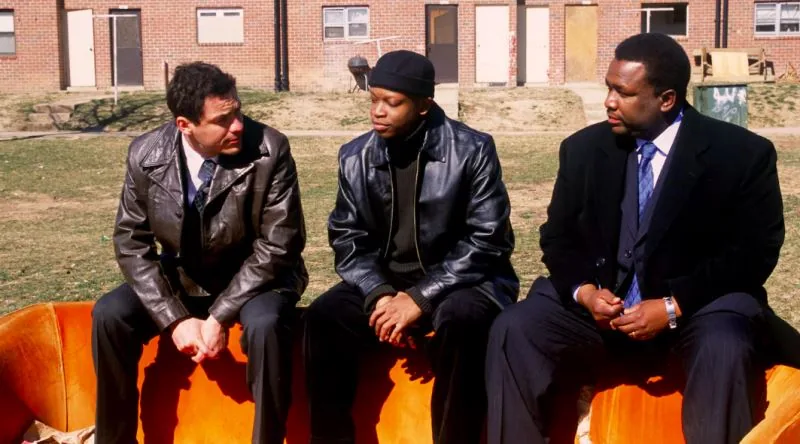
The Wire, the acclaimed HBO drama that ran from 2002 to 2008 in Baltimore, is a cult classic, but its sprawling cast, dense institutional focus, and refusal to explain itself make it a genuinely demanding watch. The show asks you to lean in, take notes, and trust the process, which is exactly why so many viewers bounce off it before the magic clicks. For those who push through, though, the reward is a television experience unlike any other, one that feels less like entertainment and more like a documentary of a city in decay.
The Wire is a demanding 2002 to 2008 HBO drama set in Baltimore that challenges viewers with a huge ensemble cast and dialogue that never over-explains. It requires patience and close attention, but the show rewards dedicated viewers with a layered, realistic portrait of urban institutions.
- The Wire premiered on HBO in 2002 and ran for five seasons until 2008, all set in Baltimore, Maryland.
- The show features an enormous ensemble cast with dozens of speaking roles, many of whom appear only in specific seasons or story arcs.
- Dialogue on The Wire is written to mimic real street and institutional speech, so characters rarely explain their jargon or context for the viewer.
- Each season focuses on a different Baltimore institution, including the drug trade, the docks, city hall, the school system, and the media.
- Season 4 famously introduces no new major characters, instead deepening the stories of existing figures, which can disorient viewers expecting fresh faces.
Why The Wire Demands More From You Than Other Shows
The Wire aired on HBO from 2002 to 2008, and it has become a cult classic for good reason. But let's be honest: it is not the kind of show you can half-watch while scrolling through your phone. It asks for your full attention, your patience, and your willingness to work for the payoff. Most contemporary series hand you everything on a plate. The Wire hands you a puzzle box and trusts you to figure it out.
That effort starts with the sheer number of characters. The show throws you into the streets of Baltimore and introduces a sprawling ensemble cast without apology. You will spend the first half of the season just trying to remember who is who. Just when you think you have the Barksdale crew figured out, season two hits you with an entirely new world: the longshoremen's union at the Baltimore docks, led by Frank Sobotka. It feels like starting over, and that is exactly the point.
Other shows would shrink a massive organization down to two or three easily digestible figures. Take Breaking Bad for comparison: the entire Los Pollos Hermanos operation effectively boils down to a handful of key players. You know who to root for and who to hate within a few episodes. The Wire refuses that shortcut. Instead, it feels like you are watching real institutions through a CCTV camera, observing people who exist whether or not you understand them yet. That realism makes the show harder to follow, but it also gives it an incredible depth that few series can match.
The difficulty does not stop at the cast list. The Wire almost never uses "as you know" dialogue. Characters do not explain their motivations to each other for the audience's benefit. Important plot points pass by in half-spoken sentences, and you are expected to infer what is driving each person. In The Sopranos, Tony's sessions with Dr. Melfi are often seen as a way for viewers to understand how a crime family operates. The Wire has no equivalent. You have to do that work yourself, reading between the lines of every conversation.
This is not a show to watch while drowsy after dinner. It demands engagement, and it rewards it with what many consider the finest storytelling television has ever produced. The challenge is part of the experience.
The Wire's Massive Cast: Learning Everyone Takes Half a Season
If you are just starting The Wire, the HBO drama that ran from 2002 to 2008, prepare to feel lost for a while. The show throws dozens of characters at you without much ceremony, and it is completely normal to reach episode six or seven before the names finally stick. You are not slow; the series simply expects more from its viewers than almost anything else on television.
The problem is not just that there are many faces to remember. It is that the show keeps adding new worlds on top of the old ones. You spend the first season carefully learning the Barksdale drug organization, its lieutenants, its street soldiers, and its rivals. Just when you think you have a handle on who is who, season two slams a longshoremen's union onto the screen. The International Brotherhood of Stevedores at the Baltimore docks becomes a central piece of the story, led by union leader Frank Sobotka, and suddenly you are meeting a whole new cast of weathered dockworkers, corrupt officials, and desperate families.
This constant expansion is deliberate. Most shows would shrink a large operation down to two or three memorable figures so the audience knows exactly who to root for and who to hate. The Wire refuses that shortcut. Instead of giving you a neat little package, it makes you feel like you are watching real institutions through a surveillance camera. You are dropped into the middle of the high-rises, the port, and later the school system, and you have to piece together the relationships yourself. The payoff is an incredible depth that few series have ever matched, but the cost is real effort on your part.
The show also avoids what fans call "as you know" dialogue. Characters rarely explain their motivations out loud for the audience's benefit. You have to infer why a detective pushes a case, why a dealer makes a certain move, or why a politician changes course. Only a handful of exchanges, like some between McNulty and Bunk or Carcetti and Norman, come close to spelling things out. Everywhere else, the silence is part of the storytelling.
The result is a series that rewards patience but punishes distraction. This is not a show to watch half-asleep after dinner. You need to lean in, rewind, and pay attention. The sprawling cast and the refusal to explain itself make The Wire harder to follow than just about any modern drama, but that same difficulty is exactly what makes it so rewarding.
Why Season 4 Feels Like a Payoff (Even If It's Not What You Think)
Ask any The Wire fan which season they love most, and a huge number will say season 4. The common explanation is that its critique of the Baltimore public school system hits closer to home than the drug war ever could. That reasoning makes sense on its face, but there's another angle worth considering, one that has nothing to do with classrooms or chalkboards.
The original author of this reflection offers a different theory. According to their reading, seasons 3 and 4 essentially function as one continuous season of storytelling. The events flow directly from one into the other, with the political and street-level threads from season 3 still very much alive when season 4 opens. That continuity is part of what makes the fourth season feel so immediately engaging.
There's a disputed claim buried in that interpretation, though. The author insists that season 4 introduces no new characters, which is why viewers can follow everything from the very first episode. That's not quite accurate. Season 4 actually brings in several significant new faces, most notably the four middle-school boys whose lives become central to the story. So while the sense of familiarity is real, it's not because the cast is entirely unchanged.
What does hold up is the broader point about viewer comfort. By the time season 4 begins, you've already spent three seasons inside this world. You know how the corners operate, you understand the rhythms of the police detail, and you've learned to read the faces of the politicians. That accumulated knowledge means you can drop into the school storyline without needing anyone to explain the rules of the game. You're not starting from zero, and that makes all the difference.
The Wire aired on HBO from 2002 to 2008, and its sprawling cast is legendary for a reason. Most shows would shrink a massive organization down to two or three recognizable figures to keep things manageable. The Wire refuses that shortcut. It asks you to hold dozens of characters in your head at once, and it trusts you to keep up. By season 4, that trust pays off. You've earned your place in the room, and the show knows it.
No "As You Know" Dialogue: The Wire Makes You Work for It
The Wire, which ran on HBO from 2002 to 2008, refuses to explain itself. Almost no character ever says "as you know" to fill in the audience, so viewers have to piece together motivations from silences, glances, and what remains unsaid.
Think about how most TV dramas operate. A detective briefs a partner on a case they both already know about, or a boss reminds an employee of company policy they live by daily. That's expository dialogue, and it exists so the viewer can catch up without effort. The Wire does the opposite. Detectives McNulty and Bunk share scenes where a single look or a half-finished sentence carries more weight than a paragraph of explanation would. The show trusts you to keep up, and that trust comes with a price: you have to stay alert.
There are a few exceptions. Some McNulty-Bunk exchanges, and certain conversations between Carcetti and his advisor Norman, slip into a more explanatory register. But these moments are rare enough that they stand out as almost jarring when they happen.
Compare that with The Sopranos, which aired on the same network and is often held up as the other great drama of that era. Tony Soprano's sessions with his therapist Dr. Jennifer Melfi are frequently described as a device to walk viewers through the mechanics of mob life. Melfi, like the audience, doesn't know how a crime family operates, so Tony's answers, even his lies, illuminate his reasoning. Similar dynamics play out in conversations between Tony and his nephew Christopher, and between Christopher and his fiancée Adriana. The common reading is that these dialogues exist partly to keep the audience oriented.
That interpretation is contested, mind you. Many critics argue those Sopranos scenes are primarily about character psychology and subtext, not exposition. But the contrast still holds in practice. The Sopranos gives you more handrails. The Wire hands you a map and expects you to navigate.
This refusal to spoon-feed is a big reason why The Wire demands more from its viewers. You cannot half-watch it after dinner and expect to follow along. Every scene asks you to read between the lines, to remember who said what three episodes ago, to connect dots that the show never connects for you. It's demanding, but that demand is exactly what makes it so rewarding. The show treats your attention as a serious investment, and it pays you back in depth.
Frequently asked questions
Why is The Wire considered hard to watch?
The Wire, which aired on HBO from 2002 to 2008, demands your full attention because it refuses to explain itself. The show drops you into Baltimore's institutions without hand-holding, and its sprawling cast means you will spend several episodes just figuring out who everyone is. There is no narrator, no convenient recap, and almost no dialogue where characters state what they already know. You have to lean in and do the work yourself.
How many characters are in The Wire?
The Wire has an enormous ensemble cast, so large that most viewers do not learn everyone's name until midway through the first season. Just when you think you have the Barksdale crew sorted out, season 2 introduces an entire longshoremen's union at the Baltimore docks, with union leader Frank Sobotka at the center. The show keeps adding layers, and each new setting brings a fresh web of faces, loyalties, and rivalries to track.
Why do people love The Wire season 4?
Season 4 is widely celebrated for its critique of the Baltimore public school system, which many viewers find easier to relate to than the drug trade. As the story goes, some fans argue that the education angle feels more universal than the street-level drug problem. But the original author of this account offers a different take: seasons 3 and 4 feel like one continuous season. Reportedly, no significant new characters enter in season 4, so by then you already know the players and can follow the events from the very first scene.
Does The Wire have as-you-know dialogue?
Almost none. The Wire famously avoids expository lines where characters explain things to each other for the audience's benefit. Instead, important topics get discussed only in fragments, and you are expected to infer character motivations from behavior, silence, and subtext. A few exchanges, like some between McNulty and Bunk or Rhonda and Cedric, come close to that style, but they are rare exceptions in a show that trusts you to connect the dots.
How does The Wire compare to Breaking Bad?
Breaking Bad shrinks large organizations down to a handful of memorable figures, reportedly reducing the Los Pollos Hermanos operation to a few key players like Gus Fring, Mike Ehrmantraut, Gale Boetticher, and Lydia Rodarte-Quayle. The Wire does the opposite. It shows institutions in their full, messy complexity, where no single person represents an entire system. You never get the comfort of knowing exactly who to root for or against, because the show insists on showing the whole picture.
Why is The Wire more realistic than other shows?
The Wire feels like watching through CCTV cameras, as if you are peering into the high-rises, the docks, and the schools without anyone acknowledging your presence. This observational style adds incredible depth but also makes the show harder to follow. There is no dramatic score telling you how to feel, no convenient villain monologue explaining motives. You are just watching real-feeling people navigate broken systems, and that rawness is what sets it apart.
Should I watch The Wire before other shows?
You should watch The Wire when you are fully awake and ready to engage. This is not a show to doze off to after dinner. It rewards active viewing, where you track names, faces, and plot threads across multiple seasons. If you give it that effort, many consider it the greatest television series ever made. But if you are looking for something to half-watch while scrolling your phone, this is not the show for you. Editorial note: Any facts which remain unconfirmed are presented as such, hedged appropriately in the text above.
Got a take on this? Add your voice to the conversation below →
No comments yet. Be the first.