Steven Spielberg's 1974 Jaws Interview: Broken Shark, Big Lessons
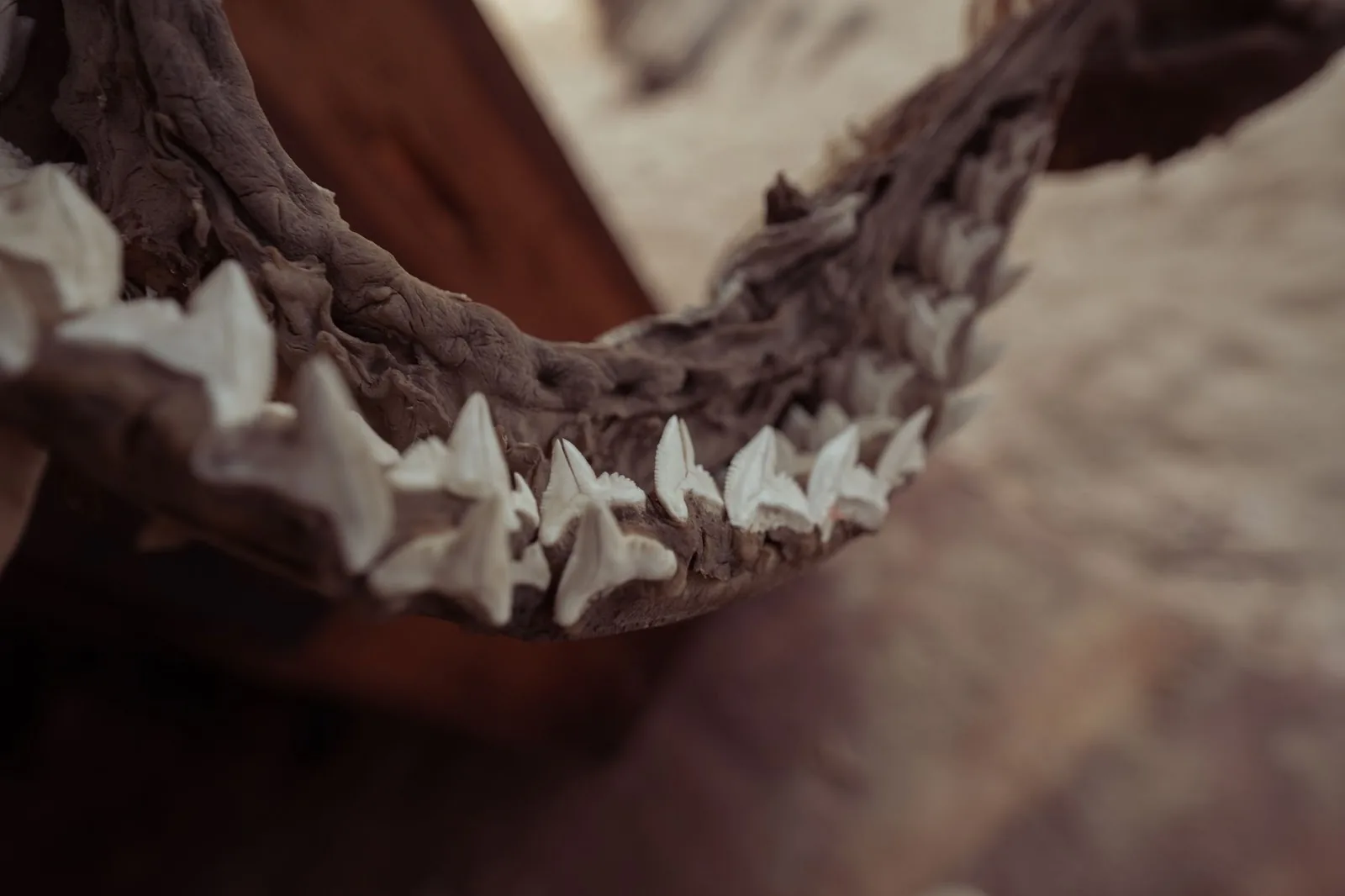
In a revealing interview given while filming Jaws, a young Steven Spielberg discusses how the mechanical shark's constant breakdowns forced a Hitchcockian approach to suspense. The candid conversation, held during the film's tumultuous production, finds the director grappling with a malfunctioning robot shark that repeatedly failed, leaving him to improvise a masterpiece. Spielberg's voice carries the excitement of a rising filmmaker alongside the weight of a high-stakes production.
In an interview during the production of Jaws, Steven Spielberg discussed the film's troubled shoot, where the mechanical shark's frequent breakdowns forced him to adopt a Hitchcockian style of implied terror. The young director also shared lessons on humility and the importance of balancing special effects with naturalistic acting.
- Spielberg was 28 years old and directing only his second major theatrical feature.
- The mechanical shark repeatedly malfunctioned, leading to a minimalist approach to showing the shark on screen.
- Spielberg credited the limitations with forcing him to learn suspense techniques from Alfred Hitchcock.
- The director admitted the production stress taught him humility and the need to trust his actors.
- The success of Jaws helped secure funding for Close Encounters of the Third Kind.
The Broken Monster That Made Movie History
During the production of Jaws, a 28-year-old Steven Spielberg watched his mechanical shark fail repeatedly. The robot shark's constant malfunctions forced him to rewrite the script on the fly, turning a technical disaster into a masterclass in suspense. What emerged from that stress was not just a blockbuster, but a lesson in humility that shaped the rest of his career.
The original plan was straightforward: build a mechanical great white shark, film it attacking swimmers, and wrap up on schedule. But the ocean had other ideas. Saltwater corroded the hydraulics. The rubber skin tore. The shark kept malfunctioning. Days turned into weeks as the crew bobbed on the waves, waiting for repairs. Spielberg later admitted he should have headed back to shore to shoot the beach scenes first. Instead, he stayed, watching his budget balloon and his actors grow restless.
That frustration became fuel. Without a working shark, Spielberg had to show less of the beast, relying on John Williams's two-note score and the audience's imagination. He shifted from a creature feature to something closer to Alfred Hitchcock's psychological tension. The result? Scenes like the Indianapolis speech and the barrel chase became iconic precisely because the monster stayed hidden. Most people today say the film is better for it.
Spielberg described the set as a pressure cooker: actors wondering when they'd see their families, crew members snapping at each other, and the director constantly asking, "When will the film be done?" His answer was always the same: "Ask Mother Nature. I don't know!" The delays weren't human error, they were the sea itself pushing back against his vision.
Yet out of that mess came clarity. Spielberg realized that filmmaking, at its core, is about human relationships. The technical failures forced him to focus on the actors, grounding the absurd premise of a giant shark in raw, natural performances. Roy Scheider, Robert Shaw, and Richard Dreyfuss didn't look like movie stars, they looked like real men on a boat, scared and stubborn. That authenticity made the shark's eventual appearance all the more terrifying.
The gamble paid off. Jaws became the highest-grossing film of its time, and its success gave Spielberg leverage to finally get Close Encounters of the Third Kind, a script he'd written years earlier, greenlit by the studio. But the real gift, he said, was humility. He learned that limitations aren't obstacles; they're invitations to be clever.
The Broken Shark That Forced a Hitchcockian Turn
The mechanical shark that was supposed to be the star of Jaws kept breaking down, and that failure pushed the film toward Alfred Hitchcock's suspense style. The robot sharks were plagued with saltwater corrosion, hydraulic leaks, and electrical failures from the moment they hit the Atlantic. The 28-year-old director found himself stranded on the water, watching his expensive animatronics sink instead of swim.
Spielberg later said this technical nightmare forced him to rewrite the script to show less of the shark. The original plan had been a monster movie where the great white would appear frequently and menacingly. But when the robot refused to cooperate, the director had to get creative. He started shooting from the shark's point of view, using the famous "dolly zoom" shot on the beach, and building tension through what you couldn't see. Many people believe the film became more powerful because the shark was hidden.
What felt like a disaster at the time became a masterclass in suspense. Spielberg realized that Hitchcock's technique, letting the audience's imagination do the work, was far scarier than any animatronic could be. The broken shark didn't ruin the movie; it reinvented it.
Jaws' Success Opened Doors, But Not All of Them
The massive box office success of Jaws did not just terrify beachgoers, it directly unlocked the funding for Steven Spielberg's next passion project, Close Encounters of the Third Kind, a film that no studio wanted to touch before the shark's triumph. That single concrete benefit, greenlit by a suddenly eager studio, remains the most tangible career door the film swung open for the then-28-year-old director. He explained that after Jaws became a phenomenon, everyone wanted a piece of his next idea.
Spielberg has also claimed that Jaws earned him final cut on every film he made afterward. However, records suggest this is not entirely accurate. He famously lost editorial battles on 1941 and even on E.T. the Extra-Terrestrial, where studio notes forced changes. So while the shark's success gave him immense leverage, the promise of total creative control turned out to be more of a hopeful narrative than a contractual reality.
The real lesson Spielberg says he took from the ordeal had nothing to do with power or money. It was, he reflects, a brutal education in humility and human relationships. Spending months on the water frayed everyone's nerves. Crew members and actors alike kept asking when they could go home, and Spielberg found himself answering, "Ask Mother Nature, I don't know!" The mechanical shark's constant breakdowns forced him to rewrite the script to show less of the predator, a constraint that made the film more suspenseful. More than any technical achievement, Jaws taught him that half his job was simply managing the people on set.
Naturalistic Acting vs. the Fake Shark
During the production of Jaws, director Steven Spielberg faced a bizarre paradox: the more the mechanical shark broke down, the more he demanded raw, natural performances from his actors to sell the absurdity of a giant fake predator. He knew that if the audience ever stopped believing in the people on screen, the whole illusion would collapse. So he pushed Roy Scheider, Richard Dreyfuss, and Robert Shaw toward a documentary-style realism that would anchor the fantastical.
Spielberg drew inspiration from Robert Altman's Nashville and M*A*S*H, two films that mastered overlapping dialogue and a half-documentary feel. He admired how Altman turned background chatter into an art form, making every scene feel like real life caught on camera. For Jaws, Spielberg didn't want that full Altman approach, he was building a bigger, more epic movie, but he needed the same kind of grounded truthfulness to balance the ridiculousness of a giant mechanical shark.
The director explained it simply: the fakier the shark looked, the more natural the acting had to be. He pushed his cast to deliver performances so authentic that viewers would forget they were watching a prop. Shaw's Quint, for instance, wasn't just a grizzled fisherman, he was a real hero whose death had to feel earned and visceral. For Quint's final scene, the crew used a large amount of raw chicken to simulate the bloody attack. "Sharks don't use toothpicks," Spielberg joked, but behind that humor was a serious commitment to tactile, messy reality.
Spielberg's Early Warning on CGI Overuse
Steven Spielberg, in a revealing interview during the production of Jaws, offered a surprisingly cautious take on digital effects, even as he helped pioneer them. He warned that CGI can become "a weapon that harms the user," a statement that carries weight coming from a filmmaker who had already produced Young Sherlock Holmes and directed Jurassic Park, two landmark films in computer-generated imagery. He acknowledged James Cameron's work on The Abyss and Terminator 2: Judgment Day as great examples of CGI done right. But Spielberg's concern was deeper: unlimited technological power, he argued, can kill creativity by removing the constraints that force inventive solutions.
Spielberg recalled that Jurassic Park had, in his memory, about 58 or 60 digital shots in total. What's clear is that he credited Stan Winston, the legendary special effects artist, for blending animatronic dinosaurs with digital effects. Winston's studio created the full-scale, practical dinosaurs that were then seamlessly combined with computer-generated imagery from Industrial Light & Magic. Spielberg noted that when he watches Jurassic Park, he can't even distinguish the CGI from the practical effects, a testament to that careful synthesis.
The director's point was subtle but sharp. When technology lets you put anything on screen, you risk losing the "fun part" of filmmaking: the problem-solving, the compromises, the creative friction. He admitted to falling into that trap himself. It's a strikingly self-aware reflection from a man who had just revolutionized cinema with Jaws, a film where technical failures, the mechanical shark constantly breaking down, forced him to rewrite the script and show less of the monster, ultimately making the film more suspenseful.
The Heroic Death of Quint and the Lesson in Humility
Quint's death in Jaws was not just a shocking scene, it was a deliberate act of storytelling by Steven Spielberg, who saw the gruff shark hunter as a true hero whose end had to feel earned and heroic. In the interview, Spielberg explained that Quint, played by Robert Shaw, was a man who lived by the sea and died by it, and that demanded a death that matched his mythic stature. The result was a visceral, unforgettable sequence that used raw chicken meat to simulate the bloody attack. As Spielberg bluntly put it, "Sharks don't use toothpicks." That practical, hands-on approach, born from the mechanical shark's constant failures, turned a technical limitation into one of cinema's most iconic moments.
But the weight of that scene carried a deeper lesson for the 28-year-old director. The entire Jaws production forced him to confront the messy realities of filmmaking: months of delays caused by the ocean, a malfunctioning robot shark, and a crew whose nerves frayed as they wondered when they'd return to their families. Spielberg reflected that the experience was unlike any other film because it was entirely about human relationships, with delays caused by nature, not people. "I kept asking, 'When will the film be done?' and I'd say, 'Ask Mother Nature, I don't know!'" he recalled. That humility, the recognition that failure and limitation can forge a deeper connection with an audience, became the core lesson he carried forward.
Some details from the original interview remain unconfirmed, and Spielberg's recollections have evolved over the decades.
By Staff Writer
Got a take on this? Add your voice to the conversation below →
No comments yet. Be the first.