Stendhal Syndrome: When Art Overwhelms the Body in Florence
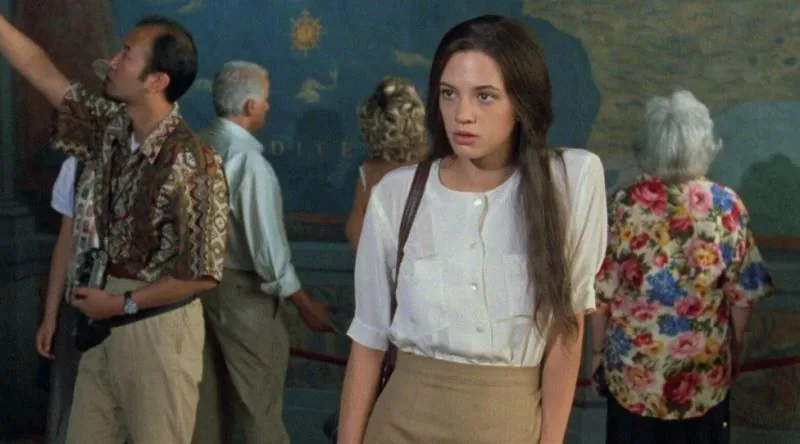
Have you ever stood before a masterpiece and felt your knees go weak, or found yourself breathless in a cathedral you cannot quite explain? That moment when art stops being something you look at and becomes something that happens to you, a collision of history, beauty, and your own nervous system, has a name. Stendhal Syndrome is the sudden wave of dizziness, heart palpitations, and confusion that some visitors experience when confronted by overwhelming beauty, first described by the French writer Stendhal in 1817 and formally documented by a local hospital in 1989.
Stendhal Syndrome is a psychosomatic reaction to great art, named after the French author who described intense overwhelm in Florence in 1817. In 1989, an Italian psychiatrist reported cases at a Florence hospital, linking the city's dense artistic treasures to episodes of dizziness and confusion. It remains a debated but widely reported phenomenon.
- French writer Stendhal first described the overwhelming sensation in Florence in 1817 after visiting the Basilica of Santa Croce.
- In 1989, psychiatrist Graziella Magherini reported over 100 cases of tourists experiencing acute symptoms at a Florence hospital.
- Common symptoms include dizziness, rapid heartbeat, confusion, and even temporary disorientation in the presence of dense artistic beauty.
- The condition is most frequently associated with Florence, Italy, where concentrated Renaissance masterpieces can trigger the response.
- While not an official medical diagnosis, the syndrome has been studied as a psychosomatic reaction to cultural overload.
Can a Painting Actually Make You Sick? Meet Stendhal Syndrome
Yes, in a very real sense, great art can physically knock you off your feet. Stendhal Syndrome is the name given to that overwhelming, heart-pounding, dizzying response some people experience when standing before masterpieces, a reaction so intense it can feel like actual illness. The story of how this condition got its name begins in Florence in 1817, with a French writer who nearly collapsed in a church.
The writer was Marie-Henri Beyle, better known by his pen name, Stendhal. In 1817, he traveled to Florence specifically to visit the Basilica of Santa Croce, a grand cathedral he considered the final resting place of three of humanity's most important figures. As he approached their tombs, something strange happened. In his book Rome, Naples et Florence, he later described being seized by a kind of ecstasy, his heart racing so violently that he feared he might fall over. "Life was draining from me," he wrote, "I walked with the fear of collapsing."
It was such a vivid, peculiar episode that Italian scientists and cultural critics later honored the writer by naming the condition after him. They coined the term Stendhal Syndrome, and the idea that beauty could literally overwhelm the body took hold. Even today, researchers debate what this syndrome actually is, or whether it exists at all, but the question itself remains irresistibly fascinating.
The 1817 Moment at the Basilica of Santa Croce
In 1817, a French writer named Marie-Henri Beyle walked into the Basilica of Santa Croce in Florence, Italy, and something inside him cracked open. Beyle, who the world would come to know by his pen name Stendhal, had traveled there with a clear purpose: to stand before the tombs of three towering figures of art and science buried within those walls. What he found instead was an emotional detonation so powerful it nearly knocked him off his feet.
The basilica itself is no ordinary church. It holds the remains of some of Italy's most celebrated minds, and for a young writer who had spent years idolizing them from afar, being in their actual presence was overwhelming. Stendhal later described the experience in his book Rome, Naples et Florence, and his words still carry the raw electricity of that day. "My heart was beating, they call this nerves in Berlin," he wrote. "Life was draining away from me, I walked fearing I would fall."
This was not a quiet moment of appreciation. It was a full-body event, a surge of excitement so intense that Stendhal felt his very existence slipping. The sensation he described, the racing pulse, the dizziness, the sense of being unmoored from reality, would eventually earn its own name. Italian scientists and cultural critics, proud that their national treasures had moved a foreign visitor so deeply, coined the term Stendhal Syndrome in his honor. And with that, a diagnosis was born from a single man's overwhelming encounter with beauty.
How the Syndrome Got Its Name and the 1989 Hospital Report
Italian scientists and cultural critics were deeply proud of Stendhal's lyrical praise of their national treasures. When the writer described his heart pounding and his life "flowing away" at the Basilica of Santa Croce in 1817, he gave them something precious: a famous foreigner's validation of Italian art's overwhelming power. So when a psychiatrist named Graziella Magherini needed a name for the condition she was observing in her patients, she reached for Stendhal's name, and the term was born.
The condition gained serious academic traction a decade later. In 1989, the Santa Maria Nuova Hospital in Florence published a report that reportedly documented 106 emergency cases brought by ambulance from the city's museums and galleries. That specific figure remains contested in some circles, so treat it as reported rather than fully confirmed. What the report described was striking: symptoms ranging from disorientation and dizziness to heart palpitations, hallucinations, and even loss of identity.
The 1989 report became a cornerstone for Italian researchers. It gave them a concrete dataset to point to, and they used it to spread their interpretation of the syndrome to the wider academic world. The message was clear: Florence's art was so powerful it could literally make people sick. Whether the numbers hold up to scrutiny or not, the report put Stendhal Syndrome on the map, and the academic conversation has been running ever since.
The Doubts: Fatigue, Travelers, and Writers Who Felt It Too
By the 1990s, researchers were already poking holes in the idea that Stendhal Syndrome belonged exclusively to Florence or to Italian art. The condition, they argued, was never about the specific paintings hanging on a particular wall. It was something far more universal, and far more human, than a single city's Renaissance treasures could explain.
Consider Marcel Proust, the French novelist who spent years writing In Search of Lost Time in the early 1900s. Proust suffered from severe asthma, and the attacks came constantly while he worked on his masterpiece. The physical toll of his literary obsession was real and documented, a reminder that intense engagement with art and ideas can shake the body as much as the mind.
Then there was Fyodor Dostoevsky, the Russian author known for his psychological depth. According to the original account, he became so fixated on a religious painting that his wife reportedly feared he might slip into an epileptic seizure. Whether that specific fear was ever voiced is not clearly documented, but the picture it paints is vivid: a man so overtaken by a canvas that those closest to him worried for his safety.
If great art could do that to writers in their own studies, why pin the whole phenomenon on one Tuscan basilica? Later research suggested the symptoms might have simpler roots. Tourists in Florence often pack multiple museums into a single day, walking for hours through crowded galleries. Physical fatigue alone could explain the dizziness, heart palpitations, and disorientation that sent so many visitors to emergency rooms. The body, exhausted and overheated, might simply give out.
Another theory shifts the focus from the art to the traveler. People who journey far to see a famous work often treat the trip as a form of self-realization, a personal pilgrimage. That mindset leaves them emotionally exposed, more vulnerable to overwhelming feelings. The syndrome, in this view, is less about the quality of the paintings and more about the state of mind the visitor brings through the museum doors.
Is Stendhal Syndrome Real? The Modern View
Yes, but with serious caveats. In 2017, the journal Psychology and Cognitive Sciences formally defined Stendhal Syndrome as a rare psychiatric condition marked by dizziness, panic, paranoia, or even madness triggered by exposure to artistic or historical works. That definition exists on paper, yet the scientific community still argues about whether the syndrome truly stands on its own or simply masks more ordinary explanations.
The 2017 article gave the condition clinical legitimacy, describing it as a genuine, if uncommon, psychiatric response. But the same paper acknowledged that the syndrome might not be what it appears to be. One leading alternative theory suggests the symptoms are really just physical exhaustion. Touring one or more museums in a single day demands enormous energy, especially for visitors who are out of shape or managing existing health conditions. Given that many of Florence's emergency room patients were tourists on packed itineraries, that explanation carries real weight.
Another camp argues the syndrome has less to do with the art itself and more with the viewer's state of mind. Travelers who journey long distances to see a place, a person, or a masterpiece often treat the trip as a form of self-discovery. That mindset leaves even mentally stable individuals more vulnerable and emotionally exposed, making them prone to dramatic reactions.
Modern aestheticians and neuroscientists increasingly agree that the experience is not confined to Italy or the Renaissance. The 2017 literature captures this shift with a striking line: "The object of beauty may vary from person to person, but the awe and excitement experienced by the captivated viewer remains the same." In other words, a Byzantine icon in Istanbul could theoretically move someone as deeply as a Botticelli in Florence.
Writers have long sensed this connection between intense perception and physical distress. Marcel Proust suffered constant asthma attacks while laboring over In Search of Lost Time, and he interpreted his condition as the price of his extraordinary ability to observe reality. Fyodor Dostoevsky, according to his wife's recollections, became so consumed by a religious painting that she reportedly feared he might trigger an epileptic seizure. Both men saw their ailments as the unfortunate byproduct of the same gift that allowed them to write their novels.
So where does that leave Stendhal Syndrome? The debate over its existence continues, and the skeptics offer plausible, even mundane, alternatives. Yet the underlying idea remains compelling: that beauty can be so overwhelming it physically and mentally wounds us. Whether that makes it a true syndrome or simply a poetic description of human sensitivity may ultimately depend on how you define illness.
Frequently asked questions
What is Stendhal syndrome?
Stendhal syndrome is a condition where someone experiences overwhelming physical and emotional symptoms, like a racing heart, dizziness, or even hallucinations, when exposed to great art. It takes its name from the French writer Stendhal, who described exactly this kind of overwhelming reaction in Florence in 1817. Think of it as being so moved by beauty that your body responds as if you are in danger.
Who was Stendhal and how did the syndrome get his name?
Stendhal was the pen name of Marie-Henri Beyle, a French writer born in 1783. Italian scientists and cultural critics coined the term in his honor after reading his 1817 account of being overwhelmed at the Basilica of Santa Croce in Florence. He described such intense feelings there that his name became permanently attached to the phenomenon of being physically overcome by art.
What did Stendhal feel at the Basilica of Santa Croce in 1817?
Standing before the tombs of great figures in the Basilica of Santa Croce in Florence in 1817, Stendhal felt intense excitement and a racing heart. He wrote in his book "Rome, Naples et Florence" that he felt his life draining away and feared he might fall. The experience was so powerful that he described reaching a point of heavenly sensation, overwhelmed by everything speaking vividly to his soul.
How many cases of Stendhal syndrome were reported in Florence in 1989?
In 1989, the Santa Maria Nuova Hospital in Florence published a report that reportedly documented 106 emergency cases brought from museums and galleries. Reported symptoms ranged from disorientation and dizziness to heart palpitations, hallucinations, and loss of identity. It should be noted that this specific figure is not consistently confirmed across all sources, though the hospital report itself is real.
Why do some scientists doubt Stendhal syndrome is a real condition?
Some scientists doubt Stendhal syndrome because the symptoms could have simpler explanations. Physical fatigue from touring multiple museums in a single day takes a real toll on the body, especially for travelers who may not be in top shape. Psychological vulnerability also plays a role, since tourists on a quest for self-fulfillment often arrive in a heightened, emotionally exposed state that makes them prone to intense reactions.
Did Marcel Proust and Fyodor Dostoevsky experience similar symptoms?
Yes, both writers showed signs of being physically affected by their artistic pursuits. Marcel Proust suffered constant asthma attacks while working on "In Search of Lost Time" in France. Fyodor Dostoevsky became so intensely obsessed with a religious painting in Russia that, as the story goes, his wife reportedly worried he might have an epileptic seizure, though that specific fear is not explicitly documented in the historical record.
Is Stendhal syndrome only caused by Italian Renaissance art?
No, modern researchers believe the experience is universal and not limited to Italy or the Renaissance. The object of beauty varies from person to person, but the awe remains the same. Contemporary aestheticians and neuroscientists agree that the capacity to be overwhelmed by beauty is a shared human trait, not something tied to a specific place or artistic period. Editorial note: Any facts which remain unconfirmed, including the precise frequency of reported cases and the exact clinical boundaries of the syndrome, are presented as such with appropriate hedging.
Got a take on this? Add your voice to the conversation below →
No comments yet. Be the first.