Severus Snape Bullying: Did James and Sirius Create a Villain?
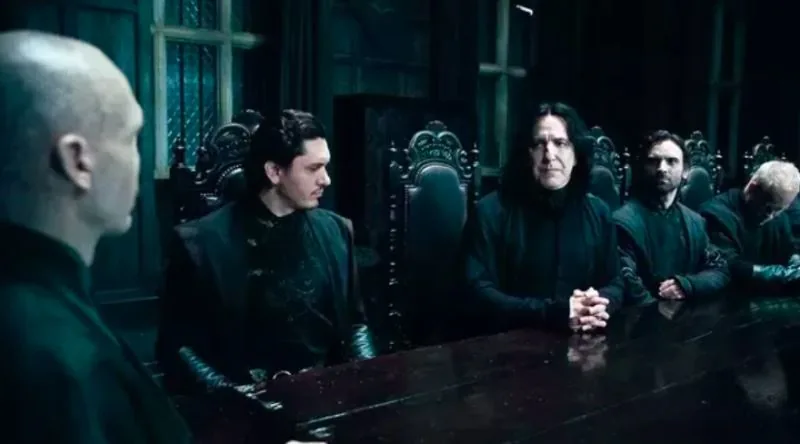
The relentless bullying Severus Snape endured from James Potter and Sirius Black at Hogwarts in the 1970s is a central, tragic thread in the Harry Potter saga, showing how cruelty can shape a villain. This campaign of humiliation pushed a lonely, vulnerable boy further toward the Dark Arts and the Death Eaters, setting the stage for decades of pain, unrequited love, and eventual redemption. It is a story that forces readers to ask whether the heroes of the Marauder era were truly heroic, and whether their actions helped create the very enemy they later fought.
During their time at Hogwarts in the 1970s, James Potter and Sirius Black systematically tormented Severus Snape, a Slytherin student. This sustained cruelty alienated Snape from the wizarding world and contributed to his decision to join the Death Eaters, a choice with devastating consequences.
- In the 1970s at Hogwarts, James Potter and Sirius Black routinely targeted and humiliated Severus Snape.
- The most infamous incident, known as "Snape's Worst Memory," shows the pair humiliating Snape in front of a crowd.
- Snape's deep friendship with Lily Evans was fractured by his interest in the Dark Arts.
- Snape's subsequent allegiance to Voldemort and his later role as a double agent for Dumbledore were heavily influenced by his experiences at Hogwarts and his lifelong love for Lily.
The Unlikely Villain: Was Severus Snape Bullying a Push Toward the Dark?
Was the bullying of Severus Snape the reason he became a Death Eater? The answer is complicated, but the evidence points to James Potter and Sirius Black playing a major role in his downfall. These two popular Gryffindors tormented Snape throughout their shared years at Hogwarts, and that cruelty may have set him on a path toward Lord Voldemort.
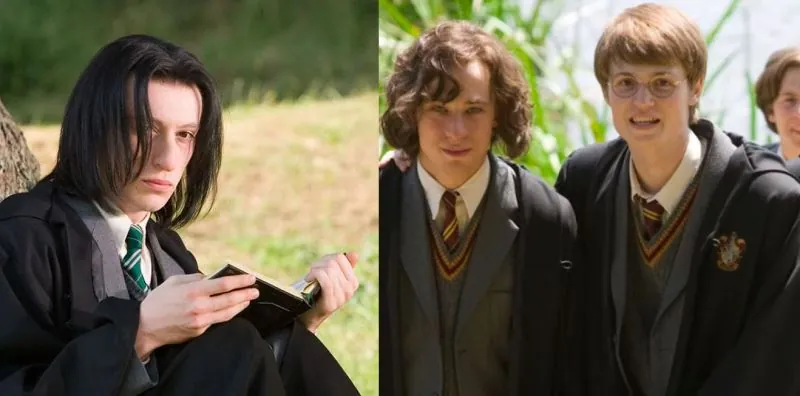
Here is the uncomfortable truth that many fans overlook: James Potter and Sirius Black were not innocent heroes in every chapter of their youth. They were bullies. And their favorite target was a quiet, awkward Slytherin boy named Severus Snape. The books make this painfully clear, especially in the memory Harry witnesses in Order of the Phoenix, where James and Sirius humiliate Snape in front of a crowd. They hoist him into the air and mock him while Lily Evans, the girl Snape secretly loved, watches in horror.
James, Sirius, Lily, and Severus all attended Hogwarts together in the same era. James and Sirius were Gryffindors, popular and confident. Snape was a Slytherin, poor, socially awkward, and already drawn to the darker corners of magic. The relentless mockery he endured from James and Sirius was not casual teasing. It was targeted, cruel, and constant. According to the original account, the torment reached such a level that Snape, feeling helpless and humiliated, began to believe that the only way to fight back was to become powerful through the Dark Arts.
That belief did not form in a vacuum. It grew in the space created by humiliation. The bullying of Severus Snape was not a schoolyard rumor; it was a documented pattern of abuse that shaped a lonely boy's worldview. When you are constantly told you are worthless, and the people doing the telling are celebrated by everyone around you, you start to look for power anywhere you can find it.
Snape's Worst Memory: The Bullying That Defined Him
Imagine being cornered in a hallway, day after day, with nowhere to go. That was life for Severus Snape during his years at Hogwarts School of Witchcraft and Wizardry in the 1970s. James Potter and Sirius Black, two Gryffindor students who would later be celebrated as heroes, made it their mission to humiliate the quiet Slytherin boy at every opportunity.
The books paint a brutal picture. In what fans now call "Snape's Worst Memory," a scene from the fifth Harry Potter novel, readers watch through the Pensieve as a teenage James attacks Snape out of nowhere. He hits him with a spell that makes Snape's mouth fill with soap bubbles, then hoists him into the air while a crowd gathers to laugh. Sirius stands by, cheering his friend on, while Lily Evans, the girl Snape secretly loved, looks on in horror and tries to stop it.
That moment was not an isolated incident. The pattern repeated itself constantly. James and Sirius mocked Snape's appearance, his shabby clothes, his interest in the Dark Arts. They stripped away whatever dignity a young outcast might have clung to. Snape, small and pale and friendless except for Lily, had no defense against two popular boys who seemed to own the castle.
Something happens to a person when they feel completely powerless. According to the original account, Snape reached a breaking point where he decided that the only way to fight back was to become stronger than his tormentors. He began to believe that the Dark Arts offered him that strength, a path to revenge that would finally make James and Sirius pay.
It is worth noting that the books never explicitly state that bullying caused Snape to join Lord Voldemort's Death Eaters. That connection is an inference, a plausible reading of his background rather than a confirmed fact. But the timeline is telling. The relentless bullying Snape endured at Hogwarts coincided with his growing fascination with dark magic, and by the time he left school, he had already aligned himself with the most dangerous wizard of the age.
The tragedy is that nobody stepped in. The teachers either did not see it or chose not to. Lily eventually stopped speaking to him after he called her a slur, leaving Snape completely isolated. And so the boy who might have found another way instead found the Death Eaters, a group that promised him the power and belonging he could never get at Hogwarts.
From Victim to Death Eater: Why Snape Joined Voldemort
Severus Snape's path to becoming a Death Eater started with a simple, painful thought: "I must be strong to take revenge." That thought, born from years of torment at Hogwarts, led him straight into the arms of Lord Voldemort. The bullying he endured from James Potter and Sirius Black is well documented in the books, but whether it actually caused his turn to the Dark Arts is something many fans believe, though the story never quite says it outright.
James and Sirius were Gryffindor golden boys. Snape was a Slytherin outsider with a passion for the Dark Arts and an unrequited love for Lily Evans, who would eventually become Harry Potter's mother. The two marauders mocked him, humiliated him, and their cruelty reached such a level that young Snape saw only one way out. He convinced himself that power was the answer, and the darkest power available in the wizarding world belonged to Lord Voldemort.
So he joined the Death Eaters. That much is certain. He took the Dark Mark and served Voldemort faithfully, even overhearing a prophecy that would seal the fate of the Potter family. Some versions of the tale suggest Snape asked Voldemort to spare Lily and that his request was accepted. But the truth is darker. When Voldemort arrived at Godric's Hollow, he killed James Potter directly. He then told Lily to step aside, but she refused to move, and he killed her too. Voldemort did not keep any promise to spare her, despite what some versions of the tale suggest.
Here is where the story gets complicated. Some tellings claim that even before Lily's death, Snape realized he was on the wrong side and switched to spy for the Order of the Phoenix. But the books themselves show something different. Snape only turned after Lily died, when the full weight of his choices crushed him. The grief and guilt of causing her death, however indirect, became the turning point that sent him back to Dumbledore.
Many fans point to the bullying of Severus Snape as the root of everything. If James and Sirius had not tormented him, the reasoning goes, he might never have sought power through Voldemort. He might not have delivered the prophecy. Lily, James, and Sirius might all have lived. It is a compelling counterfactual, but it remains speculation. What is certain is that a bullied boy made a terrible choice, and that choice cost him everything he ever loved.
The Prophecy, Lily's Death, and the Point of No Return
In 1980, Severus Snape overheard a prophecy that would seal the fate of the Potter family, and he carried that information straight to Lord Voldemort. It was the single most destructive act of his life, one he would spend every remaining year trying to undo. The Dark Lord acted on the prophecy swiftly, and nothing Snape could say or do would change what happened next.
Snape did beg for Lily's life. He asked Voldemort to spare her, and by some accounts, the request was even accepted. But when Voldemort arrived at the Potters' home in Godric's Hollow, words meant nothing. He killed James Potter directly, no hesitation, no negotiation. Then came Lily's turn, and Voldemort told her to step aside. She refused. She stood between him and her infant son, and she died for it.
That night in 1981 shattered Snape completely. The grief was absolute, and it rewired everything inside him. Whatever lingering pull the Death Eaters had on him died in that house. He dedicated himself to one purpose afterward: protecting Harry Potter, the boy who lived, the boy with his mother's eyes.
The story as told suggests Snape had already begun doubting Voldemort's cause before Lily's death, and some versions claim he switched sides even earlier. The memories shown to Harry tell a different story. The defection came after, born from guilt and heartbreak, not before. Dumbledore asked Snape to protect Harry, and Snape agreed, though he reportedly called the headmaster's plan cowardly in return. None of that mattered in the end. Lily was gone, and Snape would carry that weight until his own death.
Could It Have Been Different? The Counterfactual
Here is the uncomfortable question at the heart of the whole saga: what if James Potter and Sirius Black had simply left Severus Snape alone? Some fans speculate that without their relentless bullying during their Hogwarts years, Snape might never have sought power through the Dark Arts, might never have joined Lord Voldemort's Death Eaters, and might never have overheard and delivered the prophecy that sent Voldemort after the Potters in the first place.
It is a haunting chain of cause and effect. James and Sirius, remembered by many as the brave, noble heroes of the First Wizarding War, were also the boys who mocked and humiliated a lonely Slytherin student. The argument goes that this torment pushed Snape toward the only path he thought offered revenge: the service of the Dark Lord. And once he was on that path, he became the instrument that carried the prophecy to Voldemort, setting in motion the night in Godric's Hollow when Voldemort killed James directly, then killed Lily when she refused to step aside.
The speculation goes even further. What if Snape, not Peter Pettigrew, had been chosen as the Secret Keeper? Some wonder whether a Snape who had never been pushed toward the Death Eaters might have stood openly with the Order of the Phoenix, trusted enough to guard the Potters' location. In that version of events, there would have been no betrayal, no hidden traitor handing the Potters to Voldemort. Lily, James, and Sirius might all have survived.
It is a provocative thought for any fan of the series: the so-called good characters helped create the villain who haunted them. The bullying that James and Sirius inflicted in the corridors of Hogwarts did not just bruise a boy's pride. According to this reading, it helped forge a Death Eater, helped deliver a prophecy, and helped seal the fate of the woman Snape loved. Some even argue that Dumbledore's cold bargaining, demanding Snape protect Harry in exchange for something, pales next to the damage done by those schoolyard cruelties.
And yet, the story bends back on itself in the most painful way. Snape, the boy who was tormented, the man who switched sides too late to save Lily, spent his final years shielding her son. Harry Potter was the living reminder of everything Snape had lost, the child of his bully and his lost love. When Snape died protecting Harry, he was still chasing the ghost of the choice that bullying helped force upon him. The counterfactual lingers: if James and Sirius had shown mercy, would any of it have happened at all?
Frequently asked questions
What role did bullying play in Snape's decision to join the Death Eaters?
The story suggests that the constant harassment from James Potter and Sirius Black pushed Snape toward the Dark Arts as a means of gaining power and revenge. However, the Harry Potter books never explicitly state that bullying was the reason he joined Lord Voldemort's ranks. It remains a plausible inference rather than a confirmed fact, since Snape's difficult home life and ambition also likely played parts.
How did James and Sirius treat Snape at Hogwarts?
James Potter and Sirius Black relentlessly mocked and humiliated Severus Snape throughout their shared years at Hogwarts School of Witchcraft and Wizardry. The most infamous incident, known as "Snape's Worst Memory," shows James using the Levicorpus spell to suspend Snape in the air while Sirius encouraged the humiliation. Their cruelty escalated to the point where Snape felt powerless and began seeking ways to fight back.
Why did Snape ask Voldemort to spare Lily?
Snape asked Lord Voldemort to spare Lily Potter because he had loved her since childhood, an unrequited love that never faded. He made this request before Voldemort attacked the Potters, hoping his service would buy her safety. Contrary to what some fans believe, Voldemort did not agree to spare her. When Lily refused to step aside during the attack in 1981, Voldemort killed her along with her husband James.
Did Snape regret joining the Death Eaters before Lily's death?
Some versions of the story claim Snape had already switched sides and joined the Order of the Phoenix before Lily died, but this timeline is debated among fans. What the books actually show is that Snape defected to Dumbledore's side only after Lily's murder, when he approached Albus Dumbledore seeking protection for her son Harry. The story suggests he may have had doubts earlier, but the evidence for that remains thin and contested. Editorial note: Any facts which remain unconfirmed are presented as such (hedged).
Got a take on this? Add your voice to the conversation below →
No comments yet. Be the first.