Opeth Damnation: The 2003 Album Everyone Can Love
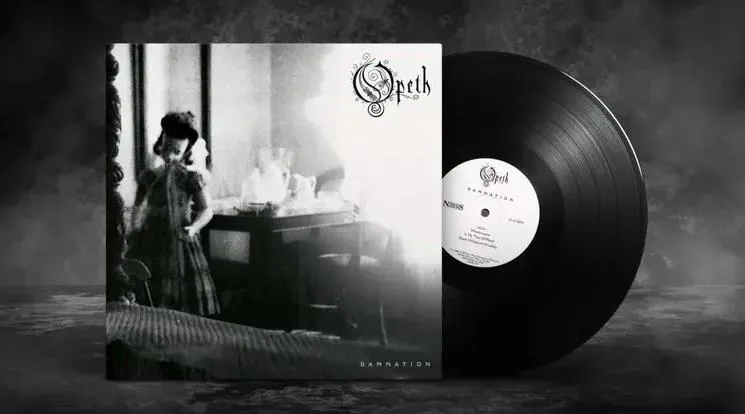
The Opeth Damnation album review reveals a 2003 masterpiece that strips away death metal growls for a haunting, melodic journey, proving the Swedish band's genius transcends genre boundaries. Recorded in Stockholm with producer Steven Wilson, this quiet, melancholic record became an unlikely emotional anchor for fans who never thought they'd love a metal band, offering pure, aching beauty that still resonates deeply today.
Opeth released Damnation in 2003, a stark departure from their usual progressive death metal sound. It is a mellow, atmospheric rock album filled with clean vocals and gentle melodies. The record was recorded in Stockholm with producer Steven Wilson and is widely considered a timeless, emotionally powerful work that appeals well beyond the metal audience.
- Opeth recorded Damnation in 2002 at Nacksving Studios in Stockholm, Sweden, with producer Steven Wilson.
- The album was released in April 2003, serving as a quieter companion piece to the heavier album Deliverance.
- Damnation features no death metal growls, relying entirely on clean singing and a progressive rock aesthetic.
- The track "Windowpane" became a standout single, showcasing the band's melodic depth and emotional restraint.
- Despite its simplicity, the album is celebrated for its profound emotional impact and has become a gateway for new listeners.
The Opeth Album That Even Non-Metal Fans Can Love
Opeth's 2003 album Damnation is the rare record that bridges worlds. Released on April 22, 2003, by Music for Nations, this Swedish progressive metal band's seventh studio album dropped the death growls entirely, swapping them for clean vocals and melancholic melodies that anyone can sink into. It is, quite simply, an Opeth Damnation album review that writes itself: a masterpiece that even your friend who only plays arabesque music on repeat could genuinely love.
After 25 years of cycling through death, black, and thrash metal, something shifts in a listener. The brutal vocals and guttural screams that once felt vital start to feel like noise. You want to rest your head. Opeth's frontman and primary songwriter, Mikael Åkerfeldt, clearly felt that pull too, and Damnation is where the band turned toward calm. The album flows like water, starting with the gentle opening track "Windowpane" and carrying you through without a single moment of boredom. You barely notice it ending.
Producer Steven Wilson, who worked with Opeth on Blackwater Park and Deliverance before this record, helped push the group toward a more universal sound. Some fans complained that Åkerfeldt no longer roared, but that criticism misses the point. The band reportedly moved into a more progressive, rich, and innovative territory with later albums like Pale Communion, Heritage, and Sorceress; yet none of those touch the heart quite like Damnation does. This record feels like medicine on an exhausting Saturday, a quiet companion for overcast days when you want peace with just a pinch of darkness.
Why Damnation Hits Harder Than Pale Communion, Heritage, and Sorceress
Here's the thing about Opeth's 2003 masterpiece Damnation: it doesn't try to impress you with complexity, yet it leaves a deeper mark than the albums that arguably should. Pale Communion, Heritage, and Sorceress are, by most reasonable measures, far more progressive, richer, more innovative, and more daring than Damnation. That's not really up for debate. What is up for debate, though, is which one actually touches your heart.
Damnation wins that contest every single time, and it's not particularly close.
There's a strange magic in how the album simply flows. It starts, it moves, it ends, and you barely notice the transition because the music has already carried you somewhere else entirely. The record works on anyone, regardless of their usual taste. Play the opening track "Windowpane" for someone who mostly listens to arabesk, and watch them nod along, genuinely impressed. That's not a trick many metal-adjacent records can pull off.
Some fans have called Damnation a commercial sell-out, a cynical pivot toward accessibility. That accusation has always felt wrong. A band as sincere and as deeply skilled as Opeth doesn't approach music that way, and if this were truly a calculated commercial product, it wouldn't cut this deep. The proof is in how the album lands: pure peace and stillness, with just a hint of melancholy underneath. That's not a formula. That's honesty.
Part of the shift traces back to producer Steven Wilson, whose influence helped steer the band toward a more universal sound. Mikael Åkerfeldt, Opeth's vocalist and primary songwriter, has never been one to chase trends, and the "he doesn't growl anymore" complaints miss the point entirely. This quieter, more patient version of the band is one many listeners actually enjoy more, and it all starts here, with this singular, flowing record.
Steven Wilson's Push Toward a More Universal Sound
Steven Wilson, the British producer and Porcupine Tree frontman, sat behind the mixing board for three consecutive Opeth albums, Blackwater Park, Deliverance, and Damnation, and his fingerprints are all over the band's evolution. His production work helped steer Mikael Åkerfeldt's group away from pure death metal territory and toward something far more expansive. The shift didn't happen overnight, but by the time Damnation landed in 2003, the transformation was unmistakable.
You still hear the old complaints from longtime fans: "Opeth sold out," or "Åkerfeldt doesn't growl anymore." That criticism misses the point entirely. Åkerfeldt, who serves as Opeth's lead vocalist, guitarist, and primary songwriter, didn't abandon his roots, he expanded them. And Wilson's influence played a real role in that broadening. The producer reportedly encouraged the band to lean into their melodic instincts, to trust that quieter passages could hit just as hard as blast beats. The result was an album that anyone could love, regardless of whether they'd ever touched a death metal record.
For what it's worth, the author of the original piece admits to enjoying this newer incarnation of Opeth even more than the old one. That's a bold confession for someone who spent 25 years immersed in death, black, and thrash metal. But it also makes sense. There's a sincerity in this era that feels less like a commercial calculation and more like genuine artistic growth. If Damnation had been engineered purely for sales, it wouldn't have the emotional weight that keeps pulling listeners back.
Listening to Damnation on a Tiring Saturday: 'It Felt Like Medicine'
One fan tells a story that starts on a Saturday, that peculiar stretch of weekend where the day begins with energy and slowly drains into exhaustion. By evening, they came home with a head full of noise, too worn out for anything loud or aggressive. That is when they pressed play on Opeth's Damnation, the 2003 album that trades the band's usual growls for clean singing and slow, breathing arrangements. The relief was immediate. "It felt like medicine," they wrote, the music washing over a brain that had hit its limit.
The fan describes it as the opposite of chaos. After a day of intensity, the last thing you want is more volume, more screaming, more demands on your attention. What you want is to watch someone who is completely lost in their instrument, the way a lone musician in a smoky bar can disappear into a song while the crowd talks over them. That is the feeling Damnation delivers. The music carries soul, love, and a heartbeat. It does not perform for you; it simply exists, and you are invited to sit inside it.
Here is the advice that fan passes along: try listening to Damnation this way, on a tired evening, with nothing else competing for your attention. Let the opening track "Windowpane" unfold without expectation. The difference, they promise, is something you will feel in your chest before you even think about it. It is not about analyzing the progressive shifts or comparing it to Opeth's heavier catalog. It is about letting the album do what it was made to do, settle a restless mind and remind you what calm sounds like.
The Final Verdict: Damnation Flows Like Water
Opeth's Damnation, released on April 22, 2003, is the rare record that starts, flows, and finishes without a single dull moment. The music simply picks you up and carries you along, and before you notice, the last notes have faded. It feels less like listening and more like being swept downstream.
This is the album for a long journey, especially when the sky hangs low and overcast. Dark, heavy weather somehow unlocks something deeper in these songs. The experience intensifies when the world outside the window matches the mood inside the speakers.
The feelings it stirs are deceptively simple: immense peace and tranquility, with just a touch of melancholy woven through. The opening track, "Windowpane," sets that tone immediately. Mikael Åkerfeldt, Opeth's vocalist and primary songwriter, trades his signature growls for clean, aching melodies here, and the shift feels natural rather than forced.
Producer Steven Wilson, who worked with the band on Blackwater Park and Deliverance before this record, helped steer them toward a more universal sound. That influence is all over Damnation. It speaks to listeners who would never normally touch progressive metal, yet it never feels like a sellout. A record made for commercial reasons could not reach this deep into the chest.
Some long-time fans complained that Åkerfeldt stopped roaring, but those criticisms miss the point. The album does not need aggression to move you. It finds its power in restraint, in the spaces between notes, in the patient build of a chord that resolves exactly when you need it to.
There is a particular way to hear this record, one that reveals its true character. Picture a crowded, smoky bar where a musician tunes out the world entirely and disappears into the harmony he is creating. That music carries soul, love, and heartbeat. Damnation works the same way. You do not just hear it, you feel it pulse.
By the final track, the journey ends the way it began, quietly and without ceremony. The record does not announce its conclusion. It simply lets you go, leaving behind that strange mixture of calm and sorrow that lingers long after the player stops.
Got a take on this? Add your voice to the conversation below →
No comments yet. Be the first.