Mounjaro Ozempic Side Effects: Doctor's 6 Vital Warnings
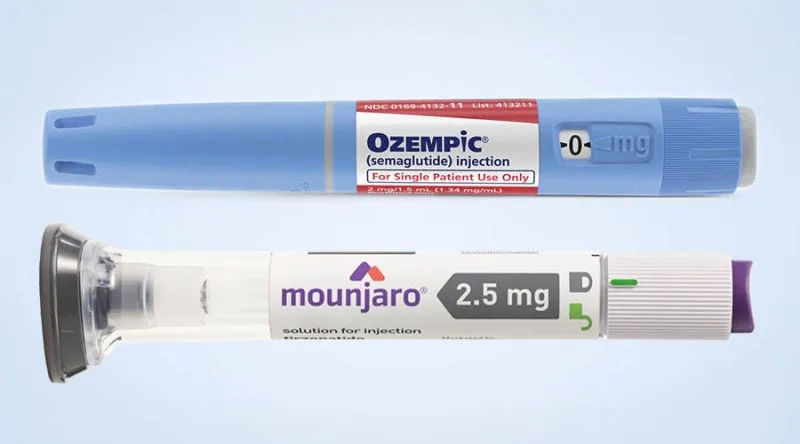
A practicing physician has issued a stark warning about the Mounjaro and Ozempic side effects that patients rarely hear about before starting these blockbuster weight-loss drugs, revealing six critical dangers that emerged during routine follow-up visits. The doctor's message is clear: while these medications can transform lives, the hidden costs of muscle loss, rebound weight gain, and organ strain demand your attention before you inject that first dose.
A doctor warns that Mounjaro and Ozempic carry serious, often under-discussed risks including rapid muscle loss, kidney strain from dehydration, and significant weight regain after stopping. He recommends six specific medical tests before starting and a daily survival kit that includes high protein intake and careful hydration to minimize these dangers.
- The doctor reported that patients commonly lose lean muscle mass alongside fat, which can slow metabolism and lead to long-term health problems.
- Weight regain after stopping the medication is a major concern, with many patients regaining a significant portion of lost weight within months.
- Dehydration and reduced food intake can put strain on the kidneys, making regular monitoring essential for anyone taking these drugs.
- The doctor emphasizes that a high-protein diet and strength training are not optional extras but core requirements for safe use.
- He recommends a full metabolic panel, kidney function tests, and liver checks before and during treatment to catch problems early.
The Doctor's Warning: Mounjaro and Ozempic Side Effects Are Only Half the Story
On February 17, 2026, a physician writing on the Turkish platform Ekşi Sözlük posted an urgent warning that framed the real danger of these injections not as the obvious side effects, but as what happens when patients chase the scale without a plan. The doctor described the clinical scene as a "fire zone," with people using Mounjaro or Ozempic "like cheese and bread." The warning landed with a blunt image: uncontrolled weight loss can turn the body into a "metabolic debris field."
The mechanism is genuinely impressive. The injection silences the brain's relentless "eat" signal, slows the stomach, and steadies blood sugar like a calm lake. Patients come in beaming, saying they took two forkfuls and stopped. That is the storefront. But the doctor's concern is the back room, where most people fixate on the number on the scale and declare themselves healed. That fixation, the physician argues, is exactly where the trouble begins.
Here is the catch that rarely makes it into the glossy ads: rapid weight loss does not discriminate between fat and muscle. If you drop ten kilos and four of them are lean tissue, you have not won anything. The body will steal energy from muscle when the calories are not coming in, and when you stop the medication, those kilos come back with interest. Clinical trials consistently show significant weight regain after discontinuation, the classic yo-yo effect. The doctor's prescription is blunt: lift weights, no negotiation, because walking alone will not hold onto muscle. And protein becomes an obsession, at least 1.2 to 1.5 grams per kilogram of body weight, or hair falls out, nails crack, and the body starts eating itself.
The physician's "metabolic cockpit panel" goes deeper than the obvious. ApoB, not LDL, is the real litmus test for artery-clogging particles, a measure that major guidelines now consider superior. Obesity itself is a state of chronic inflammation, and watching hs-CRP fall matters more to this doctor than any number on the scale. There is also a rare but documented risk of pancreatitis, so knowing your baseline amylase and lipase before starting is a reasonable precaution. The doctor even flags constipation as a near-certainty, recommending magnesium citrate or glycinate alongside fiber-rich eating.
The core message is that these drugs sell you time and willpower support. Use that window to build real habits, and you walk away healthy when the injection stops. Skip that work, and you are signing up for a subscription system, dependent on the drug for life. The doctor's final line is a warning worth sitting with: technology is wonderful, but moving forward without measuring, without respecting biology, is a gamble.
The Metabolic Cockpit Panel: 6 Tests the Doctor Demands Before You Trust the Scale
Before you celebrate a single kilogram lost on Mounjaro or Ozempic, a doctor who treats patients on these drugs insists on a six-point "metabolic cockpit panel" of blood work and body analysis. The scale alone, he warns, is a liar that can mask muscle loss, organ strain, and hidden inflammation. These six tests are his non-negotiable checklist for flying blind through rapid weight loss.
The first and most important check is a professional body composition analysis, not a home scale. The doctor's warning is blunt: you can lose 10 kilos on the scale, but if 4 of those kilos are muscle, you are in trouble. These drugs strip weight so quickly that the body will steal energy from muscle tissue if you do not protect it, leading to the "skinny fat" look and, when you stop the medication, the yo-yo effect of regaining weight with interest. Clinical trials confirm that discontinuation typically brings significant weight regain, so protecting muscle is your only defense.
Second comes a metabolic report card: fasting glucose, insulin, and C-peptide. The doctor checks HOMA-IR to see whether insulin resistance is truly breaking, and C-peptide to assess the pancreas's reserve capacity. The entire goal of these drugs is to rest the pancreas; if your insulin is still high while on the medication, you are making major dietary errors.
Third, the doctor orders a lipid panel and ApoB. During weight loss, free fatty acids surge through the blood. While some popular accounts claim LDL cholesterol paradoxically rises, clinical trials actually show LDL generally decreases or stays stable. The real litmus test is ApoB, which counts the actual artery-clogging particles and is considered superior to LDL by major cardiology guidelines. The goal is simple: watch ApoB drop.
Fourth are the engine's temperature gauges: creatinine, GFR, ALT, and AST for kidneys and liver. Rapid breakdown can tire the liver or, conversely, clear out fatty liver disease, and the kidneys are busy filtering metabolic waste. The doctor reports many cases of dehydration-related kidney strain because these drugs reportedly reduce thirst sensation, though the precise mechanism remains debated.
Fifth, hs-CRP measures inflammation. Obesity is a state of chronic inflammation, and a dropping hs-CRP is more valuable to this doctor than any number on the scale. If that internal fire is not going out, the biological benefit of weight loss remains incomplete.
Finally, the safety valves: amylase, lipase, and calcitonin. Pancreatitis is a rare but documented risk with these drugs, so baseline enzyme values ensure that abdominal pain is never dismissed as mere gas. Calcitonin has been described as a thyroid safety check, though routine monitoring for thyroid C-cell tumors in humans is not actually recommended by guidelines.
The Survival Kit: What You Must Do While Taking the Injection
Injecting and lying down is not an option on this medication, and the doctor who treats patients with these drugs makes that clear from the first appointment. The needle quiets the constant "eat" signal in your brain and slows your stomach, but the real work begins after you put the pen away. This is the survival kit he hands out, the unwritten instruction manual that keeps Mounjaro and Ozempic side effects from turning into permanent damage.
Weightlifting is non-negotiable. Walking is pleasant and good for your heart, but it will not preserve the muscle these drugs can strip away at speed. You pick up dumbbells or pull resistance bands, or you face the famous "Ozempic face" with its sunken cheeks and the sagging skin that follows rapid loss. The doctor has seen too many patients celebrate a lighter scale only to discover their skeleton is holding up less and less.
Protein becomes an obsession, even when food repulses you. The small bites you manage must mostly be protein, at least 1.2 to 1.5 grams per kilogram of body weight each day. Skip this and your hair sheds, your nails crack, and your body starts consuming its own tissue for fuel. Hydration demands the same discipline: you will not feel thirsty on these drugs, so you set reminders and drink at least 2.5 to 3 liters of water daily, checking that your urine stays light yellow. Dehydration can strain your kidneys while they filter all the metabolic waste from rapid fat loss.
Your gut slows down too, and constipation often follows. Magnesium citrate or glycinate plus fiber-rich eating becomes your digestive lifeline, keeping things moving when the medication has other plans. These habits are not suggestions; they are the difference between losing weight and losing yourself in the process.
The Bottom Line: A Subscription System or a Real Life Change?
These injections buy you time and willpower support, not a permanent solution. Whether you walk away healthy or locked into lifelong medication depends entirely on what you do during that borrowed window.
Clinical trials confirm what many users discover the hard way: stop the drug and the weight returns, often with interest. That yo-yo effect is the predictable outcome when the injection was doing all the heavy lifting. The doctor behind this playbook frames it bluntly: use the reprieve to build real nutrition and exercise habits, and you continue as a healthy person once the needle is gone. Skip that work, and you are signing up for a subscription system, a lifetime of dependency on the medication itself.
Some online commentary has called these drugs "the most powerful biological weapons in human history." That is pure hyperbole. Mounjaro and Ozempic are therapeutic metabolic medications, not weapons, and framing them that way distorts what they actually are: tools. Powerful tools, certainly, but tools nonetheless.
The closing advice from the physician is simple and stern. Technology is remarkable, but proceeding without measuring your biology and respecting its limits is gambling. His final words to anyone considering this path: do not play that game. The scale may drop, but if you have not built the habits to hold the ground, the house always wins eventually.
Got a take on this? Add your voice to the conversation below →
No comments yet. Be the first.