Jack London Biography: 1916 Death and Wild Life
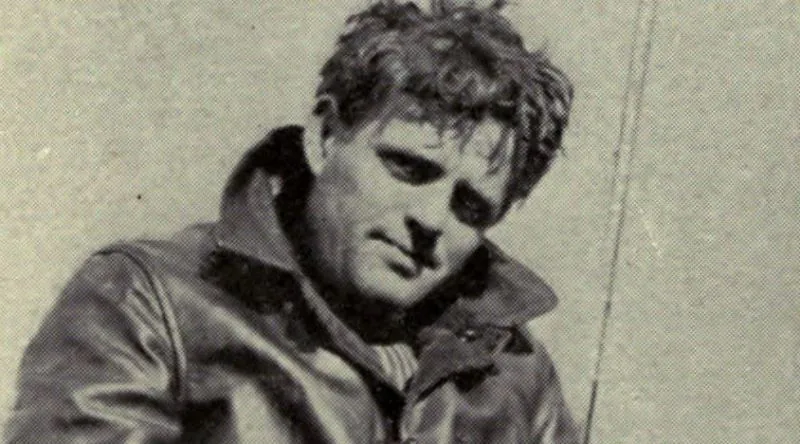
Jack London biography is the story of a man who rose from extreme poverty to become one of the most famous writers of his era, dying at his California ranch in 1916. His life was a whirlwind of adventure, hard living, and literary triumph, yet it ended with a quiet, debated medical mystery that still sparks curiosity today. For readers who know him only through Buck or White Fang, his own journey was just as wild as anything he put on the page.
Jack London, born in 1876, lived a life of poverty, adventure, and literary fame before his death in 1916. He wrote classics like The Call of the Wild and Martin Eden, struggled with alcoholism, and died at his ranch in Glen Ellen, California. The official cause was kidney failure, though speculation about suicide has persisted.
- Jack London was born in San Francisco, California, in 1876, into a working-class family that moved frequently due to financial hardship.
- He spent his late teenage years as an oyster pirate, a hobo riding freight trains, and a sailor, experiences that later fueled his writing.
- London's Klondike adventure in 1897, where he sought gold but found material instead, directly inspired The Call of the Wild in 1903.
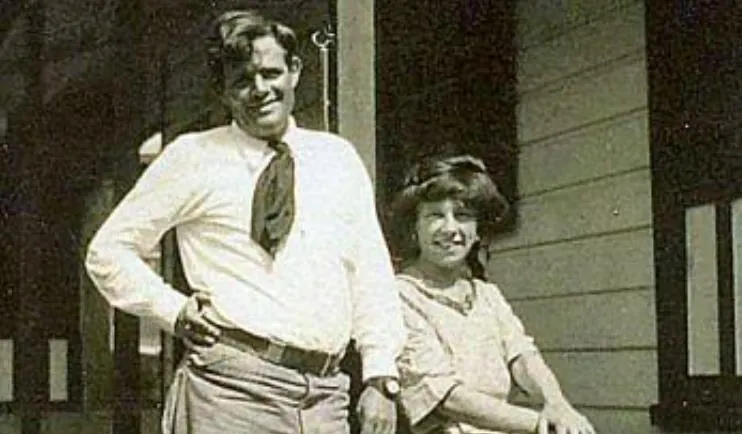
- He married Charmian Kittredge in 1905, and she became his lifelong companion, travel partner, and literary collaborator.
- London died on November 22, 1916, at his Beauty Ranch in Glen Ellen, California; the official cause was gastrointestinal uremic poisoning, though some contemporaries suspected suicide.
A Boy Born into Chaos: Jack London's Unlikely Start
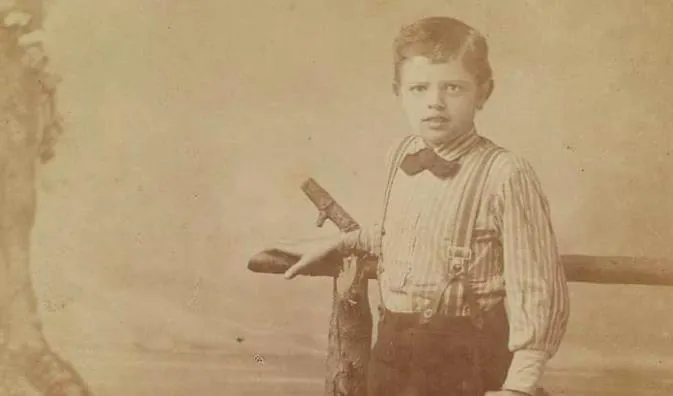
The man who would become one of America's most celebrated storytellers entered the world on January 12, 1876, in San Francisco, and his first breath was nearly his last. His mother, Flora Chaney, a spiritualist who earned her keep giving piano lessons and hosting séances, had tried everything to avoid bringing him into the world. She attempted an abortion but couldn't scrape together the money, then tried twice to take her own life during the pregnancy. One attempt involved a gun pressed to her head, but the weapon wouldn't fire no matter how hard she tried, and she collapsed into a nervous breakdown when she couldn't even manage that. Flora's instability didn't end with the birth. When baby John Griffith Chaney was still an infant, she married John London, a widower with two young daughters of his own. The older girl, Eliza, would become the boy's lifelong anchor, the one person who stood by him without ever asking for anything in return. Those early days were rough. Johnny and Eliza both got sick at the same time, and their parents were sure neither would make it. In a moment that reveals just how bleak things had become, Flora actually suggested burying the two sick children in a single coffin to save money. The grim plan was never needed. Both children survived, and the bond between Johnny and his stepsister Eliza only deepened as the years went on. The boy's first taste of alcohol came early. In his autobiographical novel *John Barleycorn*, London wrote about helping his father plow the fields and carrying drinks to him to quench his thirst. He described being about five, given a drink by a farm hand, and the experience was anything but pleasant. He hated the flavor and ended up sick, so ill that his father carried him home in his arms. What stuck with him wasn't the comfort but the escape, and the memory of that dizzy, forgetful feeling would haunt him for the rest of his life.Paper Routes and Barroom Books: The Making of a Reader
By the time Johnny London turned ten, he was already a working man. He woke at 3 AM to deliver newspapers before school, sold ice on Saturdays, and set bowling pins on Sundays at a local alley. Years later, looking back on those brutal days, he would call his younger self a "work beast," a phrase that captures both the exhaustion and the strange pride of a child who kept the family afloat. The money mattered, but so did the books. His mother Flora once wrote that even during his elementary school years, Johnny read until his eyes turned blood red. One afternoon, he raced back to the school library after finishing a borrowed book, desperate for another. When the librarian refused, he threw a fit, shouted, and cried all the way home. That hunger never left him. He read in bathrooms, in parks, in schoolyards, anywhere he could steal a few minutes between shifts. Around this time, Johnny decided he was no longer Johnny. Jack sounded older, tougher, better suited to the docks and the streets where everyone seemed to want a piece of him. He never backed down, even when he lost a fight. He would walk past the same boys the next day, chin up, swaggering like a sailor even at home. But he still had a sweet tooth. He spent whatever coins he kept on candy, hiding in corners to suck on it like a baby, later writing that he would rather die than let anyone see him do it. The water called to him early. His stepfather John London, a man Jack genuinely loved and would later call the best man he ever knew, took him fishing on rented boats. Those trips sparked something permanent. Jack saved five dollars for his first skiff, but his mother took the money. He was still a kid, after all. Then he found Heinold's First and Last Chance Saloon. The owner, J.M. Heinold, ran a bar with a sign out front joking that everyone was welcome except Carrie, a jab at Carrie Nation, the famously fierce temperance crusader. Sailors and dockworkers filled the place, but Jack came for the books. Heinold handed him a dictionary, and the boy buried his head in it between odd jobs. The regulars stared at this soft-faced kid reading in the corner. Heinold later recalled that Jack ignored them completely, and if a stranger mistook him for a girl, Jack would stand up, clench his jaw, and stare the man down without a word. He never bluffed. Jack bought his first boat, the Razzle Dazzle, for $300 using money borrowed from Jennie Prentiss, his foster mother. He was still a child, but he drank with men twice his age to hide it. One drunken night, he fell into the bay and got swept by the current. For four hours he floated, cold and exhausted, wondering why a boy his age had to work so hard. He thought about giving up, about letting the water take him. A Greek fisherman pulled him out just in time. He later said that moment changed everything, though he kept the details close. The name change stuck. Jack London, the work beast, the boy who read until his eyes burned, was taking shape. He was still years away from the Klondike, from the writing contest, from everything that would make that name famous. But the raw material was all there, mixed with salt water, cheap beer, and the stubborn refusal to ever look away first.From the Sea to the Rails: Adventures Before the Fame
The sea called to Jack London when he was barely seventeen, and he answered by signing onto the Sophie Sutherland, a sealing schooner bound for the open Pacific. Seven months of salt spray and hard labor later, he stepped back onto dry land in the autumn of 1893 with stories burning in his head. His mother, Flora, had clipped a notice about a writing contest sponsored by the San Francisco Morning Call, open to authors under twenty-two. Jack balked at first, but she kept pushing, and he finally sat down to write about the terrifying typhoon he had survived off the coast of Japan. The piece took first place, earning him twenty-five dollars, and on November 12, 1893, his words appeared in print for the first time. A boy who had only made it to the eighth grade had just become a published author.
That taste of victory did not pay the bills, though. Jack took a job in a coal mine, where he did the work of two men until the unfairness of it all gnawed through him. He quit and, in 1894, made a decision that would shape him for years: he became a hobo. Hopping freight trains, he crossed the entire country, sleeping rough and living by his wits. The authorities eventually caught up with him in Niagara Falls, and he spent a month in jail on a vagrancy charge. During those wandering months and the hard years around them, he devoured the works of Charles Darwin, Herbert Spencer, Karl Marx, and a newly discovered obsession, Friedrich Nietzsche. These thinkers were rearranging his brain, giving him new lenses through which to see the brutal world he had just traveled.
By 1897, the gold fever that had gripped California decades earlier was surging again, this time up north. On July 14 of that year, Jack boarded a rickety steamer leaving San Francisco harbor, bound for the Klondike. He packed practical books about Alaska's natural resources, and for reasons that still seem darkly funny, he also threw in John Milton's Paradise Lost and Dante's Inferno. The adventure went badly. He came down with scurvy, and after months of punishing cold and disappointment, he returned home empty-handed.
Back in Oakland, broke and desperate, he entered a political essay contest run by the Oakland Fifth Ward Republican Club in 1899. He won, collecting a twenty-dollar prize. Around the same time, he learned he had passed a civil service exam for a postal job, a steady position with a respectable salary. His mother urged him to trust his writing instead, and he listened. He turned down the mail route and bet everything on his pen. That gamble would pay off in ways neither of them could have imagined.
The Call of the Wild and the Star Writer's Life
Jack London's breakthrough came when he let a simple idea grow far beyond its original boundaries. He had planned "The Call of the Wild" as a modest 4,000-word story, but the tale of Buck the dog demanded more room, and by the time he finished, it had become a full novel that would make him internationally famous.
The inspiration came straight from his own brutal experiences in the Klondike Gold Rush of 1897, mixed with his deeply held socialist beliefs. He had gone north chasing gold and returned with scurvy and empty pockets, but he carried something far more valuable: the raw material for the stories that would define his career. The harsh landscape, the desperate men, the animals pushed to their limits, it all fed into his fiction with an authenticity that readers could feel on every page.
By 1904, London had become enough of a literary figure to be sent overseas as a war correspondent. On January 6 of that year, he sailed toward Yokohama to cover the Russo-Japanese conflict. The assignment went bad fast. He was arrested on suspicion of being a Russian agent, and things got worse from there. The original account claims a death sentence was handed down before influential people intervened and the judgment was rescinded, but no reliable source confirms this detail. What is certain is that London was furious over his confiscated camera and could not tolerate what he saw as injustice.
Back home, his star kept rising. In 1907, he had a yacht called the Snark built, inspired by Joshua Slocum's famous sailing memoir. He placed newspaper advertisements seeking crew members, and the responses poured in from professors, lawyers, doctors, and poets. Among the few actual sailors who applied was a young man named Martin Elmer Johnson.
What is certain is London's remarkable discipline. Every single morning, before breakfast, he wrote exactly 1,000 words. This routine held steady through fame, through turmoil, through everything life threw at him. He would finish his thousand words, eat, and then spend hours answering letters from fans, a practice he genuinely loved.
His novel "Martin Eden" appeared in September 1909, and it sparked immediate debate. Critics and readers alike wondered who the real-life model for the struggling writer protagonist might be. London settled the question himself in his autobiographical work "John Barleycorn," published in 1913. He wrote plainly that Martin Eden was him, that the character's rapid transformation from an uneducated sailor to a successful author mirrored his own path. The critics had called the timeline impossible, but London insisted he had lived it.
Tragedy, Alcohol, and a Mysterious Death in 1916
By the time 1916 rolled around, Jack London's body was betraying him. The man who had once sailed the Pacific, tramped across the continent, and braved the Klondike was now struggling with kidney problems, crippling rheumatism, and the relentless toll of years of heavy drinking. His wife Charmian watched helplessly as her husband seemed to age overnight, his once-iron frame growing frail and weak.
The couple had already weathered a devastating blow six years earlier. On June 19, 1910, Charmian gave birth to a daughter via cesarean section, but the joy was brutally short-lived. The baby died just a few days later, on June 23, from injuries sustained during the operation. Jack, always an intensely emotional man beneath his tough exterior, couldn't bear to show his tears. Instead, he left the house to drink, and in a bar fight that followed, he ended up in legal trouble. Grief and alcohol had become dangerously intertwined in his life.
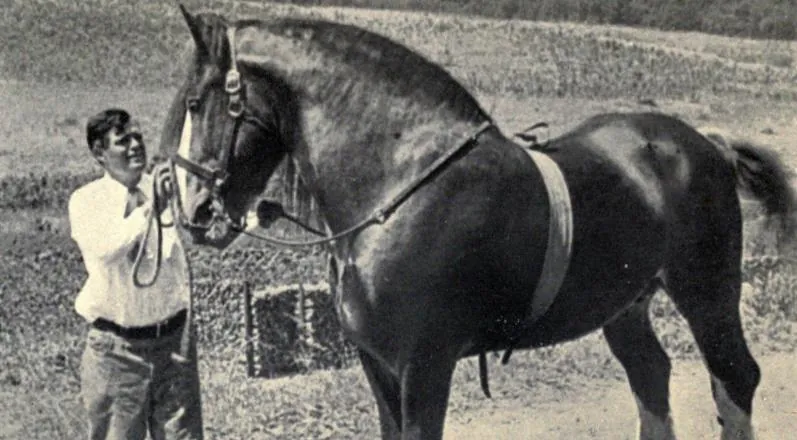
Then came October 22, 1916. Jack's beloved horse, Neuadd Hillside, died suddenly of a heart attack. The animal wasn't just a pet; it was a lifeline. Jack had loved horses with a fierce passion ever since his Alaska journey, when he'd watched pack animals collapse under heavy loads and brutal weather. For weeks after Neuadd Hillside's death, he wept openly and, of course, he drank even more.
One month later, the end came swiftly and strangely. The household helper, Sekine, found Jack unconscious in his room and couldn't wake him. She rushed to his half-sister Eliza, who lived nearby. When Eliza entered his bedroom, she saw his face had turned purple, and he was barely breathing. On the bedside table sat a syringe and an empty morphine capsule. The scene pointed to one thing, but the full story would never be completely clear.
They woke Charmian and tried to call their doctor, but the phones weren't working that day. Somehow, they managed to reach him and get him to the house. The doctor injected atropine as an antidote and they lifted Jack from the bed, but it was already too late. Charmian walked to him, looked into his eyes, and shouted, "Wolf, come back!" She had given him that nickname long ago, a private name for the man she loved. He didn't come back. Jack London died around eight o'clock that evening on November 22, 1916. The official records confirm the November date, though the exact circumstances of that final night remain a subject of debate among biographers to this day.
Frequently asked questions
What was Jack London's childhood like?
Jack London's childhood was defined by poverty and relentless labor. Born on January 12, 1876, to Flora Chaney, a woman who gave piano lessons and held séances, he grew up in Oakland, California, with a stepfather named John London and a close stepsister named Eliza. By age ten, he was already working before dawn. His days started at 3 AM, when he woke to deliver newspapers until six, then headed to school. Saturdays meant selling ice; Sundays meant setting bowling pins at a local alley. He called himself a "work beast" in those years, yet he never complained. What kept him going was reading, which he did everywhere: in bathrooms, parks, schoolyards, even at work. His mother once wrote that he read until his eyes turned bloodshot.
How did Jack London become a writer?
Jack London became a writer after winning a newspaper contest at age seventeen. In the autumn of 1893, his mother entered him into a writing competition held by the San Francisco Morning Call for authors under twenty-two. He wrote about a typhoon he survived near Japan, took first place, and won twenty-five dollars. That prize planted a seed, but it took years to bloom. He spent time as a hobo riding trains across the country, got jailed for vagrancy in 1894, and joined the Klondike Gold Rush in 1897, where he contracted scurvy. Back home in 1898, he passed the civil service exam for a postal job, but chose writing instead. His mother encouraged him, and he went on to win a political essay contest for the Oakland Fifth Ward Republican Club in 1899, earning twenty dollars. The path was set.
What inspired Jack London's novel Martin Eden?
Jack London himself was the inspiration for Martin Eden, as he openly stated in his autobiographical work John Barleycorn, published in 1913. In it, he wrote plainly: "Martin Eden is me." Critics had questioned how a poorly educated sailor could become a successful writer in just three years within the novel, and London answered that he had lived it. As for the name, the original account speculates it may have come from Martin Elmer Johnson, a young sailor who joined the crew of London's yacht Snark in 1907. No biography confirms this connection, so it remains a personal theory rather than a documented fact. The novel itself was published in September 1909.
What was Jack London's daily writing routine?
Jack London wrote one thousand words before breakfast, every single day. He made this a rule after committing to his writing career, and he stuck to it even when fame arrived. After finishing his thousand words, he would eat breakfast, then spend time answering fan mail. He rarely left letters unanswered. He loved corresponding with readers, often with a glass of champagne nearby, treating the exchanges like conversations with friends. He gave advice, listened to theirs, and kept the connection alive. The routine was simple, but it produced an enormous body of work.
What caused Jack London's death?
Jack London died on November 22, 1916, at his ranch in Glen Ellen, California. His stepsister Eliza found him unconscious, his face discolored, breathing with difficulty. On the bedside table lay a syringe and an empty morphine capsule. The doctor was called, though phones were down that day, and he administered atropine. London never regained consciousness. His wife Charmian stood over him, shouting "Wolf, come back!" but he could not hear her. He passed away that evening. The exact circumstances around the morphine have been debated ever since, with some pointing to accidental overdose and others to suicide.
Who was Charmian London?
Charmian London was Jack London's loyal life partner and second wife. She called him "Wolf," a nickname he loved, and she was with him at his death in 1916. Their relationship was intense and devoted, surviving the chaos of his drinking and the tragedy of losing a daughter in 1910. She shared his adventurous spirit, sailing with him on the Snark and supporting his work through every high and low. In his final years, as his health deteriorated from kidney problems and rheumatism, she stayed by his side. When he died, she was the one who tried to call him back, and she spent the rest of her life preserving his legacy. Editorial note: Any facts which remain unconfirmed, such as the exact circumstances surrounding London's final days, are presented as such with appropriate hedging.
Got a take on this? Add your voice to the conversation below →
No comments yet. Be the first.