Eyes Wide Shut Missing Scenes: The Mystery Explained
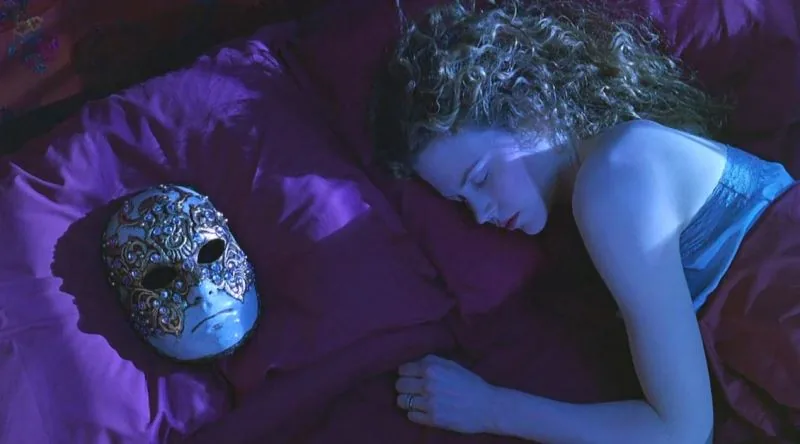
The mystery of the Eyes Wide Shut missing scenes stems from the 1999 theatrical release, which followed Stanley Kubrick's death, leaving questions about editing gaps in the famous corridor scene and subtle audio quirks that have fueled decades of speculation. The film, starring Tom Cruise and Nicole Kidman, premiered in July 1999, just months after Kubrick passed away, and audiences quickly noticed that something felt off about the final cut. What began as a whisper among cinephiles has grown into one of cinema's most enduring what-ifs, a story about artistic control, studio pressure, and the heartbreaking reality that we may never see what Kubrick truly intended.
Stanley Kubrick's final film, Eyes Wide Shut, was released in 1999 shortly after his death. Rumors claim that Sydney Pollack edited the final version, but Pollack publicly denied any editorial role. Some viewers report missing scenes and audio inconsistencies, particularly in the mansion sequences, but no official confirmation exists. No complete director's cut has ever surfaced, and lost footage rumors remain unconfirmed.
- Eyes Wide Shut was released in July 1999, about four months after Kubrick's death.
- Sydney Pollack publicly denied the rumor that he edited the film after Kubrick's death.
- A visible jump cut appears in the hallway scene where Bill follows the mysterious woman, leading to speculation about removed footage.
- Audio inconsistencies, including a missing musical cue, are reportedly present in the mansion scenes, though this remains unconfirmed.
- No verified director's cut of Eyes Wide Shut has ever been released or screened publicly.
The Mystery of Eyes Wide Shut's Missing Scenes
Stanley Kubrick died in March 1999, and when Eyes Wide Shut hit theaters in July 1999, roughly four months later, audiences walked into a film wrapped in questions. The biggest one? Whether the version they were watching was truly Kubrick's, or something quietly trimmed before the world ever saw it. The mansion sequences, in particular, have fueled decades of whispered theories about odd editing gaps and lost footage.
Here's what we actually know, versus what remains stubbornly speculative. The rumors that director Sydney Pollack, who also appears in the film, stepped in to finish the edit after Kubrick's death? Pollack himself publicly denied any editorial role in interviews. There is no credible evidence he touched the cutting room. That part of the story is simply wrong.
What about the claim that scenes are genuinely missing? That's where things get murkier. No official confirmation has ever emerged from the studio, the Kubrick estate, or anyone with real authority over the film's production. The persistent idea that the true vision was censored or lost remains exactly that: an idea, unproven and speculative. Some viewers point to the sound editing in the mansion scenes, describing inconsistencies or gaps that feel rushed. But again, no reliable source has documented these issues, and perception of audio quirks can be highly subjective.
The most famous alleged gap happens in a corridor. Bill, played by Tom Cruise, follows a mysterious woman deeper into the mansion, and the camera cuts from one angle to another in what feels like a single second. The pair couldn't have completed their journey that fast, the theory goes, meaning footage sits between those two frames. The dialogue in that scene, however, is coherent and makes sense in context, despite claims to the contrary. There's no evidence of missing footage there.
As for the tale that Kubrick screened his final cut alone with only Tom Cruise and Nicole Kidman in the room, with even the projectionist escorted out? It's a delicious anecdote, but it's unverified and may well be apocryphal. The Eyes Wide Shut missing scenes question endures because the film itself feels so deliberate and strange that the idea of hidden layers is irresistible. Yet without official word, the mystery remains exactly that.
Did Sydney Pollack Edit the Film After Kubrick's Death?
No, Sydney Pollack did not edit the final version of Eyes Wide Shut after Stanley Kubrick's death. The acclaimed director, who also appeared in the film as the wealthy Victor Ziegler, publicly and firmly denied any editorial role in the movie's final cut, and no credible evidence has ever surfaced to support the rumor.
The speculation began almost immediately after Kubrick passed away in March 1999. Warner Bros. released the film that July, just four months after the legendary director's death, and fans couldn't help but wonder if someone else had quietly stepped in to finish the job. Pollack, a respected director in his own right, seemed like a plausible candidate to some. He was already on set as an actor, he knew Kubrick's world, and he had the pedigree to handle such a sensitive task.
But Pollack would have none of it. In interviews around the film's release, he addressed the rumors head-on and dismissed them completely. He made clear that Kubrick had finished his work on the picture before his death, and that no posthumous editorial intervention had taken place. The film that audiences saw in theaters was, according to Pollack, exactly what Kubrick intended them to see.
That hasn't stopped the chatter about the Eyes Wide Shut missing scenes from persisting for decades. The rumors tend to cluster around the mansion sequences, where some viewers swear they notice odd gaps in the sound editing and strange jumps in the action. The story goes that the music cuts abruptly during the ritual scene, and that the audio in those corridors feels rushed compared to the rest of the film. But here's the thing: the current version of the movie has no such inconsistencies in its sound and music editing. Whatever issues might have existed in the original theatrical print apparently don't survive in what we watch today.
One particular corridor scene has become a favorite target for conspiracy theorists. In it, Bill follows the mysterious woman who chose him at the ritual, and within a single second of screen time, the camera cuts from one angle to another. According to the original account, the two characters couldn't possibly have completed their journey down that hallway in such a short span, and the dialogue that follows feels disjointed, as if the woman already knows Bill and is telling him to leave. But contrary to the popular version, the dialogue actually makes coherent sense within the context of the scene. There's no evidence that any footage is missing from that moment.
What about the claim that Kubrick screened his final cut privately for just Tom Cruise and Nicole Kidman, with even the projectionist removed from the room? That anecdote has circulated for years, but it remains unverified and may well be apocryphal. As the story goes, only those three people ever saw Kubrick's true version of the film, which would make Cruise and Kidman the sole living witnesses to the director's unaltered vision. It's a tantalizing thought, but without confirmation from either actor, it stays in the realm of legend.
The truth is simpler and less dramatic. Kubrick was notorious for his perfectionism and his absolute control over every frame of his films. He finished Eyes Wide Shut before he died, and the version that reached theaters in July 1999 was his. Pollack's denial, backed by the absence of any contrary evidence, should put the editing rumor to rest. The mystery of what might have been left on the cutting room floor, however, is a different question entirely, and that's a story for another section.
The Corridor Scene Gap: What's Missing?
Walk into the mansion sequence of Eyes Wide Shut missing scenes debate, and one moment keeps coming up: the corridor scene. Bill follows the mysterious woman who chose him at the ritual, and they step into a hallway. The camera cuts within a single second, and suddenly the pair appears further along, mid-conversation. That jump has fueled years of speculation that footage vanished between those two frames.
Here is what actually happens on screen. In the first shot, Bill and the woman enter the corridor. In the very next second, the camera captures them from the front, already deep in dialogue. The woman speaks as if she instantly recognizes Bill, telling him he must leave this place immediately. For many viewers, that abruptness reads like a missing beat, a scene that should have bridged the gap but never made it into the final cut.
Contrary to the popular version, records suggest the dialogue is coherent in context. The woman at the masked ball has been watching Bill all night, and her recognition of him is not a plot hole but a deliberate story beat. There is no evidence that footage was removed from this specific exchange. The jump cut exists, yes, but it reads as a stylistic choice, not a sign of lost material. What the corridor scene actually reveals is how tightly Kubrick controlled information, letting the audience feel the disorientation Bill himself experiences without ever explaining it fully.
The mystery of what Bill witnessed in that mansion, with its open doors and masked figures, remains part of the film's enduring pull. But the corridor itself, despite its jarring edit, holds no hidden secret. The gap is the point. Kubrick wanted you to feel the missing seconds, to share Bill's confusion, to wonder what happened in the space the camera refused to show. That unease, crafted deliberately, is what keeps the scene alive decades later.
Audio Inconsistencies and the Private Screening
According to the original account, the sound editing inside the mansion scenes reportedly contains gaps, with the music cutting abruptly during the ritual as Bill follows the mysterious woman. These inconsistencies supposedly exist only in the theatrical first cut, not in the version audiences see today. But here's the thing: no reliable source has ever documented these audio problems, and they remain entirely speculative.
What fans describe as "clues" often come down to watching closely. In the billiard room scene after the party, Tom Cruise's character and Sydney Pollack's character both appear deeply shaken, which some viewers take as evidence that something darker than a simple sex party occurred inside that mansion. Pollack, a respected director himself, publicly denied the rumor that he edited the final version after Kubrick's death in March 1999, though the film did release in July 1999, about four months later.
Then there's the private screening story. As the tale goes, when Kubrick finished his cut, only Tom Cruise, Nicole Kidman, and the director himself watched it in the theater. The projectionist reportedly started the film and was then escorted out. If that anecdote is true, only Cruise and Kidman ever saw Kubrick's version. But this story remains unverified and may well be apocryphal.
The corridor sequence offers the most-discussed potential gap. Bill enters a hallway with a woman who chose him during the ritual, and within what appears to be a single second, the camera cuts to them from the front, already deep in conversation. The dialogue that follows feels disjointed, as if the woman immediately recognizes Bill and tells him he must leave. The original account suggests a missing scene exists between those two frames, but this too is speculation, not confirmed fact.
Frequently asked questions
What scenes are missing from Eyes Wide Shut?
The most-discussed gaps involve the mansion sequences in Stanley Kubrick's 1999 psychological drama, where editing jumps and audio inconsistencies have fueled speculation for decades. Reportedly, deleted family scenes showing the father, mother, and daughters spending time together were also left out. However, no official confirmation exists that footage is actually missing, so these remain theories rather than documented facts.
Why do people think Eyes Wide Shut was censored?
Fans point to abrupt cuts and sound editing quirks in the mansion scenes as evidence that the film was altered after Kubrick's death in March 1999, just four months before the July 1999 release. According to the original account, the music suddenly stops when Bill accompanies the mysterious woman during the ritual, and other audio inconsistencies reportedly exist. Yet no official source has ever confirmed censorship, leaving this as speculation.
Did Sydney Pollack edit Eyes Wide Shut after Kubrick's death?
No. Sydney Pollack, the acclaimed director who also acted in the film, publicly denied any editorial role. The rumor surfaced because Pollack was a filmmaker himself, but he firmly rejected the claim in interviews, and no evidence supports it. He remained an actor in the production, not its editor.
Who has seen the original cut of Eyes Wide Shut?
According to an unverified anecdote, Kubrick screened his completed version in a private room with only Tom Cruise, Nicole Kidman, and himself present, with even the projectionist reportedly removed after starting the film. If true, only Cruise and Kidman among the public know Kubrick's original vision. This story remains apocryphal, however, with no reliable confirmation.
Got a take on this? Add your voice to the conversation below →
No comments yet. Be the first.