Big Fish: Tim Burton's 2003 Masterpiece — Production Notes & Trivia
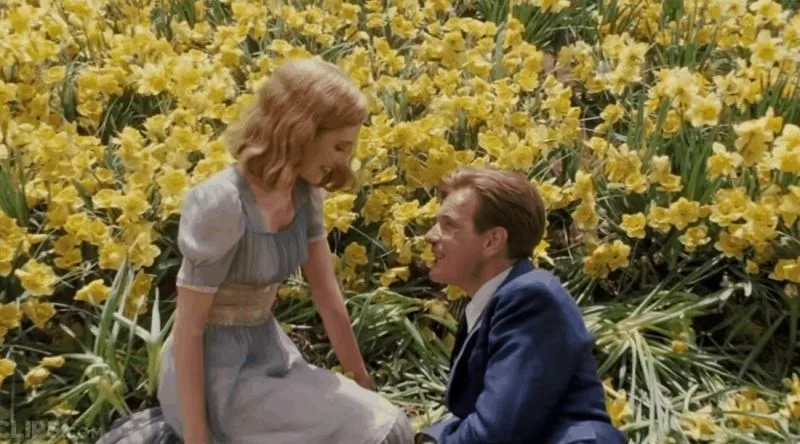
Big Fish, Tim Burton's 2003 fantasy drama starring Ewan McGregor, Albert Finney, and Jessica Lange, tells the story of a dying father's tall tales and the son who finally learns the truth behind them, filmed across Alabama and Paris. This heartfelt exploration of storytelling and family reconciliation quietly became one of Burton's most personal and enduring works, drawing audiences into its whimsical yet deeply emotional world. The film weaves together vibrant fairy-tale sequences with grounded, tender moments, creating a cinematic experience that lingers long after the credits roll.
Big Fish, released in 2003 and directed by Tim Burton, follows Edward Bloom, a dying Alabama man whose larger-than-life stories frustrate his son Will. As Will investigates his father's past, he uncovers the emotional truths hidden within the tall tales. The film stars Ewan McGregor and Albert Finney as young and older Edward, with Jessica Lange as his wife Sandra.
- Big Fish was released in the United States on December 10, 2003.
- Tim Burton directed the film from a screenplay by John August, adapted from Daniel Wallace's novel of the same name.
- Ewan McGregor plays the young Edward Bloom, while Albert Finney portrays the older Edward in his final days.
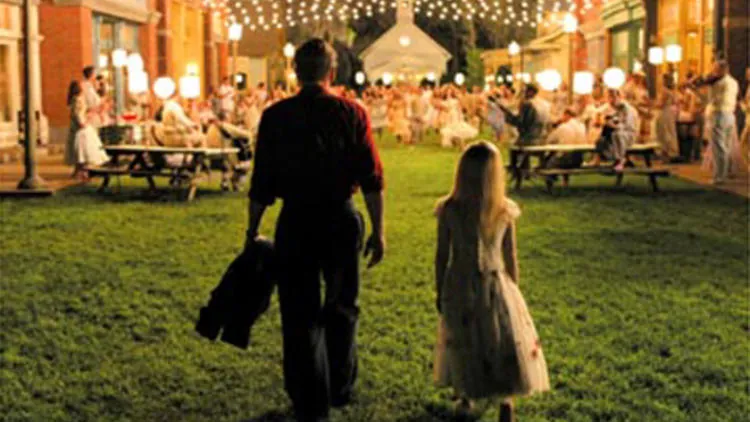
- The fictional town of Spectre was a purpose-built set constructed in Alabama, and remains a local attraction today.
- Danny Elfman composed the score, while Eddie Vedder contributed the end-credits song "Man of the Hour."
The Tale Behind Big Fish: A Father-Son Story That Almost Wasn't
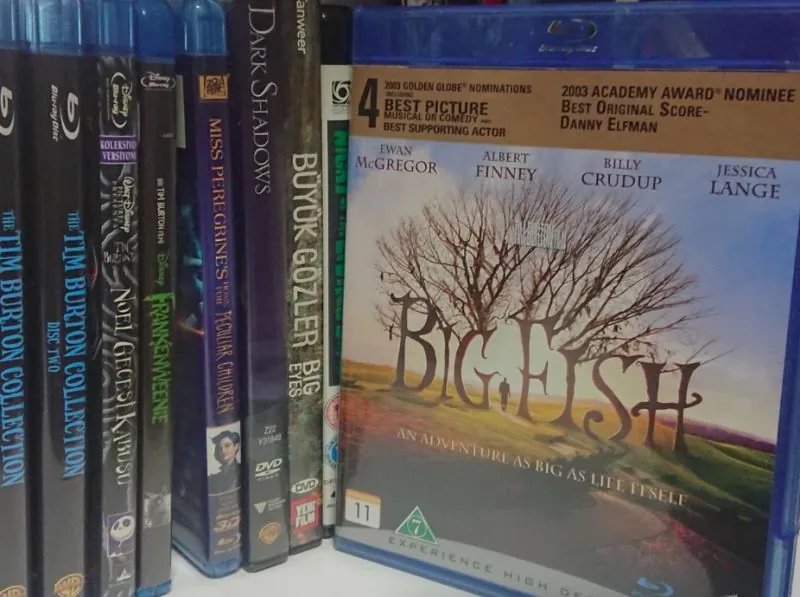
In 2003, Tim Burton brought audiences a fantasy drama called Big Fish, a film that would become one of the most personal projects of his career. Written by John August and based on Daniel Wallace's novel Big Fish: A Novel of Mythic Proportions, the movie stars Ewan McGregor, Albert Finney, Billy Crudup, Jessica Lange, Alison Lohman, Steve Buscemi, Helena Bonham Carter, and Danny DeVito.
The path to the screen was anything but straight. Screenwriter John August picked up a draft of Wallace's novel in 1999, the same year his own father passed away. The timing hit hard. August found himself drawn to the story of a son trying to understand a father who never stopped telling tall tales, and he managed to secure Columbia Pictures' backing for an adaptation.
Before Burton ever came aboard, Steven Spielberg signed on to direct in August 2000. Spielberg even had Jack Nicholson in mind for the older Edward Bloom and had August write two drafts of the script. But Spielberg's schedule pulled him toward other projects, and August found himself crafting a third draft. The producers, Dan Jinks and Bruce Cohen, first approached Stephen Daldry with that third version before finally sending it to Burton.
Burton signed on in April 2002, with the news becoming public on May 2 of that year. By then, the director had been through his own losses. His father died in October 2000, and his mother followed in March 2002. Burton had never been especially close to his parents, but their deaths shook him deeply. After finishing Planet of the Apes, he wanted to make something smaller and more intimate. When he read August's script for Big Fish, he felt he had found the first truly unique story offered to him since Beetlejuice.
Burton briefly considered using computer effects to let Jack Nicholson play the younger Edward as well. That idea faded, and he instead chose to cast two different actors for the same character across time. The decision pushed production back from October 2002 to January 2003, but it gave the film its beating heart.
How Spielberg Almost Directed Big Fish (and Nearly Cast Jack Nicholson)
Before Tim Burton ever laid eyes on the script, Steven Spielberg had already signed on to direct Big Fish in August 2000, and he had Jack Nicholson in mind for the older Edward Bloom. Spielberg even commissioned two drafts from screenwriter John August before stepping away due to scheduling conflicts with other projects. It took two more directors and nearly two years before Burton finally took the helm. John August had stumbled onto the novel in 1999, shortly after his own father's death, and pitched the adaptation to Columbia Pictures with real urgency. The book, Daniel Wallace's "Big Fish: A Novel of Mythic Proportions," was structured as a series of tall tales, and August wrestled with how to weave those episodes into one cohesive narrative. He settled on multiple narrators and kept refining the structure while Spielberg was attached. When Spielberg moved on, producers Dan Jinks and Bruce Cohen first approached Stephen Daldry with the third draft. That conversation didn't stick either. Then the script finally reached Tim Burton, who signed on in April 2002, with the news going public on May 2, 2002. Burton's connection to the material ran deeper than craft. His father had died in October 2000, and his mother followed in March 2002. He had never been close to his parents, but those losses hit him hard. After the massive production of Planet of the Apes, Burton wanted something smaller and more personal. He later said Big Fish was the first truly unique story offered to him since Beetlejuice, drawn to how it blended emotional drama with tall tales across different genres. There was even a brief conversation about whether Jack Nicholson could play the younger Edward Bloom using CGI de-aging effects. That idea never went anywhere. Burton instead made the more complicated choice to cast two different actors for the same character across different ages, a decision that pushed the start of filming from October 2002 to January 2003.Casting, Cameras, and the Chaos of Filming Big Fish in Alabama
Ewan McGregor and Albert Finney were confirmed as the young and old Edward Bloom on August 1, 2002, a pairing that would define the emotional heart of Big Fish. The two actors never shared a scene together, yet their mirrored performances hold the entire film together. Producers Dan Jinks and Bruce Cohen suggested the combination after working with McGregor on Down with Love, and Burton saw something in Finney's performance in Tom Jones that clicked with McGregor's energy. By November of that year, most of the principal cast was locked in.
Filming began on January 13, 2003, in Montgomery, Alabama, and wrapped in early May. Burton made a deliberate choice to shoot Albert Finney's emotionally heavy scenes as old Edward first, knowing the weight they carried. McGregor was on set from day one, quietly observing Finney's process before stepping into the younger version of the same man. Once McGregor's scenes began, the atmosphere shifted into something lighter and more playful, and much of the film came together through improvisation, especially Edward's birth scene and the Korea sequences.
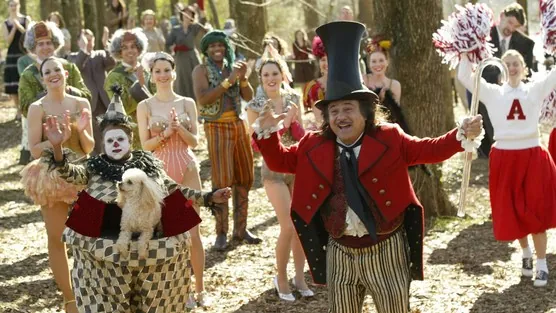
Mother Nature threw a curveball during the circus scenes when strong winds flooded large parts of the set. The schedule held, though, and production moved to Paris for one week in April before wrapping entirely. Burton leaned on practical effects wherever he could, using forced perspective for Karl's scene and the moment Will and Edward lift a car in traffic. He also used color grading for the first time in his career, giving the fantasy sequences a distinct visual texture.
Behind the camera, cinematographer Philippe Rousselot shot everything on 35mm Kodak film using Panavision cameras and lenses. The footage was finished with a 4K digital master, then printed back to 35mm using Kodak Vision 2383, a hybrid workflow that was still unusual in 2003. Danny Elfman composed the score, his regular collaboration with Burton continuing, and Eddie Vedder contributed "Man of the Hour" after watching the film. Vedder wrote and recorded the song specifically for the project following a private screening.
The Release, the Box Office, and the Critics Who Called It Burton's Masterpiece
Big Fish hit limited theaters on December 10, 2003, then expanded nationwide on January 9, 2004, and it quietly became one of the most beloved films of Tim Burton's career. The movie went on to earn $66 million in the United States and $56 million internationally, for a worldwide total of $122 million. Not bad for a story about a man who may or may not have caught a giant catfish.
Opening weekend brought a bit of a surprise. Early reports suggested the film had taken the top spot with $14.5 million, but the final numbers told a different story. The Lord of the Rings: The Return of the King was still ruling the box office, and Big Fish settled for second place with $13 million. That put it ahead of most everything else in release, though, and the film showed real staying power through the winter months.
The critics, for the most part, were outright smitten. Jeff Vice called it Burton's best film. Jeffrey Westhoff went further, saying it gave the director "the dose of maturity he needed" and ranked it as his finest work since Ed Wood from 1994. Glenn Whipp of the Los Angeles Daily News declared it Burton's greatest achievement. Peter Travers handed out a perfect four-star review, praising a screenplay that "deepens and dares Burton's talent" and singling out Ewan McGregor's performance for special applause. BBC critic Adrian Hennigan celebrated the storytelling and the father-son drama at the film's heart, describing it as "optimistic without being overly sentimental, romantic without being cloying, exciting without being cheap."
Not everyone joined the chorus. Roger Ebert, the most famous critic in America, pushed back hard. He wrote that William's frustration with his father was entirely justified, calling the old man a narcissist whose tales crossed from entertaining into something darker. Kirk Honeycutt of The Hollywood Reporter dismissed the stories as never rising above their surreal trappings, wrapped in artificial sets and stilted performances.
Aggregate scores told a friendlier story. The film reportedly earned a 77% "fresh" rating on Rotten Tomatoes at one point based on 154 positive reviews, though those numbers have shifted over time as more critics weigh in. On IMDb, it reportedly scored 8.0 and landed at number 201 on the site's Top 250 list at one time, a ranking that also fluctuates as user votes roll in. Whatever the exact figures on any given day, the conversation around Big Fish has stayed remarkably warm for two decades.
Frequently asked questions
What is the movie Big Fish about?
Big Fish is a 2003 American fantasy drama about Edward Bloom, a dying man whose tall tales have alienated his practical son, Will. As Will sits by his father's bedside, he tries to separate fact from fiction in Edward's larger-than-life stories, ultimately discovering the truth and love hidden within the exaggerations. It's a story about storytelling itself.
Who directed the movie Big Fish and who starred in it?
Tim Burton directed Big Fish from a screenplay by John August, based on Daniel Wallace's novel. Ewan McGregor plays young Edward Bloom, Albert Finney plays the older Edward, and Billy Crudup plays Will, Edward's son. The cast also includes Jessica Lange, Alison Lohman, Steve Buscemi, Helena Bonham Carter, and Danny DeVito.
Why did Steven Spielberg leave the director's chair for Big Fish?
Steven Spielberg signed on to direct Big Fish in August 2000 and even had Jack Nicholson in mind for the older Edward Bloom. But Spielberg's schedule filled up with other projects, and he eventually stepped away. Screenwriter John August had written two drafts under Spielberg's direction, then a third after his departure. Tim Burton signed on in April 2002.
Where was the movie Big Fish filmed?
Principal photography for Big Fish took place primarily in Alabama, with filming starting in Montgomery on January 13, 2003. The crew shot there through April, then moved to Paris for a final week of filming. The fictional town of Spectre was built as a set in Alabama, and that set still exists today, now abandoned.
How did Tim Burton's personal life influence Big Fish?
Tim Burton was never close to his parents, but their deaths affected him deeply: his father died in October 2000 and his mother in March 2002. After finishing Planet of the Apes, he wanted to make a smaller film, and Big Fish's script struck him as a rare, unique story. The father-son reconciliation at its heart clearly resonated with his own experiences.
Did the author Daniel Wallace appear in the Big Fish movie?
Yes, Daniel Wallace, who wrote the original novel Big Fish: A Novel of Mythic Proportions, has a cameo in the film. He appears as an economics professor at Auburn University, the school where Sandra, Edward's wife, studies. It's a small, easy-to-miss moment that rewards attentive viewers.
What is the significance of the town of Spectre in Big Fish?
Spectre is the fictional idyllic town where young Edward Bloom briefly stops and considers settling down. It represents the temptation of an easy, comfortable life, one Edward ultimately rejects to keep pursuing adventure. Although the town is fictional, the ZIP code shown on Jenny's house deed, 36104, is a real ZIP code for Montgomery, Alabama. Editorial note: Any facts which remain unconfirmed are presented as such (hedged) throughout this article.
Got a take on this? Add your voice to the conversation below →
No comments yet. Be the first.