Skoda Octavia 2026: Who Should Buy It, Who Shouldn't?
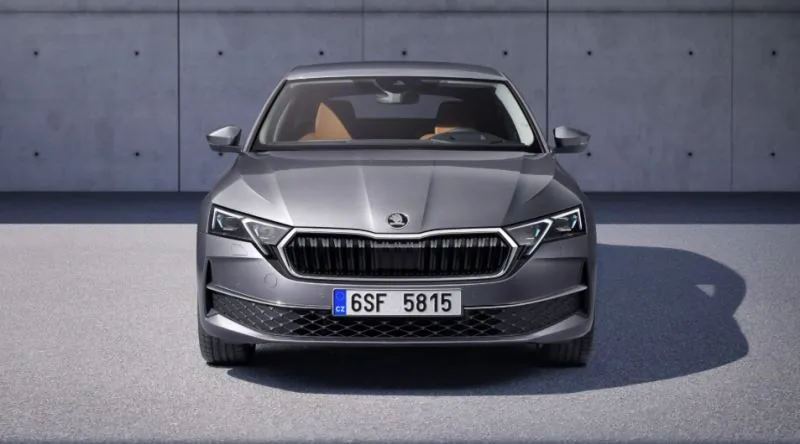
The Skoda Octavia liftback review for 2026 centers on a car that remains the smartest pick for value-driven family buyers, even as it faces stiffer competition than ever in the compact segment. It is a car that quietly gets on with life, swallowing weekly shops and school runs without drama, while still offering a touch of driving enjoyment for those who ask for it. The 2026 model continues to build on a reputation that has made it a favorite across Europe, and it is easy to see why so many drivers keep coming back to this practical Czech machine.
The Skoda Octavia liftback is a spacious, efficient family car that offers excellent value for money. It suits buyers who prioritize practicality, low running costs, and clever storage solutions. It is less ideal for those wanting a premium badge, sporty handling, or the latest tech interface without compromise.
- The 2026 Skoda Octavia liftback offers class-leading boot space at 600 liters, expanding to 1,582 liters with the rear seats folded.
- The main engine option in Turkey is the efficient 1.5 TSI mild-hybrid, while a punchy 2.0 TSI is reserved for the RS 265 performance variant.
- Skoda's reputation for DSG reliability has improved significantly in recent years, with the latest units offering smoother shifts and better long-term durability.
- The Octavia liftback remains a top choice for families in markets like Turkey, where its blend of space, comfort, and sensible pricing resonates strongly.
- Signature "Simply Clever" features include an umbrella in the door, an ice scraper in the fuel filler cap, and a ticket holder on the windscreen.
The Octavia's Party Trick: A Boot That Changes Everything
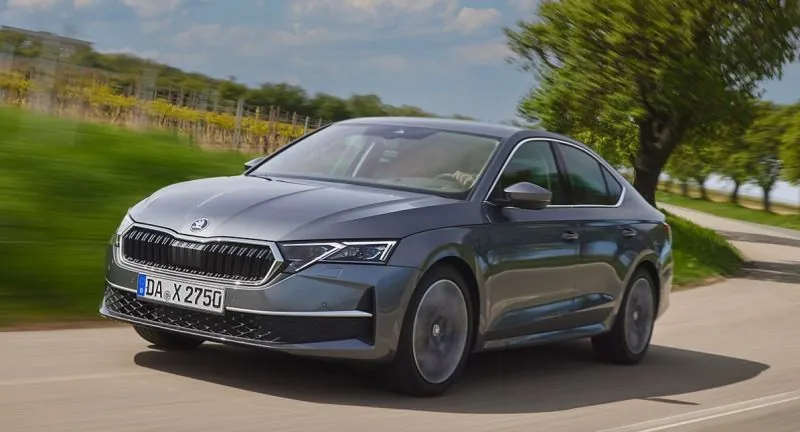
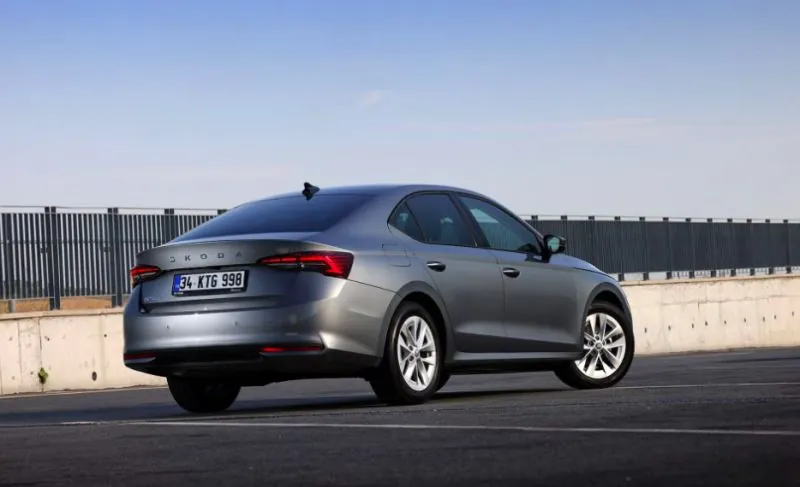
See a Skoda Octavia liftback parked at the curb and your brain files it under "sedan." It has that composed, slightly serious silhouette that fits just as easily in a corporate parking lot as it does outside a family apartment building. Then someone presses the release and the entire rear hatch, glass and all, swings upward in one smooth motion. That is the moment the Octavia reveals what it really is: a car that refuses to choose between looking like a sedan and working like a hatchback.
This combination matters more than you might think, especially in a market like Turkey where buyers traditionally love the sedan shape but also need to haul real cargo. Strollers, holiday groceries, suitcases, the inevitable "we might need this" bag, all of it needs a proper opening, not the narrow mouth of a conventional boot. The liftback design delivers exactly that wide loading aperture, and it turns an ordinary-looking car into something genuinely clever.
The numbers attached to this boot have caused some confusion, so let's sort that out. The current Octavia liftback is reported to offer 600 liters of space in its standard configuration, which is already a serious figure for the C-segment. However, the often-quoted figure of 1,555 liters with the rear seats folded actually belongs to the estate version. According to official Skoda specifications, the liftback expands to 1,582 liters when you fold those seats down. Either way, you are looking at a car that, on paper, sits in the compact class but in daily use approaches the space feel of larger vehicles.
What makes those liters genuinely usable is the hatch itself. Because the glass lifts with the tailgate, you are not wrestling with a small opening when loading bulky items. A classic sedan boot can hold a surprising amount, but getting a large box or an awkward piece of furniture through that restricted gap is a different story entirely. The liftback simply removes that frustration.
Of course, this generosity has a trade-off. The Octavia does not feel like a compact hatchback in the way a Golf or a Leon does. Its longer body, wide boot, and airy cabin demand something in return when you are navigating tight city streets or hunting for a parking spot in a crowded shopping center garage. If your life consists of squeezing into narrow spaces and measuring centimeters before every maneuver, the Octavia's size will eventually wear on you. The boot is large because the car is large, and that is a package deal.
This is precisely why the Octavia's appeal runs so deep in Turkey. Families with children, corporate travelers who log serious highway miles, retirees shuttling between city and summer home, they all understand this car immediately. It does not need to show off. It just gets on with the job of carrying your stuff and eating up the miles. And for buyers who want that sedan presence but refuse to give up real-world practicality, the Skoda Octavia liftback review often comes down to one simple observation: this car gets the fundamentals right.
Not a Cheap Volkswagen Anymore
For years, people dismissed the Skoda Octavia with a simple label: a cheap Volkswagen. That label no longer fits, and anyone shopping for a family car in Turkey today needs to understand why before they even open the price list.
The Octavia shares its bones with the Golf, Leon, and A3, all built on the same Volkswagen Group MQB platform. Official sources confirm this shared architecture. What the Octavia does differently is stretch that platform into a longer body with more living space and a far bigger boot than any of its platform siblings offer. In that sense, it has always been the practical one of the family.
But here is where the story changes. The Octavia used to undercut those cars by a wide margin, which is how the "cheap Volkswagen" nickname was born. Those days are gone. Prices have climbed substantially, and Skoda has spent years building its own identity rather than riding on VW's coat-tails. The brand now stands on its own, with its own character and its own loyal following.
This shift creates a genuinely interesting dilemma for buyers. When you spec up a well-equipped Octavia, the price tag starts to brush against bigger cars. You might find yourself comparing a loaded Octavia against a Superb, a Passat, or even a clean used car from a higher segment. That comparison was unthinkable back when the Octavia was simply the budget option in the showroom.
What does this mean in practice? The Octavia is no longer an automatic choice for anyone wanting to save money. It demands careful thought about which version you actually need. The entry-level cars keep the price reasonable, but the car's real strengths, the space, the comfort, and the clever details, come alive in the higher trim levels. And once you start climbing those trims, the question of whether to stretch a little further into a bigger car becomes very real.
None of this makes the Octavia a bad buy. It just makes it a considered buy. The old shortcut of assuming Skoda equals bargain no longer works. What you get instead is a car that has carved out its own space in the market, one that asks you to weigh your priorities honestly before you commit.
Engine Choices: The Sensible 1.5 TSI or the RS-leaning 2.0 TSI
Walk onto a Skoda dealer lot in Turkey today and the engine bay you will almost certainly find under the Octavia's hood is the 1.5 TSI mhev, a 150 PS unit delivering 250 Nm of torque and bolted to a 7-speed DSG automatic gearbox. That combination is the sensible, everyday heart of this car, and for most buyers it is the only engine they need to consider. But there is another option, a 265 PS 2.0 TSI, and it lives exclusively inside the hot Octavia RS 265, not as a standalone choice for the regular liftback.
The 1.5 TSI mhev deserves a clear explanation, because the "mhev" badge can mislead. This is a mild hybrid, not a full hybrid. The car will not glide along on electric power alone for any meaningful distance. Instead, the small electrical system lends a hand during the three moments that matter most for efficiency: pulling away from a standstill, coasting when you lift off the throttle, and the engine restart after a start-stop event. Think of it as a gentle nudge rather than a revolution. You should not expect miracle fuel economy figures, but with a patient right foot the system does shave real money off your monthly fuel bill.
With 150 PS on tap, the 1.5 TSI never feels sluggish in daily traffic, and the 250 Nm of torque means highway overtakes do not require a dramatic downshift or a prayer. It suits the Octavia's character beautifully, which is exactly why Skoda positioned it as the main offering for the Turkish market. This is a car that carries the family, the luggage, and the long-distance miles without complaint, and the engine matches that brief.
Then there is the 2.0 TSI with 265 PS. Some descriptions of the range have suggested this engine sits close to RS territory as a separate choice, but that framing is incorrect. The 265 PS 2.0 TSI is the RS 265's own powerplant, reserved for that specific performance variant. It is a genuinely different animal, sharper, quicker, and far more eager to entertain. The appeal is obvious for anyone who wants a hot hatch experience wrapped in a practical liftback body. But that excitement carries a price tag that extends well beyond the showroom. Fuel consumption climbs, annual vehicle tax jumps to a higher bracket, tires wear faster, and routine maintenance costs more. For the vast majority of Octavia buyers, the rational choice remains the 1.5 TSI mhev, while the 2.0 TSI is best understood as a toy for enthusiasts who want speed without sacrificing the boot space.
Used Octavia Hunting: Diesel, TSI, and DSG Pitfalls to Watch
Walk onto any used car lot in Turkey and the Octavia story gets complicated fast. Older generations came with a real spread of engines: the 1.0 TSI, 1.4 TSI, 1.5 TSI, 1.6 TDI, and 2.0 TDI. That variety sounds great, but each one carries its own set of questions before you hand over a lira.
The 1.6 TDI diesel has reportedly been a go-to for long-distance drivers in Turkey who swear by fuel economy, though no reliable market data confirms this popularity. As the story goes, a well-maintained diesel Octavia sips fuel and cruises comfortably on the highway. But here's where you need to slow down. Cheap fuel math falls apart fast if the turbo, injectors, EGR valve, or DPF filter has been neglected. Before committing, check the service history like a detective, verify the mileage adds up across all records, and find out whether the car lived its life in a fleet or company pool. One big repair bill can erase years of diesel savings.
TSI petrol engines demand their own scrutiny. These turbocharged units reward owners who stick to proper oil change intervals, keep the cooling system healthy, and feed them quality fuel. The previous owner's driving habits matter more than you might think. A car that spent its life in stop-and-go city traffic carries different wear than one that cruised highways. Don't brush this off with a casual "it's a Volkswagen Group engine, it'll be fine." That thinking gets expensive.
Now the DSG gearbox, the automatic transmission found in many Octavias. Avoid both extreme camps: the people who insist every DSG will fail, and the ones who say nothing ever goes wrong. The truth sits somewhere in between. DSG units shift quickly and smoothly, making the Octavia feel effortless. But if you're shopping used, ask pointed questions about the clutch, the mechatronics unit, and the service records. Test the car at low speeds and watch for shuddering or hesitation when pulling away. Find out how it handled stop-and-go traffic, since that's where these gearboxes earn their reputation, good or bad. Buying a DSG Octavia without investigating its past is a rushed decision you'll likely regret.
One more thing about trim levels. You might see listings mentioning Elite, Premium, or Prestige packages, but those are not official names. The actual factory trims for the Octavia in Turkey are Active, Ambition, Style, Sportline, and RS. So when a listing throws around names that don't match, dig deeper into what's really installed on the car rather than trusting the badge or the advertisement.
Simply Clever Details and Who Should (or Shouldn't) Buy
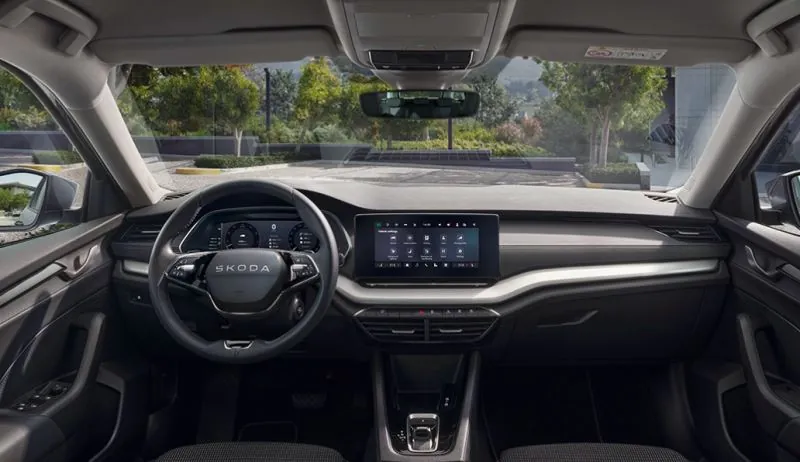
Skoda's "Simply Clever" philosophy is not a marketing slogan that evaporates once you sign the papers. It shows up in the physical details of the car, like the ice scraper tucked inside the fuel filler cap and the umbrella compartment built into the door. These small touches, confirmed by the manufacturer, reinforce the Octavia's practical character in a way that a spec sheet simply cannot capture.
There are also hooks and nets in the boot, along with organizers that keep shopping bags from sliding around during a sharp turn. None of these features alone would sell a car, but together they create a sense that someone actually thought about your daily routine. You open the fuel cap on a frosty morning and realize you do not need to dig through the glovebox for a scraper. That is the moment the Octavia's logic clicks into place.
The car does not make grand statements. It quietly solves small problems, which is exactly why the right buyer profile matters so much.
Who should buy the Octavia?
The Octavia rewards people who actually use their car's space. If you load the boot regularly, take long trips, or need a family car that can absorb strollers and luggage without complaint, this liftback makes sense. It also appeals to drivers who like the look of a sedan but want the loading practicality of a hatchback. The liftback opening, which raises the glass along with the tailgate, gives you a wide mouth for bulky items that a traditional sedan boot would reject.
Another group that fits well here is the buyer who understands that a turbocharged engine and a DSG gearbox demand respect. Regular oil changes, proper coolant maintenance, and timely service visits are not optional extras. If you accept that responsibility, the Octavia will reward you with a composed, sturdy ride that handles both city commutes and highway stretches with equal confidence.
For someone who finds the Golf too compact and the Passat too large and expensive, the Octavia sits in a sensible middle ground. It shares the Volkswagen Group MQB platform with the Golf, Leon, and Audi A3, but offers more living space and boot volume than any of those siblings.
Who should stay away?
City drivers who constantly wrestle with narrow streets and tight parking spots should think twice. The Octavia is a long car, and that generous boot comes attached to a body that demands space to maneuver. If you spend your days hunting for parking in dense urban neighborhoods, the car's length will eventually wear on you.
Buyers who want a small, nimble runabout should also look elsewhere. The Octavia does not pretend to be a compact hatchback. It is a substantial vehicle, and it feels that way in traffic.
Then there is the used market trap. Anyone planning to buy an automatic Octavia without researching the DSG's service history is taking a serious risk. The gearbox shifts smoothly and quickly when maintained properly, but a neglected example can develop clutch judder or mechatronic issues. You cannot skip the homework on this one.
The old perception that Skoda means cheap also needs correcting. Prices have risen considerably, and a well-equipped Octavia now sits in a price bracket where you might reasonably compare it against a Superb, a Passat, or a clean used SUV. If you walk in expecting a bargain, you will be disappointed.
Finally, the high-mileage diesel buyer who only calculates fuel costs should proceed with caution. A 1.6 TDI Octavia has been a reportedly popular choice in Turkey for long-distance driving and fuel economy, though this preference is not backed by reliable market data. An older diesel demands scrutiny of its turbo, injectors, EGR valve, DPF, and maintenance records. One large repair bill can erase years of fuel savings in a single visit to the workshop.
The Octavia's logic comes at a price. It asks for the right engine, the right trim, and a clean history in return. Choose carefully, and you get a car that answers the needs of people who genuinely use their space, their boot, and their road trips without unnecessary decoration.
Frequently asked questions
What is the Skoda Octavia liftback boot space?
The Octavia liftback offers 600 liters of boot space in its standard configuration, a figure that already leads its class. With the rear seats folded down, the official capacity reaches 1,582 liters for the liftback body style. Some sources quote 1,555 liters, but that number actually applies to the estate version, not the liftback you see on the road.
Who should buy a Skoda Octavia?
Families with children, business users who carry equipment, and long-distance drivers who actually use their rear seats and cargo area will get the most from this car. The Octavia suits someone who wants sedan looks without sacrificing hatchback practicality. If you regularly haul strollers, luggage, or the weekly shopping, the liftback design makes loading effortless.
Who should avoid the Skoda Octavia?
City drivers who constantly hunt for tight parking spots should think twice before committing to the Octavia's long body. Anyone expecting a small, nimble hatchback will find the dimensions overwhelming in narrow streets or crowded mall garages. Buyers unprepared to research DSG gearbox history on used models, or those still believing Skoda is a budget brand, may also want to look elsewhere.
How reliable is the DSG gearbox?
The DSG transmission delivers quick, smooth shifts when properly maintained, making the Octavia genuinely comfortable to drive. On used models, however, you must check the clutch condition, mechatronics unit, and complete service history before purchasing. Low-speed shuddering, hesitation during pull-away, and heavy stop-and-go traffic usage are all warning signs that deserve careful investigation.
Is the Skoda Octavia 1.5 TSI mhev fuel-efficient?
The 1.5 TSI mhev produces 150 PS and 250 Nm of torque, paired with a 7-speed DSG gearbox in the Turkish market. This mild hybrid system assists during acceleration, coasting, and start-stop situations, but it is not a full hybrid that drives on electricity alone. Expect moderate fuel savings with sensible driving, not miracle economy figures.
What should you check when buying a used Skoda Octavia?
Service history tops the list, followed by the condition of turbo or diesel components depending on the engine choice. Verify mileage consistency across documents, inspect the DSG gearbox condition carefully, and ask about the previous owner's driving patterns. Fleet or company car history matters too, since these vehicles often endure harder use than privately owned examples.
Is the Skoda Octavia a good family car?
Yes, the Octavia excels as a family vehicle thanks to its generous boot capacity and spacious rear seating area. The liftback opening, which rises with the rear window, makes loading bulky items far easier than a traditional sedan's narrow aperture. Just remember that this practicality comes with a larger footprint that demands more care when parking in urban environments.
How does the Skoda Octavia compare to the Volkswagen Golf?
Both cars share the Volkswagen Group MQB platform, along with the Seat Leon and Audi A3. The Octavia stretches that foundation further, delivering noticeably more rear legroom and significantly larger boot space than the Golf. The Golf remains the more compact choice for city driving, while the Octavia prioritizes interior volume and cargo versatility over maneuverability. Editorial note: Any facts which remain unconfirmed are presented as such, clearly hedged within the text above.
Got a take on this? Add your voice to the conversation below →
No comments yet. Be the first.